A Guide to Coral Gables, Miami's Planned Mediterranean City
Coral Gables is Miami's planned Mediterranean-revival city, with strict architectural codes, a walkable downtown, and a pace deliberately removed from the beach.
- Flag
-

- ISO code
- US
- Timezone
- America/New_York
A Guide to Coral Gables, Miami’s Planned Mediterranean City
You step from the rental car onto a sidewalk shaded by a banyan canopy so dense the tropical sun breaks into green light. The building across the street is three stories of ochre stucco with a barrel tile roof and a wrought iron balcony. No one is yelling. No music is pounding from a bar. This is not South Beach and it is not Brickell. This is Coral Gables, and it feels deliberate because it is. This coral gables miami guide explains what makes the City Beautiful a deliberate, planned contrast to Miami's coastal chaos.
Miracle Mile Coral Gables: the Spine of the District
The Walk, Not The Shopping
Miracle Mile is Coral Way between Douglas Road and Le Jeune Road, and it functions as the district's main commercial street. Arrive on a weekday morning before 10:00. The sidewalks are wide, the storefronts are uniform in scale at three to four stories, and the chain stores are outnumbered by independent jewelers and bridal salons. The point of Miracle Mile is not the shopping. The point is the walk. The strict design and signage codes of Coral Gables keep everything low rise and visually coherent. You move along a corridor of Mediterranean revival architecture without a single billboard or high rise breaking the line. Budget two hours for a leisurely loop: walk the full mile west along one side, cross at the roundabout at Le Jeune Road, then walk east on the other side. Grab a cafecito at a sidewalk table and watch the rhythm of a Miami district that chose quiet consistency over spectacle.

Venetian Pool Coral Gables: a Spring Fed Quarry You Swim in
Reservations And Seasonal Closures
Venetian Pool is a public swimming pool created from a coral rock quarry in 1924, fed by natural springs, drained and refilled daily. It holds 820,000 gallons of water and caps admission at 400 swimmers at a time. Book tickets online before you arrive, especially on weekends from December to April, because the cap means sold out days. Arrive at opening time to get a lounger near the sandy beach area or under one of the two waterfalls. The water temperature varies but stays cool compared to the air even in high summer. Note the seasonal closure pattern: the pool shuts during winter for annual maintenance, with reopening dates that change each year. Check the city of Coral Gables website for the exact schedule before you plan. This is not a resort pool with towels and cocktails. It is a historic landmark that requires a reservation mindset. Plan around it.
| District | Building Height | Nightlife Density | Walkability Score | Main Vibe |
|---|---|---|---|---|
| Coral Gables | 13 story limit in central core | Low | 88 (downtown core) | Quiet, upscale, planned |
| South Beach | No strict limit, towers common | Very high | 75 | Loud, tourist dense, beachfront |
| Brickell | Full high rise corridor | Moderate high | 72 | Glass towers, rooftop bars, finance |
| Coconut Grove | Mixed low and mid rise | Low | 65 | Leafy, bohemian wealthy, marina |
Coral Gables Mediterranean Architecture: Why the Streetscape Looks Like This
Merrick's Legal Aesthetic
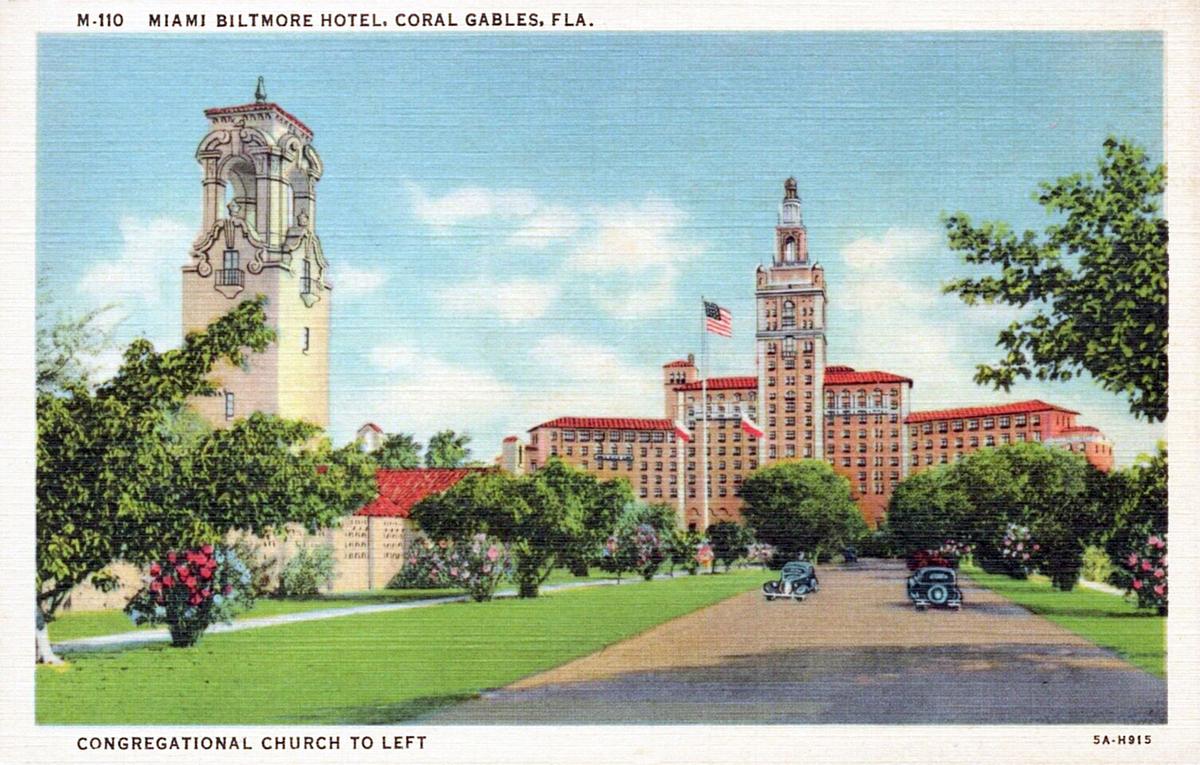
The short answer is George E. Merrick, the founder and planner who built Coral Gables starting in 1925. He imposed a unified Mediterranean revival style on the entire district, enforced through zoning laws that remain in effect today. Stucco walls, barrel tile roofs, courtyards, arcades, and wrought iron details are not aesthetic choices. They are legal requirements. The effect is a low rise streetscape that feels older than Miami, even though it was built at the same time as the Art Deco hotels on Ocean Drive. Stand at the intersection of Biltmore Way and Ponce de Leon Boulevard and you see the full logic of the plan: curvilinear streets, landscaped medians, roundabouts, and a skyline broken only by the 315 foot tower of the Biltmore Hotel, which opened in 1926 and remains a National Historic Landmark.
The Tree Canopy Is Zoning Code Expressed As Shade
The tree canopy is equally deliberate. Coral Gables maintains an inventory of over 30,000 public trees across 40% of the city land area. The banyan lined streets are not an accident. They are the zoning code expressed as shade.
Coral Gables Restaurants: Where to Eat on Giralda Avenue and Beyond
Giralda Avenue Is The Restaurant Row
Coral Gables restaurants cluster on Giralda Avenue, the two block restaurant row between Ponce de Leon Boulevard and Galiano Street, where over 30 food and beverage businesses compete for space. The cuisine mix includes Spanish, Cuban, Italian, French, Peruvian, Japanese, and American steakhouse, with multiple white tablecloth operations that have been running for decades. Skip the chain restaurants on Miracle Mile. Head instead to Giralda Avenue for dinner, or to a ventanita for a Cuban sandwich and cafecito from a walk up window. Watch for the 18 to 20% service charge already added to your bill. Check before you tip extra.
The University Calendar Sets The Pace
The University of Miami academic calendar drives restaurant demand. The main campus, founded in 1925, enrolls between 17,000 and 19,000 students each year, and the local dining scene fills up when classes are in session from late August to early May. Summer break quiets the district. Plan for that rhythm.

How to Get Around Coral Gables Without a Car
Walk The Core
The walk score for downtown Coral Gables is 88, the highest in the district. The walkable core, roughly bounded by SW 8th Street, Douglas Road, Coral Way, and Le Jeune Road, is compact enough to cover on foot for an afternoon.
Use The Trolley And Metrorail For Longer Trips
For longer trips, the Coral Gables Trolley runs free routes Monday to Saturday, linking Miracle Mile, the Douglas Road Metrorail station, and the University of Miami campus. The trolley stops running in the early evening and does not run on Sunday. Plan your return transport before you need it. The Metrorail connects the Douglas Road station to Government Center in 12 minutes and to Miami International Airport in 18 minutes with a transfer at Earlington Heights. Frequency drops to every 30 minutes late evening, so check the schedule before you head back.
What to Skip and Who Should Stay Elsewhere
Skip The Biltmore Hotel And Fairchild On Busy Days
Skip the Biltmore Hotel if you are not staying there. The grounds are beautiful and the 22,000 square foot pool is among the largest hotel pools in the continental United States, but the hotel does not offer day passes for pool use, and non guests cannot access the golf course designed by Donald Ross in 1925. The public can walk the hotel lobby and the grounds, but the experience is limited. Skip Fairchild Tropical Botanic Garden on a weekend afternoon from December to April. The 83 acre garden, founded in 1938 with a collection of over 3,400 plant species and over 300,000 annual visitors, fills up fast. Arrive at opening for a quiet visit.
Know What Coral Gables Is Not
Coral Gables is not for everyone. It has no beachfront. The nightlife is low key. The conspicuous wealth is on display and the dining is formal rather than casual. It is a base for travelers who want to stay within an orderly, walkable Mediterranean revival city and drive 12 miles to the beach when they feel like it. If you want to wake up to the sound of the ocean or stumble from your hotel into a nightclub, stay on South Beach. If you want a quiet tree shaded enclave with strict zoning, a free trolley, and some of the best Spanish and Cuban restaurants in Miami, book Coral Gables. Just do not try to walk from Biltmore Way to Matheson Hammock Park. The 630 acre park with its man made atoll pool flushed by Biscayne Bay tides sits on the eastern edge of the district, about a 15 minute drive from downtown Coral Gables. The district was built for cars and pedestrians, not for a car free existence.
One Honest Caveat Before You Book
Coral Gables is beautiful, quiet, and walkable within its downtown core. It is also expensive. The median household income sits at $113,000 and 68% of residents hold a bachelor's degree or higher. This is an affluent suburb that looks like a movie set. The planning that makes it serene also makes it uniform. If you want grit, improvisation, and the spontaneous energy of a Latin American metropolis, cross the river to Little Havana or drive north to the industrial warehouse grid of Wynwood. The perfect streetscape of Coral Gables is real and worth seeing. It is not the whole story of Miami.
Other areas in Miami
Common Questions
Is Coral Gables safe at night?
Yes. The residential streets are quiet and well lit. The downtown core along Miracle Mile and Giralda Avenue has foot traffic until restaurant closing hours. Standard city safety precautions apply. Avoid poorly lit side streets alone late at night.
Do I need a car to visit Coral Gables?
No, as long as you stay within the walkable core. The free Coral Gables Trolley connects Miracle Mile to the Douglas Road Metrorail station. The Metrorail runs to downtown Miami and the airport. For the beach or Everglades you need a rideshare or rental car.
When is the best time to visit Coral Gables?
December to April for dry weather and lower humidity. Avoid late August to October when peak hurricane season brings oppressive heat and daily downpours. The University of Miami calendar fills restaurants from late August to early May.
Can I swim at Venetian Pool in winter?
No. Venetian Pool closes for winter maintenance each year. The reopening date varies annually. Check the city of Coral Gables website for the current schedule. The Biltmore Golf Course remains open year round.
Read next
-
 Miami Hotels, What the Price Bands Actually Get You Across the City
Miami hotel prices swing wildly by season, and a resort fee can reshape the total. Here is what each price band actually delivers across the city.
Miami Hotels, What the Price Bands Actually Get You Across the City
Miami hotel prices swing wildly by season, and a resort fee can reshape the total. Here is what each price band actually delivers across the city.
-
 Where to Stay in Miami, Choosing a District That Matches Your Trip
Every Miami district forces a trade-off between beach access, walkability, nightlife, and budget. This guide matches neighborhoods to the trip you actually want.
Where to Stay in Miami, Choosing a District That Matches Your Trip
Every Miami district forces a trade-off between beach access, walkability, nightlife, and budget. This guide matches neighborhoods to the trip you actually want.
-
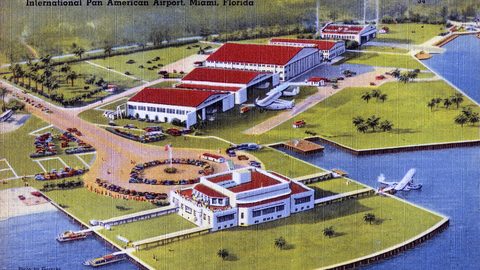 Flying Into Miami MIA vs FLL and Getting Out of the Airport
The assumption most first time visitors make is that Miami International Airport serves Miami and Fort Lauderdale Hollywood International serves Fort
Flying Into Miami MIA vs FLL and Getting Out of the Airport
The assumption most first time visitors make is that Miami International Airport serves Miami and Fort Lauderdale Hollywood International serves Fort
-
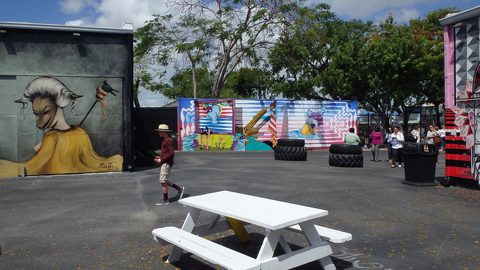 Things to Do in Miami, Ordered by Whether It Is Worth Your Limited Time
Not every Miami attraction earns its place on a four-day itinerary. This guide ranks what to do by how much of your limited time it deserves.
Things to Do in Miami, Ordered by Whether It Is Worth Your Limited Time
Not every Miami attraction earns its place on a four-day itinerary. This guide ranks what to do by how much of your limited time it deserves.
-
 When to Visit Miami and What Each Season Does to the City
Miami's seasons reshape everything: hotel rates, beach comfort, traffic, and whether you will need an umbrella at 3pm every day. Here is the pattern.
When to Visit Miami and What Each Season Does to the City
Miami's seasons reshape everything: hotel rates, beach comfort, traffic, and whether you will need an umbrella at 3pm every day. Here is the pattern.
-
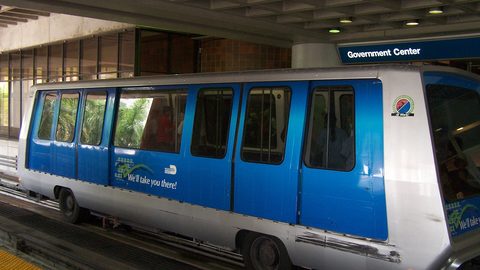 Getting Around Miami Without Wasting Half Your Trip in Traffic
Miami's transport mix confuses visitors: free Metromover, paid Metrorail, costly parking, and causeway gridlock. Here is how to move without losing half your day.
Getting Around Miami Without Wasting Half Your Trip in Traffic
Miami's transport mix confuses visitors: free Metromover, paid Metrorail, costly parking, and causeway gridlock. Here is how to move without losing half your day.
-
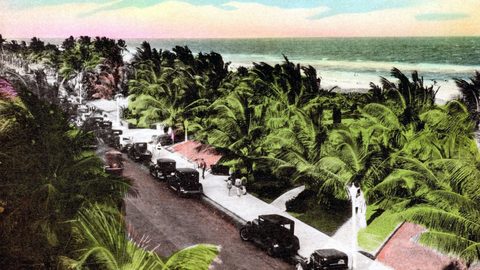 Brickell
Most visitors land in Miami and go straight to South Beach, stay there the whole time, and leave thinking the city is one long crowded strip of pastel hotels
Brickell
Most visitors land in Miami and go straight to South Beach, stay there the whole time, and leave thinking the city is one long crowded strip of pastel hotels
-
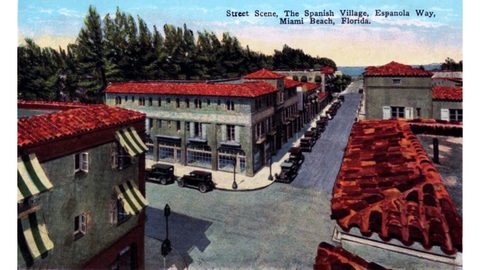 Little Havana
Most visitors to Miami land at MIA, get in a rideshare, and go straight to South Beach.
Little Havana
Most visitors to Miami land at MIA, get in a rideshare, and go straight to South Beach.
-
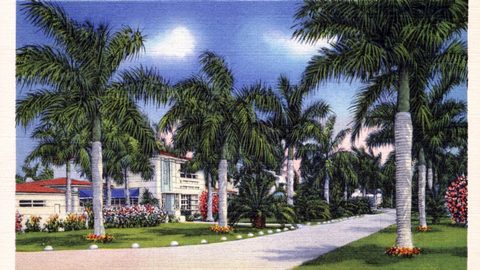 Wynwood
The problem with most guidebook advice on Wynwood is that it sends you to one ticketed courtyard and calls it done.
Wynwood
The problem with most guidebook advice on Wynwood is that it sends you to one ticketed courtyard and calls it done.