Brickell: Glass Towers, Rooftop Bars, and the Metromover Loop
Most visitors land in Miami and go straight to South Beach, stay there the whole time, and leave thinking the city is one long crowded strip of pastel hotels
- Flag
-

- ISO code
- US
- Timezone
- America/New_York
Brickell: Glass Towers, Rooftop Bars, and the Metromover Loop
Most visitors land in Miami and go straight to South Beach, stay there the whole time, and leave thinking the city is one long crowded strip of pastel hotels and souvenir shops. That mistake costs you the real city. Brickell is the mainland counterweight: glassy, vertical, dense with high-end Latin dining along Brickell Avenue. This brickell miami financial district guide explains exactly what you get when you cross the causeway.
Brickell is a 1.2 square mile financial district and residential area that, since the early 2000s high rise boom, has become the densest urban core in the region. Its walk score of 91 makes it a pedestrian paradise, rare in a car dependent city like Miami. You can live out of an elevator here for four days and never touch a rental car key, as long as you understand the transit system. The Metromover loop is the free people mover that connects Brickell to downtown and the Arsht Center. It is not the Metrorail. Tourists confuse them and rack up fines. Ride the Metromover. It is free, it runs in a loop, and it makes downtown and Brickell feel like one contiguous district.
Who Should Stay Here
Brickell is best for travellers who want the rooftop pool and bar condo lifestyle rather than the beach resort experience. You will trade the sand for bay views from a 50th floor balcony. You will trade the surf for a ceviche bar on Brickell Avenue. You will trade the ocean breeze for the air conditioning of a glass tower, which in July and August is the better trade anyway.
When To Go
December through April is peak season, when the weather is dry and warm and the city fills with events like Art Basel in December and the South Beach Wine and Food Festival in February. Late August through October is the window to avoid. Peak hurricane season brings oppressive humidity and daily afternoon downpours that flood the streets fast. A 20 minute downpour can strand you without an umbrella or a ride. Pack for it.
.jpg)
Brickell Miami Rooftop Bars: Where to Drink Above the Skyline
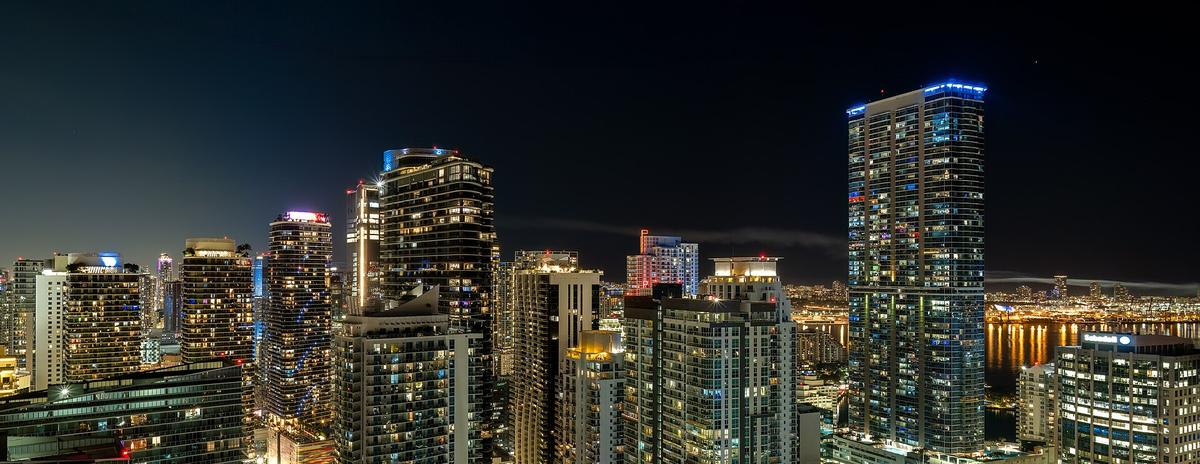
Brickell rooftop bars are the area's main nighttime draw. The high rise condos and hotels that dominate the skyline all have pools and bars on the upper floors, and many are open to the public. The trick is to go early, before 18:00, when the crowd is thinner and the dress code is looser. After 20:00, the velvet rope culture takes over. You will want a reservation for a table, not just a spot at the bar. The rooftop bars here are not beachfront shacks. They are polished, expensive, and aimed at the finance professional and international transplant crowd that lives in the towers below.
What To Budget
Budget for cocktails in the $18 to $25 range and expect an 18 to 20 percent service charge already added to your bill before you tip. Check the bill before adding extra.
Where To Start
Brickell City Centre has several elevated venues on its upper levels. The open air mall itself is a four level complex with a Publix grocery on site, useful for stocking your condo kitchen. The bars here lean toward bottle service and group tables. If you want something lower key, the upper floor bars at the smaller hotels along Brickell Bay Drive are quieter and have unimpeded views of the bay. Go on a weeknight, not a weekend, when the crowd is local rather than tourist. The humidity at that altitude is less oppressive than at street level, but the rain arrives suddenly. If a storm rolls in, the bars clear fast. Do not leave your seat unattended or you will lose it.
Brickell Avenue Peruvian Dining Miami: the Best Ceviche on the Mainland
Brickell Avenue Peruvian dining Miami is not a trend. It is the dominant cuisine on this strip, and for good reason. The area has a large Peruvian and broader Latin American population, and the restaurants along Brickell Avenue serve ceviche and leche de tigre that competes with anything you will find in Lima. The concentration of Peruvian spots is highest between the Brickell Metromover station and the Financial District station. Walk from one to the other in ten minutes and you pass six or seven places worth eating at.
The dish to order is ceviche with leche de tigre, the citrus and chili marinade that cures the fish. At lunch, the crowd is local workers from the office towers. At dinner, it is residents and visitors from the condos. Prices are high, because this is Brickell, but the quality is consistent.
Beyond Ceviche
Do not skip the churrasco with chimichurri at the Colombian spots in Mary Brickell Village, an open air dining plaza on SW 9th Street and South Miami Avenue with approximately 20 restaurants and bars. The pastelitos at the Cuban bakeries in the area are a good breakfast grab, but do not expect a ventanita experience. In Little Havana you get a walk up window. In Brickell you get a counter inside a mall. It is still good. It is just different.
Brickell Metromover Station Loop: the Free Connector You Cannot Afford to Confuse
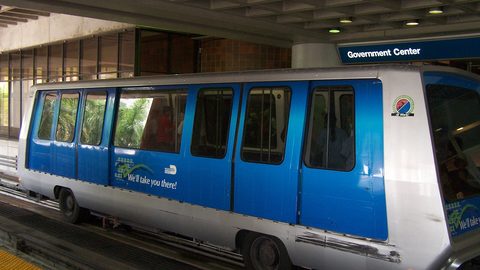
The Brickell Metromover station loop is a free, automated people mover that runs in a circuit around downtown and Brickell. It has four stations within Brickell itself: Brickell, Tenth Street Promenade, Financial District, and Riverwalk. The loop connects to the Metrorail at the Government Center station in downtown, and to the Brightline train at MiamiCentral on the northern edge of the district. The entire loop takes roughly 20 minutes to ride end to end. It runs every 5 to 10 minutes depending on time of day.
The One Transit Rule That Matters
This is the single most important transit fact for your stay. The Metromover is free. The Metrorail is not. Tourists board the Metromover, then walk onto a Metrorail train without paying, and Miami Dade Transit issues fines. The payment system is contactless. Buy a reloadable card at any Metrorail station kiosk. Do not assume the train you are boarding is free just because the one before it was.
What You Can Reach Without A Car
If you stay in Brickell and use only the Metromover and your feet, you will not need a car. The walk score of 91 backs that up. You can reach the Frost Museum of Science in Museum Park via the Metromover in about 10 minutes. The Adrienne Arsht Center for the Performing Arts is a 0.8 mile walk from the Brickell Metromover station. The nearest beach is Key Biscayne, 7 miles by car with no direct public transit, so you will need a ride for that day trip. Expect to pay $25 to $40 each way depending on demand.
Brickell vs South Beach Miami Base: Which Neighbourhood Wins for Your Trip
The Brickell vs South Beach Miami base decision is the first choice every visitor makes, and most get it wrong. South Beach is the Art Deco party strip, tourist dense, with beachfront hotels and Ocean Drive crowds. Brickell is the glassy finance district with rooftop bars, upscale condos, and no beach. Each serves a different traveller. If you are here for the beach and the nightlife strip, stay on South Beach. If you want walkability, luxury condos, bay views, and proximity to downtown offices, stay in Brickell.
Know What You Are Choosing
Brickell is not a budget option. It is not a quiet low key beach town. It is a dense urban core where the typical resident is a finance professional or international transplant. Visitors suited to staying here are those who prioritise walkability and high end dining over sand and surf. The rooftop pool and bar condo lifestyle replaces the beach resort experience. You will not have a beach within walking distance. You will have a bayfront boardwalk and a public park, Simpson Park Hammock, a native hardwood hammock with trails. That is not a beach. That is a place to walk your coffee off in the morning. If you want quiet and historic, skip Brickell entirely and stay in Coconut Grove or Coral Gables. If you want the urban energy of a Latin American metropolis, with Spanish as the default language in many businesses and a skyline that keeps growing, Brickell is your base.
How To Split Your Days
Make the decision based on your itinerary. Minimum four days in Miami allows one beach day, one cultural day, one neighbourhood hopping day, and one evening focused day. If you stay in Brickell, your beach day requires a ride to Key Biscayne or a longer trip to South Beach. Your cultural day can include the Metromover to the Arsht Center and the Frost Museum. Your neighbourhood hopping day can cover Wynwood, the Design District, and Little Havana. Your evening focused day is Brickell itself. That setup works. Staying only on South Beach and never crossing the causeways turns a complex multi layered city into a crowded strip. Cross the causeway at least once. Brickell is worth the trip even if you do not stay here.

How Brickell Compares to Its Neighbours
Brickell sits between the Miami River to the north, Biscayne Bay to the east, SW 15th Road to the south, and I 95 to the west. Downtown Miami, directly north across the river, has a higher concentration of government offices, cultural venues, and historic buildings. Brickell is primarily residential and high end retail. Edgewater, further north along the bay, is lower rise with more mid century condos and fewer office towers. It fronts the bay with Maurice A. Ferré Park, a linear green space that Brickell lacks.
The Southern And Western Districts
Coconut Grove, to the south, is low rise, heavily vegetated, and village scale with marina culture. Coral Gables is a planned city with Mediterranean Revival architecture and strict height limits. Brickell has no height limits. Its skyline keeps climbing. Wynwood is a former warehouse district turned arts and nightlife hub with street murals. Brickell has minimal street art and no industrial to arts conversion. Little Havana is low rise, predominantly Hispanic, and centred on Calle Ocho. Brickell is high rise, multilingual, and finance oriented. Key Biscayne is a suburban island village with single family homes and beaches. Brickell is a mainland urban centre with no beach. Each district serves a different purpose. Do not try to make Brickell into something it is not.
Practical Details for Your Brickell Stay
Check your bill carefully. Restaurant pricing in Brickell often includes an 18 to 20 percent service charge already added. Do not tip extra unless the service was genuinely exceptional. The same applies at rooftop bars. The charge is already there. Adding more is throwing money away.
Rain And Flooding
Flooding is real in Brickell. The area is within a FEMA Special Flood Hazard Area. King tides and heavy rain events flood streets fast. A storm can drop two inches of rain in 30 minutes and leave standing water on Brickell Avenue. Do not park in a low spot. Do not assume your ride will arrive in five minutes. Wait times spike during downpours. Carry a compact umbrella at all times between June and November.
Parking And Pickups
Parking in Brickell is less predatory than South Beach, where garages can run $20 to $40 per day and street parking requires an app and a resident zone decoder ring. Brickell City Centre and Mary Brickell Village have designated pickup and drop off zones for app based rides. Use those. Do not try to hail a taxi on the street. They are rare. Use a ride app with a prepaid US SIM or eSIM. Free public Wi-Fi exists in some parks but is patchy. Do not rely on it for ride or parking apps. The lifeguard tower numbering system on Miami Beach does not apply in Brickell. Use the street address for pickup points.
| Category | Detail |
|---|---|
| District Type | High rise financial district and dense residential neighbourhood |
| Area | Approximately 1.2 square miles (3.1 km²) |
| Walk Score (2024) | 91, Walker's Paradise |
| Transit Score (2024) | 81, Excellent Transit |
| Bike Score (2024) | 72, Very Bikeable |
| Metromover Stations in District | Brickell, Tenth Street Promenade, Financial District, Riverwalk |
| Metrorail Station in District | Brickell |
| Nearest Brightline Station | MiamiCentral (0.8 mi walk) |
| Nearest Beach | Key Biscayne, 7 mi by car, no direct transit |
| Major Grocery | Publix at Brickell City Centre; Whole Foods Market at 299 SE 3rd Ave |
| Predominant Building Type | Glass residential and mixed use towers of 40 to 70 storeys |
| High Rise Boom Began | Early 2000s |
Other areas in Miami
Common Questions
Is Brickell walkable or do I need a car?
Brickell has a walk score of 91, so you do not need a car for the neighbourhood itself. The Metromover loop is free and connects you to downtown and cultural venues. You will need a ride for the beach, the Everglades, or Key Biscayne. Expect to pay $25 to $40 for a ride to Key Biscayne, and up to $70 for a trip to Fort Lauderdale.
What is the difference between the Metromover and the Metrorail?
The Metromover is a free automated people mover that loops around downtown and Brickell. The Metrorail is a paid heavy rail line. Tourists confuse them and get fined. If you walk from a Metromover station onto a Metrorail train without paying, Miami Dade Transit will issue a citation. Use a contactless reloadable card for Metrorail. Ride the Metromover for free.
Can I get to the beach from Brickell without a car?
No direct public transit exists from Brickell to any beach. Key Biscayne beaches are seven miles away by car. South Beach is further and requires a transfer. Plan to use a ride app for beach days. Expect to pay $25 to $40 each way to Key Biscayne. The beach is not the draw of Brickell. The rooftop bars and bay views are.
What kind of food is Brickell known for?
Brickell is known for Peruvian and broader Latin American cuisine. Brickell Avenue has a high concentration of Peruvian restaurants serving ceviche and leche de tigre. Mary Brickell Village has roughly 20 restaurants and bars spanning Colombian, Cuban, and Peruvian options. Cuban pastelitos and cafecito are available at bakery counters, though not at the ventanita walk up windows you find in Little Havana.
When is the worst time to stay in Brickell?
Late August through October is peak hurricane season with oppressive humidity and daily afternoon downpours that flood streets fast. Memorial Day Weekend on South Beach also causes gridlock that spills onto the causeways. December through April is peak season with dry, warm weather and major events like Art Basel and the South Beach Wine and Food Festival.
Read next
-
 Miami Hotels, What the Price Bands Actually Get You Across the City
Miami hotel prices swing wildly by season, and a resort fee can reshape the total. Here is what each price band actually delivers across the city.
Miami Hotels, What the Price Bands Actually Get You Across the City
Miami hotel prices swing wildly by season, and a resort fee can reshape the total. Here is what each price band actually delivers across the city.
-
 Where to Stay in Miami, Choosing a District That Matches Your Trip
Every Miami district forces a trade-off between beach access, walkability, nightlife, and budget. This guide matches neighborhoods to the trip you actually want.
Where to Stay in Miami, Choosing a District That Matches Your Trip
Every Miami district forces a trade-off between beach access, walkability, nightlife, and budget. This guide matches neighborhoods to the trip you actually want.
-
 Flying Into Miami MIA vs FLL and Getting Out of the Airport
The assumption most first time visitors make is that Miami International Airport serves Miami and Fort Lauderdale Hollywood International serves Fort
Flying Into Miami MIA vs FLL and Getting Out of the Airport
The assumption most first time visitors make is that Miami International Airport serves Miami and Fort Lauderdale Hollywood International serves Fort
-
 Things to Do in Miami, Ordered by Whether It Is Worth Your Limited Time
Not every Miami attraction earns its place on a four-day itinerary. This guide ranks what to do by how much of your limited time it deserves.
Things to Do in Miami, Ordered by Whether It Is Worth Your Limited Time
Not every Miami attraction earns its place on a four-day itinerary. This guide ranks what to do by how much of your limited time it deserves.
-
 When to Visit Miami and What Each Season Does to the City
Miami's seasons reshape everything: hotel rates, beach comfort, traffic, and whether you will need an umbrella at 3pm every day. Here is the pattern.
When to Visit Miami and What Each Season Does to the City
Miami's seasons reshape everything: hotel rates, beach comfort, traffic, and whether you will need an umbrella at 3pm every day. Here is the pattern.
-
 Getting Around Miami Without Wasting Half Your Trip in Traffic
Miami's transport mix confuses visitors: free Metromover, paid Metrorail, costly parking, and causeway gridlock. Here is how to move without losing half your day.
Getting Around Miami Without Wasting Half Your Trip in Traffic
Miami's transport mix confuses visitors: free Metromover, paid Metrorail, costly parking, and causeway gridlock. Here is how to move without losing half your day.
-
 Little Havana
Most visitors to Miami land at MIA, get in a rideshare, and go straight to South Beach.
Little Havana
Most visitors to Miami land at MIA, get in a rideshare, and go straight to South Beach.
-
 Wynwood
The problem with most guidebook advice on Wynwood is that it sends you to one ticketed courtyard and calls it done.
Wynwood
The problem with most guidebook advice on Wynwood is that it sends you to one ticketed courtyard and calls it done.
-
 South Beach
The postcard shows a pastel dream: turquoise water, white sand, a row of candy coloured hotels against a perfect sky.
South Beach
The postcard shows a pastel dream: turquoise water, white sand, a row of candy coloured hotels against a perfect sky.