Miami Beach vs Mainland Where to Stay and What the Crossing Decides
The causeway is the real decision in Miami. Staying on the beach means instant sand but a bridge crossing every time you leave; the mainland puts restaurants

Miami Beach Hotels Versus Mainland Hotels and the Causeway Crossing
The decision about where to stay comes down to a single physical structure: the causeway. Five bridges connect Miami Beach to the mainland, and each crossing carries a cost in lost time, surge-priced rideshares, and the mental friction of turning a dinner invitation into a logistical negotiation. A hotel on Miami Beach puts you steps from the sand but locks you into a narrow corridor of Ocean Drive bars and souvenir shops unless you commit to crossing. A mainland hotel in Brickell or Wynwood trades beach access for a city where the museums, galleries, and Latin kitchens actually live. Here is what the crossing costs you in time, money, and flexibility so you can choose the base that matches how you actually travel.
Miami Beach Causeway Traffic Crossing Time: What Every Trip Costs
MacArthur And Julia Tuttle Delays
The MacArthur Causeway, the primary bridge for South Beach access, carries more daily vehicles than any other link between Miami Beach and the mainland. At 3.5 miles and a 40 mph posted speed limit, the drive should take five minutes. In practice, this bridge is the most affected by rush-hour congestion and event congestion. PortMiami truck traffic plus cruise-ship passenger vans stack up at the toll-free bridge during weekday afternoons and every weekend. The Julia Tuttle Causeway, at 2.5 miles with a 45 mph limit, serves Mid-Beach and North Beach and suffers similar delays during Miami Beach Convention Centre events.
The Venetian And Rickenbacker Routes
The 79th Street Causeway, a 2-mile fixed high-level span with a 35 mph limit, sees some of the heaviest daily vehicle counts but moves marginally faster because it serves local traffic rather than tourist shuttles. The Venetian Causeway, the only drawbridge route, has a 25 mph speed limit and toll collection via SunPass or Toll-by-Plate. Its 2.5-mile length can stretch to 20 minutes when the movable bridge opens for a boat, despite peak-hour restrictions. The Rickenbacker Causeway, at 5.4 miles and a 45 mph limit, connects Brickell and Coconut Grove to Key Biscayne, not Miami Beach, so it only matters if your mainland hotel is in Brickell and you plan day trips to the state park.
Airport And Rain Delays
Without a rental car or rideshare, the 40-minute taxi from Miami International Airport to South Beach becomes an hour during Art Basel in December or the South Beach Wine & Food Festival in February. The failure case: a 20-minute afternoon downpour can flood streets fast, stranding you on the mainland side with a rideshare app showing no available cars for 15 minutes.
South Beach Hotel vs Brickell Hotel Decision: Your Base Determines Your Day
South Beach Advantages And Limits
A South Beach hotel puts you inside the Art Deco Historic District, within walking distance of 800-plus pastel buildings, Española Way restaurants, and South Pointe Park Pier. You can step from your hotel lobby to the sand in under five minutes. The trade-off: dining options beyond overpriced seafood towers vanish after dark unless you cross the MacArthur Causeway to reach Brickell's rooftop bars or Wynwood's warehouse-zone dinner spots. That crossing costs you 15 to 40 minutes each way depending on the hour, plus a rideshare fare that climbs during peak hours.
Brickell Advantages And The Failure Case
A Brickell hotel, by contrast, sits in a glassy finance district where the dining and cultural density is higher. You are a 10-minute Metromover ride, the free downtown people-mover, from the Pérez Art Museum Miami and the Frost Museum of Science. The Metrorail Orange Line from Brickell station reaches Miami International Airport in about 25 minutes for $2.25. You lose the immediate beach access, but you gain the ability to walk to dinner in Little Havana's Calle Ocho ventanitas for a cafecito and a Cuban sandwich without negotiating a bridge. The failure case: booking a South Beach hotel and never crossing the causeways turns Miami into an overpriced, crowded strip of bars and souvenir shops, which is the most common mistake visitors make.
Staying in Miami Beach Without a Car: What Works and What Fails
Staying in Miami Beach without a car is possible if you accept that your range is limited. The Metrobus routes crossing the MacArthur Causeway, routes S and 120, run from South Beach to downtown and Brickell. The Julia Tuttle Causeway carries routes 36 and 110 from Mid-Beach to Wynwood and Edgewater. The 79th Street Causeway has a single bus, route 79. The Venetian Causeway has no bus service at all. The Miami Beach trolley stays on the island and never crosses a causeway, so it cannot help you reach mainland destinations.
The biggest trip-up: tourists confuse the free Metromover with the paid Metrorail and board the train without a contactless payment card, racking up fines. A prepaid US SIM card or eSIM is essential for rideshare and parking apps because public Wi-Fi in South Beach and Wynwood is patchy. Use lifeguard tower numbers as pickup points, each tower has a numbered address. Without a rental car, plan every mainland excursion as a single round trip per evening. The failure case: deciding at 9pm to walk from a Lincoln Road bar to dinner in Wynwood, then finding no bus running and a rideshare surge of 2.5x for the 15-minute Julia Tuttle crossing.
MacArthur Causeway Gridlock Miami: When the Bridge Fails
Predictable Closures And Cruise Traffic
The MacArthur Causeway gridlock Miami experiences is the single most predictable disruption in the island-versus-mainland decision. The causeway closes annually for the Miami Marathon and for triathlon events, forcing all traffic onto the Julia Tuttle or 79th Street bridges. During cruise-ship turnaround days, Saturdays and Sundays year-round, the toll-free MacArthur stacks PortMiami shuttle buses behind passenger vans at the Watson Island merge point. The dedicated bus lane on the MacArthur helps public transit, but it does nothing for rideshare or rental car users.
The Venetian Alternative And The Failure Case
The storm-surge closure risk for the MacArthur is the highest of any causeway because its elevation above mean high water is 65 feet, but its fixed high-level span means it cannot open to relieve maritime traffic. When the MacArthur backs up, your alternative is the Venetian Causeway, the only causeway with a drawbridge span, but that route has a toll and a 14-foot-6-inch vehicle height clearance. If you are driving a rental SUV or van, the Venetian's movable bridge opening can add 10 minutes on top of the toll. The failure case: a Saturday afternoon in March with cruise traffic, a triathlon closure on the MacArthur, and a drawbridge opening on the Venetian, your 10-minute trip from a Brickell hotel to a South Beach dinner becomes a 45-minute crawl.
The Psychological Barrier of the Causeway
The causeway is not just a physical bridge. It is a psychological barrier that turns a quick mainland dinner into a logistical negotiation. A hotel guest on Miami Beach who wants to visit Wynwood Walls, the ticketed outdoor street-art gallery that requires advance booking, must decide whether the 15-minute Julia Tuttle crossing is worth the round-trip rideshare cost. A visitor in Brickell who wants a beach day faces the same math in reverse: 15 minutes across the MacArthur and a $50 to $80 daily set of two loungers and an umbrella on the beach.
The Venetian Causeway, with its 25 mph speed limit and drawbridge, creates the strongest mental friction: a 2.5-mile crossing that should take five minutes can stretch to 20 when a sailboat passes through the bridge opening. The Rickenbacker Causeway, at 5.4 miles with a 45 mph limit and dedicated pedestrian and bicycle path, is the only route that feels like a journey rather than a commute, but it does not connect to Miami Beach, so it only serves day trippers heading to Key Biscayne. The Julia Tuttle and 79th Street causeways, both fixed high-level spans with no pedestrian or bicycle access, force you into a vehicle for every crossing. The failure case: a Miami Beach hotel guest who planned one mainland dinner per trip ends up skipping it entirely after a 30-minute wait for a rideshare during a South Beach Wine & Food Festival surge.

Which Causeway to Use for Each Destination
The five causeways serve different parts of Miami Beach and the mainland, and choosing the wrong one adds 10 to 20 minutes to a trip. For South Beach hotels on 5th Street or Ocean Drive, use the MacArthur Causeway, it connects directly to 5th Street on the beach side and to I-395 downtown. For Mid-Beach hotels near 41st Street, use the Julia Tuttle Causeway, which connects I-195 to 41st Street. For North Beach hotels near 71st Street, use the 79th Street Causeway, which connects NE 79th Street in Miami to 71st Street on the beach.
The Venetian Causeway connects NE 15th Street in Miami to Dade Boulevard on Miami Beach and is the only drawbridge route, avoid it if you are on a tight schedule or driving a vehicle taller than 14 feet 6 inches. The Rickenbacker Causeway connects Brickell and Coconut Grove to Virginia Key and Key Biscayne, not to Miami Beach, so it only matters for day trips to Bill Baggs Cape Florida State Park. The failure case: a visitor staying in North Beach uses the MacArthur Causeway because it is familiar, driving 3.5 miles south on the island before crossing, adding 20 minutes of beachfront traffic to a trip that could have used the 2-mile 79th Street bridge.
Storm Surge, Bridge Openings, and Seasonal Closures
Storm Surge Risk By Bridge
Storm-surge closure risk affects three causeways more than the others. The MacArthur Causeway has the highest risk, followed by the Venetian Causeway and the Rickenbacker Causeway. The Julia Tuttle Causeway and the 79th Street Causeway have the lowest storm-surge closure risk because their elevations above mean high water are 65 feet and 25 feet respectively, compared to the Venetian's 12 feet.
Bridge Openings And Hurricane Season
Bridge openings affect three causeways: the Venetian Causeway, the 79th Street Causeway, and the Rickenbacker Causeway all have movable bridges with on-demand openings and peak-hour restrictions. The Julia Tuttle and MacArthur causeways have fixed high-level spans over shipping channels, meaning no bridge openings but also no way for tall vessels to pass. During hurricane season from late August through October, the afternoon downpours can flood streets on both sides of the causeways within 20 minutes, and storm surge can close the low-elevation Venetian Causeway entirely. The failure case: a September visitor staying on Miami Beach with a dinner reservation on Calle Ocho in Little Havana watches a 20-minute rainstorm flood the MacArthur Causeway approach, turning a 15-minute drive into a 45-minute wait for floodwater to recede.
What to Do When the Causeway is Closed or Gridlocked
Alternate Bridges And Their Limits
When the MacArthur Causeway gridlock hits, Saturday cruise traffic, marathon closures, or triathlon events, your alternatives are limited. The Julia Tuttle Causeway is toll-free and 2.5 miles long with a 45 mph speed limit, but it carries heavy traffic from convention center events. The 79th Street Causeway is toll-free and 2 miles long with a 35 mph limit, but it serves local traffic rather than tourist shuttles and may not help if your destination is South Beach. The Venetian Causeway has a toll and a drawbridge, so it is faster only when the MacArthur is completely blocked and the bridge stays closed. The Rickenbacker Causeway is not an option for reaching Miami Beach, it connects to Key Biscayne.
Planning Around Closures
If you are on Miami Beach and need to reach the mainland without a car, the Metrobus routes on the MacArthur and Julia Tuttle causeways run during gridlock, but the buses sit in the same traffic. The most practical next step: check the event calendar before booking. If your trip overlaps with the Miami Marathon in January or Urban Beach Week on Memorial Day Weekend, stay on the same side of the causeway as your primary activities and plan zero crossings on those days.
Read next
-

 Miami Hotels, What the Price Bands Actually Get You Across the City
Miami hotel prices swing wildly by season, and a resort fee can reshape the total. Here is what each price band actually delivers across the city.
Miami Hotels, What the Price Bands Actually Get You Across the City
Miami hotel prices swing wildly by season, and a resort fee can reshape the total. Here is what each price band actually delivers across the city.
-
 Where to Stay in Miami, Choosing a District That Matches Your Trip
Every Miami district forces a trade-off between beach access, walkability, nightlife, and budget. This guide matches neighborhoods to the trip you actually want.
Where to Stay in Miami, Choosing a District That Matches Your Trip
Every Miami district forces a trade-off between beach access, walkability, nightlife, and budget. This guide matches neighborhoods to the trip you actually want.
-
 Flying Into Miami MIA vs FLL and Getting Out of the Airport
The assumption most first time visitors make is that Miami International Airport serves Miami and Fort Lauderdale Hollywood International serves Fort
Flying Into Miami MIA vs FLL and Getting Out of the Airport
The assumption most first time visitors make is that Miami International Airport serves Miami and Fort Lauderdale Hollywood International serves Fort
-
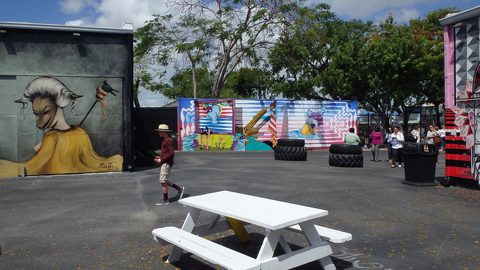 Things to Do in Miami, Ordered by Whether It Is Worth Your Limited Time
Not every Miami attraction earns its place on a four-day itinerary. This guide ranks what to do by how much of your limited time it deserves.
Things to Do in Miami, Ordered by Whether It Is Worth Your Limited Time
Not every Miami attraction earns its place on a four-day itinerary. This guide ranks what to do by how much of your limited time it deserves.
-
 When to Visit Miami and What Each Season Does to the City
Miami's seasons reshape everything: hotel rates, beach comfort, traffic, and whether you will need an umbrella at 3pm every day. Here is the pattern.
When to Visit Miami and What Each Season Does to the City
Miami's seasons reshape everything: hotel rates, beach comfort, traffic, and whether you will need an umbrella at 3pm every day. Here is the pattern.
-
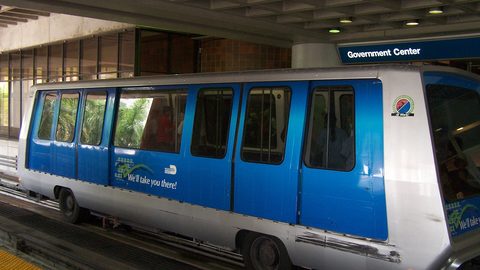 Getting Around Miami Without Wasting Half Your Trip in Traffic
Miami's transport mix confuses visitors: free Metromover, paid Metrorail, costly parking, and causeway gridlock. Here is how to move without losing half your day.
Getting Around Miami Without Wasting Half Your Trip in Traffic
Miami's transport mix confuses visitors: free Metromover, paid Metrorail, costly parking, and causeway gridlock. Here is how to move without losing half your day.
-
 Vizcaya Museum and Gardens
 is a Gilded Age bayfront estate in Miami. Book ahead with timed entry to avoid queuing at the gate and again at the house.
Vizcaya Museum and Gardens
Vizcaya Museum and Gardens is a Gilded Age bayfront estate in Miami. Book ahead with timed entry to avoid queuing at the gate and again at the house.
-
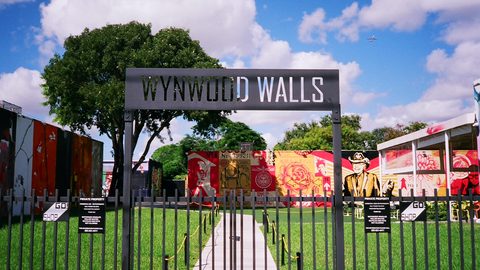 Wynwood Walls
 is a ticketed outdoor street-art compound in Miami's Wynwood district. Advance timed entry is essential to avoid long queues or sell-outs.
Wynwood Walls
Wynwood Walls is a ticketed outdoor street-art compound in Miami's Wynwood district. Advance timed entry is essential to avoid long queues or sell-outs.
-
 Perez Art Museum Miami
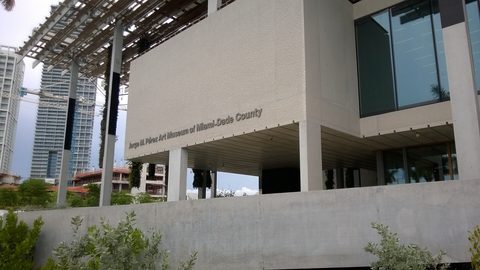
The Pérez Art Museum Miami sits on Biscayne Bay with hanging gardens and a Latin American contemporary collection. It closes Wednesdays, so check before you go.
Perez Art Museum Miami
The Pérez Art Museum Miami sits on Biscayne Bay with hanging gardens and a Latin American contemporary collection. It closes Wednesdays, so check before you go.