Little Havana: Cafecito Windows, Cigar Smoke, and Dominoes on Calle Ocho
Most visitors to Miami land at MIA, get in a rideshare, and go straight to South Beach.
- Flag
-
- ISO code
- US
- Timezone
- America/New_York
Little Havana: Cafecito Windows, Cigar Smoke, and Dominoes on Calle Ocho
Most visitors to Miami land at MIA, get in a rideshare, and go straight to South Beach. That mistake turns a multi layered city into one overpriced strip of souvenir shops. Little Havana is the Cuban heart of the city, and it runs on daily rituals that have nothing to do with Ocean Drive. Understanding those rituals is the difference between a walk down a street and a visit to a neighbourhood that actually functions.
Calle Ocho, SW 8th Street, is the main axis. It runs from roughly SW 27th Avenue east to SW 12th Avenue, though the district itself stretches from NW 7th Street north to SW 16th Street south, with I 95 on the east and SW 37th Avenue on the west. The building height stays mostly one to three storeys, a low profile that makes the 30 to 85 storey towers of Brickell, immediately to the east, feel like a different country. The housing stock is 1920s to 1940s bungalows and duplexes, with some 1960s apartment buildings filling in the gaps. The commercial storefronts along Calle Ocho sit directly on the sidewalk. There is no setback, no parking lot between you and the door. That is intentional. This is a walkable street in a car dependent city, and the Walk Score rating for central Little Havana is 84, which is very walkable. The Bike Score is 79. The Transit Score is 62, good for Miami. The primary bus routes are Miami Dade Transit routes 8 and 207, and the Metrorail stations that serve the district include Culmer, Civic Center, Santa Clara, Brownsville, and Earlington Heights. Use them. A Metrorail ride to downtown costs a flat fare, but check the Miami Dade Transit website for the current rate because the figure is revised annually. Do not confuse the Metromover, which is free, with Metrorail, which is not. That mistake racks up fines.

The Ventanita Ritual: Coffee, Croquetas, and the Walk Up Window
The entry point to Little Havana is not a museum or a landmark. It is a ventanita, a walk up coffee window. You approach a small opening at the side of a bakery or cafeteria, order a cafecito, and wait the 45 seconds it takes to pour it. The drink is Cuban style espresso, sweetened and served in a thimble sized plastic cup. Alongside it you order a croqueta, a breaded and fried cylinder of ham, chicken, or cheese. The combination costs roughly three dollars and covers breakfast for anyone who is not ordering from a menu designed to prolong the meal. Ventanitas open early. The ones at Yisell Bakery at 1415 SW 8th Street and Pinecrest Bakery at 1200 SW 8th Street start serving before 7 am. Do not walk past and photograph the window. Use it. That is the transaction that funds the morning rhythm of the block.
Many businesses in Little Havana are Spanish first. Menus may not default to English. The primary language heard in commercial areas is Spanish, Cuban and Central American varieties. If you cannot order a cafecito in Spanish, learn the phrase before you arrive. Un cafecito, por favor. That is not a tourist performance. It is how the neighbourhood functions. The staff will switch to English if they have it, but do not assume they do. The larger point is that the ventanita is not a gimmick. It is a structural feature of the local economy, same as the cigar rollers on the shop fronts and the domino tables under the pavilion at the park.
Maximo Gomez Domino Park Miami: the Daily Game Under the Pavilion
Máximo Gómez Park at SW 8th Street and SW 15th Avenue occupies approximately 0.2 acres. Locals call it Domino Park, and it holds a set of covered outdoor tables used daily for domino games. The players are primarily older Cuban men. Some have been playing at the same table for decades. The game is not a performance. It is a social structure. Spectators stand behind the players and offer commentary. Nobody pays for the show because there is no show. You sit on a bench and watch quietly until you are invited to speak. Do not take photos of the players without asking. The rules are not written down, but anyone who has spent an afternoon there knows them. The park opens at sunrise and the games continue until the heat or the late afternoon rain breaks them up.
The park is named for Máximo Gómez, a Dominican general who fought in Cuba's wars of independence. A monument to him stands near the tables. Across the street, the Tower Theater at SW 8th Street and SW 15th Avenue operates as a cinema and cultural event space. It is a restored 1926 Art Deco building now run by Miami Dade College. Check its schedule before you go. It screens films in Spanish and English, and the programming skews toward Latin American and independent cinema.
Cuban Memorial Boulevard
Two blocks north on SW 13th Avenue between SW 8th and SW 9th Streets runs the Cuban Memorial Boulevard. It holds the Eternal Torch of Brigade 2506, the Bay of Pigs memorial, and a statue of José Martí. Walk it once. It takes five minutes. The monuments are maintained by the exile community, and the political weight of the site is not abstract. It is the reason the neighbourhood exists in its current form.
Calle Ocho Walk of Fame Miami: Stars on the Sidewalk and the Monthly Street Fair
The Calle Ocho Walk of Fame lines the sidewalk with stars that honor Latin celebrities. It is not the Hollywood version. The stars are set into the concrete, and many commemorate figures whose fame is specific to the Cuban and Latin American diaspora. You do not need to know every name to understand what the Walk of Fame does. It anchors the street as a ceremonial corridor. The stars become markers for the Viernes Culturales monthly street fair, where the block fills with outdoor art, music, and food stalls. Viernes Culturales, Cultural Fridays, happens the last Friday of each month along SW 8th Street between SW 13th and SW 17th Avenues. The format is consistent. Galleries open their doors, musicians set up on corners, and vendors sell pastelitos and rum cocktails. The event runs from evening into night. Go early, before the crowd thickens, and leave before the final hour when the noise and the heat and the foot traffic make movement difficult. For exact dates and the official programme, visit the Viernes Culturales page run by the City of Miami. Do not rely on secondary sources. The schedule shifts occasionally, and the event is cancelled for weather or construction without much notice.
Parades and the Big Festival
The Three Kings Parade in January follows Calle Ocho with floats and marching bands. The Calle Ocho Festival in March draws between 500,000 and 1,000,000 people on a single Sunday. The Kiwanis Club of Little Havana organizes it. Both events shut down the street completely. If your visit coincides with either, budget for blocked traffic and prepare for a crowd that rivals any beach on a spring break Saturday.

Viernes Culturales Little Havana Monthly: the Night the Neighbourhood Opens Its Doors
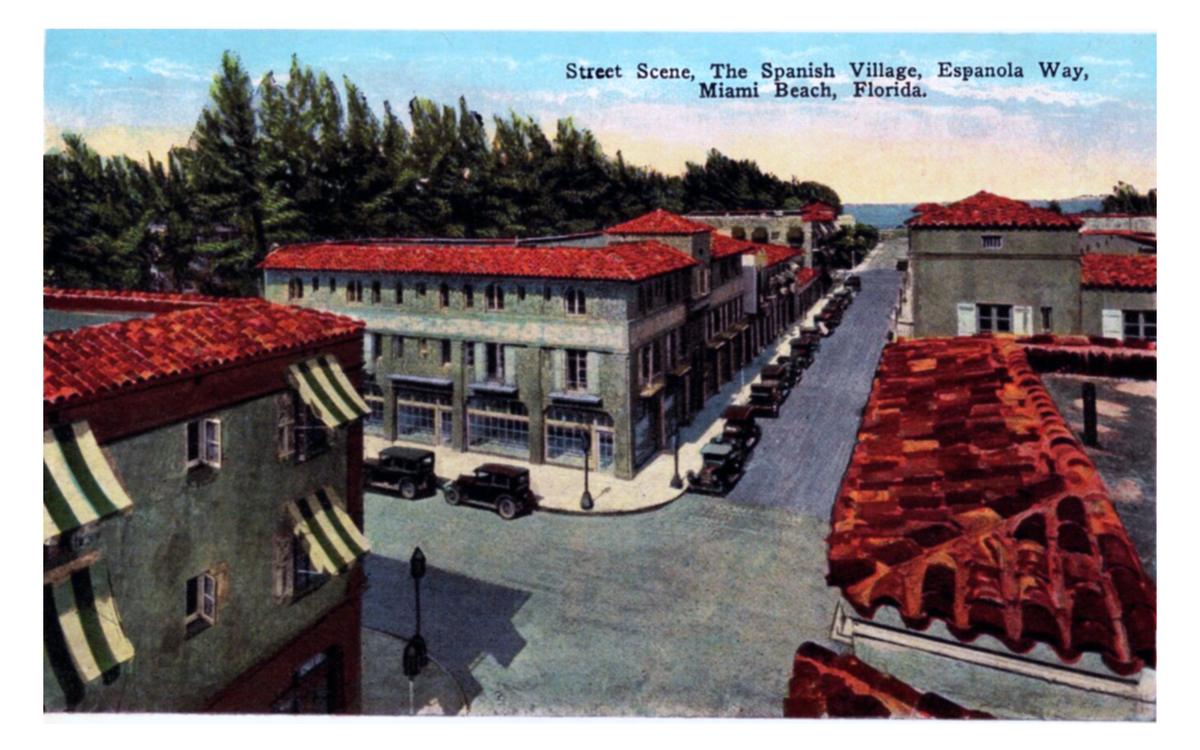
Viernes Culturales is the one event that captures both the daytime and evening character of Little Havana in a single block. During the day, the neighbourhood runs on cafecito and dominoes. At night, the same street turns toward live music and rum. Ball & Chain at 1513 SW 8th Street opened originally in 1935 and now operates as a restored bar with live Latin music. The courtyard fills early on Viernes Culturales. CubaOcho at 1465 SW 8th Street combines an art gallery, a bar, and a live music venue. Both venues serve rum based cocktails. Neither is a nightclub in the South Beach sense. The music is loud, the dance floor is small, and the crowd skews toward regulars who know each other. That is the appeal.
Evening Restaurants and Late Night Food
The evening restaurant scene is distinct from the day. The daytime ventanitas close by mid afternoon. The evening options shift toward the sit down Cuban restaurants and the Nicaraguan fritangas that serve churrasco with chimichurri. A frita Cubana, the spiced burger topped with shoestring potatoes, is a reliable late night order. The restaurant concentration on Calle Ocho includes Cuban cafeterias, Nicaraguan spots, Honduran baleada vendors, and Mexican taquerias. The grocery pattern runs through independent Latin supermarkets and bodegas, with a Sedano's Supermarket on SW 8th Street. The nearest produce market is in Allapattah. That matters if you are staying in a short term rental and plan to cook. Shop early. The bodegas close earlier than the tourist areas, and the selection narrows fast in the evening.
What Evening Visitors Should Skip
Do not expect late night clubbing in Little Havana. The nightlife pattern is casual bars and live music, with domino clubs that close before midnight. If you want a night that runs past 2 am, take a rideshare to Wynwood or Brickell. The walk from Little Havana to Wynwood is 45 to 60 minutes on foot, which is not pleasant in the humidity. Take a car, 15 to 20 minutes. To South Beach, 20 to 30 minutes by car. To downtown, 30 to 45 minutes on foot or 10 to 15 minutes by Metrorail. The Metrorail stops running before the bars close, so check the last train time if you are relying on it.
Little Havana Spanish First Businesses Miami: How the District Actually Works
The fact that many Little Havana businesses operate primarily in Spanish is not a curiosity. It is the organizing principle of the commercial district. The cigar factories on or near Calle Ocho, including El Titan de Bronze at 1071 SW 8th Street, Cuba Tobacco Cigar Co. at 1528 SW 8th Street, and Little Havana Cigar Factory at 1501 SW 8th Street, allow visitors to watch hand rolling during business hours. Hours vary. Call ahead or stop by in the late morning. The rollers speak Spanish among themselves. A polite observer is welcome. A loud observer who asks for a photo every thirty seconds will be asked to leave. The same applies to the barbershops and salons, the independent hardware stores, the auto repair shops on SW 7th Street, and the laundromats on SW 17th Avenue. These are not attractions. They are the businesses that keep the district running. Treat them as such.
The Side Streets
The Hispanic Branch Library at 1398 SW 1st Street serves as a community anchor. The Little Havana Post Office at 1401 SW 1st Street handles mail for the entire ZIP code. The Miami Senior High School at 2450 SW 1st Street has been operating since 1903. If you want to understand how the district functions day to day, walk those blocks, not just the commercial strip on Calle Ocho. The side streets hold the bungalows, the storefront churches, and the independent dental clinics. They are quiet. That quiet is the counterweight to the festival noise.
Other areas in Miami
Common Questions
How much time should I budget for Little Havana?
A focused visit that includes a ventanita stop, Domino Park, a cigar factory viewing, and a walk along the Walk of Fame takes three to four hours. If your visit coincides with Viernes Culturales, budget the full evening, roughly 6 pm to 11 pm. Do not attempt to combine Little Havana with South Beach or Wynwood in the same afternoon. The drive time and the humidity will make both halves of the day feel rushed.
Is it safe to walk around Little Havana at night?
The commercial corridor on Calle Ocho is well lit and active during Viernes Culturales and weekend evenings. Side streets quiet down significantly after dark. Stick to SW 8th Street between SW 12th and SW 17th Avenues after 9 pm. The area immediately east of I 95 and north of SR 836 has less foot traffic and fewer open businesses. Use a rideshare to return to your lodging.
Do I need to speak Spanish to enjoy Little Havana?
No, but your experience will be richer if you can order a cafecito in Spanish. Many businesses are Spanish first, and menus may not default to English. The cigar rollers and the domino players will switch to English to help you, but they appreciate the effort. Learn one or two phrases before you arrive.
What is the best way to get to Little Havana from South Beach?
A rideshare takes 20 to 30 minutes depending on traffic. The Metrorail is not a direct option. The free City of Miami trolley on the Coral Way route serves parts of Little Havana, but check the schedule because the frequency is low. Do not attempt to walk. The distance is roughly 7 miles and the pedestrian infrastructure between the two districts is poor.
Which months should I avoid visiting Little Havana?
Late August through October. That window covers peak hurricane season, oppressive humidity, and daily afternoon downpours that flood streets in 20 minutes. The dry, warm months from November through April are the best time for outdoor walking and the Viernes Culturales street fair. During June through September, the afternoon storms are predictable and heavy. Carry an umbrella everywhere.
Read next
-
 Miami Hotels, What the Price Bands Actually Get You Across the City
Miami hotel prices swing wildly by season, and a resort fee can reshape the total. Here is what each price band actually delivers across the city.
Miami Hotels, What the Price Bands Actually Get You Across the City
Miami hotel prices swing wildly by season, and a resort fee can reshape the total. Here is what each price band actually delivers across the city.
-
 Where to Stay in Miami, Choosing a District That Matches Your Trip
Every Miami district forces a trade-off between beach access, walkability, nightlife, and budget. This guide matches neighborhoods to the trip you actually want.
Where to Stay in Miami, Choosing a District That Matches Your Trip
Every Miami district forces a trade-off between beach access, walkability, nightlife, and budget. This guide matches neighborhoods to the trip you actually want.
-
 Flying Into Miami MIA vs FLL and Getting Out of the Airport
The assumption most first time visitors make is that Miami International Airport serves Miami and Fort Lauderdale Hollywood International serves Fort
Flying Into Miami MIA vs FLL and Getting Out of the Airport
The assumption most first time visitors make is that Miami International Airport serves Miami and Fort Lauderdale Hollywood International serves Fort
-
 Things to Do in Miami, Ordered by Whether It Is Worth Your Limited Time
Not every Miami attraction earns its place on a four-day itinerary. This guide ranks what to do by how much of your limited time it deserves.
Things to Do in Miami, Ordered by Whether It Is Worth Your Limited Time
Not every Miami attraction earns its place on a four-day itinerary. This guide ranks what to do by how much of your limited time it deserves.
-
 When to Visit Miami and What Each Season Does to the City
Miami's seasons reshape everything: hotel rates, beach comfort, traffic, and whether you will need an umbrella at 3pm every day. Here is the pattern.
When to Visit Miami and What Each Season Does to the City
Miami's seasons reshape everything: hotel rates, beach comfort, traffic, and whether you will need an umbrella at 3pm every day. Here is the pattern.
-
 Getting Around Miami Without Wasting Half Your Trip in Traffic
Miami's transport mix confuses visitors: free Metromover, paid Metrorail, costly parking, and causeway gridlock. Here is how to move without losing half your day.
Getting Around Miami Without Wasting Half Your Trip in Traffic
Miami's transport mix confuses visitors: free Metromover, paid Metrorail, costly parking, and causeway gridlock. Here is how to move without losing half your day.
-
 Brickell
Most visitors land in Miami and go straight to South Beach, stay there the whole time, and leave thinking the city is one long crowded strip of pastel hotels
Brickell
Most visitors land in Miami and go straight to South Beach, stay there the whole time, and leave thinking the city is one long crowded strip of pastel hotels
-
 Wynwood
The problem with most guidebook advice on Wynwood is that it sends you to one ticketed courtyard and calls it done.
Wynwood
The problem with most guidebook advice on Wynwood is that it sends you to one ticketed courtyard and calls it done.
-
 South Beach
The postcard shows a pastel dream: turquoise water, white sand, a row of candy coloured hotels against a perfect sky.
South Beach
The postcard shows a pastel dream: turquoise water, white sand, a row of candy coloured hotels against a perfect sky.