Your Miami 3 Day Itinerary Across the Causeways and Neighborhoods
How to spend two or three days in Miami with a plan that crosses the causeways and balances beach time with neighbourhoods, arts, and evenings.
A Miami Itinerary That Crosses the Causeways
Most visitors who stay on South Beach never cross the causeways. They eat on Ocean Drive, sleep in a pastel Art Deco hotel, and leave thinking Miami is a single strip of bars. It is not. Miami is a car-dependent subtropical metropolis where the glossy beach fantasy collides with a sprawling Latin American city. The geography is simple: barrier island (Miami Beach) connected by bridges to the mainland (Miami proper). You cannot walk from Wynwood to South Beach. You drive or take a rideshare. This miami 3 day itinerary solves that problem by building each day around a single bridge crossing, so you see the beach, the art, the Cuban heart, and the bay without spending your trip in traffic.
Why Four Days is the Real Minimum
The research is clear: four days allows one beach day, one cultural day, one neighbourhood-hopping day, and one evening-focused day without feeling rushed. If you arrive thinking you will do everything in two, you will spend half your time in a rideshare and the other half deciding what to skip. The four-day logic works because each day has a single geographic zone, and each zone is connected by a causeway. Cross one causeway per day and you never double back.
What those four days look like: Day 1 is South Beach and the Art Deco Historic District. Day 2 is Wynwood and the Design District. Day 3 is Little Havana and Coconut Grove or Vizcaya. Day 4 is a day trip to Everglades National Park or Key Biscayne. For two- and three-day versions, you combine or cut days, never rearrange them. The order matters because the causeway traffic flows inbound in the morning and outbound in the evening. If you stay on Miami Beach and attempt to do Wynwood at lunchtime, you sit on the MacArthur Causeway for 30 minutes. Plan your crossings outside peak hours.
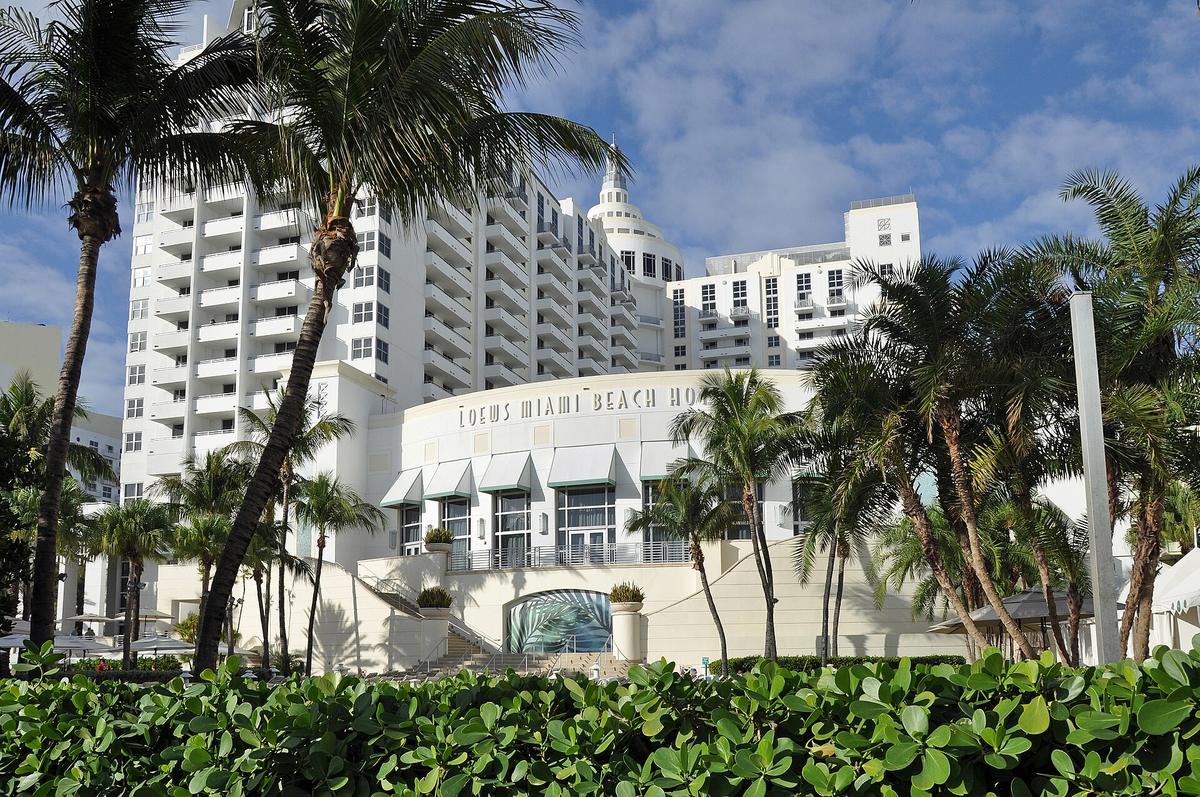

A Miami 2 Day Itinerary: When You Have One Full Day and Two Nights
Two days means you cut the neighbourhood-hopping day. You keep the beach day and the cultural day, and you lose Little Havana and the day trip. This works if your flight arrives late and leaves early, or if you are on a cruise stopping at PortMiami.
Day 1: Beach And Deco
Day 1 starts on Miami Beach. Arrive by 09:00 at South Pointe Park Pier and walk north along the beach. By 11:00 the sun is high and the sand is hot; retreat to the Art Deco Historic District on Ocean Drive for the pastel buildings and a cafecito from a ventanita. Spend the afternoon at the beach or pool. By 17:00, cross the causeway to Downtown. Take the free Metromover to the Pérez Art Museum Miami (PAMM), then dinner in Brickell. Do not attempt Wynwood on a two-day trip, it is too far from South Beach for a single evening, and the Design District adds another 1.5 km beyond that.
Day 2: Art And Little Havana
Day 2 is cultural. Start in Wynwood Walls at 09:30 (book ahead). Walk the grid of street art, then drive 5 minutes to the Design District for the Buckminster Fuller dome and luxury boutiques. By 13:00, head to Little Havana on Calle Ocho. Order a Cuban sandwich and a pastelito from a walk-up window. Spend 45 minutes at Domino Park watching the regulars play. If your flight is after 17:00, add Vizcaya Museum & Gardens, a 1910s Italian Renaissance-style villa on the bay, 10 minutes from Little Havana. Book ahead. Skip the Everglades entirely on a two-day trip. It is 75 km from Miami Beach and takes 60-75 minutes each way by car.
A Miami 3 Day Itinerary: Beach, Art, and the Cuban Heart
Three days is the most common length, and the shape is standard: Day 1 South Beach and Art Deco, Day 2 Wynwood and Design District, Day 3 Little Havana and Coconut Grove or Vizcaya. The difference from the two-day version is that you can add a neighbourhood-hopping day and keep the cultural day separate. You still cannot do the Everglades; that requires four days.
Day 1: South Beach and the Art Deco Historic District (Beach Day)
Start at South Pointe Park Pier at 08:00. The beach is 30-100 m wide here, and the water temperature ranges from 22°C in January to 30°C in August. By 10:00 the lifeguard towers are numbered, use them as pickup points for rideshare. Walk north on the sand past the crowds to 21st Street, then cut inland to Collins Avenue for the quieter Mid-Beach stretch. Avoid Ocean Drive between 11:00 and 15:00 in peak season (December to April); the sidewalk is packed and the restaurant patio noise is constant.
Lunch And The Deco District
Lunch at a ventanita on Española Way, the pedestrianised Mediterranean-revival dining street. In the afternoon, visit the Art Deco Historic District, 800+ pastel buildings concentrated around Ocean Drive and Collins Avenue. The Miami Design Preservation League runs walking tours; check their site for current schedules. By 17:00, cross back to the mainland. Dinner in Downtown or Brickell, the rooftop bars in Brickell's glassy finance district have bay views and are less tourist-dense than South Beach. Budget $50-80 for a chair-and-umbrella set on the beach if you want to sit, not just walk. Parking in South Beach costs $20-40 per day in garages; street parking requires a resident-zone permit and a mobile app.
Day 2: Wynwood and Design District (Cultural Day)
Drive from South Beach to Wynwood (9 km, 15-25 minutes by car). Park once, Wynwood and the Design District are only 1.5 km apart. Arrive at Wynwood Walls by 09:30. This is a ticketed outdoor street-art gallery; book ahead because same-day slots sell out in high season. The surrounding warehouse grid has independent galleries and mural-covered blocks. Spend 90 minutes here, then walk or drive the 1.5 km to the Design District.
Design District And Rubell
The Design District is ultra-luxury fashion boutiques and gallery showrooms with public art installations. The Buckminster Fuller geodesic dome is the landmark. You can visit the de la Cruz Collection contemporary art space (free, check hours). Lunch in the Design District is expensive, budget $40-60 per person for a sit-down meal, or $15 for a pastry at a cafe. By 15:00, drive to the Rubell Museum in Allapattah (10 minutes south). This is a private contemporary art collection in a former warehouse. Book ahead. Skip the Rubell Museum if you are short on time, its location in Allapattah has limited tourist infrastructure and no nearby dining.
Day 3: Little Havana and Vizcaya or Coconut Grove (Neighbourhood-Hopping Day)
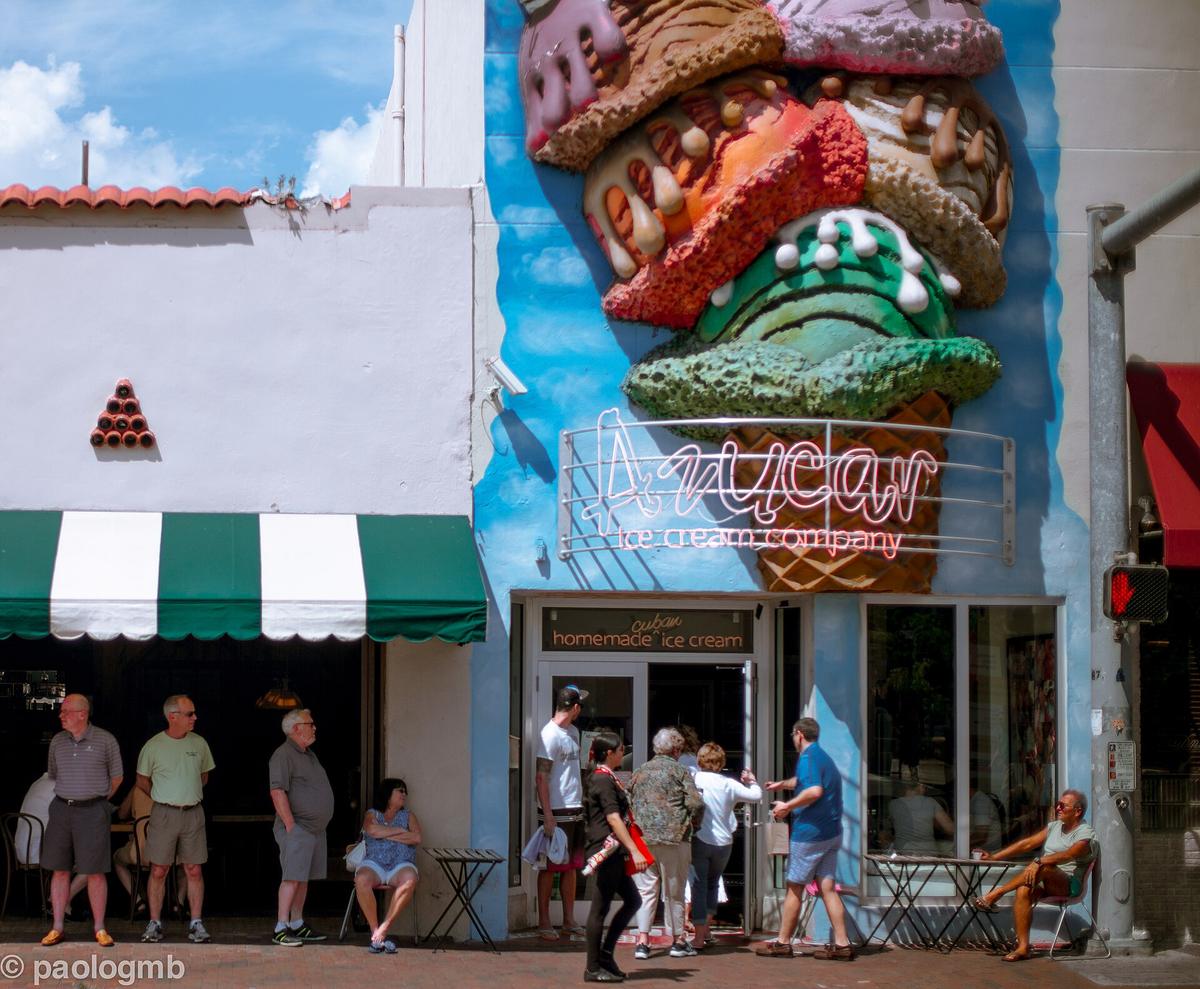
Drive from South Beach to Little Havana (5 km from Downtown, 15 minutes from South Beach across the causeway). Calle Ocho (SW 8th Street) is the main street. Start at Domino Park (Maximo Gomez Park) on Calle Ocho and 15th Avenue. The regulars play dominos from mid-morning. Walk east on Calle Ocho to the Little Havana Walk of Fame, stars embedded in the sidewalk honouring Latin celebrities. Stop at any ventanita for a cafecito and a pastelito. Many businesses in Little Havana are Spanish-first; menus and service may not default to English. That is normal.
Coconut Grove And Vizcaya
By 12:00, drive 4 km south to Coconut Grove, a leafy, bohemian-wealthy neighbourhood with a marina. Lunch at a waterfront spot, then visit Vizcaya Museum & Gardens 2 km east. Vizcaya is a 1910s Italian Renaissance-style villa on Biscayne Bay with formal gardens. Book ahead; same-day tickets sell out. Allow 90 minutes. By 16:00, drive to the Phillip and Patricia Frost Museum of Science in Downtown (10 minutes north) if you have energy, or return to South Beach. This day combines cultural visiting with neighbourhood walking. Do not attempt to add the Design District or Wynwood, you have already crossed the causeway twice today.
| Days | Which Days You Keep | Which Days You Cut | What You Cannot Do |
|---|---|---|---|
| 2 | Beach day (Day 1), Cultural day (Day 2) | Neighbourhood-hopping day (Day 3), Day trip (Day 4) | Little Havana, Vizcaya, Coconut Grove, Everglades, Key Biscayne |
| 3 | Beach day (Day 1), Cultural day (Day 2), Neighbourhood-hopping day (Day 3) | Day trip (Day 4) | Everglades, Key Biscayne |
| 4 | All four days | None | Nothing; add a fifth day for Downtown museums |

How Many Days in Miami Minimum
Four days is the honest answer. Two days is enough to see South Beach and one cultural district, but you will leave without understanding why Miami is a Latin American metropolis. Three days adds a neighbourhood-hopping day and gives you Little Havana, which is essential. Four days adds a day trip to the Everglades or Key Biscayne, which shows you the subtropical landscape beyond the city. If you have only two days, accept that you are seeing a highlight reel. If you have three, you see the shape of the city. If you have four, you have time to slow down.
A Miami Itinerary Without a Car
You can do a Miami itinerary without a car, but you need a rideshare budget and you cannot stay on South Beach for all three days. The public transit system is Miami-Dade Transit: Metrorail (two lines, 40 km total), Metrobus, and the free Metromover in Downtown. The Metromover has three loops and is free. The Metrorail is not, tourists often confuse the two and ride the Metrorail without tapping a card, then receive a fine. Use a contactless payment system; buy a reloadable card at any Metrorail station.
Getting Around Without A Car
The single biggest friction: South Beach to Wynwood by bus takes 35-50 minutes; by rideshare it is 15-25 minutes and costs $15-25. For a three-day trip, budget $60-100 in rideshare costs if you are not renting a car. The Miami Beach Trolley is free and runs along Collins Avenue, but it does not cross the causeway. If you stay in Downtown or Brickell, you can reach Little Havana via Metrorail in 10 minutes from Government Center station, and Coconut Grove in 15 minutes. Key Biscayne requires a car or a $30-40 rideshare each way. The Everglades (Shark Valley entrance) is 60-75 minutes by car from Miami Beach, do not attempt it without a rental car on a short trip.
Miami Itinerary Beach and Culture: How to Combine Both
This is the central question of any short trip: how to see the Art Deco pastels, the street art, and the Cuban ventanitas without treating the beach as an afterthought. The answer is the four-day logic applied to three days: give the beach its own morning. Day 1 is beach and South Beach. Day 2 is culture (Wynwood and Design District). Day 3 is neighbourhoods (Little Havana and Vizcaya). The beach day is not a half-day, it is a full morning and early afternoon. You do not add PAMM or Vizcaya to the same day as the beach, because the causeway crossing wastes your lunch window.
The failure case: you arrive at 10:00, go straight to Wynwood, then rush to South Beach at 16:00 because you want to see both. You spend 25 minutes in traffic each way, you park twice, and you leave Miami having seen two neighbourhoods poorly. Instead, commit to the beach for one morning. Read a book. Walk the sand. Eat a stone crab claw at Joe's Stone Crab (in season October 15 to May 1). Then cross the causeway the next day and never look back.
What to Skip on a Short Trip
Brickell is primarily a financial district with rooftop bars, skip it for anything beyond dinner. Coral Gables is residential and spread out; skip it unless you have a fourth day. The Everglades requires a full day and a car; skip it on any trip shorter than four days. Key Biscayne is a 30-45 minute drive from Miami Beach and has a lighthouse and calm beaches, but it is a day trip, not a neighbourhood you visit for two hours. Skip Bal Harbour, it is a luxury mall 12 km from South Beach and adds another causeway crossing. Skip any neighbourhood listed in the omitted list: Doral, Hialeah, Kendall, Homestead, and all the residential islands. They have limited tourist infrastructure and will eat your time.
The Single Thing That Most Often Goes Wrong
The most common failure on a short Miami trip is staying on South Beach and attempting to do Wynwood and Little Havana on the same day. The distance between South Beach and Wynwood is 9 km, and between Wynwood and Little Havana is another 5 km. In traffic, that is a 45-minute loop across two causeways. You arrive at each place tired, you park twice, and you miss the point of each neighbourhood because you are watching the clock. The solution is simple: cross one causeway per day. Commit to a zone. Let the other zone wait until tomorrow. Miami will still be there.
Frequently Asked Questions
When is the best time to visit Miami for a short trip?
December through April is peak season. The weather is dry and warm, with average highs from 24°C in January to 28°C in April. Events like Art Basel in December and the South Beach Wine & Food Festival in February add energy but raise hotel prices. Avoid late August through October, peak hurricane season, oppressive humidity, and daily afternoon downpours. Also avoid Memorial Day Weekend on South Beach due to Urban Beach Week crowds and gridlock.
Do I need a car for a three-day Miami itinerary?
You can manage without one if you stay in South Beach and budget $60-100 for rideshare. You need a car or rideshare for the Everglades and Key Biscayne. The free Miami Beach Trolley covers Collins Avenue. The Metrorail connects Downtown, Brickell, Little Havana, and Coconut Grove, but does not reach Wynwood or the Design District. Rideshare is the dominant mode for crossing causeways.
Which neighbourhood should I stay in for a three-day trip?
South Beach if you want beach access and Art Deco architecture. Downtown or Brickell if you want easier access to Wynwood, Little Havana, and the Design District. Staying on South Beach means you cross a causeway every day to reach the mainland. Staying on the mainland means you cross to South Beach only once for the beach day.
Is Miami safe for tourists?
Miami Beach and the tourist districts are generally safe during the day and evening. South Beach has a visible police presence. The common tourist safety issues are petty theft from unlocked cars and overcharging at restaurants. Check your bill for an 18-20% service charge already included before tipping extra. Beach access is public, but hotel chair and umbrella rentals cost $50-80 per day for two loungers.
How do I get from Miami International Airport to my hotel?
Take the Metrorail Orange Line to Downtown or Brickell. The trip is about 25 minutes and costs $2.25. A taxi or rideshare to South Beach takes 25-45 minutes and costs $35-50. From Fort Lauderdale-Hollywood Airport, there is no direct rail; take Tri-Rail to the Miami Airport Station, or a rideshare for 45-60 minutes at $50-70.
What is the most common mistake tourists make in Miami?
Staying only on South Beach and never crossing the causeways. This turns a complex, multi-layered city into an overpriced strip of bars and souvenir shops. The second most common mistake is attempting to visit Wynwood and South Beach in the same afternoon without accounting for 15-25 minutes of traffic each way.
Can I visit the Everglades on a three-day trip?
Not realistically. The Shark Valley entrance is 75 km from Miami Beach and takes 60-75 minutes each way by car. The tram or bike loop takes two to three hours. That is four to five hours of driving and visiting, which leaves no time for anything else that day. The Everglades requires a fourth day.
Read next
-

 Miami Hotels, What the Price Bands Actually Get You Across the City
Miami hotel prices swing wildly by season, and a resort fee can reshape the total. Here is what each price band actually delivers across the city.
Miami Hotels, What the Price Bands Actually Get You Across the City
Miami hotel prices swing wildly by season, and a resort fee can reshape the total. Here is what each price band actually delivers across the city.
-
 Where to Stay in Miami, Choosing a District That Matches Your Trip
Every Miami district forces a trade-off between beach access, walkability, nightlife, and budget. This guide matches neighborhoods to the trip you actually want.
Where to Stay in Miami, Choosing a District That Matches Your Trip
Every Miami district forces a trade-off between beach access, walkability, nightlife, and budget. This guide matches neighborhoods to the trip you actually want.
-
 Flying Into Miami MIA vs FLL and Getting Out of the Airport
The assumption most first time visitors make is that Miami International Airport serves Miami and Fort Lauderdale Hollywood International serves Fort
Flying Into Miami MIA vs FLL and Getting Out of the Airport
The assumption most first time visitors make is that Miami International Airport serves Miami and Fort Lauderdale Hollywood International serves Fort
-
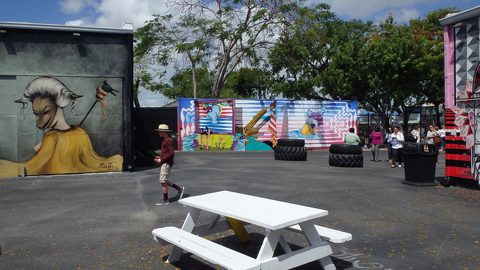 Things to Do in Miami, Ordered by Whether It Is Worth Your Limited Time
Not every Miami attraction earns its place on a four-day itinerary. This guide ranks what to do by how much of your limited time it deserves.
Things to Do in Miami, Ordered by Whether It Is Worth Your Limited Time
Not every Miami attraction earns its place on a four-day itinerary. This guide ranks what to do by how much of your limited time it deserves.
-
 When to Visit Miami and What Each Season Does to the City
Miami's seasons reshape everything: hotel rates, beach comfort, traffic, and whether you will need an umbrella at 3pm every day. Here is the pattern.
When to Visit Miami and What Each Season Does to the City
Miami's seasons reshape everything: hotel rates, beach comfort, traffic, and whether you will need an umbrella at 3pm every day. Here is the pattern.
-
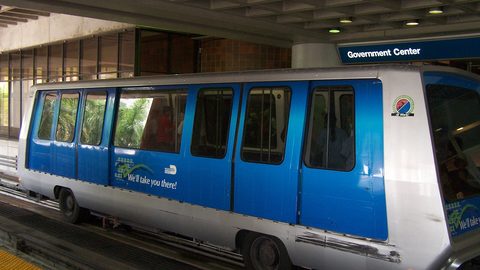 Getting Around Miami Without Wasting Half Your Trip in Traffic
Miami's transport mix confuses visitors: free Metromover, paid Metrorail, costly parking, and causeway gridlock. Here is how to move without losing half your day.
Getting Around Miami Without Wasting Half Your Trip in Traffic
Miami's transport mix confuses visitors: free Metromover, paid Metrorail, costly parking, and causeway gridlock. Here is how to move without losing half your day.
-
 United States Travel Guide for First-Timers Who Want the Real Picture
The United States delivers extraordinary geographic and cultural variety, but its sheer scale, car dependency, and tipping economy surprise first-timers. Start here.
United States Travel Guide for First-Timers Who Want the Real Picture
The United States delivers extraordinary geographic and cultural variety, but its sheer scale, car dependency, and tipping economy surprise first-timers. Start here.
-
 Staying Connected While Traveling Through the United States
Prepaid eSIMs work well in US cities, but a physical T-Mobile or AT&T SIM bought at arrival gives better rural coverage for national parks and long highway drives.
Staying Connected While Traveling Through the United States
Prepaid eSIMs work well in US cities, but a physical T-Mobile or AT&T SIM bought at arrival gives better rural coverage for national parks and long highway drives.
-
 Best Time to Visit the United States by Region and Season
The United States spans so many climates that no single season works everywhere. Here is what each region delivers, and when to stay away.
Best Time to Visit the United States by Region and Season
The United States spans so many climates that no single season works everywhere. Here is what each region delivers, and when to stay away.