South Beach Miami What to Expect From the Deco Strip and the Sand
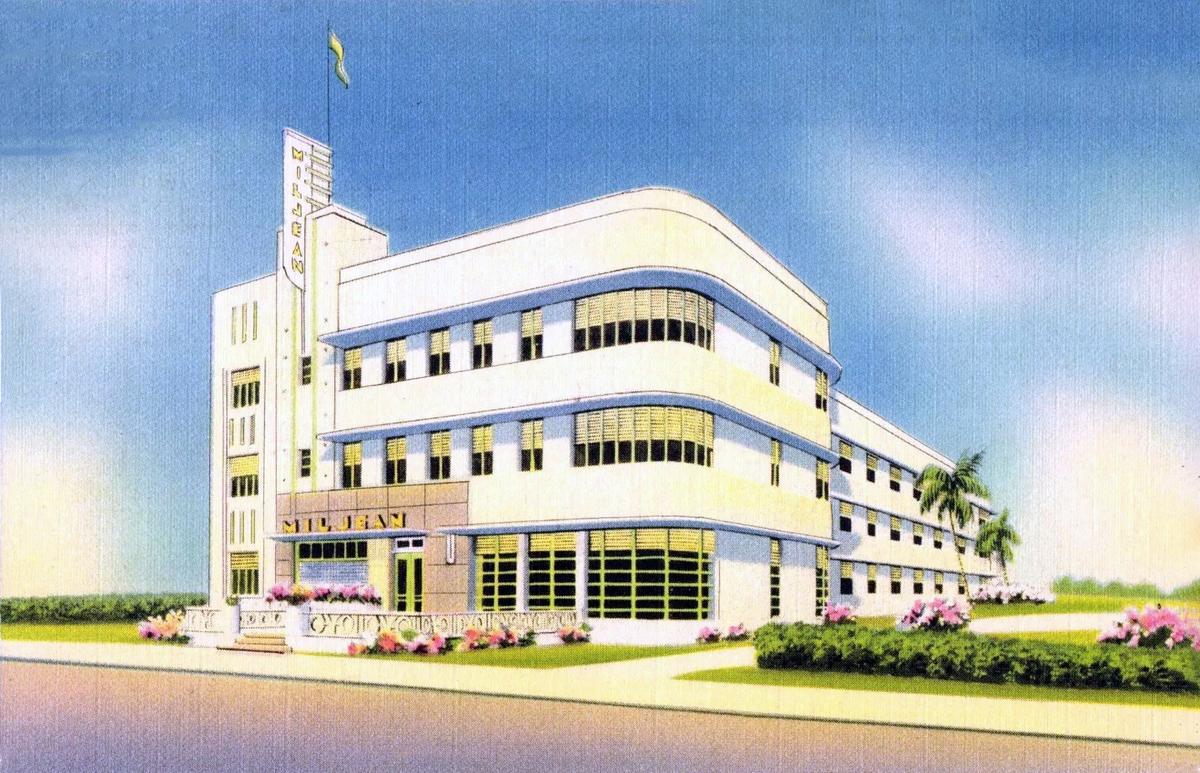
The postcard shows a pastel dream: turquoise water, white sand, a row of candy coloured hotels against a perfect sky.
- Flag
-

- ISO code
- US
- Timezone
- America/New_York
South Beach: the Art Deco Strip, the Sand, and the Crowds
The postcard shows a pastel dream: turquoise water, white sand, a row of candy coloured hotels against a perfect sky. The reality is that postcard dropped into a high density tourist engine where the fantasy of a beach holiday meets the friction of parking, crowds, and some of the most expensive lounge chair real estate in Florida. Your south beach miami what to expect reality check begins with accepting that this is a walkable barrier island connected to the mainland by two causeways, but walkable only inside the district itself. You still need a rideshare or a rental car to reach the city across the bay, and that car will cost you more than the ride to get here. The sand is the real draw. Navigating it, parking it, and paying for it requires planning that most visitors skip.
South Beach Art Deco Historic District: the Pastel Stage Set
Seeing the Architecture Before the Crowds
The Art Deco Historic District is not a museum. It is an 800 building collection of 1920s and 1930s architecture that functions as the backdrop for a sidewalk cafe and nightlife economy. The concentration of Art Deco structures is the largest in the world, and the district runs roughly from 6th Street to 23rd Street along Ocean Drive, Collins Avenue, and Washington Avenue. See it on foot at sunrise, before the crowds arrive and the light hits the pastel facades directly. By 10:00 a.m. the pedestrian density on Ocean Drive turns the experience into a slow moving crowd. The Miami Design Preservation League runs walking tours. Book a morning slot to get architectural context without baking.
Where to Eat Instead of Ocean Drive
Ocean Drive is the strip everyone photographs and the one most locals avoid. The sidewalk cafes look appealing, but the food quality is average, the service charge (18 to 20 percent) is already on the bill, and the prices reflect beachfront rent, not ingredient cost. Skip eating here. Walk one block west to Collins Avenue or two blocks to Washington Avenue for the same genre of food at a lower price and a quieter table. The restaurants on Collins Avenue north of 15th Street shift toward resort hotel dining and are more reliable.

Ocean Drive Miami Experience: What it Actually Feels Like
The Ocean Drive experience is loud, slow, and visually overwhelming. Vehicles crawl. Pedestrians spill off the sidewalk into the bike lane. Music from bars and passing cars competes at every corner. The restored Art Deco hotels like the Colony, the Leslie, and the Carlyle are photogenic from the outside, but the rooms inside can be tiny and noisy. If you want to stay on Ocean Drive for the view, book a courtyard room that faces away from the street and budget for earplugs.
The direct beach access from Ocean Drive means you can cross Lummus Park and hit the sand in about two minutes. Lummus Park itself is a linear green space that runs parallel to the beach with palm lined paths, volleyball courts, and outdoor gym equipment. Walk, jog, or sit on a bench here away from the sand. The beach side of Ocean Drive has public restrooms at Lummus Park, though hours vary seasonally.
South Beach Parking Garage Cost: Budget for a Predator
The Real Cost of Leaving Your Car
Parking in South Beach is not expensive. It is predatory. Municipal garages on Collins Avenue, Washington Avenue, and near Lincoln Road charge between $20 and $40 per day depending on the season and demand. Street parking requires a mobile app, a resident zone decoder ring, and constant attention to signs. The City of Miami Beach publishes current garage rates and app requirements on its official site. Check that before you arrive. Enforcement is aggressive and the fines are high.
Leave the Car and Use the Trolley
If you are staying on the barrier island, the easiest solution is to pay for hotel parking and leave the car there. Use the free Miami Beach Trolley on one of its four routes, or use Citi Bike for short trips. If you need a car for a day trip into mainland Miami, factor garage cost into the budget and assume $30 minimum for a standard day. Avoid moving the car mid day just to find a cheaper spot. The time and frustration cost more than the small difference.
Miami Beach Chair Umbrella Rental Policy: the Beach Tax
The Rental Zone Reality
Beach access in South Beach is public. The sand belongs to everyone. The chair and umbrella rentals on that sand are private, and they cost. A set of two loungers and one umbrella runs between $50 and $80 per day depending on the operator and the proximity to the water. The rental companies operate under concession from the City of Miami Beach, and the current rates are published by the city. You cannot bring your own umbrella and set up in the rental zone without being asked to move. The rental zones occupy the prime real estate directly in front of the main beach entrances.
Free Sand Is Legal Sand
If you want free seating, walk to the left or right of the rental clusters. The beach is roughly 90 meters wide near South Pointe Park and narrower further north. Spread a towel in the unrented sand and you are legal. The numbered lifeguard towers spaced roughly every 200 meters along the beach are the essential geography for meeting rideshares. Tell your driver the tower number nearest your spot. It works every time. No app joke, no circling block, no confused phone call.
South Pointe Park Pier Miami: the Quiet Escape
South Pointe Park sits at the southern tip of the barrier island and offers a completely different experience from the Ocean Drive strip. The park has a pier that extends into Government Cut, walking trails, and views of cargo ships entering the port. The beach here is quieter, wider, and less dense with rental chairs. The crowd shifts from Insta groups to families and couples reading paperbacks. It is a 20 minute walk from the Ocean Drive action, or a 5 minute rideshare. Worth the effort.
South of Fifth is the neighbourhood surrounding the park. It is a quieter, more residential enclave with high end condos, a few casual restaurants, and the sunset spectacle at the pier. Sunset is the busiest moment, so arrive 30 minutes early to stake a spot on the grass. South Pointe Park also has public restrooms and beach wheelchair availability through Miami Beach Ocean Rescue. Request a manual chair on site; availability is limited.
The Lifeguard Tower System As Navigation
The numbered lifeguard towers are staffed seasonally and function as the single most reliable reference point on the beach. Use tower numbers for any pickup. Uber, Lyft, taxi, friend with a car, all of them need a tower number. The towers are spaced roughly 200 meters apart and are visible from the beachwalk. This system eliminates the confusion of describing which hotel you are in front of when you are on the sand with wet feet and dying phone battery.

What to Skip and Where to Go Instead
Escape North When the Crowds Grate
If the Ocean Drive crowd overwhelms you, walk north into Mid-Beach, from 23rd to 63rd Streets. Mid-Beach has fewer pedestrians, larger hotel pools, and a quieter beach scene. The Collins Avenue corridor there has mid century motels that are more affordable than the Art Deco resorts. Further north, North Beach from 63rd to 87th Streets feels like a different city: local, low rise, no frills, and genuinely relaxed. It is not walkable to South Beach amenities, so you need wheels. Go there when the density of South Beach grates.
Plan Around the Big Events
The major annual events in South Beach dictate crowd levels entirely. Art Basel Miami Beach in early December brings an art and luxury crowd that fills every hotel. The South Beach Wine and Food Festival in late February sets up beachside tents and blocks access to parts of the sand. Miami Swim Week in July is fashion trade shows and industry crowd. Spring break from March through April can make the beach feel like a festival ground. If you want a quieter window, target May after the spring break surge ends, or November before Art Basel arrives. Avoid late August through October entirely for hurricane season, where oppressive humidity and daily downpours make the beach a short morning activity at best.
The Crowd Density Reality: Who This Suits and Who Should Skip it
South Beach suits nightlife and high end dining enthusiasts, beach and pool holidaymakers who want urban energy, art and design lovers during Art Basel season, LGBTQ+ travellers, and luxury shoppers. It suits anyone who wants to step out of a hotel onto a sidewalk cafe and into a scene that feels like a movie set. The district is walkable, the weather is warm year round, and the beach is wide and maintained.
It does not suit budget backpackers seeking walkable historic centres. It does not suit travellers who dislike loud music, conspicuous wealth, or the need to drive everywhere. It does not suit anyone expecting a quiet, low key beach town. South Beach is a high density tourist destination that demands patience with crowds, money for parking and rentals, and a tolerance for the friction of a place that is more performance than escape. If that sounds exhausting, go to North Beach, go to Key Biscayne, or cross the causeway and explore the layered Latin American metropolis across the bay. But do not stay only on South Beach and complain that it is loud, expensive, and crowded. That is exactly what it is designed to be.
Other areas in Miami
Common Questions
Is South Beach safe for tourists during the day and at night?
South Beach is a dense tourist zone with the usual risks of pickpocketing and petty theft. The area west of Washington Avenue above 20th Street is quieter and residential. At night, stick to well lit streets. Ocean Drive is busy until late. South Pointe Park is well maintained and patrolled. The biggest risk is dehydration and sunburn, not crime. The high ambient noise on Ocean Drive and lower Collins drowns out most street problems before they develop.
Do I need to rent a car for South Beach, or can I rely on the trolley?
You do not need a car if you stay on the barrier island and never cross the causeways. The free Miami Beach Trolley runs four routes within the district, and Citi Bike stations are widespread. If you plan day trips to the Everglades, Key Biscayne, Wynwood, or Little Havana, you need a rental car or a willingness to spend $30 each way on rideshares. The Metrorail does not reach the beach. The Metromover is in downtown Miami only.
How much does it cost to rent a chair and umbrella on South Beach?
A set of two loungers and one umbrella costs between $50 and $80 per day, depending on the operator and season. The City of Miami Beach regulates the concession and publishes current rates. The rental zones occupy the main beach entrances. You can sit on the sand for free if you bring your own towel and walk away from the rented sections.
Where is the quietest part of South Beach for a calm beach day?
South Pointe Park at the southern tip is the quietest section of South Beach. The beach is wider, the rental density is lower, and the crowd is more local. Alternatively, walk north past 23rd Street into Mid-Beach for fewer pedestrians and larger hotel pools. North Beach above 63rd Street is the most relaxed option on the barrier island.
Can I walk from South Beach to downtown Miami?
No. South Beach is on a barrier island between the Atlantic Ocean and Biscayne Bay. The mainland is across the bay. You can walk across the Venetian Causeway, a distance of roughly 8 kilometers, but that is a long pedestrian stretch with limited shade and no sidewalk for parts. The practical connection is rideshare, taxi, or express bus. The MacArthur Causeway bridge carries traffic and is not pedestrian friendly.
Read next
-
 Miami Hotels, What the Price Bands Actually Get You Across the City
Miami hotel prices swing wildly by season, and a resort fee can reshape the total. Here is what each price band actually delivers across the city.
Miami Hotels, What the Price Bands Actually Get You Across the City
Miami hotel prices swing wildly by season, and a resort fee can reshape the total. Here is what each price band actually delivers across the city.
-
 Where to Stay in Miami, Choosing a District That Matches Your Trip
Every Miami district forces a trade-off between beach access, walkability, nightlife, and budget. This guide matches neighborhoods to the trip you actually want.
Where to Stay in Miami, Choosing a District That Matches Your Trip
Every Miami district forces a trade-off between beach access, walkability, nightlife, and budget. This guide matches neighborhoods to the trip you actually want.
-
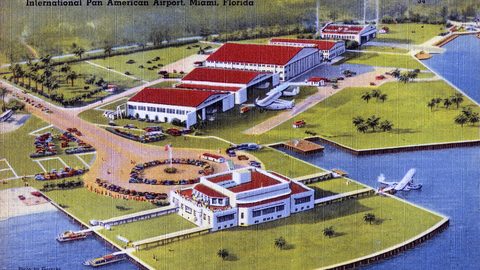 Flying Into Miami MIA vs FLL and Getting Out of the Airport
The assumption most first time visitors make is that Miami International Airport serves Miami and Fort Lauderdale Hollywood International serves Fort
Flying Into Miami MIA vs FLL and Getting Out of the Airport
The assumption most first time visitors make is that Miami International Airport serves Miami and Fort Lauderdale Hollywood International serves Fort
-
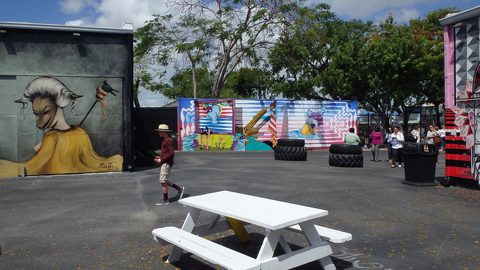 Things to Do in Miami, Ordered by Whether It Is Worth Your Limited Time
Not every Miami attraction earns its place on a four-day itinerary. This guide ranks what to do by how much of your limited time it deserves.
Things to Do in Miami, Ordered by Whether It Is Worth Your Limited Time
Not every Miami attraction earns its place on a four-day itinerary. This guide ranks what to do by how much of your limited time it deserves.
-
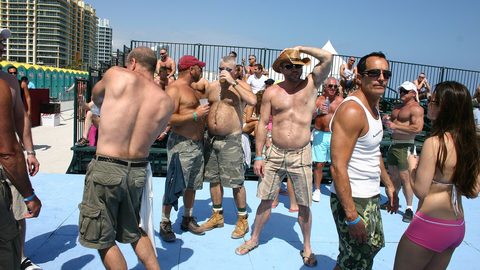 When to Visit Miami and What Each Season Does to the City
Miami's seasons reshape everything: hotel rates, beach comfort, traffic, and whether you will need an umbrella at 3pm every day. Here is the pattern.
When to Visit Miami and What Each Season Does to the City
Miami's seasons reshape everything: hotel rates, beach comfort, traffic, and whether you will need an umbrella at 3pm every day. Here is the pattern.
-
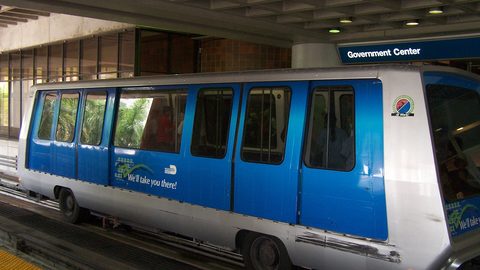 Getting Around Miami Without Wasting Half Your Trip in Traffic
Miami's transport mix confuses visitors: free Metromover, paid Metrorail, costly parking, and causeway gridlock. Here is how to move without losing half your day.
Getting Around Miami Without Wasting Half Your Trip in Traffic
Miami's transport mix confuses visitors: free Metromover, paid Metrorail, costly parking, and causeway gridlock. Here is how to move without losing half your day.
-
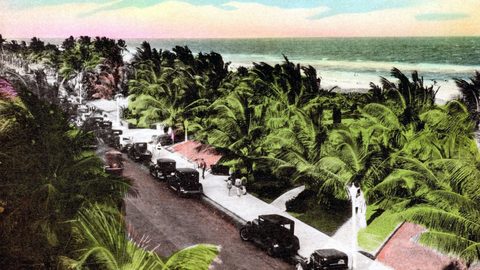 Brickell
Most visitors land in Miami and go straight to South Beach, stay there the whole time, and leave thinking the city is one long crowded strip of pastel hotels
Brickell
Most visitors land in Miami and go straight to South Beach, stay there the whole time, and leave thinking the city is one long crowded strip of pastel hotels
-
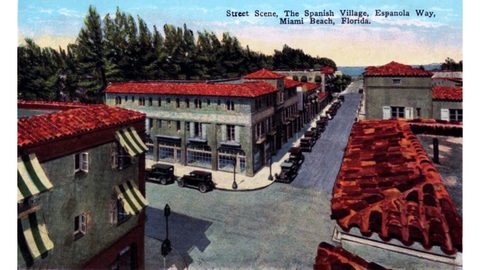 Little Havana
Most visitors to Miami land at MIA, get in a rideshare, and go straight to South Beach.
Little Havana
Most visitors to Miami land at MIA, get in a rideshare, and go straight to South Beach.
-
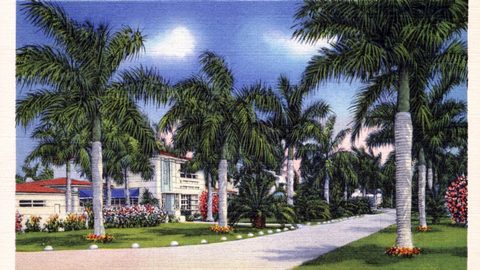 Wynwood
The problem with most guidebook advice on Wynwood is that it sends you to one ticketed courtyard and calls it done.
Wynwood
The problem with most guidebook advice on Wynwood is that it sends you to one ticketed courtyard and calls it done.