Miami Hurricane Season Travel Advice for a Trip That Still Works
Miami hurricane season is less about the storm and more about the daily pattern: sudden afternoon downpours, street flooding, and humidity that changes what

Planning a Miami Visit When Hurricane Season is Active
The single most useful fact about travelling to Miami between June 1 and November 30 is this: the afternoon thunderstorms are a daily certainty, not a stormy possibility. Advice that does not start with that pattern will leave you standing in ankle-deep water on Collins Avenue, wearing jeans that will not dry for the rest of the trip. The rain arrives like a schedule. Expect it between 14:00 and 17:00, hard enough to flood streets inside twenty minutes, and gone before dinner. The humidity that stays reshapes your plans more than the small chance of a named system.
Miami in this window is not the glossy beach fantasy of December. The air feels thick enough to swim in. A 15-minute walk from a rooftop bar to a restaurant leaves you drenched. The car you need to cross between Brickell and Wynwood becomes a refuge when the sky opens. The city depends on ride-share or a hire car, because its bus system and the free Metromover, which tourists routinely confuse with the paid Metrorail and rack up fines, do not cover the distances between Little Havana and the Design District well. You can see the city without a rental car, but you cannot see it without an umbrella.
Plan around the daily rhythm of rain, the street flooding that strands ride-shares, the humidity that forces indoor afternoons, and the specific choices that separate a trip that works from one that does not. A named storm is a different situation. What follows is what happens every afternoon, not what happens once a decade.
Miami August September Weather Pattern
Miami August September weather pattern runs from a morning that is already 84°F with 75% humidity to an afternoon that hits 91°F before the clouds roll in. The National Weather Service office in Miami-South Florida issues a daily thunderstorm outlook, and it is usually right. The rain starts fast, around 14:00, and drops between one and three inches per hour in bursts. Water pools on low-lying Alton Road and Biscayne Boulevard within minutes. By 17:00, the sun is back, the pavement steams, and the evening is clear.
Do not wait for a better week. The pattern holds from late June into late October, with September the wettest month by rainfall total. The peak activity period of the Atlantic hurricane season, mid-August into late October, does not change the daily thunderstorm habit. It adds the possibility of a system that organises and strengthens over warm water.
Miami Afternoon Thunderstorms Summer
Build The Day Around The Rain
Miami afternoon thunderstorms in summer are not a reason to cancel a trip. They are a reason to build your day around them. Beach and pool time belongs in the morning. Be on the sand by 09:00, off by 13:00. By 14:00, the sky is dark, the wind picks up, and a wall of rain moves across Biscayne Bay. The chair and umbrella rentals on South Beach are not refundable for rain. A set of two loungers and an umbrella runs in the range set by the beach concessionaires, so renting for the full day when you will use only the morning is a direct loss. Rent by the hour if the vendor allows it, or bring your own towel and sit on the sand near a South Pointe Park pier for free.
The downpour clears the streets. Outdoor dining on Ocean Drive becomes a sprint indoors. The lifeguard towers have numbered addresses on Miami Beach. Use those as your ride-share pickup point, not the name of a cross street that may be under water. A 20-minute downpour can strand a ride-share on a flooded block long enough that the driver cancels. If you are in a low area like Brickell or Edgewater, wait inside for the rain to pass before ordering the car.
What Happens If a Hurricane Hits Miami Trip
Read The Warnings And Act Fast
What happens if a hurricane hits Miami depends entirely on the advance warning time. The National Hurricane Center issues a hurricane watch, conditions possible within 48 hours, and a hurricane warning, conditions expected within 36 hours. That gives you two full days to act. A tropical cyclone alert lead time ranges from 48 to 120 hours before tropical-storm-force winds arrive. You are not caught by surprise.
The first thing to do is check your hotel cancellation policy during a named storm. This varies by property and booking terms. There is no automatic refund even during a mandatory evacuation. If you booked on an online platform, the policy is set by the individual property, not the platform. Vacation rental cancellation during a hurricane is governed by the owner or platform policy per listing. Travel insurance purchased before the storm was named may cover trip interruption for hurricanes. The named-storm deductible trigger, a state insurance regulation, applies to property, not travel, so check your policy's definition of a covered event.
Evacuation Zones And Shelters
If an evacuation order is issued by the Miami-Dade County Mayor, authority communicated through Miami-Dade Alerts and local broadcast media, you must leave the evacuation zone. Miami-Dade County evacuation zones range from A through E, with A being the most exposed. Look up your zone via the Miami-Dade County Office of Emergency Management. Shelters open when an evacuation order is issued or after impact. Pet-friendly shelter availability is limited and requires pre-registration. Miami-Dade Transit provides evacuation assistance on declared routes and runs special needs shelter registration through the pre-storm registry.
Airline rebooking waivers are triggered when the carrier issues a travel alert for Miami, and each airline varies. Hotels near Miami International Airport fill before landfall. If you decide to stay in the area, book a room inland where flood risk is low to moderate, areas like Doral, Kendall, or Westchester. Do not wait until the warning is issued to act on your flight or hotel.
Miami Rainy Season vs Dry Season
Miami rainy season versus dry season is the single biggest factor in whether you enjoy the trip for its outdoor plans or endure it from air-conditioned lobbies. The dry season runs from December into April, with low humidity, clear skies, and daytime highs in the upper 70s to low 80s. This is the peak season. Art Basel in December and the South Beach Wine & Food Festival in February draw crowds. Hotel rates are at their highest. South Beach sidewalks are packed past midnight.
The rainy season, the entire hurricane window, runs June into November. The humidity index is higher, the afternoon storms are guaranteed, and the evening mosquito-borne illness risk is elevated 2 to 4 weeks after flooding events. The trade-off is lower accommodation prices, fewer crowds at the Pérez Art Museum Miami and the Rubell Museum, and a version of Miami that feels like a working subtropical city rather than a tourist village. If your trip is built around daytime pool lounging and evening al fresco dining on Española Way, book the dry season. If you want museum interiors, happy-hour rooftop bars in the Brickell glass towers, and a discount on the hotel, the rainy season is fine, as long as you respect the 14:00 rain.
What a Hurricane Season Trip Actually Costs and Takes
Structure The Days
A minimum 4-day trip during hurricane season allows one beach morning, a cultural day at Vizcaya Museum & Gardens (book ahead) and the nearby Fairchild Tropical Botanic Garden, one neighbourhood-hopping day across Wynwood Walls (ticketed, book ahead) and the Miami Design District, and one evening-focused day hitting Little Havana for a cafecito from a ventanita and the Domino Park tables on Calle Ocho. That is enough time to see the city without rushing between the causeways.
Arriving And Moving Around
Getting to Miami: Miami International Airport is the main arrival point. The Metrorail Orange Line runs from the airport to downtown and Brickell in about 25 minutes for $2.25. A ride-share to South Beach takes 25 to 45 minutes and costs $35 to $50. Fort Lauderdale-Hollywood airport is an alternative, but the trip involves a shuttle to the Tri-Rail station, then the train, or a ride-share at $50 to $70 for 45 to 60 minutes. If you fly into Fort Lauderdale expecting lower fares, factor the ground transport cost and time into your decision.
Getting around: ride-share or a rental car is the dominant mode because Miami is a car-dependent city where public transit does not connect South Beach, Wynwood, Little Havana, and Coral Gables efficiently. The Metromover in downtown is free. The Metrorail is not. Tourists confuse the two and incur fines. The single biggest trip-up is parking on South Beach. Garages cost $20 to $40 per day, and street parking requires a residents-only app. Budget for ride-share or garage parking from the start.

What to Do When the Afternoon Rain Arrives
The rain at 14:00 is not a problem if you plan for it. Three good indoor options during the window:
The Frost Museum of Science and the Pérez Art Museum Miami sit on the same Biscayne Bay waterfront at the foot of the MacArthur Causeway. Both are large buildings with long sightlines from the indoor galleries to the bay. The Frost has a planetarium and an aquarium. The PAMM has a permanent collection focused on 20th and 21st-century art from the Americas. A combined morning-to-evening visit here covers the rain window entirely.
The Design District is mostly indoor, ultra-luxury fashion boutiques and gallery showrooms under covered walkways. The Buckminster Fuller dome sits at the centre. The rooftop of the nearby Rubell Museum in Allapattah has a covered terrace that works in a drizzle but not a downpour.
Little Havana's ventanitas, walk-up windows serving Cuban coffee and pastelitos, are under awnings. Grab a cafecito and a guava-and-cheese pastry, then wait out the rain under the overhang. The rain usually clears inside 30 minutes.
The Flooding Problem You Need to Know About
Where The Water Goes
Miami Beach has a stormwater pump system, but its capacity is designed for a specific rainfall rate, and that rate is exceeded in heavy summer storms. King tides, which run September into November, compound the flooding. A high tide plus a heavy storm surge from a distant system can flood Alton Road, Collins Avenue, and Lincoln Road even when no storm is nearby.
Inland areas flood too. Brickell and Edgewater sit low. Water from Biscayne Bay pushes up the river channels. Little Havana floods from rainfall on impervious surfaces. Coconut Grove floods near the shoreline. Coral Gables floods in a few low spots near the canal. The earlier list of flood-prone roadways and neighbourhoods is not speculation. It is drawn from the FEMA Flood Map Service Center. Know where your hotel sits on that map before you book.
Protect The Car
If you are driving, note that parking garages flood at ground level. Upper floors are safe. Ground-level garages in surge zones flood. Electric vehicle charging is limited after a storm because it depends on grid restoration and station damage. The simplest advice: if the weather forecast shows a named system heading toward the coast, move your car to a multi-story garage in a zone with low to moderate flood risk, Doral, Kendall, or Westchester, before the storm arrives.
What Happens When the City Closes for a Storm
Transit And Bridges Shut Down
Public transit in Miami-Dade suspends service before sustained tropical-storm-force winds arrive. The Metrorail and Metromover shut down. Buses stop. Ride-hail availability is suspended when the county emergency order restricts road travel. The bridges, Rickenbacker Causeway to Key Biscayne, Venetian Causeway, Julia Tuttle Causeway, and MacArthur Causeway, lock down when sustained winds reach 40 mph. Once the bridges close, barrier islands like Miami Beach, Bal Harbour, and Key Biscayne are cut off from the mainland until the winds drop.
PortMiami closes based on U.S. Coast Guard port conditions set by the approaching storm. Cruise itineraries change according to individual cruise line authority, not the port's schedule. Miami International Airport closes when sustained crosswinds exceed carrier-specific limits or storm conditions make operations unsafe. Do not count on a flight departing on the day landfall is forecast. The airline will issue a rebooking waiver. Check the airline's website, not the airport's, for the update.
After The Storm Passes
Power restoration after landfall takes days to weeks. Most Miami neighbourhoods have overhead power lines that are vulnerable to windborne debris. Brickell and parts of Miami Beach have underground lines that fare better. Cellular networks congest during and after landfall. Text messages are more reliable than voice calls. Fuel availability is limited because stations without generator power cannot pump. Grocery restocking takes 3 to 10 days, depending on port access and road clearance.
The Smartest Thing to Do Right Now
Before you book a hotel for a hurricane-season trip to Miami, check the property's cancellation policy in writing. Not the booking platform's summary, the terms of the actual room. If the policy does not allow a refund during a named storm or mandatory evacuation, buy travel insurance before any storm in the Atlantic basin is named. The purchase deadline is before the storm gets a name from the World Meteorological Organization's rotating list. After that, the storm is a known event and insurers do not cover it.
Read next
-

 Miami Hotels, What the Price Bands Actually Get You Across the City
Miami hotel prices swing wildly by season, and a resort fee can reshape the total. Here is what each price band actually delivers across the city.
Miami Hotels, What the Price Bands Actually Get You Across the City
Miami hotel prices swing wildly by season, and a resort fee can reshape the total. Here is what each price band actually delivers across the city.
-
 Where to Stay in Miami, Choosing a District That Matches Your Trip
Every Miami district forces a trade-off between beach access, walkability, nightlife, and budget. This guide matches neighborhoods to the trip you actually want.
Where to Stay in Miami, Choosing a District That Matches Your Trip
Every Miami district forces a trade-off between beach access, walkability, nightlife, and budget. This guide matches neighborhoods to the trip you actually want.
-
 Flying Into Miami MIA vs FLL and Getting Out of the Airport
The assumption most first time visitors make is that Miami International Airport serves Miami and Fort Lauderdale Hollywood International serves Fort
Flying Into Miami MIA vs FLL and Getting Out of the Airport
The assumption most first time visitors make is that Miami International Airport serves Miami and Fort Lauderdale Hollywood International serves Fort
-
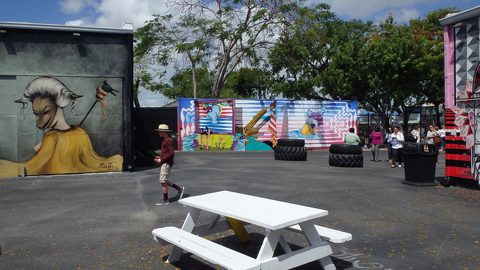 Things to Do in Miami, Ordered by Whether It Is Worth Your Limited Time
Not every Miami attraction earns its place on a four-day itinerary. This guide ranks what to do by how much of your limited time it deserves.
Things to Do in Miami, Ordered by Whether It Is Worth Your Limited Time
Not every Miami attraction earns its place on a four-day itinerary. This guide ranks what to do by how much of your limited time it deserves.
-
 When to Visit Miami and What Each Season Does to the City
Miami's seasons reshape everything: hotel rates, beach comfort, traffic, and whether you will need an umbrella at 3pm every day. Here is the pattern.
When to Visit Miami and What Each Season Does to the City
Miami's seasons reshape everything: hotel rates, beach comfort, traffic, and whether you will need an umbrella at 3pm every day. Here is the pattern.
-
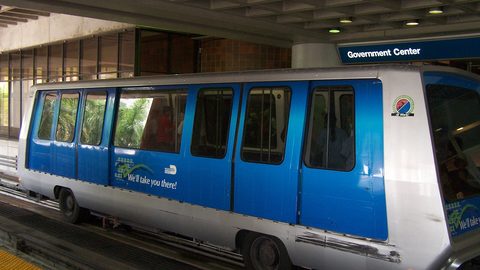 Getting Around Miami Without Wasting Half Your Trip in Traffic
Miami's transport mix confuses visitors: free Metromover, paid Metrorail, costly parking, and causeway gridlock. Here is how to move without losing half your day.
Getting Around Miami Without Wasting Half Your Trip in Traffic
Miami's transport mix confuses visitors: free Metromover, paid Metrorail, costly parking, and causeway gridlock. Here is how to move without losing half your day.
-
 Vizcaya Museum and Gardens
 is a Gilded Age bayfront estate in Miami. Book ahead with timed entry to avoid queuing at the gate and again at the house.
Vizcaya Museum and Gardens
Vizcaya Museum and Gardens is a Gilded Age bayfront estate in Miami. Book ahead with timed entry to avoid queuing at the gate and again at the house.
-
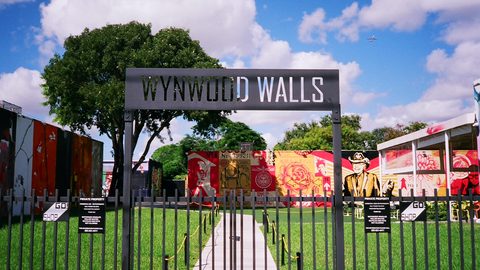 Wynwood Walls
 is a ticketed outdoor street-art compound in Miami's Wynwood district. Advance timed entry is essential to avoid long queues or sell-outs.
Wynwood Walls
Wynwood Walls is a ticketed outdoor street-art compound in Miami's Wynwood district. Advance timed entry is essential to avoid long queues or sell-outs.
-
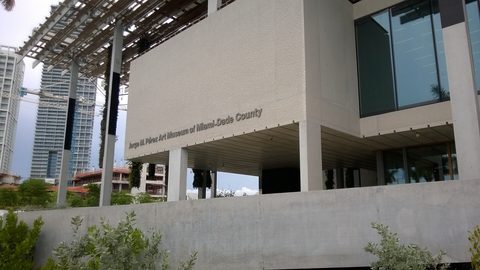 Perez Art Museum Miami
The Pérez Art Museum Miami sits on Biscayne Bay with hanging gardens and a Latin American contemporary collection. It closes Wednesdays, so check before you go.
Perez Art Museum Miami
The Pérez Art Museum Miami sits on Biscayne Bay with hanging gardens and a Latin American contemporary collection. It closes Wednesdays, so check before you go.