A Day Trip to Key Biscayne and Bill Baggs Cape Florida State Park
Key Biscayne and Bill Baggs Cape Florida State Park offer a lighthouse, calm beaches, and bike paths 25 minutes from downtown Miami via the tolled

A Day Trip to Key Biscayne and Bill Baggs Cape Florida State Park
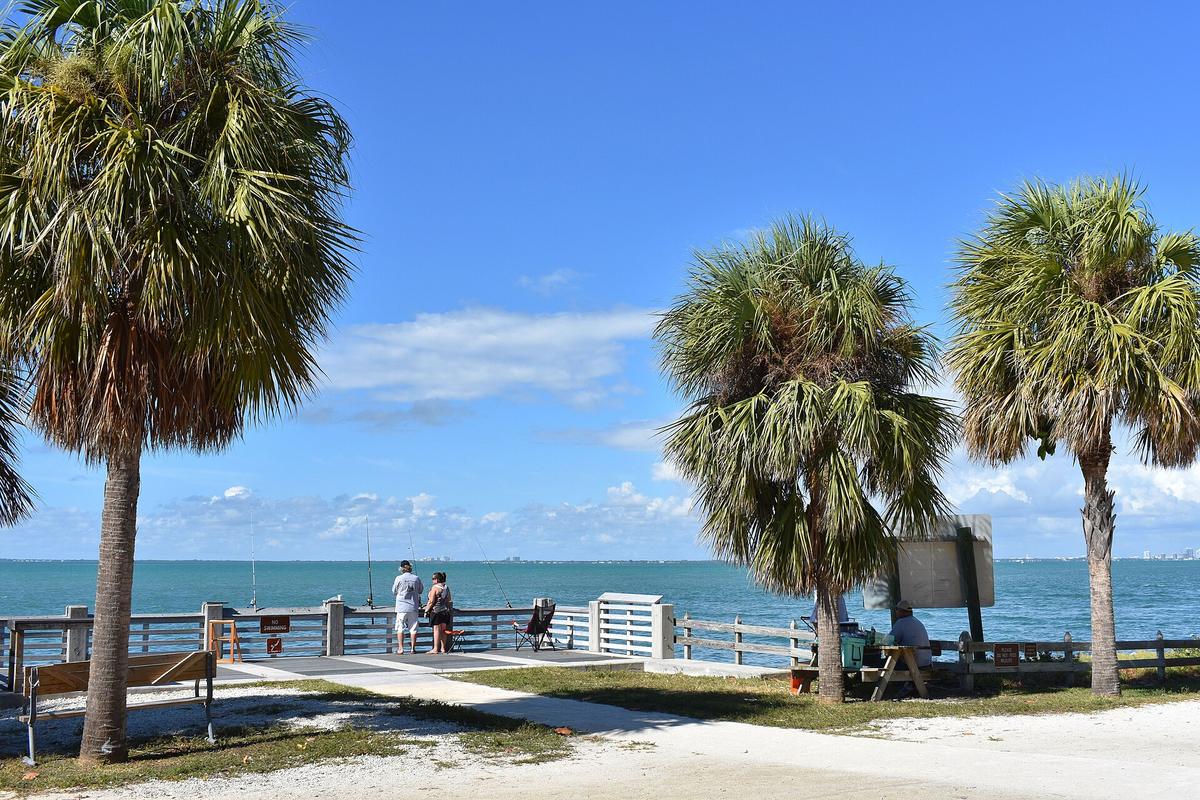
The Rickenbacker Causeway arcs over Biscayne Bay, and at its far end, the skyline of Miami collapses into a low, green island. That island is Key Biscayne, and the reason most people cross the toll bridge is to reach Bill Baggs Cape Florida State Park at its southern tip. A key biscayne bill baggs cape florida miami day trip delivers the one thing mainland Miami rarely offers: stillness, real sand, and a beach that does not require a reservation. The route is short. The logistics are specific. The reward is a historic tower, quiet water, and a bike path that ties it all together.
- Drive Time from Brickell: 25 minutes without traffic; 40 minutes during peak hours
- Rickenbacker Causeway Toll: Charged eastbound only; amount set by Miami-Dade County; no cash booths, uses toll-by-plate
- Bill Baggs Entry Fee: Per vehicle fee varies by occupancy; per person fee for pedestrians and cyclists; published by Florida State Parks
- Parking Capacity: Approximately 300 spaces; entry suspended when full on weekends and holidays
- Cape Florida Lighthouse: Built 1825; 95 feet tall, 109 steps; tours first come, no booking; schedule posted by Florida State Parks
- Typical Visit Duration: 2-4 hours beach only; 3-5 hours with lighthouse tour and beach
Bill Baggs Lighthouse Miami Beach: the Cape Florida Light
The Cape Florida Lighthouse has stood since 1825, and the climb is the best reason to arrive early. Tours run on a first come basis on the schedule Florida State Parks posts for the season, and the number of climbers per tour is capped. You cannot book ahead. On a busy weekend in dry season, the line forms before the first tour of the morning, and the spaces fill before noon. Budget for that wait or arrive on a weekday.
The 109 steps to the top of the 95-foot tower earn you a view that is the point of the whole trip: Miami stacked across the water to the west, the Atlantic running flat to the east, and the curve of Key Biscayne below. The stairwell is narrow and the climb is warm, but you do not need strong legs to make it. Check the tour schedule the day before. Staffing varies and the hours change between seasons.
Key Biscayne Day Trip from Miami: How to Get There and What it Costs
The trip from Miami to Key Biscayne runs across the Rickenbacker Causeway, State Road 913, roughly four miles of bridge and causeway. The toll charges eastbound only, and there are no cash booths. The system reads your license plate and sends the bill to the registered owner. In a rental car, the rental company gets that bill and adds a processing fee before passing it to you, so you pay more than the toll. If your rental includes a transponder, ask how it works. If it does not, expect a charge of roughly the toll amount plus a service fee on your credit card statement weeks later. Miami-Dade County publishes the exact toll rate; check it before you go.
By Car, Bike, or Bus
Driving is the dominant mode for a reason. Miami is car dependent, and Key Biscayne is no exception. The park has about 300 parking spaces, and when they fill, the gate closes and you wait for someone to leave. That happens most often on weekends and holidays from December through April. Arrive before mid-morning on those days. On a weekday, mid-morning to early afternoon works fine.
The Rickenbacker Trail, a separated path on the causeway, makes this one of the few easy bike trips from Miami proper. The ride from Brickell to the park entrance is roughly five miles, flat, and exposed to sun and wind. Bring water. Miami-Dade Transit bus route 102 runs from downtown to the island, but service is limited and not rapid transit. Uber and Lyft operate on Key Biscayne, and the trip from Brickell runs about $15 to $25 depending on demand.
When to Go
Dry season, roughly November through April, is the best time for Bill Baggs. The water temperature sits between 72°F and 86°F across the year. Hurricane season runs June through November, and the park closes under tropical storm or hurricane warnings. Sea turtle nesting season on the beach runs May through October, and sections of the beach may be restricted at night.
Rickenbacker Causeway Toll Key Biscayne: Understanding Toll by Plate
Most visitors who get hit by a surprise charge on this trip are caught by the toll by plate system on the Rickenbacker Causeway. There is no way to pay cash at the bridge. The cameras photograph your license plate, and the system sends the bill to the vehicle's registered address. For a rental car, that address belongs to the rental agency. The agency pays the toll and then charges your payment method on file, adding an administrative fee that can equal or exceed the toll itself.
The solution is to know ahead of time whether your rental includes a SunPass or other compatible transponder. Most major rental companies offer a transponder as an add on at the counter. Pay the few dollars for the daily pass. It is cheaper than the processing fee later. If you drive your own car with an out of state plate, the same toll by plate system applies, and the bill arrives by mail.
Crandon Park Key Biscayne Beach: the Other Side of the Island
Before you reach Bill Baggs, Crandon Park occupies two miles of beach on the northern half of Key Biscayne. It belongs to Miami-Dade County Parks, and it uses a per vehicle entry fee separate from the state park. No advance reservation is required for general entry. The beach here is wide, the water is calm on the bay side, and the Marjory Stoneman Douglas Biscayne Nature Center provides coastal ecology exhibits and sea turtle education. Crandon Park also has picnic shelters, grills, volleyball courts, a playground, a public tennis center, and an 18-hole championship golf course, Crandon Golf, where tee times book in advance.
If Bill Baggs is full, Crandon Park is the backup. If you want a long, open beach without the lighthouse crowds, Crandon is the better pick. The trade off: no lighthouse, and the county park draws a different crowd, more families and local groups than tourists.

Atlantic Side vs Bay Side: Which Beach to Choose at Bill Baggs
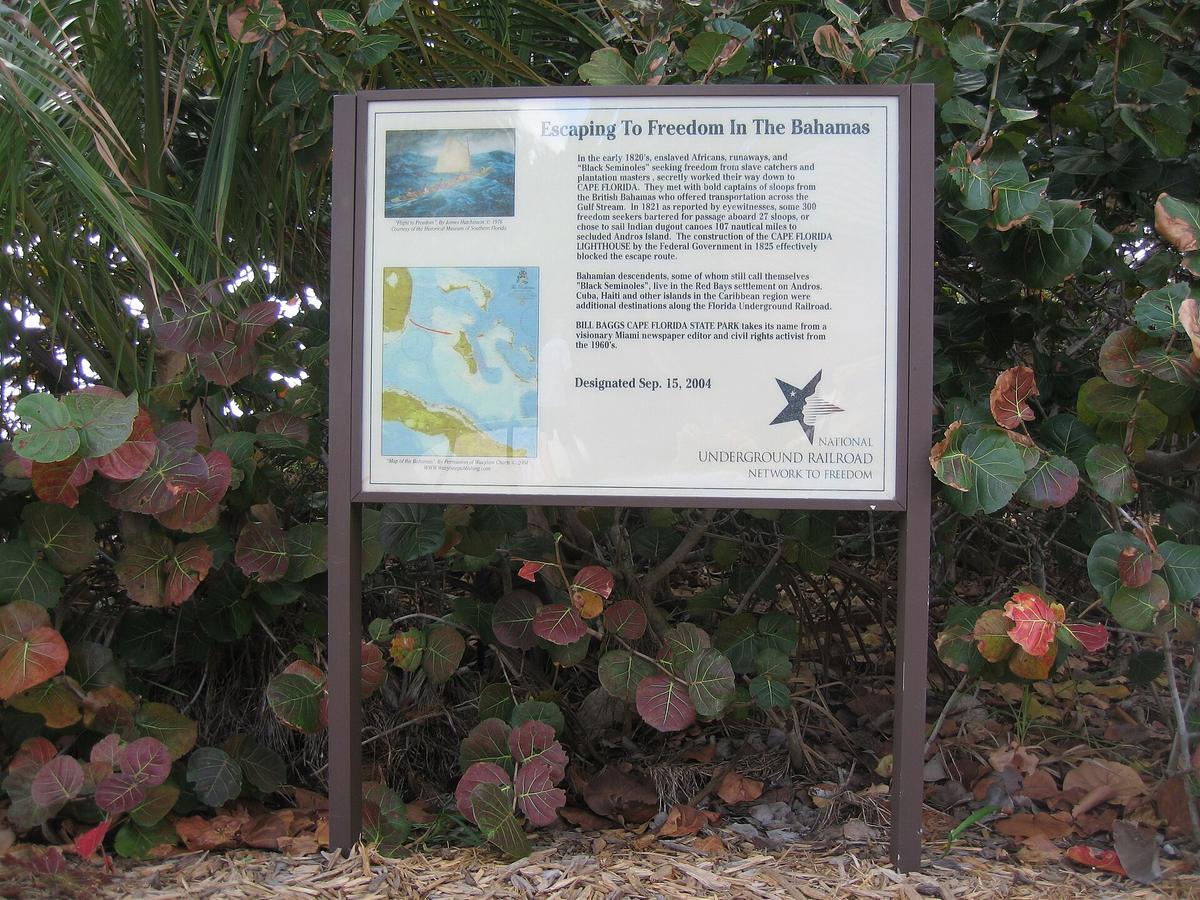
Bill Baggs Cape Florida State Park has 1.25 miles of Atlantic shoreline, plus a calmer bay side on Biscayne Bay. The Atlantic beach is the main draw: open ocean, waves, and lifeguard presence seasonal, typically spring break through fall. The bay side has no surf, shallower water, and is the launch point for kayaks and paddleboards rented from the seasonal on site concession.
Pick the Atlantic side if you want to swim in waves and lie on sand. Pick the bay side if you want to paddle, fish from the seawall, or sit in still water. Both sides have outdoor rinse showers and restrooms. Dogs are allowed in most outdoor areas of the park on a leash but not on the beach. Fishing from designated shoreline areas and the seawall requires a Florida saltwater fishing license, with rules published by the Florida Fish and Wildlife Conservation Commission.
Biking, Eating, and Combining the Day
A paved multi-use path runs roughly 1.5 miles one way along the park road, and the Rickenbacker Trail connects the island back to the mainland. Bring a bike and you skip the parking problem entirely. Cyclists pay a lower per person entry fee set by Florida State Parks instead of the per vehicle fee. The ride from Brickell to the lighthouse and back is about 10 miles round trip on a dedicated path.
Eating and Staying
Inside the park, the Lighthouse Cafe serves Cuban influenced casual fare. Outside the park, the Village of Key Biscayne has a small commercial core along Crandon Boulevard with a Winn-Dixie grocery store and a handful of restaurants. The village itself is low rise residential, population roughly 14,000, with limited lodging mostly condominium rentals and one hotel. Book one to three months ahead for winter high season.
Combine the Day
Combine this trip with a morning at Vizcaya Museum and Gardens, the Gilded Age bayfront estate about 1.5 miles from the mainland base of the causeway. Timed entry tickets should be booked ahead, and the visit runs 2 to 3 hours. Coconut Grove, about 3 miles from the same point, offers a walkable bayside neighborhood with shops and restaurants.
Common Questions
Can I go to Bill Baggs Cape Florida State Park without a car?
Yes. Cyclists and pedestrians pay a lower per person entry fee. The Rickenbacker Trail from Brickell is a 5 mile bike ride. Miami-Dade Transit bus route 102 runs to the island but has limited frequency.
Do I need to book a lighthouse tour in advance?
No. Tours are first come, no advance booking. Florida State Parks posts the schedule. On weekends in dry season, arrive by mid morning to secure a spot in the limited daily climbs.
What happens if the park is full when I arrive?
The gate closes when parking reaches its approximately 300 space capacity. This is most common on weekends and holidays December through April. Go to Crandon Park Beach as a backup, or return later in the afternoon.
Does my rental car have a transponder for the causeway toll?
Most rental companies offer a SunPass or compatible transponder as a paid add on at the counter. Ask when you pick up the car. Without one, the toll by plate system triggers a processing fee on your credit card.
Read next
-

 Miami Hotels, What the Price Bands Actually Get You Across the City
Miami hotel prices swing wildly by season, and a resort fee can reshape the total. Here is what each price band actually delivers across the city.
Miami Hotels, What the Price Bands Actually Get You Across the City
Miami hotel prices swing wildly by season, and a resort fee can reshape the total. Here is what each price band actually delivers across the city.
-
 Where to Stay in Miami, Choosing a District That Matches Your Trip
Every Miami district forces a trade-off between beach access, walkability, nightlife, and budget. This guide matches neighborhoods to the trip you actually want.
Where to Stay in Miami, Choosing a District That Matches Your Trip
Every Miami district forces a trade-off between beach access, walkability, nightlife, and budget. This guide matches neighborhoods to the trip you actually want.
-
 Flying Into Miami MIA vs FLL and Getting Out of the Airport
The assumption most first time visitors make is that Miami International Airport serves Miami and Fort Lauderdale Hollywood International serves Fort
Flying Into Miami MIA vs FLL and Getting Out of the Airport
The assumption most first time visitors make is that Miami International Airport serves Miami and Fort Lauderdale Hollywood International serves Fort
-
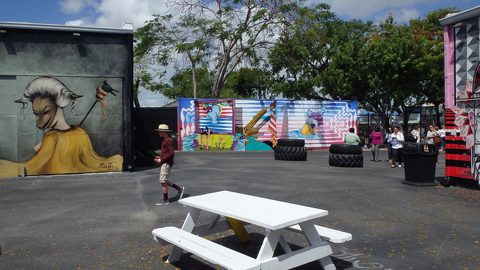 Things to Do in Miami, Ordered by Whether It Is Worth Your Limited Time
Not every Miami attraction earns its place on a four-day itinerary. This guide ranks what to do by how much of your limited time it deserves.
Things to Do in Miami, Ordered by Whether It Is Worth Your Limited Time
Not every Miami attraction earns its place on a four-day itinerary. This guide ranks what to do by how much of your limited time it deserves.
-
 When to Visit Miami and What Each Season Does to the City
Miami's seasons reshape everything: hotel rates, beach comfort, traffic, and whether you will need an umbrella at 3pm every day. Here is the pattern.
When to Visit Miami and What Each Season Does to the City
Miami's seasons reshape everything: hotel rates, beach comfort, traffic, and whether you will need an umbrella at 3pm every day. Here is the pattern.
-
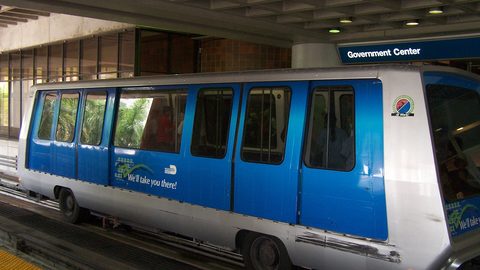 Getting Around Miami Without Wasting Half Your Trip in Traffic
Miami's transport mix confuses visitors: free Metromover, paid Metrorail, costly parking, and causeway gridlock. Here is how to move without losing half your day.
Getting Around Miami Without Wasting Half Your Trip in Traffic
Miami's transport mix confuses visitors: free Metromover, paid Metrorail, costly parking, and causeway gridlock. Here is how to move without losing half your day.
-
 Vizcaya Museum and Gardens
 is a Gilded Age bayfront estate in Miami. Book ahead with timed entry to avoid queuing at the gate and again at the house.
Vizcaya Museum and Gardens
Vizcaya Museum and Gardens is a Gilded Age bayfront estate in Miami. Book ahead with timed entry to avoid queuing at the gate and again at the house.
-
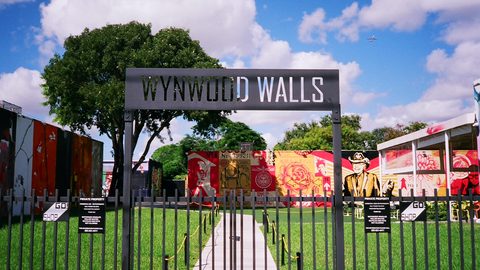 Wynwood Walls
 is a ticketed outdoor street-art compound in Miami's Wynwood district. Advance timed entry is essential to avoid long queues or sell-outs.
Wynwood Walls
Wynwood Walls is a ticketed outdoor street-art compound in Miami's Wynwood district. Advance timed entry is essential to avoid long queues or sell-outs.
-
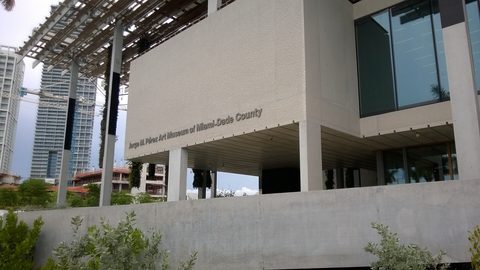 Perez Art Museum Miami
The Pérez Art Museum Miami sits on Biscayne Bay with hanging gardens and a Latin American contemporary collection. It closes Wednesdays, so check before you go.
Perez Art Museum Miami
The Pérez Art Museum Miami sits on Biscayne Bay with hanging gardens and a Latin American contemporary collection. It closes Wednesdays, so check before you go.