Miami Neighborhoods for Staying, and What Each One Costs You in Time and Money
Every Miami district forces a trade-off between beach access, walkability, nightlife, and budget. This guide matches neighborhoods to the trip you actually want.
The Trade Off That Defines Your Miami Trip
Every Miami district asks you to give something up. South Beach puts you in the postcard but costs you parking, quiet, and budget. Brickell gives you skyline and transit but no beach. Coconut Grove is leafy and relaxed but far from the art zones. Mid Beach and North Beach offer sand without the chaos but require a hire car for everything. Little Havana and Wynwood are culturally rich but have limited hotel stock. Coral Gables is beautiful and residential but sedate. The decision is not about finding the perfect district. It is about deciding which daily annoyance you can tolerate and which one you cannot. That is what where to stay in miami actually means once you subtract the marketing.
Why Most First Time Visitors Pick the Wrong District
Miami is a subtropical, car dependent city where the glossy beach and nightlife fantasy collides with a sprawling, expensive Latin American metropolis. First time visitors underestimate the distances between neighbourhoods, the intensity of the humidity outside winter, and how much Spanish is the default language in many areas. Book a South Beach hotel without checking the parking garage fees, the service charge already added to restaurant bills, and the noise from Collins Avenue traffic and you will spend half the trip adjusting plans rather than enjoying them. Give the city at least four days to function properly: one beach day, one cultural or arts day, one neighbourhood hopping day, and one evening focused day. Anything less and the travel friction outweighs the experience.

Miami Neighborhood Guide for Accommodation: the Barrier Island Versus the Mainland
The barrier island, called Miami Beach as an umbrella term for its primary districts, runs roughly nine miles from South Beach through Mid Beach to North Beach. South Beach covers 1st through 23rd Street. Mid Beach runs from 23rd to 63rd Street. North Beach goes from 63rd to 87th Street. Each offers direct sand access but the character changes drastically with every mile north. The mainland districts are a different city entirely: Downtown Miami, Brickell, Wynwood, Design District, Coconut Grove, Coral Gables, and Little Havana. The Metrobus routes that cross the MacArthur, Venetian, Julia Tuttle, and 79th Street causeways connect them, but a 20 minute ride can become 45 minutes if the rain floods the streets, which it does regularly from June through September.
What The Booking Platforms Call Each Area
Booking platforms use South Beach, Mid Beach, North Beach, Downtown Miami, Brickell, Wynwood, Design District, Coconut Grove, Coral Gables, Key Biscayne, Miami Beach, Sunny Isles Beach, Bal Harbour, and Surfside as distinct area names. Key Biscayne sits on a separate barrier island accessed via the Rickenbacker Causeway, a toll road. It has calm water beaches but no nightclubs and limited evening venues, which makes it a mismatch for a nightlife focused trip.
South Beach vs Brickell Stay: the Two Default Choices and Their Costs
South Beach draws the Art Deco party strip crowd, beachfront tourists, and the Art Basel audience. Its highest concentration of nightclubs and rooftop bars sits within a half mile of the beach. Walking time from Collins Avenue hotels to sand runs 2 to 7 minutes. The trade off is noise from Ocean Drive clubs, Collins Avenue traffic, predatory parking structures at 7th and Collins, 13th and Collins, 16th and Collins, 17th Street, and 5th and Alton where daily rates run $20 to $40, plus resort fees of $25 to $50 per night that include beach chairs, umbrellas, and Wi Fi. The total tax on a short term rental in Miami Beach hits 16 percent. The city enforces a minimum check in age of 21 at many oceanfront properties and bans alcohol on the beach and public property during March spring break periods. Skip the car here for a short stay. Most of what a beach tourist needs sits within a 15 minute walk.
Brickell is the glassy finance district with the highest concentration of business hotels, rooftop bars, and upscale condo living. Walking time from Brickell hotels to the nearest Metromover station runs 2 to 8 minutes. The Metromover is free and connects Downtown and Brickell via three loops: Omni, Brickell, and Inner. But Brickell has no beach. Getting to South Beach requires a Metrobus across the MacArthur Causeway or a hired car that takes 25 to 45 minutes and costs $35 to $50 from the airport, more from Brickell. The district offers skyline views, bay front dining, and access to the Pérez Art Museum Miami and the Frost Museum of Science, but you trade the ocean for the financial district. The total tax on a short term rental in the City of Miami on the mainland runs 13 percent, lower than the beach side.
Miami Beach Districts Compared: South Beach, Mid Beach, and North Beach
South Beach operates as a 24 hour entertainment zone with the highest average nightly accommodation rate range on the barrier island. Book it for nightlife and high end dining, beach and pool holidaymakers who want urban energy, art and design lovers, LGBTQ+ travellers, and luxury shoppers. Avoid it if you are a budget backpacker, dislike loud music, conspicuous wealth, or driving everywhere, or expect a quiet, low key beach town. Report noise complaints to the City of Miami Beach Code Compliance.
Mid Beach Quieter Luxury With Longer Rides
Mid Beach runs from 23rd to 63rd Street and holds the highest concentration of large resort pools. Walking time from Collins Avenue hotels to sand runs 2 to 5 minutes. It is quieter than South Beach but still requires a hired car to reach South Beach nightlife, Wynwood, or the Design District. Parking structures exist at 36th Street, 41st Street, and 46th Street. The beach is less crowded and the water clearer, but you need a vehicle for nearly every meal or activity outside the hotel property.
North Beach The Budget Beach Option With Friction
North Beach runs from 63rd to 87th Street and offers the lowest average nightly accommodation rate range among beach adjacent areas. Walking time from Collins Avenue hotels to sand runs 1 to 4 minutes. It has a local, low rise, no frills, old Miami feel. Public restrooms sit at 71st Street, 73rd Street, 79th Street, and North Shore Park. The main trade off is isolation. Everything worth doing requires a hired car with wait times that can stretch to 8 to 15 minutes during off peak hours. The 79th Street Causeway connects North Beach to mainland Miami for free, but the route is long and the bus infrequent.
Wynwood vs Coral Gables Hotel Base: Culture Versus Calm
Wynwood was a former warehouse grid that became an open air street art museum. It has the highest concentration of art galleries and street art in Miami, centered on the Wynwood Walls, a ticketed outdoor gallery where you should book ahead. The district also holds the Rubell Museum in neighbouring Allapattah. Parking structures include the Wynwood Garage at NW 2nd Avenue and NW 26th Street and a lot at 2250 NW 2nd Avenue. Base yourself here to be surrounded by murals, galleries, and breweries within a few blocks, but expect limited hotel stock, mostly boutique properties and converted industrial spaces. A car is not necessary if you stay within the Wynwood radius, but getting to the beach requires a hired car across the Julia Tuttle Causeway, which is free, or a Metrobus that takes 30 minutes or more.
Coral Gables is Mediterranean revival mansions, Miracle Mile shopping, and the Venetian Pool, a historic coral rock spring fed pool. It has the oldest low rise Mediterranean revival residential streets in Miami. The trade off is sedateness. Rent a car here. The points of interest are spread out and the Metrorail coverage is limited. Hired car wait times during off peak hours can run 8 to 15 minutes. The area is beautiful and residential, but it lacks the urban energy of Wynwood or Brickell. Fairchild Tropical Botanic Garden sits 30 minutes north by car and offers 83 acres of rare tropical plants, but getting there without a rental car is difficult. Choose Coral Gables for quiet, green space, and architecture, not for a walkable, nightlife focused base.
The Districts That Require a Rental Car and the Ones That Do Not
South Beach is the district where a car is least necessary for a short stay. Everything from sand to food to nightlife sits within a walkable grid. Brickell also functions without a car because the free Metromover connects to Metrorail stations that reach the airport and Coconut Grove. The Metrorail covers 25 stations from Dadeland South to Palmetto with a branch to Miami International Airport. A single Metrorail trip costs $2.25 to $2.85 depending on distance. The Metrobus fare is $2.25 per trip. Pay with the GO Miami Dade Transit mobile app or an EASY Card.
Every other district demands a rental car or a hefty hired car budget. Coconut Grove has a Metrorail station named Coconut Grove, and walking time from hotels to CocoWalk and the marina runs 2 to 10 minutes, but the district sits far from the art zones and the beach. Key Biscayne requires driving over the Rickenbacker Causeway toll road. Coral Gables is spread out enough that a car is nearly mandatory. Mid Beach and North Beach work without a car only if you plan to stay on the hotel property and eat at the hotel restaurant. Free Wi Fi exists in South Beach, Wynwood, and some parks but is patchy. Get an eSIM or prepaid US SIM for rideshare and parking apps. Miami Beach lifeguard towers are numbered from 1st Street to 87th Street and make reliable pickup points.
When to Go and What it Costs Per Night
Peak season runs December through April with dry, warm but not sweltering weather plus Art Basel in December, the South Beach Wine and Food Festival in February, and spring break from March through April. These months carry the highest rates on the barrier island and in Brickell. The shoulder months of May and October through November offer lower rates and thinner crowds but bring humidity and afternoon thunderstorms on the mainland. The lowest rates run June through September, which is also peak hurricane season from June 1 to November 30 with peak activity from August through October. Avoid late August through October for hurricane risk, oppressive humidity, and daily afternoon downpours. Seaweed presence on Atlantic facing beaches is highest May through October, lowest December through March. The 2024 total tax on a short term rental in Miami Beach was 16 percent, comprising a 6 percent state sales tax, a 6 percent Miami Dade County hotel tax, and a 4 percent Miami Beach municipal resort tax. The City of Miami on the mainland charged 13 percent. Verify the current rates with the official Miami Beach visitor source at miamibeachfl.gov or the Greater Miami source at miamiandbeaches.com before booking.

Avoiding the Most Common Booking Mistake
The most common mistake visitors make is staying only on South Beach and never crossing the causeways. That decision turns a complex, multi layered city into an overpriced, crowded strip of bars and souvenir shops. Miami has a functioning Latin American metropolis on the mainland with Little Havana's Calle Ocho walk of fame, ventanitas serving Cuban coffee and pastelitos, Domino Park where old men play dominos, and the Freedom Tower that marks Cuban exile history. Wynwood and the Design District offer street art and luxury retail respectively. Coconut Grove provides a marina and sailboat atmosphere. Coral Gables holds the Vizcaya Museum and Gardens, a Gilded Age bayfront estate that requires booking ahead. None of these are accessible without crossing a causeway. Book your base on the mainland for at least two nights of a four night trip or resign yourself to hired car costs that will exceed the savings on a cheaper hotel.
Practical Friction You Will Encounter in Every District
Check the bill before tipping extra. Restaurant pricing in Miami often includes an 18 to 20 percent service charge already added. Beach access is public everywhere but hotel chair and umbrella rentals are not. A set of two loungers and an umbrella can run $50 to $80 per day. Rain appears suddenly and floods streets fast. A 20 minute downpour can strand you without an umbrella or a hired car. Many businesses in Little Havana and Hialeah are Spanish first. Menus and service may not default to English. Parking in South Beach uses an app and a resident zone decoder ring. The Metromover is free. Tourists often confuse it with the Metrorail, which is not, racking up fines. The Miami Beach boardwalk runs approximately seven miles from South Beach to North Beach and is the best free amenity on the island. Use the numbered lifeguard towers as pickup points for your hired car.
| District | Beach Access | Walkability | Parking Cost Per Day | Car Required | Best For |
|---|---|---|---|---|---|
| South Beach (1st23rd St) | 2-7 min walk | High | $20-$40 | No | Nightlife, beach, luxury shoppers |
| Mid Beach (23rd63rd St) | 2-5 min walk | Medium | $20-$40 structures | Maybe | Quieter resort pools |
| North Beach (63rd87th St) | 1-4 min walk | Low | Street parking | Yes | Budget beach stays |
| Brickell | 25-45 min ride | High | Garage $15-$25 | No | Business, skyline, transit access |
| Wynwood | 20-30 min ride | Medium | Garages $10-$20 | Maybe | Art, street murals, breweries |
| Coral Gables | 30-45 min ride | Low | Street and lots | Yes | Architecture, gardens, quiet |
| Coconut Grove | 25-35 min ride | Medium | Lots $10-$15 | Yes | Marina, parks, relaxed vibe |
| Little Havana | 30-40 min ride | Medium | Street parking | Yes | Cuban culture, ventanitas |
Day Trips That Change Your Base Calculation
Everglades National Park Shark Valley entrance sits 50 minutes from Brickell by car and offers a tram or bike loop for alligator viewing. Key Biscayne is a 25 minute drive from Brickell via the Rickenbacker Causeway and provides Bill Baggs Cape Florida State Park with its lighthouse and calm beaches. Fort Lauderdale reaches via a 40 minute Brightline train from MiamiCentral or a 45 minute drive. Fairchild Tropical Botanic Garden and Matheson Hammock Park combine for a nature morning 30 minutes from Coral Gables. Oleta River State Park allows kayaking through mangroves 35 minutes from North Beach. Base yourself on the mainland if you plan to take these trips. Barrier island guests face double the travel time due to causeway traffic.
Common Questions
Which Miami district has the lowest hotel rates?
North Beach has the lowest average nightly rates among beach adjacent areas. Downtown Miami west of Biscayne Boulevard has the lowest mainland rates. Both trade walkability and proximity for lower prices.
Can I stay in Miami without renting a car?
Yes, if you base yourself in South Beach or Brickell. South Beach is walkable to beach and nightlife. Brickell has the free Metromover connecting to Metrorail. Every other district requires a hired car or a rental car.
Is South Beach too loud for families?
Yes, for many families. Noise from Ocean Drive clubs and Collins Avenue traffic is constant. Mid Beach or Key Biscayne offer quieter beach access with family focused amenities but require a hired car for dining and activities.
What months should I avoid Miami entirely?
Late August through October for hurricane season. Memorial Day Weekend on South Beach due to Urban Beach Week crowds and gridlock. June through September for humidity, afternoon downpours, and peak seaweed on the beach.
Read next
-

 Miami Hotels, What the Price Bands Actually Get You Across the City
Miami hotel prices swing wildly by season, and a resort fee can reshape the total. Here is what each price band actually delivers across the city.
Miami Hotels, What the Price Bands Actually Get You Across the City
Miami hotel prices swing wildly by season, and a resort fee can reshape the total. Here is what each price band actually delivers across the city.
-
 Flying Into Miami MIA vs FLL and Getting Out of the Airport
The assumption most first time visitors make is that Miami International Airport serves Miami and Fort Lauderdale Hollywood International serves Fort
Flying Into Miami MIA vs FLL and Getting Out of the Airport
The assumption most first time visitors make is that Miami International Airport serves Miami and Fort Lauderdale Hollywood International serves Fort
-
 Things to Do in Miami, Ordered by Whether It Is Worth Your Limited Time
Not every Miami attraction earns its place on a four-day itinerary. This guide ranks what to do by how much of your limited time it deserves.
Things to Do in Miami, Ordered by Whether It Is Worth Your Limited Time
Not every Miami attraction earns its place on a four-day itinerary. This guide ranks what to do by how much of your limited time it deserves.
-
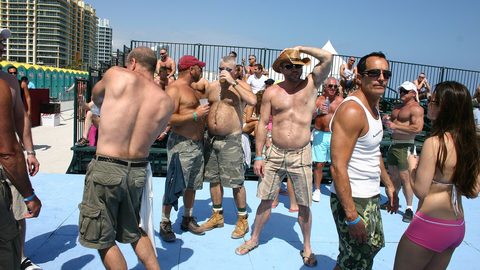 When to Visit Miami and What Each Season Does to the City
Miami's seasons reshape everything: hotel rates, beach comfort, traffic, and whether you will need an umbrella at 3pm every day. Here is the pattern.
When to Visit Miami and What Each Season Does to the City
Miami's seasons reshape everything: hotel rates, beach comfort, traffic, and whether you will need an umbrella at 3pm every day. Here is the pattern.
-
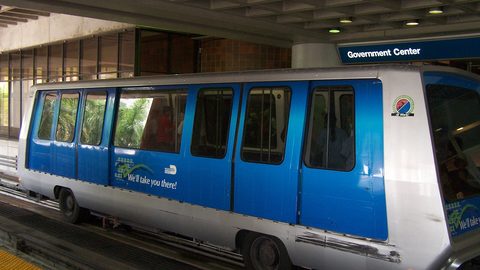 Getting Around Miami Without Wasting Half Your Trip in Traffic
Miami's transport mix confuses visitors: free Metromover, paid Metrorail, costly parking, and causeway gridlock. Here is how to move without losing half your day.
Getting Around Miami Without Wasting Half Your Trip in Traffic
Miami's transport mix confuses visitors: free Metromover, paid Metrorail, costly parking, and causeway gridlock. Here is how to move without losing half your day.
-
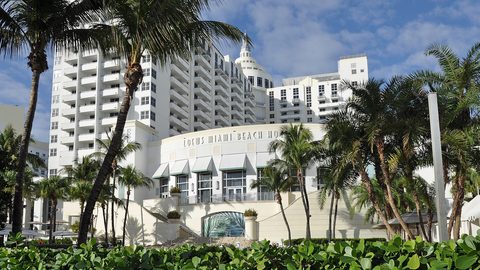 Miami Itinerary How to Spend Two or Three Days Without Rushing
How to spend two or three days in Miami with a plan that crosses the causeways and balances beach time with neighbourhoods, arts, and evenings.
Miami Itinerary How to Spend Two or Three Days Without Rushing
How to spend two or three days in Miami with a plan that crosses the causeways and balances beach time with neighbourhoods, arts, and evenings.
-
 United States Travel Guide for First-Timers Who Want the Real Picture
The United States delivers extraordinary geographic and cultural variety, but its sheer scale, car dependency, and tipping economy surprise first-timers. Start here.
United States Travel Guide for First-Timers Who Want the Real Picture
The United States delivers extraordinary geographic and cultural variety, but its sheer scale, car dependency, and tipping economy surprise first-timers. Start here.
-
 Staying Connected While Traveling Through the United States
Prepaid eSIMs work well in US cities, but a physical T-Mobile or AT&T SIM bought at arrival gives better rural coverage for national parks and long highway drives.
Staying Connected While Traveling Through the United States
Prepaid eSIMs work well in US cities, but a physical T-Mobile or AT&T SIM bought at arrival gives better rural coverage for national parks and long highway drives.
-
 Best Time to Visit the United States by Region and Season
The United States spans so many climates that no single season works everywhere. Here is what each region delivers, and when to stay away.
Best Time to Visit the United States by Region and Season
The United States spans so many climates that no single season works everywhere. Here is what each region delivers, and when to stay away.