What You Get at Each Hotel Price Level in Miami
Miami hotel prices swing wildly by season, and a resort fee can reshape the total. Here is what each price band actually delivers across the city.
What You Get at Each Hotel Price Level in Miami
The elevator doors open onto a lobby that smells like coconut sunscreen and air conditioning cranked too high. Outside, the heat hits you in a wall. You have a room key in your hand and no idea whether you just overpaid by two hundred dollars or got exactly what this city demands. This guide closes that gap.
Miami is a subtropical, car-dependent city where the glossy beach-and-nightlife fantasy collides with a sprawling, expensive Latin American metropolis. Visitors underestimate the distances between neighbourhoods, the intensity of the humidity outside winter, and how much Spanish is the default language in many areas. The same room that feels like a deal in August costs triple in December. Understanding what sits behind each price band is the only way to land at the right building without burning your budget on the wrong one.


Budget: What You Actually Sleep in
At the bottom of the price structure, you are not paying for a hotel experience. You are paying for a bed and a door that locks. A budget room in Miami means a shared bathroom is possible, no on-site dining exists, and the front desk operates limited hours. The room itself will be small, the air conditioner will be a window unit that rattles, and the location will be far from the beach or tucked into a residential block in North Beach or the airport area where the lowest rates cluster.
You will not have a pool. You will not have a lobby. What you do have is a nightly rate that stays below the city's punishing tax load, 13 percent total on accommodation in both Miami Beach and mainland Miami, made up of a 6 percent tourist tax, 6 percent state sales tax, and 1 percent county surtax. A resort fee is unlikely at this level; when limited-service hotels charge one, it lands in the USD 0-20 per night range. Parking in the airport area costs USD 10-25 per night.
This band suits travellers who plan to spend every waking hour outside the room and treat the hotel as a locker. Skip it if you want to sit by a pool, eat breakfast downstairs, or walk to Ocean Drive in flip-flops.
Midscale: Private Bathroom, Outdoor Pool, Chain Branding
What the Midscale Band Guarantees
Step up one band and the bathroom is yours alone. A midscale hotel in Miami guarantees a private bathroom, an outdoor pool, limited-service breakfast and a branded chain flag you recognise. The room is larger, the air conditioning is central, and the front desk is staffed around the clock. Locations shift toward Mid-Beach, Downtown, and Coral Gables, areas with lower density than South Beach but still within a short rideshare of the water or a restaurant strip.
Fees and Charges to Watch
The resort fee landscape changes: full-service hotels in this tier can charge USD 25-55 per night and include pool access, beach chairs, Wi-Fi, a fitness centre, and local calls. Parking in Downtown and Brickell runs USD 25-45 per night. The service charge reality matters here: a restaurant inside a midscale property often adds an 18-20 percent service charge to the bill before you see it. Check the line items before adding a tip.
This band suits travellers who want a reliable room with a pool and breakfast without paying for a concierge or a view they will not use. It does not suit anyone expecting direct beach access or design-forward interiors.
Miami Hotel Budget Tiers Explained: Upscale
Upscale is where Miami starts to deliver the experience visitors picture. A full-service restaurant operates on site. A concierge handles dinner reservations and excursion bookings. Valet parking replaces the self-park garage. Direct beach access or a bay view becomes the norm rather than a paid upgrade. Rooms are larger, bathrooms have soaking tubs or walk-in showers, and the lobby is a place you want to sit. Locations concentrate on South Beach oceanfront, Brickell high-rises with rooftop pools, and the bayfront stretch of Coconut Grove.
The resort fee sticks in the USD 25-55 per night range and covers the same inclusions, but at this level the beach chairs and pool are of noticeably better quality. Parking in South Beach hotels costs USD 35-55 per night, and street parking in that district is a predatory sport requiring an app and a resident-zone decoder ring.
The seasonal swing is sharp: a room that costs X in June costs up to three times X in December. Shoulder months of May and November run 20-40 percent lower than peak. This band suits the traveller who wants to be on the water, eat dinner without leaving the property, and have someone else handle logistics. Avoid it if you balk at a USD 50 daily parking charge or a resort fee that exceeds the cost of a meal.
| Feature | Budget | Midscale | Upscale | Luxury |
|---|---|---|---|---|
| Bathroom | Shared possible | Private | Private, upgraded fixtures | Private, spa-style |
| On-site dining | None | Limited-service breakfast | Full-service restaurant | Multiple venues, 24-hour room service |
| Pool and beach access | None | Outdoor pool | Pool plus direct beach access or bay views | Dedicated beach club, spa, designer interiors |
| Resort fee range | USD 0–20 | USD 25–55 | USD 25–55 | USD 25–55 |
| Typical location | Airport area, North Beach | Mid-Beach, Downtown, Coral Gables | South Beach oceanfront, Brickell, Coconut Grove | South Beach oceanfront, Bal Harbour, Key Biscayne |
| Parking cost | USD 10–25 | USD 25–45 | USD 35–55 | USD 35–55 |
| Best for | Travellers using room as a locker | Reliable room with pool and breakfast | Beachfront experience with service | Ultra-luxury, design, and exclusivity |
South Beach Resort vs Boutique: What the Price Difference Buys
On South Beach, the price gap between a resort and a boutique hotel is not about star rating. It is about scale and service model. A resort on South Beach or Bal Harbour operates on a larger footprint: multiple dining venues, a spa, a dedicated beach club with lounger setups that bypass the public rental system, and enough staff to make the concierge desk feel like a command centre. A boutique hotel on the same block trades those amenities for something else: location on a quieter stretch of Ocean Drive, a smaller pool deck, and a design story told through the room finishes rather than the lobby size.
Both charge resort fees in the USD 25-55 per night range. Both levy the same 13 percent tax on accommodation. The difference is what you actually use. If you plan to spend the day on a beach chair with an umbrella, a set of two loungers and an umbrella can run USD 50-80 per day from a public rental stand, the resort that includes those in the fee may save you money. If you plan to walk the Art Deco Historic District, eat at Española Way, and use the room mostly for sleeping, the boutique gives you lower overhead for the same zip code.
The seasonal swing applies equally: that boutique room at shoulder-season rates in May is 20-40 percent lower than its December price, while the resort compresses its rate swing less because it targets a clientele less sensitive to cost.

Miami Luxury Hotel Expectations: What the Top Band Actually Delivers
What Luxury Guarantees
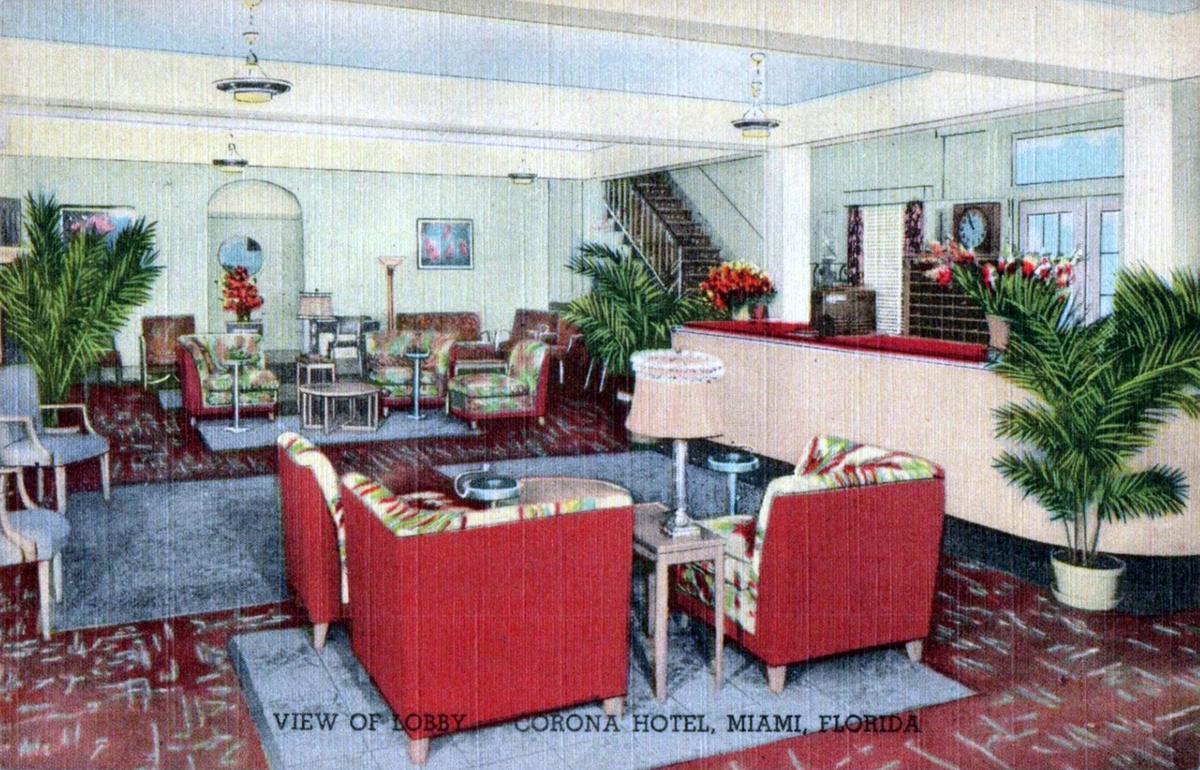
Luxury in Miami is a specific set of guarantees. A luxury property delivers 24-hour room service, a spa, multiple dining venues, a dedicated beach club, and designer interiors. The room will have a view that is either ocean-fronting or bay-facing. The lobby smells of something expensive and discreet. The check-in process includes a welcome drink and a staff member who escorts you to the elevator.
Fees, Holds, and Event Spikes
But luxury in Miami also means a resort fee in the same USD 25-55 per night range as upscale properties, the difference is what the fee includes. At this level, the pool is a destination, the beach chairs are reserved with your room number, and the fitness centre is larger than some budget hotel rooms. Locations cluster on South Beach oceanfront, Bal Harbour, and Key Biscayne, with a smaller presence in Brickell and Coral Gables. The incidental hold at check-in runs USD 50-200 per night and releases 3-10 business days after checkout. Parking still costs USD 35-55 per night.
This band suits the traveller who values privacy, consistency, and not having to plan logistics. Skip it if you would rather spend that money on experiences outside the hotel. The event-driven rate spikes are brutal: Art Basel Miami Beach week, Ultra Music Festival weekend, Miami Music Week, the Boat Show weekend, and New Year's Eve week all require booking 90-180 days out, with minimum stays of 3-5 nights at select properties. A room that costs a baseline rate in low season triples for those weeks.
Brickell Business Hotel vs Beach Resort: Which Price Band Fits Your Trip
The choice between a Brickell business hotel and a beach resort is a choice about where you will spend your daylight hours. A Brickell business hotel sits in the glassy finance district with rooftop pools, bay views from the upper floors, and a clientele that wears suits until mid-afternoon. It operates on a full-service restaurant and concierge model, with parking at USD 25-45 per night and resort fees in the USD 25-55 range. The rooms are designed for work: a proper desk, good lighting, and soundproofing that blocks the street noise.
A beach resort, whether on South Beach, Mid-Beach, or Key Biscayne, trades the desk for a balcony and the business centre for a beach club. The room is smaller for the same price because you are paying for the sand. The tax is the same 13 percent on both sides of the causeway. The seasonal swing is more punishing at the beach resort: a December rate can be three times the August rate, while the Brickell property sees a shallower spike because it also serves corporate travel that does not pause for hurricane season.
Know whether you want to wake up to water or to a skyline. If you plan to cross the causeways every day anyway, the Brickell hotel gives you a lower base rate and a rooftop pool that serves the same cooling function as the ocean. If your trip is four days of beach-and-pool holiday with urban energy on the side, the beach resort saves you the daily rideshare cost, USD 35-50 each way from Brickell to South Beach.
Miami Hotels Price Guide: the Seasonal Swing and the Real Cost of a Night
When to Book and What You Will Pay
Peak season runs December through April, driven by dry weather and northern hemisphere winter escape demand. A room that costs a baseline rate in low season, June through October, can cost three times that in December. The shoulder months of May and November sit 20 to 40 percent lower than peak and 20 to 40 percent higher than low. The event-driven spikes are sharper still: Art Basel Miami Beach week, Ultra Music Festival weekend, Miami Music Week, the Boat Show weekend, and New Year's Eve week push rates higher than even December averages. Booking lead time for major events is 3 to 6 months, and minimum stays of 3 to 5 nights are common at select properties.
Deposits, Cancellation, and the Constants
Deposits follow a pattern: one night at booking is standard, and full prepayment is required for non-refundable rates. Cancellation policies are more flexible 60 or more days out, while non-refundable rates dominate inside 14 days. Book 60 to 90 days out for peak season to gain the early booking advantage window. If you wait until 7 to 14 days out in low season, you can still find flexible rates. The resort fee remains a constant across all seasons, those USD 25 to 55 per night do not fluctuate with demand. The 13 percent tax does not either. What swings is the base room rate, and it swings hard enough that the same hotel can feel like a bargain in August and a misstep in December.
Who Miami Suits and Who Should Look Elsewhere
Who Should Go
Miami suits nightlife and high-end dining enthusiasts, beach-and-pool holidaymakers who want urban energy, art and design lovers including the Art Basel crowd, LGBTQ+ travellers, and luxury shoppers. The minimum stay is four days: one beach day, one cultural or arts day, one neighbourhood-hopping day, and one evening-focused day.
Who Should Skip It
The city does not suit budget backpackers seeking walkable historic centres, Little Havana and Coral Gables are walkable in pockets, but the city as a whole requires a rideshare or rental car. It does not suit travellers who dislike loud music, conspicuous wealth, or driving everywhere. And it does not suit anyone expecting a quiet, low-key beach town. North Beach and Key Biscayne come closest to quiet, but they are exceptions in a city that runs on volume.
Arrival and Getting Around
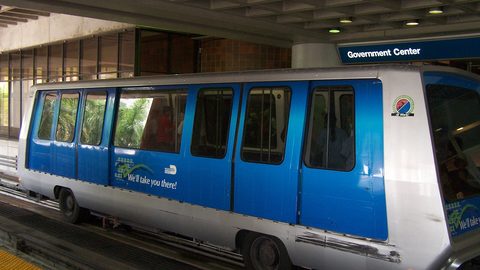
The arrival logistics are straightforward: Miami International Airport connects via the Metrorail Orange Line to Downtown and Brickell in about 25 minutes for USD 2.25, while a taxi or rideshare to South Beach takes 25 to 45 minutes and costs USD 35 to 50. Fort Lauderdale-Hollywood Airport requires a rideshare of 45 to 60 minutes at USD 50 to 70, or a Tri-Rail shuttle and train combination. The getting-around rule is simple: public transit exists, but rideshare or a rental car is the dominant mode. The Metromover in Downtown is free, but the Metrorail is not, and tourists confuse them often enough to rack up fines.
Free public Wi-Fi exists in South Beach, Wynwood, and some parks but is patchy; an eSIM or prepaid US SIM is essential for rideshare and parking apps. Miami Beach lifeguard towers have numbered addresses, use them as pickup points. Rain appears suddenly and floods streets fast; a 20-minute downpour can strand you without an umbrella or rideshare. Come prepared for these realities and you get the city Miami actually is, not the one the postcards promise.
Common Questions
What is the resort fee in Miami hotels and what does it cover?
Resort fees at full-service hotels range from approximately USD 25 to 55 per night. Typical inclusions are pool access, beach chairs, Wi-Fi, fitness centre use, and local calls. Limited-service hotels may charge USD 0 to 20 per night. Since 2024, a Federal Trade Commission rule requires these fees to be included in the total displayed price on booking sites, so the number you see before clicking 'book' should be the final number. Always check the breakdown before paying.
How much does parking cost at Miami hotels?
Parking costs vary by district. South Beach hotels charge USD 35 to 55 per night. Downtown and Brickell properties charge USD 25 to 45 per night. Airport-area hotels charge USD 10 to 25 per night. Street parking in South Beach requires an app and knowledge of resident-only zones, which makes garage parking the simpler but more expensive option.
When is the cheapest time to book a Miami hotel?
Low season runs from June through October, driven by heat, humidity, afternoon thunderstorms, and the Atlantic hurricane season. Rates in this period are up to three times lower than peak season. Shoulder months of May and November offer rates 20 to 40 percent lower than peak. The early booking advantage window in low season is only 7 to 14 days out, so you can book closer to arrival.
What is the total hotel tax in Miami?
The total tax on accommodation is 13 percent in both Miami Beach and mainland Miami. This breaks down into a 6 percent tourist tax, 6 percent state sales tax, and 1 percent county surtax on transient rentals. The Florida Department of Revenue and Miami-Dade County publish the rates in force each year.
Is it worth staying on South Beach or should I stay in Brickell or Downtown?
South Beach gives you walkable access to the beach, Art Deco architecture, and nightlife. Brickell and Downtown give you lower parking costs, rooftop pools with bay views, and proximity to the Metromover free people-mover. The common mistake is staying only on South Beach and never crossing the causeways, which turns a complex, multi-layered city into an overpriced, crowded strip. If your trip includes cultural neighbourhoods like Wynwood, Little Havana, and Coral Gables, a base in Brickell or Downtown saves time and money.
Read next
-
 Where to Stay in Miami, Choosing a District That Matches Your Trip
Every Miami district forces a trade-off between beach access, walkability, nightlife, and budget. This guide matches neighborhoods to the trip you actually want.
Where to Stay in Miami, Choosing a District That Matches Your Trip
Every Miami district forces a trade-off between beach access, walkability, nightlife, and budget. This guide matches neighborhoods to the trip you actually want.
-
 Flying Into Miami MIA vs FLL and Getting Out of the Airport
The assumption most first time visitors make is that Miami International Airport serves Miami and Fort Lauderdale Hollywood International serves Fort
Flying Into Miami MIA vs FLL and Getting Out of the Airport
The assumption most first time visitors make is that Miami International Airport serves Miami and Fort Lauderdale Hollywood International serves Fort
-
 Things to Do in Miami, Ordered by Whether It Is Worth Your Limited Time
Not every Miami attraction earns its place on a four-day itinerary. This guide ranks what to do by how much of your limited time it deserves.
Things to Do in Miami, Ordered by Whether It Is Worth Your Limited Time
Not every Miami attraction earns its place on a four-day itinerary. This guide ranks what to do by how much of your limited time it deserves.
-
 When to Visit Miami and What Each Season Does to the City
Miami's seasons reshape everything: hotel rates, beach comfort, traffic, and whether you will need an umbrella at 3pm every day. Here is the pattern.
When to Visit Miami and What Each Season Does to the City
Miami's seasons reshape everything: hotel rates, beach comfort, traffic, and whether you will need an umbrella at 3pm every day. Here is the pattern.
-
 Getting Around Miami Without Wasting Half Your Trip in Traffic
Miami's transport mix confuses visitors: free Metromover, paid Metrorail, costly parking, and causeway gridlock. Here is how to move without losing half your day.
Getting Around Miami Without Wasting Half Your Trip in Traffic
Miami's transport mix confuses visitors: free Metromover, paid Metrorail, costly parking, and causeway gridlock. Here is how to move without losing half your day.
-
 Miami Itinerary How to Spend Two or Three Days Without Rushing
How to spend two or three days in Miami with a plan that crosses the causeways and balances beach time with neighbourhoods, arts, and evenings.
Miami Itinerary How to Spend Two or Three Days Without Rushing
How to spend two or three days in Miami with a plan that crosses the causeways and balances beach time with neighbourhoods, arts, and evenings.
-
 United States Travel Guide for First-Timers Who Want the Real Picture
The United States delivers extraordinary geographic and cultural variety, but its sheer scale, car dependency, and tipping economy surprise first-timers. Start here.
United States Travel Guide for First-Timers Who Want the Real Picture
The United States delivers extraordinary geographic and cultural variety, but its sheer scale, car dependency, and tipping economy surprise first-timers. Start here.
-
 Staying Connected While Traveling Through the United States
Prepaid eSIMs work well in US cities, but a physical T-Mobile or AT&T SIM bought at arrival gives better rural coverage for national parks and long highway drives.
Staying Connected While Traveling Through the United States
Prepaid eSIMs work well in US cities, but a physical T-Mobile or AT&T SIM bought at arrival gives better rural coverage for national parks and long highway drives.
-
 Best Time to Visit the United States by Region and Season
The United States spans so many climates that no single season works everywhere. Here is what each region delivers, and when to stay away.
Best Time to Visit the United States by Region and Season
The United States spans so many climates that no single season works everywhere. Here is what each region delivers, and when to stay away.