The Miami Best Time to Visit by Season and What Each One Brings
Miami's seasons reshape everything: hotel rates, beach comfort, traffic, and whether you will need an umbrella at 3pm every day. Here is the pattern.
Miami Through the Year, Weather, Crowds and What Shifts
At 3:45 PM in July, the sky over Brickell turns the colour of a fresh bruise and within six minutes the streets are ankle deep. A taxi driver who speaks only Spanish shrugs and points at the parking garage entrance, the only dry path to your hotel lobby. Miami's best time to visit by season is not about good versus bad. It is about tradeoffs between heat, rain, crowds, and cost. The city runs on a dry warm window from roughly December into April, then a wet season from May into October that brings afternoon downpours, oppressive humidity, and storm risk that peaks late August into October. The shoulder periods in October and November exist but are narrowing as the event calendar expands.
No single month wins. Each period changes the beach, the restaurant scene, traffic, and your budget. Decide which tradeoffs you can live with, then book.

The Dry Warm Window: December Through April
From December into April, Miami hits the weather most visitors picture: average highs of 24-26°C (75-79°F), lows of 15-18°C (60-65°F), and ocean temperatures of 22-24°C (72-75°F). Rain is infrequent. This is the tourist high season, and the city compresses a year of events into five months.
What Happens to the Beach
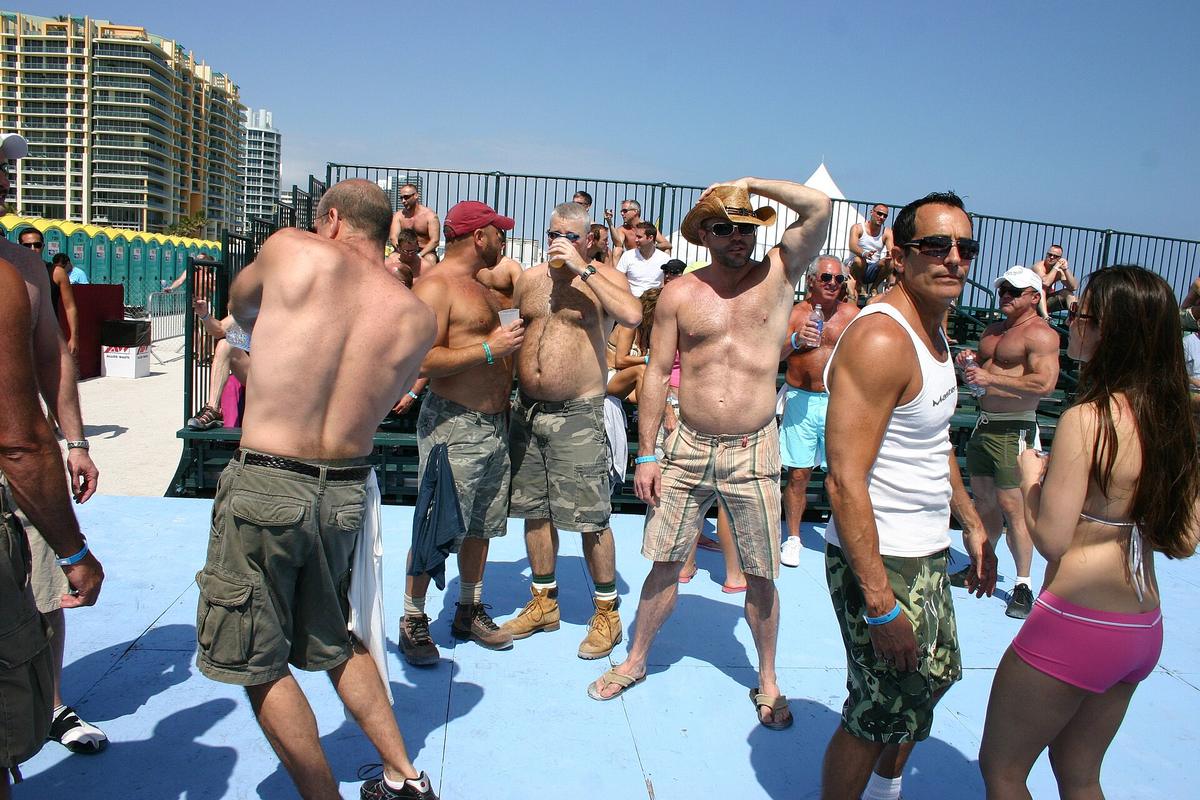
South Beach is shoulder to shoulder by 10:00 AM. Lifeguard towers operate year-round but with full hours during this window. A set of two loungers and an umbrella from a hotel rental runs $50-80 per day. The water is cool enough to feel refreshing but not cold enough to discourage swimming. Sargassum seaweed season runs April into October, so the beach is clear through most of this period.
What Happens to Restaurants
Reservations at Joe's Stone Crab and any Wynwood tasting menu require booking three to four weeks ahead. Stone crab claws are in season October 15 through May 1, so December into April is peak availability. The South Beach Wine & Food Festival in late February packs the entire dining scene with pop ups and waiting lists. Expect 18-20% service charges already added to every bill. Check before tipping extra.
What Happens to Traffic
Crossing the causeways from the mainland to the barrier islands takes 45 minutes instead of 20. Parking in South Beach costs $20-40 per day in garages. Street parking requires an app and knowledge of resident zone rules, which most visitors do not have. Avoid Memorial Day Weekend in late May entirely, when Urban Beach Week turns South Beach into gridlock. That weekend falls outside the dry window but sits close enough to it to feel like an extension.
What Happens to the Budget
Hotel rates peak. Airbnbs in Brickell and Mid-Beach command winter premiums. Miami Spice, the prix fixe restaurant program, runs only in August and September, so you will pay full price during these months.
Event Specifics
Art Basel Miami Beach takes place in early December at the Miami Beach Convention Center. During Basel week, every hotel within a mile of the convention centre triples its rate. Wynwood and the Design District become pedestrian gridlock. Securing a table at any restaurant near the convention centre requires a reservation made in November. Ultra Music Festival and Miami Music Week fall in late March at Bayfront Park, with similar compression. Spring break surges March into mid-April, and public school spring break weeks vary by county across that window. The Calle Ocho Festival in March shuts down SW 8th Street in Little Havana for a day.
The Wet Season: May Through October
From May into October, Miami shifts into a different rhythm. Average highs hit 31-33°C (88-91°F), lows sit at 24-26°C (75-79°F), and ocean temperatures warm to 28-30°C (83-86°F). The UV index is extreme, rated 11 or higher from April into August. Brief, heavy afternoon thunderstorms are the daily pattern from May onward. Humidity peaks July into September. Everglades mosquito activity peaks across the same wet period.
Storm Season Travel
Storm season runs June 1 through November 30, with peak activity from mid-August into October. This is the single biggest risk factor for travel in this window. Miami-Dade County Emergency Management publishes preparedness information. Vizcaya Museum and Gardens closes its outdoor areas during tropical storm warnings. You need trip cancellation insurance that covers named storms. Check the Greater Miami Convention & Visitors Bureau calendar for major convention closures that may shift hotel availability even in low season. The window from late August into October is the avoid window for most travellers.
If you travel during storm season, arrive with a backup plan for indoor days. The Pérez Art Museum Miami (PAMM), Phillip and Patricia Frost Museum of Science, and the Rubell Museum all offer full day options under cover.
Summer Humidity Pattern
The humidity pattern is simple: from July into September, the air feels wet from the moment you step outside. A 20 minute walk in the middle of the day leaves you soaked. Rideshare becomes essential, which adds $35-50 per trip from the airport or between neighbourhoods. Parking garages remain expensive at $20-40 per day, but you will use the car less because the rain floods streets fast enough to strand you without an umbrella. The Metrorail Orange Line from Miami International Airport costs $2.25 and takes about 25 minutes to downtown or Brickell. The walk from the train to your door may leave you drenched.
What Happens to the Beach
Beaches are less crowded, but sargassum seaweed peaks June into July, creating mats along the shore that smell as they decompose. The water is bath warm at 28-30°C (83-86°F). Afternoon thunderstorms clear the sand by 3:00 PM. Go early and you will have stretches of Mid-Beach or North Beach nearly to yourself.
What Happens to Restaurants
Miami Spice, the two month prix fixe program in August and September, is the best deal of the year. Participating restaurants offer fixed price menus that make high end spots in the Design District and Brickell affordable. Outside that program, you can walk into most places without a reservation, including Cuban bakeries for pastelitos and ventanitas for cafecito in Little Havana. The downside: many Spanish first businesses in Little Havana and Hialeah will not default to English, so menus may be exclusively in Spanish.
What Happens to Traffic
Afternoon storms create flash flooding on causeways and low lying streets. A 20 minute downpour can flood intersections in Brickell and South Beach, making rideshare impossible to find for 30 minutes after the rain stops. Memorial Day Weekend remains a gridlock event even though it falls late May. Urban Beach Week brings crowds that rival Art Basel to South Beach, and the roads clog for three days.
| Factor | December through April | May through September | October through November |
|---|---|---|---|
| Average High | 24–26°C (75–79°F) | 31–33°C (88–91°F) | 28–30°C (82–86°F) |
| Rain Pattern | Infrequent | Daily afternoon downpours | Transitional, fewer storms |
| Humidity | Low to moderate | High, peaks July–September | Moderate |
| Ocean Temperature | 22–24°C (72–75°F) | 28–30°C (83–86°F) | 25–27°C (77–81°F) |
| Crowd Level | High (peak season) | Low (low season) | Moderate (shoulder) |
| Hotel Rates | Peak pricing | Lowest of the year | Rising toward peak |
| Seaweed Risk | None | Sargassum April–October, peak June–July | Ending in November |
| Storm Risk | None | Peak mid-August through October | Season ends November 30 |
| Key Events | Art Basel, Wine & Food Festival, spring break | Miami Spice (August/September) | Miami Book Fair (November) |
Art Basel Week Crowds
Art Basel Miami Beach in early December transforms the city for one week. The Miami Beach Convention Centre hosts the main fair, but the effect radiates across Wynwood, the Design District, and every hotel from South Beach to Brickell. Hotel rates triple. Restaurants within a mile of the convention centre require reservations made in November. Traffic on the MacArthur Causeway becomes stop and go from 4:00 PM to 9:00 PM.
If you are not attending the fair, avoid Miami entirely this week. If you are attending, book accommodation in Mid-Beach or North Beach, where the crowds thin out. Budget for $50-70 rideshare trips each way to the convention centre. The Metrorail and free Metromover do not reach the convention centre directly. You will transfer to a bus or pay for a rideshare from the nearest station.
Miami December vs March Weather
December and March sit within the dry warm window, but they are not the same. December averages 24-26°C (75-79°F) highs and 15-18°C (60-65°F) lows, with ocean water at 22-24°C (72-75°F). March runs slightly warmer at the high end, pushing 27-28°C (80-82°F) by late in the month. Ocean temperatures rise to 24-25°C (75-77°F).
The real difference is not temperature. December is dominated by Art Basel, which compresses crowds into one intense week. The rest of December is quieter, especially after Christmas. March brings spring break crowds from mid March into mid April, plus Ultra Music Festival and Miami Music Week in late March. The Calle Ocho Festival also falls in March. Want the best weather with the least event related compression? Early January or late April are better choices within the dry window. But you cannot rely on fixed dates. The pattern is what matters.
Shoulder Periods and Narrowing Windows
October and November are officially shoulder months, but the window is narrowing. October still sits inside peak storm activity season, which runs mid August into October. November sees storm season end on November 30. The Miami Book Fair takes place at Miami Dade College Wolfson Campus. By late November, the dry season has started, and conditions improve rapidly.
The tradeoff: you accept some storm risk in October for low crowds and the lowest hotel rates of the year outside Miami Spice months. By November, the risk drops and conditions improve, but Art Basel preparation begins, and rates start climbing. The 2024 pattern showed October hotel rates roughly 40% below December rates, but a single storm warning can cancel outdoor plans for three days straight. Venetian Pool in Coral Gables closes part of winter for maintenance. Check the Coral Gables city website before planning a visit in shoulder months.
A Note on Memorial Day Weekend
Memorial Day Weekend in late May brings Urban Beach Week to South Beach. This is not a normal crowd surge. The gridlock extends from South Pointe Park Pier north to 15th Street, and the beach becomes impassable. Police close sections of Ocean Drive. Rideshare prices surge to 3x normal rates. If you are not attending Urban Beach Week, this is a specific avoidance window. Stay in Coral Gables, Coconut Grove, or North Beach. Do not cross into South Beach by car between Friday and Monday.
Common Questions
What is the cheapest month to visit Miami for weather that is still usable?
September offers the lowest hotel rates of the year because of Miami Spice and low season pricing, but you face peak humidity, daily afternoon downpours, and the highest storm risk of the year. October is the safer shoulder bet: rates climb but remain well below December, and conditions improve toward the end of the month.
Can I swim in the ocean during winter?
Yes. Ocean temperatures from December into April range 22-24°C (72-75°F), which feels cool but is swimmable. Most visitors find it refreshing rather than cold. Summer ocean temperatures reach 28-30°C (83-86°F) and feel bath warm.
How bad is the humidity in August really?
In August, the air feels thick enough that breathing through a mask is uncomfortable. A 15 minute walk leaves you soaked. Rideshare becomes the only viable option for moving between neighbourhoods, which adds $15-30 per trip. Plan indoor activities for midday and save outdoor time for early morning or after the afternoon rain passes.
Is it safe to book non refundable flights during storm season?
Not without trip cancellation insurance that covers named storms. Peak storm activity runs mid August into October. The risk is not that a storm will hit Miami directly. It is that your flight gets cancelled 48 hours before departure and every alternative flight is sold out. The Miami-Dade County Emergency Management website publishes real time preparedness information.
Which neighbourhood should I avoid during spring break?
South Beach becomes the epicentre of spring break crowds from March into mid April, with loud music, packed beaches, and $50-80 per day parking. Stay in Brickell or Coconut Grove instead. They are close enough to visit South Beach for an afternoon but far enough to sleep at night.
Read next
-
 Miami Hotels, What the Price Bands Actually Get You Across the City
Miami hotel prices swing wildly by season, and a resort fee can reshape the total. Here is what each price band actually delivers across the city.
Miami Hotels, What the Price Bands Actually Get You Across the City
Miami hotel prices swing wildly by season, and a resort fee can reshape the total. Here is what each price band actually delivers across the city.
-
 Where to Stay in Miami, Choosing a District That Matches Your Trip
Every Miami district forces a trade-off between beach access, walkability, nightlife, and budget. This guide matches neighborhoods to the trip you actually want.
Where to Stay in Miami, Choosing a District That Matches Your Trip
Every Miami district forces a trade-off between beach access, walkability, nightlife, and budget. This guide matches neighborhoods to the trip you actually want.
-
 Flying Into Miami MIA vs FLL and Getting Out of the Airport
The assumption most first time visitors make is that Miami International Airport serves Miami and Fort Lauderdale Hollywood International serves Fort
Flying Into Miami MIA vs FLL and Getting Out of the Airport
The assumption most first time visitors make is that Miami International Airport serves Miami and Fort Lauderdale Hollywood International serves Fort
-
 Things to Do in Miami, Ordered by Whether It Is Worth Your Limited Time
Not every Miami attraction earns its place on a four-day itinerary. This guide ranks what to do by how much of your limited time it deserves.
Things to Do in Miami, Ordered by Whether It Is Worth Your Limited Time
Not every Miami attraction earns its place on a four-day itinerary. This guide ranks what to do by how much of your limited time it deserves.
-
 Getting Around Miami Without Wasting Half Your Trip in Traffic
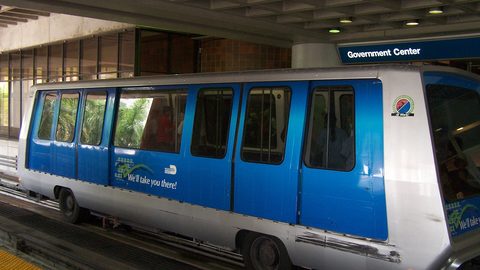
Miami's transport mix confuses visitors: free Metromover, paid Metrorail, costly parking, and causeway gridlock. Here is how to move without losing half your day.
Getting Around Miami Without Wasting Half Your Trip in Traffic
Miami's transport mix confuses visitors: free Metromover, paid Metrorail, costly parking, and causeway gridlock. Here is how to move without losing half your day.
-
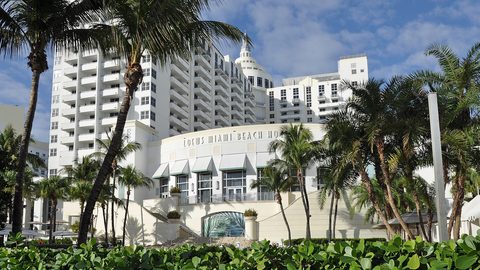 Miami Itinerary How to Spend Two or Three Days Without Rushing
How to spend two or three days in Miami with a plan that crosses the causeways and balances beach time with neighbourhoods, arts, and evenings.
Miami Itinerary How to Spend Two or Three Days Without Rushing
How to spend two or three days in Miami with a plan that crosses the causeways and balances beach time with neighbourhoods, arts, and evenings.
-
 United States Travel Guide for First-Timers Who Want the Real Picture
The United States delivers extraordinary geographic and cultural variety, but its sheer scale, car dependency, and tipping economy surprise first-timers. Start here.
United States Travel Guide for First-Timers Who Want the Real Picture
The United States delivers extraordinary geographic and cultural variety, but its sheer scale, car dependency, and tipping economy surprise first-timers. Start here.
-
 Staying Connected While Traveling Through the United States
Prepaid eSIMs work well in US cities, but a physical T-Mobile or AT&T SIM bought at arrival gives better rural coverage for national parks and long highway drives.
Staying Connected While Traveling Through the United States
Prepaid eSIMs work well in US cities, but a physical T-Mobile or AT&T SIM bought at arrival gives better rural coverage for national parks and long highway drives.
-
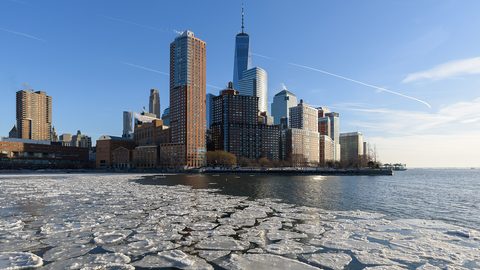 Best Time to Visit the United States by Region and Season
The United States spans so many climates that no single season works everywhere. Here is what each region delivers, and when to stay away.
Best Time to Visit the United States by Region and Season
The United States spans so many climates that no single season works everywhere. Here is what each region delivers, and when to stay away.