Miami Day Trips With Realistic Driving Times and What You Get There
Miami day trips look close on a map but causeway traffic and parking change the math. Here is how long each one really takes door to door.
Miami Day Trips with Realistic Driving Times and What You Get There
The central problem with Miami day trips is that the glossy fantasy of the city makes every destination look closer than it is. A 50-minute drive to Shark Valley on a map becomes a half-day undertaking by the time you factor in causeway congestion, finding a space, and the experience itself. The honest door-to-door time for each trip depends entirely on which direction you go, what time you leave, and whether you are willing to pay for a train. The tradeoff most travellers miss is this: the trip that looks closest on the map often has the most hidden friction, and the trip that looks far can be the smoothest if you pick the right mode. Every recommendation below includes the downside. Nothing here is a brochure.
Everglades Shark Valley from Miami: a Half-Day Minimum, Not a Quick Morning
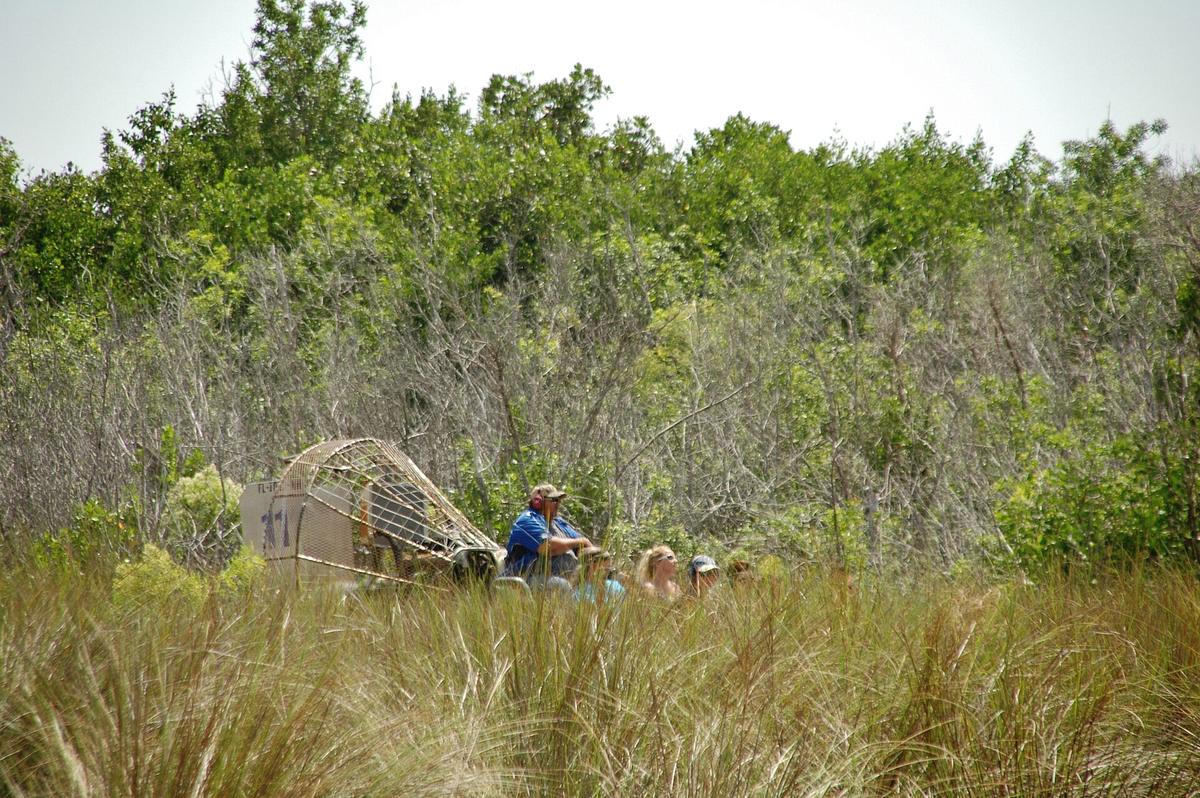
Door-to-door time: 3.5 to 5 hours, depending on the tram schedule and the queue at the entrance. The Shark Valley entrance to Everglades National Park is approximately one hour from downtown Miami via US-41, also called the Tamiami Trail. That is the drive time on a clear day. What the research does not tell you is that the causeway congestion leaving Miami between 9:30 and 11:00 can add 20 minutes before you even reach the highway. The lot at Shark Valley fills by mid-morning in the dry season from December through April. Arrive after 10:00 and you may wait 30 minutes for a space or get turned around entirely.
What The Visit Actually Takes
The experience itself requires a minimum of two hours inside the park. The tram tour runs roughly 90 minutes and covers the 15-mile loop. Biking the loop takes longer, and in the wet season from May through November, the mosquitoes peak to the point where stopping is uncomfortable. Factor in the shuttle from the lot to the tram boarding area, ticket purchase time, and the return drive. The honest total is a half-day. Leave by 08:00, book tram tickets in advance on the Everglades National Park concessioner website, and bring a hat and water even in winter. The dry season from December through April has higher wildlife concentration and fewer mosquitoes, which makes it the only season when the trip is worth the effort. If you only have four days in Miami, this trip should be your one nature day, not a squeezed-in morning.
Who should skip it: Anyone with fewer than three full days in Miami, anyone who dislikes humidity, and anyone who expects a walk-up-and-go experience. The National Park Service revises entry fees periodically, so check the current rate before you leave. The 15-mile loop is flat and exposed. There is no shade on the tram.

Key Biscayne Day Trip Miami: Close on the Map, Slower on the Road
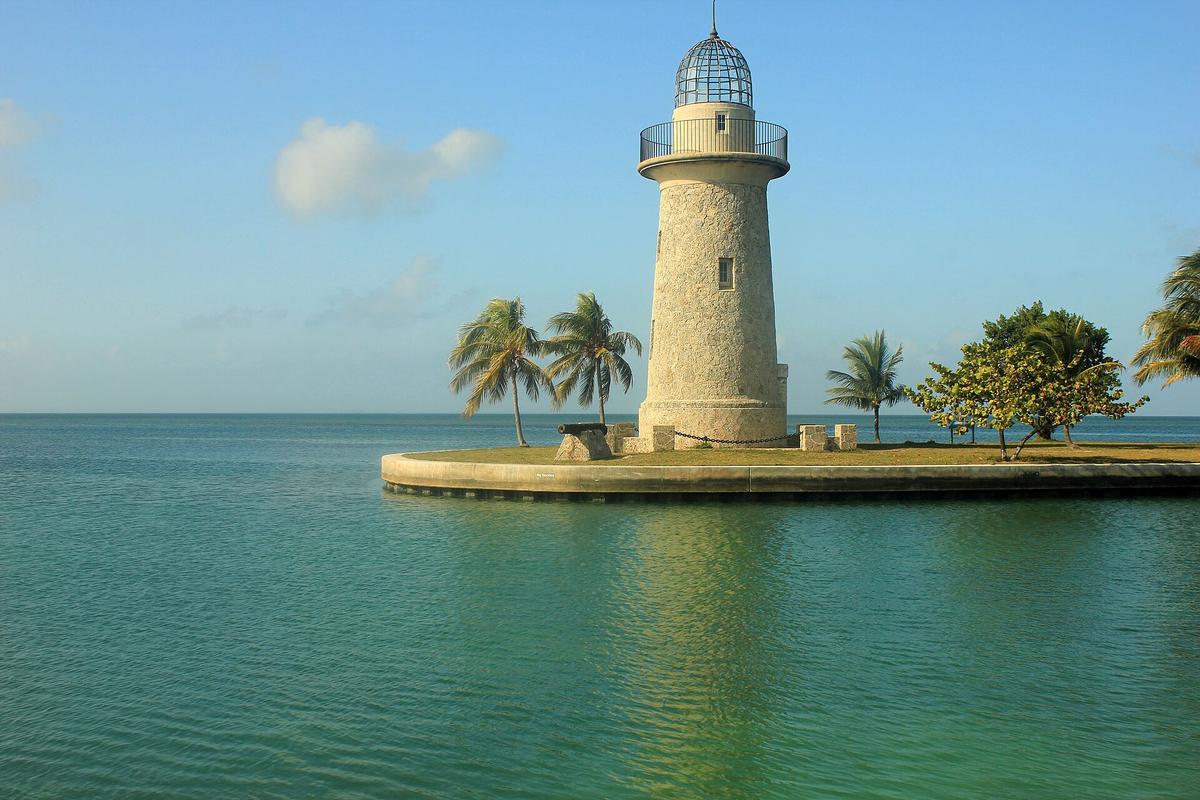
Door-to-door time: 2 to 4 hours, depending on Rickenbacker Causeway congestion and weekend crowds. Key Biscayne is a 25-minute drive from Brickell on a good day. The problem is that the Rickenbacker Causeway is a toll road, and the toll booth creates a choke point. On a Saturday or Sunday between 10:00 and 14:00, the queue to pay the toll can add 15 to 25 minutes. The destination is Bill Baggs Cape Florida State Park, which has a historic lighthouse, a calm beach, and a small lot that fills before noon. The real friction is the parking: once the lot is full, the park closes the gate, and you are stuck circling the island or paying $40 for a spot at a nearby private lot.
When It Works
A weekday morning. Leave Brickell by 08:30, pay the Rickenbacker toll with a SunPass or exact change, and arrive before 09:00. You can do the lighthouse tour, swim for two hours, and be back in South Beach by lunch. The beach here is calmer than South Beach and the water is clearer, but the tradeoff is that there are no chair or umbrella rentals in the state park. Bring your own towel. If you want a full beach day, this is a better option than driving to Fort Lauderdale, but only if you commit to the early start. The weekend crowds make it a non-starter for anyone with only four days.
Who should skip it: Weekend visitors, anyone who wants a guaranteed space, and anyone who needs a full-service beach with rentals.
Fort Lauderdale Brightline from Miami: Faster Than Driving, but Stations Add Time
Door-to-door time: 1.5 to 2.5 hours, including the transfer to and from the train stations. The Brightline train from MiamiCentral to Fort Lauderdale takes approximately 30 minutes. That is faster than the 35- to 50-minute drive on I-95, which can balloon to 75 minutes during afternoon congestion. The catch is that MiamiCentral is in downtown Miami, not on South Beach. Getting from South Beach to MiamiCentral by rideshare takes 20 to 30 minutes and costs roughly $20 to $30. From MiamiCentral, you ride Brightline to the Fort Lauderdale station, then take a separate rideshare or the Sun Trolley to reach Las Olas Boulevard or the water taxi. The total time from your South Beach hotel to the Fort Lauderdale beach is about the same as driving, but the train experience is more comfortable and avoids the stress of parking in Fort Lauderdale, which is expensive and scarce near Las Olas.
When It Works
A single-day trip where the destination is Las Olas Boulevard for shopping and dining, or the Fort Lauderdale water taxi system. Skip this trip if you are mainly going for the beach, because the train station is inland and the connecting transport to the sand eats time. Brightline service frequency is roughly hourly off-peak and more frequent during peak periods, but the schedule changes yearly. Check gobrightline.com for the current timetable. The same-day return is easy: take a late-afternoon train back to MiamiCentral and a rideshare to your hotel. The total cost for two people, including both rideshare transfers and Brightline tickets, is higher than driving a rental car, so this trip is best for solo travellers or couples who want to avoid the rental car fee.
Who should skip it: Groups of three or more, anyone staying in Brickell or downtown who could drive easily, and anyone whose main goal is a beach day.
Oleta River State Park Kayaking Miami: Nearby but Car-Dependent and Low on Services
Door-to-door time: 2.5 to 4 hours, including the kayak rental and the drive. Oleta River State Park is a 35-minute drive from South Beach, north on I-95. The park is one of the few places in Miami proper where you can kayak through mangroves without driving an hour. The tradeoff is that the park is car-dependent: there is no direct public transit from South Beach, and a rideshare costs approximately $35 to $50 each way. The kayak rental is run by a concessioner inside the park, and the paddle through the mangrove trails takes 60 to 90 minutes at a relaxed pace.
The Friction
The park entrance fee is separate from the kayak rental fee, and the rental counter can have a queue on weekends. The kayak trails are shallow and winding, and the mangroves block the wind, so the humidity in summer is intense. Bring water and sunscreen. The park has no restaurant, only picnic tables, so pack lunch. This is a morning trip: arrive by 09:00, kayak for 90 minutes, and leave by noon to beat the afternoon rain that floods streets fast in the wet season. The park is a good option for anyone staying in North Beach or the upper Miami Beach area, but not worth the rideshare cost from South Beach if you only have four days.
Who should skip it: Anyone without a rental car, anyone who dislikes humidity, and anyone who wants a full-service beach with rentals and restaurants.
Key Largo: a Full-Day Undertaking, Not a Quick Escape
Door-to-door time: 5 to 8 hours, including the drive, the activity, and the return congestion. Key Largo is approximately 1.5 hours from downtown Miami via US-1. That drive time is the optimistic number. The reality is that US-1 between Miami and Key Largo is a two-lane road through suburban sprawl, and the traffic lights in Homestead and Florida City add 15 to 20 minutes. The destination is John Pennekamp Coral Reef State Park, which requires a boat tour or a glass-bottom boat to see the coral reef. The boat tours are run by a concessioner, and schedules vary seasonally. A typical snorkel tour lasts 2.5 to 3 hours, and the glass-bottom boat runs roughly the same length.
The Killer
The return drive on a Sunday afternoon. If you leave the Keys after 14:00, the northbound flow on US-1 can add 1 to 2 hours to the normal drive time, turning a 1.5-hour return into a 3-hour slog. The same-day return is feasible only if you leave Miami by 07:00, complete a morning tour, and start driving back by 13:00 at the latest. If you miss that window, the trip becomes a full-day commitment that eats an entire day of a four-day itinerary. The entry fee for the state park is set by Florida State Parks and changes periodically, so check the current rate. Biscayne National Park is closer at approximately one hour from downtown Miami, but it requires a boat tour or kayak to reach the keys and reefs, and there is no walk-in beach. For a four-day trip, both the Keys and Biscayne National Park are better saved for a longer visit.
Who should skip it: Anyone with fewer than five days in Miami, anyone who does not want a 6:30 AM start, and anyone who is not committed to being in a boat for half the day.

Ranking Day Trips by Feasibility for a Four-Day Miami Itinerary
Ranked by how much they cost you in time and friction, not by how scenic they are:
- Key Biscayne (Bill Baggs Cape Florida State Park): Most feasible. Close, cheap, and doable in a morning. The toll and parking are predictable friction. Works for anyone.
- Oleta River State Park: Second. Works well if you have a rental car. The kayak experience is unique and nearby. The lack of services is a downside but not a dealbreaker for a morning trip.
- Fort Lauderdale via Brightline: Third. The train is comfortable, but the station transfers add time and cost. Best for solo travellers or couples who want shopping and dining, not a beach day.
- Everglades Shark Valley: Fourth. The half-day commitment is real, but the wildlife is worth it. Only doable if you start early and plan for the queue.
- Key Largo: Fifth. The drive and the return congestion risk make it a full-day undertaking. Only for travellers with five or more days in Miami.
The common mistake that the research highlights is staying only on South Beach and never crossing the causeways. That turns a complex, multi-layered city into an overpriced, crowded strip. The best day trip from Miami for a traveller with four days is the one that fits your morning, not the one that looks best on Instagram.
The One Thing to Do Before You Leave Your Hotel
Before you start any day trip, check the parking situation at your destination using a parking app. Miami Beach lifeguard towers have numbered addresses that work as rideshare pickup points, but the garages in South Beach charge $20 to $40 per day, and street parking requires a resident-zone decoder ring that tourists cannot easily read. If you are driving to Key Biscayne, have exact change for the Rickenbacker toll or a SunPass. If you are taking Brightline, book your train ticket the night before because the fare changes dynamically. The single most practical thing you can do is decide which trip you are skipping. With four days in Miami, you have room for one nature day, one beach day, one cultural day, and one evening-focused day. Choose the day trip that fills the nature day, and leave the rest for a longer trip.
Common Questions
How long does the Brightline train take from Miami to Fort Lauderdale?
The Brightline train from MiamiCentral to Fort Lauderdale takes approximately 30 minutes. The total trip from South Beach is 1.5 to 2.5 hours because of the rideshare transfer to the station.
Is Key Biscayne beach free to visit?
Bill Baggs Cape Florida State Park charges an entry fee set by Florida State Parks. The Rickenbacker Causeway toll is separate. Beach access is included in the park entry fee.
Can you do a day trip to Key Largo from Miami?
Yes, but it is a full-day undertaking. The drive is 1.5 hours each way, and the return congestion on Sunday afternoon can add 1 to 2 hours. Leave by 07:00 and start driving back by 13:00.
When is the best time to visit Shark Valley?
The dry season from December through April has higher wildlife concentration and fewer mosquitoes. Arrive by 08:00 to secure a space and beat the tram queue. The park is operated by the National Park Service.
Read next
-

 Miami Hotels, What the Price Bands Actually Get You Across the City
Miami hotel prices swing wildly by season, and a resort fee can reshape the total. Here is what each price band actually delivers across the city.
Miami Hotels, What the Price Bands Actually Get You Across the City
Miami hotel prices swing wildly by season, and a resort fee can reshape the total. Here is what each price band actually delivers across the city.
-
 Where to Stay in Miami, Choosing a District That Matches Your Trip
Every Miami district forces a trade-off between beach access, walkability, nightlife, and budget. This guide matches neighborhoods to the trip you actually want.
Where to Stay in Miami, Choosing a District That Matches Your Trip
Every Miami district forces a trade-off between beach access, walkability, nightlife, and budget. This guide matches neighborhoods to the trip you actually want.
-
 Flying Into Miami MIA vs FLL and Getting Out of the Airport
The assumption most first time visitors make is that Miami International Airport serves Miami and Fort Lauderdale Hollywood International serves Fort
Flying Into Miami MIA vs FLL and Getting Out of the Airport
The assumption most first time visitors make is that Miami International Airport serves Miami and Fort Lauderdale Hollywood International serves Fort
-
 Things to Do in Miami, Ordered by Whether It Is Worth Your Limited Time
Not every Miami attraction earns its place on a four-day itinerary. This guide ranks what to do by how much of your limited time it deserves.
Things to Do in Miami, Ordered by Whether It Is Worth Your Limited Time
Not every Miami attraction earns its place on a four-day itinerary. This guide ranks what to do by how much of your limited time it deserves.
-
 When to Visit Miami and What Each Season Does to the City
Miami's seasons reshape everything: hotel rates, beach comfort, traffic, and whether you will need an umbrella at 3pm every day. Here is the pattern.
When to Visit Miami and What Each Season Does to the City
Miami's seasons reshape everything: hotel rates, beach comfort, traffic, and whether you will need an umbrella at 3pm every day. Here is the pattern.
-
 Getting Around Miami Without Wasting Half Your Trip in Traffic
Miami's transport mix confuses visitors: free Metromover, paid Metrorail, costly parking, and causeway gridlock. Here is how to move without losing half your day.
Getting Around Miami Without Wasting Half Your Trip in Traffic
Miami's transport mix confuses visitors: free Metromover, paid Metrorail, costly parking, and causeway gridlock. Here is how to move without losing half your day.
-
 United States Travel Guide for First-Timers Who Want the Real Picture
The United States delivers extraordinary geographic and cultural variety, but its sheer scale, car dependency, and tipping economy surprise first-timers. Start here.
United States Travel Guide for First-Timers Who Want the Real Picture
The United States delivers extraordinary geographic and cultural variety, but its sheer scale, car dependency, and tipping economy surprise first-timers. Start here.
-
 Staying Connected While Traveling Through the United States
Prepaid eSIMs work well in US cities, but a physical T-Mobile or AT&T SIM bought at arrival gives better rural coverage for national parks and long highway drives.
Staying Connected While Traveling Through the United States
Prepaid eSIMs work well in US cities, but a physical T-Mobile or AT&T SIM bought at arrival gives better rural coverage for national parks and long highway drives.
-
 Best Time to Visit the United States by Region and Season
The United States spans so many climates that no single season works everywhere. Here is what each region delivers, and when to stay away.
Best Time to Visit the United States by Region and Season
The United States spans so many climates that no single season works everywhere. Here is what each region delivers, and when to stay away.