Eating in Miami: The Dishes and the Rooms Where They Belong
How Miami eats, from ventanita cafecito and frita cubana counters to stone crab rituals and the service charge you need to check before tipping.
Eating in Miami: the Dishes and the Rooms Where They Belong
Most visitors land in Miami and head straight for the Ocean Drive host asking if they want a table for two and a frozen drink. That is tourism, not eating. The real question is answered by the physical formats the city built: a walk-up window in a strip mall, a counter at a fritanga where the menu is in Spanish only, a white-tablecloth room on Brickell Key, and a seasonal ritual that requires cash and a willingness to queue. Each dish belongs to a specific room. Learn the local service charge rule so you do not tip twice, and know exactly where to go when a 20-minute downpour floods the street and you want a colada.
The Ventanita: Your Daily Rhythm is a 4-Ounce Cup
Miami runs on cafecito, and the ventanita is the dispenser. A ventanita is a walk-up coffee window at a Cuban bakery. You do not sit. You order, drink, and leave. The format is everything.
Order a colada if you are with people. It comes in a 4 to 6 ounce styrofoam cup with a handful of tiny plastic cups stacked on top. You pour, share, and finish in two minutes. Order a cortadito for yourself: espresso cut with steamed milk, same size, one cup. Order café con leche if you want a larger individual drink.
Where To Stand For The Benchmark Cup
The benchmark address for this is Versailles Restaurant at 3555 SW 8th Street in Little Havana. Versailles has a walk-up window on the side of the building. Order a cafecito and a pastelito (guava and cream cheese is the standard) or croquetas de jamón. Cash is easiest. The line moves fast.
El Palacio de los Jugos, 5721 W Flagler Street, is another walk-up operation but with a full counter system. You take a numbered ticket, order from the window, and pick up when your number is called. They sell fresh-squeezed juices, Cuban sandwiches, and pastelitos. The original location is the one to target.
When The Window Is Closed
It is 1am and you want a cafecito. Most walk-up windows close by 22:00. Hit a 24 hour Sedano's supermarket on Calle Ocho. The bakery counter inside is not a ventanita but you get the same coffee and pastelitos at 3am.
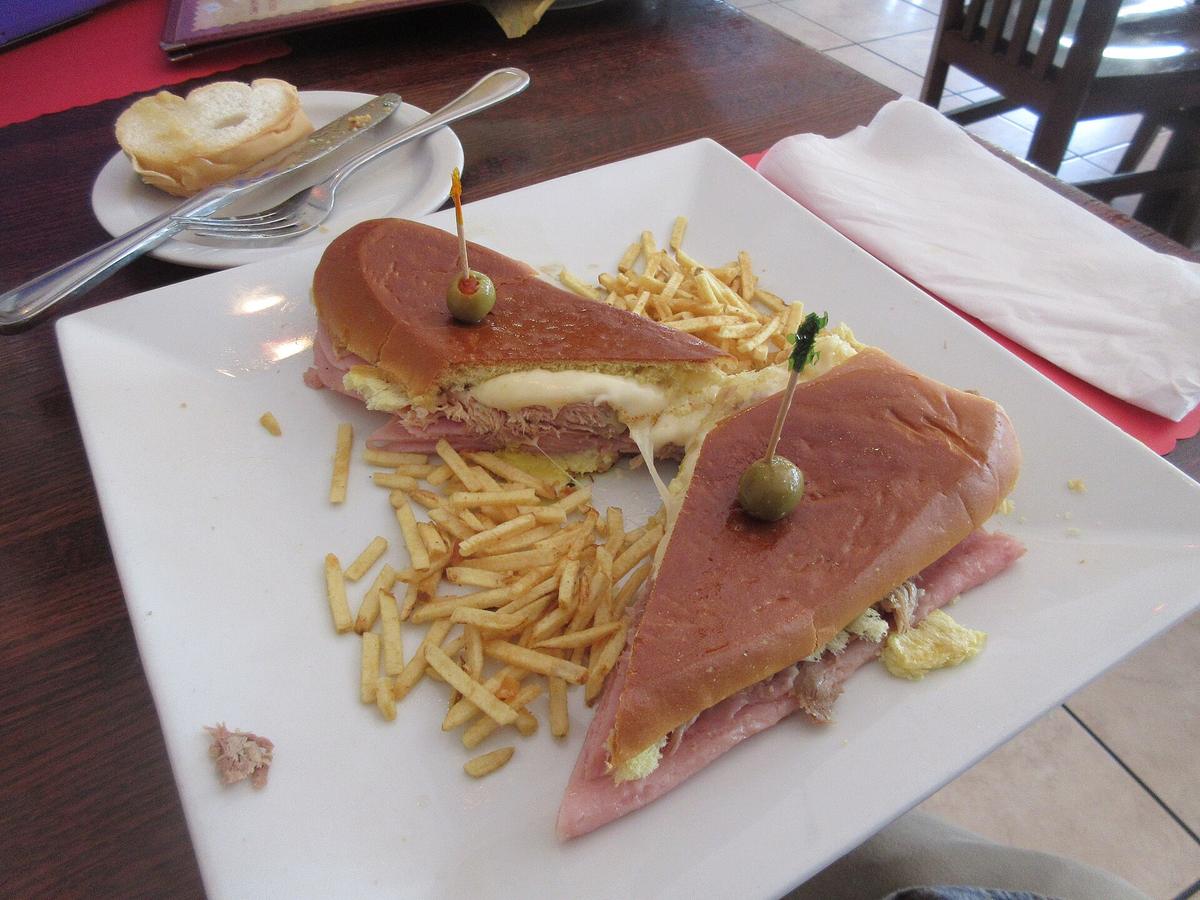

Cuban Food Miami Ventanita Guide
Little Havana is the core, but a Cuban bakery with a walk-up window exists in every Miami neighborhood. The guide is simple: look for the colada cups in the gutter outside, the Spanish spoken at the counter, and the lack of a menu in English. That is the real one.
On Calle Ocho, between 15th and 17th Avenues, you find the densest cluster. Versailles and El Rey de las Fritas (1821 SW 8th Street) are seven blocks apart. Walk between them. At El Rey, the specialty is the frita cubana, a spiced beef and chorizo patty on a Cuban roll with julienned shoestring potatoes crushed on top. Pay cash. El Rey de las Fritas is cash only.
How To Spot A Fake Cuban Sandwich
Avoid the sandwich on Ocean Drive. The tourist-facing indicator for a fake Cuban sandwich is pressed panini-style bread instead of traditional Cuban bread. The real thing uses lightly buttered bread pressed flat in a plancha, and the Miami version sometimes includes salami (Tampa also claims the origin and does not use salami; Miami's version is contested). The benchmark Cuban sandwich on Calle Ocho is at Sanguich de Miami, 2057 SW 8th Street. They cure the meats in house. Counter service, walk-in only, no reservation system.
Frita Cubana vs Cuban Sandwich: What to Order When
The frita cubana and the Cuban sandwich are different tools for different hunger levels. The Cuban sandwich is a pressed assembly of roast pork, ham, Swiss cheese, pickles, and mustard on Cuban bread. It is a lunch item, served from 11:00. The medianoche is the same fillings on sweet egg-dough bread called pan suave, and it is a late night sandwich, originally eaten after midnight at the cabarets. That is the historical distinction: Cuban bread by day, pan suave after dark.
The frita cubana is spiced, juicier, and arrives with potato sticks on top. Eat one when you want a burger but better. El Rey de las Fritas is the standard bearer. Order one frita and one papaya shake. You are done for less than the cost of a cocktail on Ocean Drive.
Miami Stone Crab Season Pattern
Stone crab season runs from mid October through mid May. The claws are harvested by taking one claw per crab and returning the crab to the water, where it regenerates the lost claw. This is a renewable catch. The claws are served chilled with mustard sauce. They are never hot.
The One Restaurant For The Ritual
The single restaurant for this ritual is Joe's Stone Crab at 11 Washington Avenue, Miami Beach. Joe's takes no reservations. You walk in. The wait for a table at weekend dinner can run two hours. Go for a weekday lunch at 11:30. The market price is posted daily at the restaurant and on the website. It varies by claw size: medium, large, jumbo, colossal. Expect to pay a market price that changes daily, set by the restaurant and published on its website. Joe's accepts cash and American Express only. That is not a rumor. Verify on their website before you go. If you do not have AmEx, bring cash.
The tourist trap indicator for stone crab is a non specialist seafood stand selling pre cracked claws. The real thing arrives whole. You crack them yourself with the mallet and nutcracker at the table. The mustard sauce is a Miami style: creamy, sharp, and yellow. Do not ask for cocktail sauce.
When The Season Is Closed
It is August and you want stone crab. You cannot get it. Season is closed. Order the key lime pie instead. Real key lime pie has yellow filling from key lime juice, not green. Every Cuban bakery in Miami sells a decent version.
Miami Restaurant Service Charge and Tipping Protocol
Miami restaurants add a service charge to the bill. It is usually 18 to 20 percent. It is not optional. It is not a tip. It appears on the line marked "service charge" or "gratuity included." Check the bill before you write in a tip. If the charge is already there, do not add another 20 percent. Add a few dollars in cash for the server if the work was genuinely excellent, but the base is covered.
This convention is common in South Beach, Brickell, and Wynwood. The failure case is a dinner where you do not check the bill and tip another 20 percent on top. That is money you overpaid because you did not look. The charge is printed on the itemized receipt. Read it. If you are confused, ask the server: "Is the service charge included?" They will tell you yes.
Miami Spice Months
The Miami Spice Months program runs August and September. Participating restaurants offer prix fixe lunch and dinner menus at reduced prices. The Greater Miami Convention & Visitors Bureau organizes it. This is a good time to try expensive rooms cheap. But the service charge rule still applies.
Where to Eat in Little Havana Miami
Little Havana is Calle Ocho, 8th Street, between 4th and 17th Avenues. You eat here for Cuban food, but not only for Cuban food. The neighborhood has been absorbing Central American and South American waves for decades. Walk the street and follow the smoke.
The Institutions
Versailles Restaurant (3555 SW 8th Street) is the institution. Go for the Cuban sandwich, the croquetas, and the café con leche. Peak wait time is 30 to 60 minutes on weekend evenings. Weekday lunch moves faster. The Domino Park, Maximo Gomez Park, is across the street. Old men play dominos. It is a landmark, not a tourist show. Look and move on.
Café La Trova, 971 SW 8th Street, won the James Beard Award for Outstanding Bar Program in 2023. The award is granted annually and the 2023 title may have changed; check the James Beard website for the current winner. Café La Trova serves dinner and drinks with live music nightly, typically from 20:00. Reservations accepted via website. Book 2 to 4 weeks ahead for a weekend dinner. Typical Miami dinner start time is 20:00 to 21:30. Lunch is 12:00 to 14:00. Café La Trova fits the later slot.
El Rey de las Fritas is further west on Calle Ocho at 1821 SW 8th Street. Cash only. Frita cubana only. Order, eat, leave. It is a counter, not a dinner room.
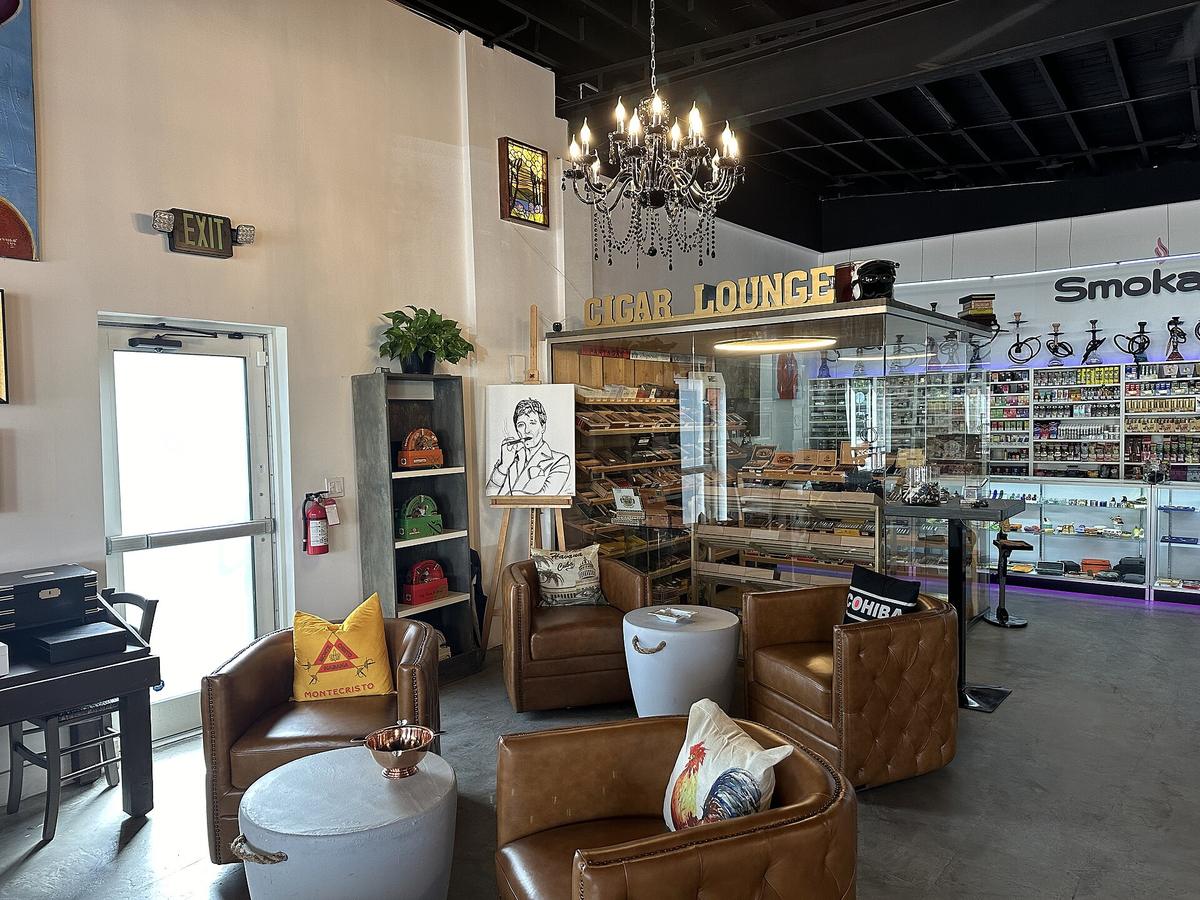

The Fine Dining Room: South of Fifth and Brickell Key
The glossy side of Miami food lives in two concentrated zones: South of Fifth (SoFi) in South Beach, and along Brickell Key. This is where you book 2 to 4 weeks ahead and arrive at 21:00. The dress code is sharp. The service charge is already on the bill.
Peruvian On The Key
La Mar by Gastón Acurio, 500 Brickell Key Drive, is Peruvian fine dining. The prevalent ceviche style in Miami is Peruvian: leche de tigre, sweet potato, cancha corn. La Mar does this at a high level. Reservations accepted via website. Dinner for two runs a market price set by the restaurant, published on its website, and the view of the Miami skyline is part of the cost.
South Beach Without A Reservation
South Beach fine dining clusters on Collins Avenue and Washington Avenue, south of 5th Street. Joe's Stone Crab is the only room in this category that does not take reservations. Everything else books up. Use OpenTable or the restaurant's own website. Saturday night, no reservation, you are hungry. Walk into the bar at a hotel restaurant on Collins Avenue. The bar menu costs less, the bar seats are first come, and the kitchen is the same.
The Fritanga: Strip Mall Counter Where the Locals Actually Eat
A fritanga is a Nicaraguan or Colombian grill restaurant, usually in a strip mall with a neon sign in Spanish. The menu is churrasco con chimichurri: skirt steak, grilled, sliced thin, served with chimichurri sauce, rice, beans, and fried plantains. You order at the counter, get a number, and sit on a plastic chair at a Formica table. The tea comes in a gallon jug.
Fritangas are spread across Miami: Hialeah, Doral, Kendall, Allapattah. There is no single address to rule them all. Look for the one with a line of construction trucks outside at 12:30. That is the one. The bill rarely exceeds a modest per-person price that the restaurant sets. No reservation system. No wine list. Cash is common but most now take cards.
The One Thing That Goes Wrong Most Often
The single most common failure in Miami dining is tipping twice because you did not check the bill. The service charge is already added. It is printed. Read it. If you add a second 20 percent, you have overpaid by exactly that amount. The second most common failure is staying on South Beach and never crossing the causeways into Little Havana, Hialeah, or Allapattah. That turns a multi layered food city into a bland plate of pad thai on Ocean Drive. Cross the water. Walk up to the window. Order a colada. Pour it into the tiny cups. That is Miami.
Common Questions
What is the difference between a Cuban sandwich and a medianoche?
The Cuban sandwich uses Cuban bread. The medianoche uses sweet egg dough bread called pan suave. The fillings are the same: roast pork, ham, Swiss cheese, pickles, mustard. The medianoche was historically eaten after midnight.
Can I get stone crab in August?
No. Stone crab season runs mid October to mid May. August is closed season. Order key lime pie, ceviche, or churrasco instead.
How do I know if my bill already includes a service charge?
Look for a line printed as 'service charge' or 'gratuity included' on the itemized receipt. It is usually 18 to 20 percent. If it is there, do not add another 20 percent tip. Add cash if the work was excellent.
What is a colada?
A colada is a 4 to 6 ounce cup of Cuban espresso served with small plastic cups for sharing. You order it at a walk-up window, pour into the tiny cups, and drink standing up.
Is Joe's Stone Crab worth the wait?
Yes, if you go at weekday lunch when the wait is 15 to 30 minutes instead of two hours. Bring cash or an American Express card. The restaurant takes no other payment methods.
Read next
-

 Miami Hotels, What the Price Bands Actually Get You Across the City
Miami hotel prices swing wildly by season, and a resort fee can reshape the total. Here is what each price band actually delivers across the city.
Miami Hotels, What the Price Bands Actually Get You Across the City
Miami hotel prices swing wildly by season, and a resort fee can reshape the total. Here is what each price band actually delivers across the city.
-
 Where to Stay in Miami, Choosing a District That Matches Your Trip
Every Miami district forces a trade-off between beach access, walkability, nightlife, and budget. This guide matches neighborhoods to the trip you actually want.
Where to Stay in Miami, Choosing a District That Matches Your Trip
Every Miami district forces a trade-off between beach access, walkability, nightlife, and budget. This guide matches neighborhoods to the trip you actually want.
-
 Flying Into Miami MIA vs FLL and Getting Out of the Airport
The assumption most first time visitors make is that Miami International Airport serves Miami and Fort Lauderdale Hollywood International serves Fort
Flying Into Miami MIA vs FLL and Getting Out of the Airport
The assumption most first time visitors make is that Miami International Airport serves Miami and Fort Lauderdale Hollywood International serves Fort
-
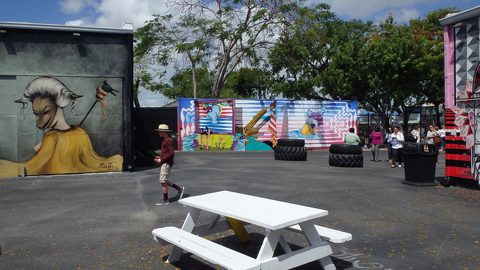 Things to Do in Miami, Ordered by Whether It Is Worth Your Limited Time
Not every Miami attraction earns its place on a four-day itinerary. This guide ranks what to do by how much of your limited time it deserves.
Things to Do in Miami, Ordered by Whether It Is Worth Your Limited Time
Not every Miami attraction earns its place on a four-day itinerary. This guide ranks what to do by how much of your limited time it deserves.
-
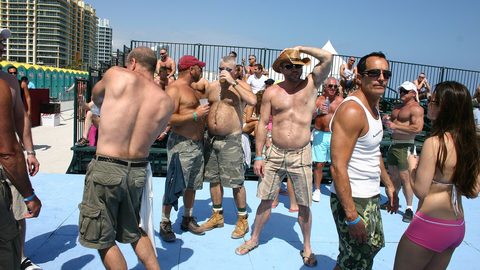 When to Visit Miami and What Each Season Does to the City
Miami's seasons reshape everything: hotel rates, beach comfort, traffic, and whether you will need an umbrella at 3pm every day. Here is the pattern.
When to Visit Miami and What Each Season Does to the City
Miami's seasons reshape everything: hotel rates, beach comfort, traffic, and whether you will need an umbrella at 3pm every day. Here is the pattern.
-
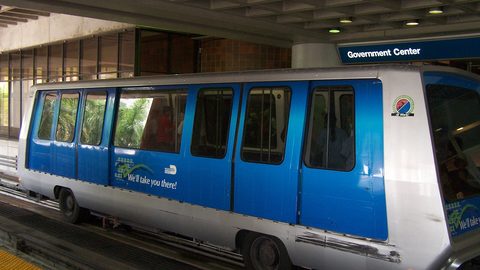 Getting Around Miami Without Wasting Half Your Trip in Traffic
Miami's transport mix confuses visitors: free Metromover, paid Metrorail, costly parking, and causeway gridlock. Here is how to move without losing half your day.
Getting Around Miami Without Wasting Half Your Trip in Traffic
Miami's transport mix confuses visitors: free Metromover, paid Metrorail, costly parking, and causeway gridlock. Here is how to move without losing half your day.
-
 United States Travel Guide for First-Timers Who Want the Real Picture
The United States delivers extraordinary geographic and cultural variety, but its sheer scale, car dependency, and tipping economy surprise first-timers. Start here.
United States Travel Guide for First-Timers Who Want the Real Picture
The United States delivers extraordinary geographic and cultural variety, but its sheer scale, car dependency, and tipping economy surprise first-timers. Start here.
-
 Staying Connected While Traveling Through the United States
Prepaid eSIMs work well in US cities, but a physical T-Mobile or AT&T SIM bought at arrival gives better rural coverage for national parks and long highway drives.
Staying Connected While Traveling Through the United States
Prepaid eSIMs work well in US cities, but a physical T-Mobile or AT&T SIM bought at arrival gives better rural coverage for national parks and long highway drives.
-
 Best Time to Visit the United States by Region and Season
The United States spans so many climates that no single season works everywhere. Here is what each region delivers, and when to stay away.
Best Time to Visit the United States by Region and Season
The United States spans so many climates that no single season works everywhere. Here is what each region delivers, and when to stay away.