Staying Downtown Versus Staying in Toronto's West End
Downtown Toronto hotels put you near the CN Tower but the core empties after dark. The west end has street life and late restaurants.
.jpg)
Staying Downtown Versus Staying in Toronto’s West End
The Downtown Toronto vs West End decision comes down to one number: what you plan to do after 7 p.m. The downtown core puts you beside the CN Tower and Union Station but empties out when the offices close. The west end, Queen West, Dundas West, the Annex, has dining rooms that seat walk-ins at 10 p.m. and bars open past midnight. The subway connects them, but the ride takes 15 to 25 minutes each way, and it stops running around 1:30 a.m. That tradeoff is the whole decision. Pick based on your evening, not on proximity to the SkyDome.
| Factor | Downtown Core | West End |
|---|---|---|
| Evening street life | Limited after 7 p.m.; clusters on King West and Entertainment District | Active until late; restaurants, bars, patios on Queen West, Ossington, Dundas West |
| Nearest major sight | CN Tower, Ripley's Aquarium, St. Lawrence Market within 2 km of Union Station | High Park, Kensington Market (boundary zone); 15-25 min transit to downtown sights |
| Hotel inventory | Full-service hotels, boutique hotels, high-rise condo rentals | Few hotels; more short-term rental apartments and converted Victorian houses |
| Transit to downtown | Walking distance | 10-25 min on Line 1 or Line 2; 15-30 min during weekend subway closures |
| Restaurant type | Chains, high-end expense-account dining | Independent, chef-driven, global; walk-in culture in Kensington and Parkdale |
| Weekend subway risk | Low; Line 1 maintenance affects northern segments | High; Line 2 and western Line 1 closures common; shuttle buses add 15-30 min |
| Late-night transit option | Streetcar 24-hour routes on King, Queen, Carlton, Spadina | Same streetcar network; Blue Night buses every 30 min on major corridors |
Toronto Accommodation Downtown Core vs Queen West
The downtown core bounded by Bloor Street, Lake Ontario, Jarvis Street and Bathurst Street puts you in the glass tower zone. The Royal Ontario Museum, Art Gallery of Ontario and CN Tower are within a 20-minute walk of each other. St. Lawrence Market, get the peameal bacon sandwich from Carousel Bakery, opens Tuesday through Saturday, closed Sunday and Monday. The downsides come after dinner. The district's character is business energy by day and dead sidewalks by night. King West and the Entertainment District have concentrated nightlife, but the blocks between them are long and the street-level storefronts are mostly chain restaurants and bank branches. The COMMON_MISTAKE from the research sheet names this exactly: staying in the financial core and judging the city by its least interesting streets produces the most common complaint, that the city felt sterile and soulless.
Queen West And West Queen West
Queen West, running west from Bathurst Street into West Queen West, flips the script. This is the city's coolest strip: boutiques, galleries, bars, and independent restaurants that label menus for dietary restrictions. Plant-based and gluten-free are widely available in the west end whereas downtown core dining skews toward chains and expense-account rooms. Graffiti Alley, a legal street-art corridor south of Queen West, is free and quick. Kensington Market, sitting at the boundary between downtown and west end, offers chaotic Victorian streets, vintage shops and global food stalls; Pedestrian Sundays provide the best window into its street life.
The West End Failure Case
The failure case for a west-end stay is the commute. If you want to see seven of the ten listed attractions within a 2 km radius of Union Station, you are looking at a 15 to 25 minute transit ride each way, and weekend subway closures make that 30 to 45 minutes on shuttle buses.
Toronto Subway Line 1 Neighbourhood Access and What it Means for Your Stay
Line 1 Yonge-University runs as a U-shape through the downtown core, connecting Union Station at the bottom of the U to stops like Dundas, Queen, and St. Patrick. If you stay in the downtown core, you are likely within walking distance of at least one Line 1 stop. The UP Express from Toronto Pearson connects to Union Station in 25 minutes, roughly $12 CAD one-way for an adult, a fixed-cost arrival that beats the $55 to $70 taxi or rideshare flat rate.
West End Transit Dependence
Staying in the west end means you depend on Line 2 Bloor-Danforth or surface streetcars. Line 2 runs every 3 to 6 minutes during daytime and intersects Line 1 at Spadina and St. George, making transfers to downtown a single change. From a base near High Park, the ride to Union Station takes about 20 minutes. From Dundas West, about 15 minutes. The catch is the weekend. The TTC publishes scheduled maintenance closures; west-end segments of Line 2 and the western leg of Line 1 get shut down for track work on many weekends between May and October. Shuttle buses replace trains and add 15 to 30 minutes to the journey. For short-stay visitors on a 48-hour schedule, those lost minutes hurt. For a four-day stay, the tradeoff is manageable.
Paying And Planning
Payment is flat fare per trip with a two-hour unlimited transfer window. Tap a PRESTO card or contactless credit/debit card. The Transit app gives real-time TTC data and is more reliable than Google Maps for surface routes.
Toronto West End Neighbourhoods Base: Where to Plant Yourself
The west end in scope runs from Bathurst Street west to roughly Keele Street, Lake Ontario north to St. Clair Avenue West. It is not one place. Each neighbourhood has a different transit profile and evening character.
West Queen West And The Ossington Strip
Concentrates chef-driven small plates and natural wine bars. Reservations essential for prime-time dinner Thursday through Saturday. You want a Line 2 stop (Ossington, Dufferin) or the 501 Queen streetcar running 24 hours. Walk-in culture is weaker here than in Kensington Market; book ahead.
Parkdale And Roncesvalles
Parkdale brings Tibetan momos, South Asian and Filipino food alongside artist-run spaces. Roncesvalles is Polish-heritage family-oriented with a village main street and independent cafés. Both are served by the 501 Queen and 504 King streetcars, both 24-hour routes. The streetcar ride to downtown takes 25 to 35 minutes in mixed traffic, the grid is slow but reliable.
Little Italy And Little Portugal
Established residential-commercial strips with trattorias, churrascarias and pastelarias. College Street (506 Carlton streetcar, 24-hour) and Dundas Street West connect you. Line 2 stops at Ossington and Dufferin are a 10-minute walk from the main strips.
Kensington Market And Chinatown
Sit at the edge of the west end and downtown, so they function as a compromise base. Kensington Market has eclectic counter-service global street food and a walk-in culture that requires no advance planning. Chinatown (Spadina-Dundas) runs late: Cantonese, Vietnamese and Chinese regional restaurants serving past 11 p.m. The 510 Spadina streetcar runs 24 hours and connects directly to Line 1 at Spadina.
The Junction And Bloordale
Former industrial neighbourhoods turned independent retail and brewing zones. Breweries, low-key restaurants, a 30-something creative class. Line 2's Keele stop puts you 20 minutes from Union Station. Weekend closures hit this zone harder because there are fewer alternative surface routes than on Queen or King.
Toronto Downtown Hotel Sterile Evening Problem: the Research Says it Directly
The research sheet names the COMMON_MISTAKE: staying only in the financial core and judging the city by its least interesting streets produces the most common complaint, that the city felt sterile and soulless. This is the downtown hotel sterile evening problem in the keywording. It is real.
Who Should Stay Downtown
The fix is not to avoid downtown entirely. The downtown core suits first-time visitors who prioritize proximity to the CN Tower, museums, theatres and sports venues. Business travellers and short-stay visitors on a 48-hour trip who want to walk to major sights should stay downtown and accept that after 9 p.m. the street life contracts to a few blocks on King West and the Entertainment District. The failure case is choosing downtown without a plan to leave the core for dinner. A hotel within walking distance of the CN Tower but two kilometres from a decent independent restaurant produces the sterile complaint reliably.
How To Choose Your Base
If you stay downtown, book a room near a streetcar line, the 504 King or 501 Queen, so you can escape the core in 15 minutes. If you stay in the west end, verify that your accommodation is within a 10-minute walk of a Line 1 or Line 2 stop, or a 24-hour streetcar route. The night bus network, Blue Night Network of 27 routes, runs every 30 minutes all night on major corridors, but a 1 a.m. bus from Queen West to a hotel near Bloor and Jarvis takes 45 minutes and is not a pleasant arrival.

.jpg)
Worth it if
- West end evenings have independent restaurants, bars, and street life that run late; booking a table at 9 p.m. is normal.
- West end accommodation skews toward short-term rental apartments and converted Victorians with kitchens, useful for stays of 4+ days.
- Downtown core puts you within walking distance of 7 of the 10 major attractions: CN Tower, ROM, AGO, St. Lawrence Market, Distillery District, Harbourfront Centre, Ripley's Aquarium.
- Downtown hotel breakfast and front desk services are predictable and available; west-end rentals require self-catering.
Skip it if
- Downtown core dining skews toward chains and high-end expense-account restaurants; finding a $15 dinner without a reservation after 9 p.m. is difficult.
- Downtown street noise is higher; rooms above the 10th floor mitigate it, but budget rooms face the street.
- West end requires a 15-25 minute transit ride to major sights; weekend subway closures add 15-30 minutes via shuttle bus.
- West end has fewer large hotels; if you want a full-service concierge and a pool, you are staying downtown or in Yorkville.
Read next
-
 Toronto Hotels and What the Price Bands Actually Get You
Toronto hotel prices cluster into bands that deliver distinctly different experiences, from suburban chain functionality to character-rich midrange spots in
Toronto Hotels and What the Price Bands Actually Get You
Toronto hotel prices cluster into bands that deliver distinctly different experiences, from suburban chain functionality to character-rich midrange spots in
-
 Where to Stay in Toronto and What Each District Costs You
Where you stay in Toronto shapes everything about your trip. Each district comes with a tradeoff in transit time, street life, and what you can walk to after dinner.
Where to Stay in Toronto and What Each District Costs You
Where you stay in Toronto shapes everything about your trip. Each district comes with a tradeoff in transit time, street life, and what you can walk to after dinner.
-
 Flying Into Toronto Pearson or Billy Bishop and Getting Downtown
Flying into Toronto means choosing between Pearson and Billy Bishop. Here's how each airport works and how to get downtown from both.
Flying Into Toronto Pearson or Billy Bishop and Getting Downtown
Flying into Toronto means choosing between Pearson and Billy Bishop. Here's how each airport works and how to get downtown from both.
-
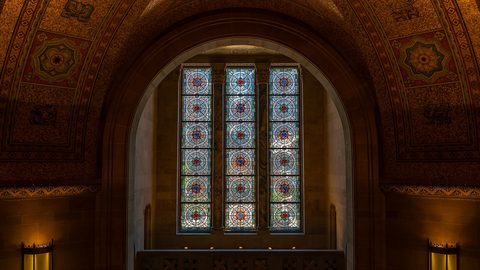 What to Do in Toronto Ordered by Whether It Is Worth the Time
Toronto's attractions compete for your limited days. Some earn their time cost, others don't. This ranks them by what you actually get for the hours you spend.
What to Do in Toronto Ordered by Whether It Is Worth the Time
Toronto's attractions compete for your limited days. Some earn their time cost, others don't. This ranks them by what you actually get for the hours you spend.
-
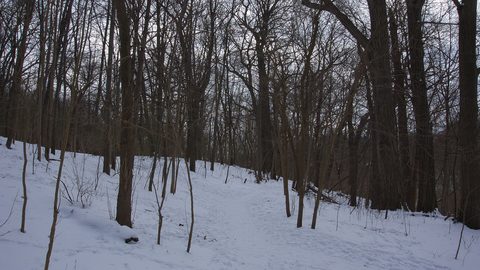 When to Visit Toronto and What Each Season Does to the City
Toronto shifts dramatically with the seasons, from festival-packed spring and fall shoulders to humid summer patios and bitter winter sidewalks that never
When to Visit Toronto and What Each Season Does to the City
Toronto shifts dramatically with the seasons, from festival-packed spring and fall shoulders to humid summer patios and bitter winter sidewalks that never
-
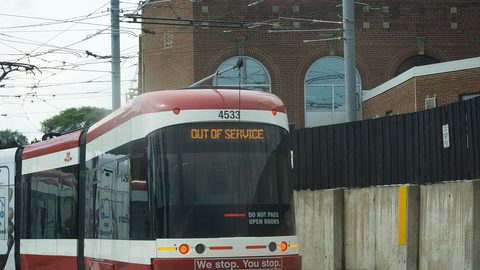 Getting Around Toronto Without Wasting Half Your Trip in Transit
Toronto's transit map looks simple but hides slow surface routes, a disorienting underground maze, and walking distances everyone underestimates.
Getting Around Toronto Without Wasting Half Your Trip in Transit
Toronto's transit map looks simple but hides slow surface routes, a disorienting underground maze, and walking distances everyone underestimates.
-
 CN Tower
The CN Tower anchors Toronto's skyline, but a good visit depends on booking ahead for sunset slots and knowing which experience fits your time and tolerance
CN Tower
The CN Tower anchors Toronto's skyline, but a good visit depends on booking ahead for sunset slots and knowing which experience fits your time and tolerance
-
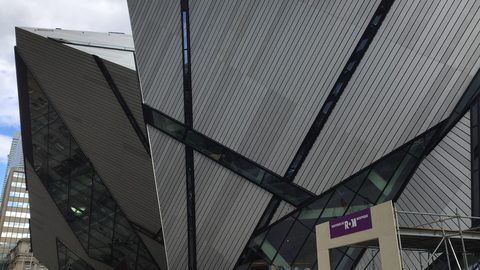 Royal Ontario Museum
The Royal Ontario Museum pairs world cultures with natural history inside a crystal-winged building, and a focused visit to two or three galleries beats a
Royal Ontario Museum
The Royal Ontario Museum pairs world cultures with natural history inside a crystal-winged building, and a focused visit to two or three galleries beats a
-
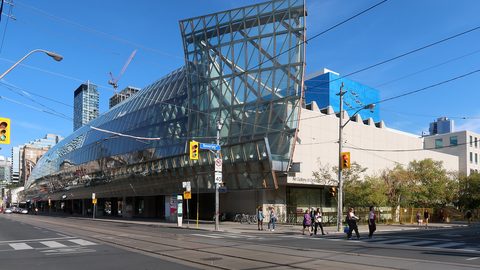 Art Gallery of Ontario
The Art Gallery of Ontario pairs a deep Group of Seven collection with Frank Gehry's glass-and-wood redesign, a focused art experience steps from Chinatown
Art Gallery of Ontario
The Art Gallery of Ontario pairs a deep Group of Seven collection with Frank Gehry's glass-and-wood redesign, a focused art experience steps from Chinatown