Toronto Districts Where You Might Actually Sleep and Wake Up Happy
Where you stay in Toronto shapes everything about your trip. Each district comes with a tradeoff in transit time, street life, and what you can walk to after dinner.
Toronto Districts Where You Might Actually Sleep and Wake Up Happy
The most common mistake first time visitors make when deciding where to stay in Toronto is booking a hotel in the financial core and judging the entire city by its emptiest streets after 8pm. Toronto is not a compact sightseeing city where landmarks cluster within a ten minute walk. It is a patchwork of distinct neighbourhoods stitched together by long subway and streetcar rides, and the real payoff comes from eating your way through its immigrant communities rather than ticking off monuments. A downtown hotel without a plan to leave the core produces the most common complaint: the city felt sterile and soulless.
The question you need to answer before you book is which tradeoff you are willing to accept. Every district forces one. The downtown core puts you near Union Station and every subway line, but leaves you in dead evening glass canyon territory. Leslieville gives you brunch on a low rise main street and vinyl shops, but adds forty minutes of travel to every major sight. Yorkville buys you luxury and walkable access to the Royal Ontario Museum at the top of the market. Compare Toronto districts by the cost of each choice, so you finish knowing which one matches your trip style.
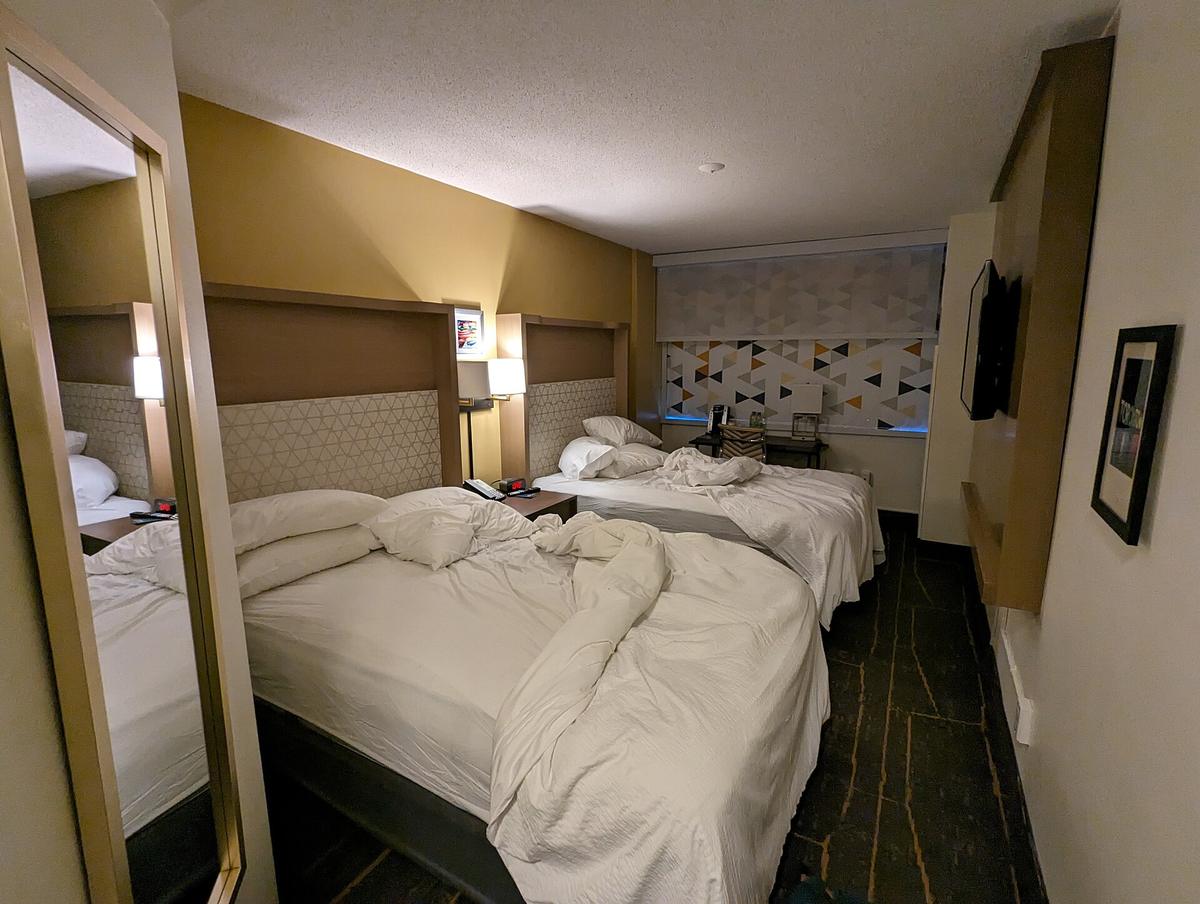

Toronto Neighbourhood Guide Accommodation: the Core Tradeoffs
The Walkable Core And Its Empty Evenings
A Toronto neighbourhood guide to accommodation has to start with the fact that Walk Scores plummet fast outside a very small radius. The Entertainment District and King West score 97, putting every restaurant and bar within a five minute walk. You can stumble from a TIFF Bell Lightbox screening to a late dinner without touching a sidewalk. The downside is that the Entertainment District west of Spadina Avenue near the Gardiner Expressway is the area most visitors regret booking. Highway noise, distance from subway stations, and few street level amenities after business hours produce a hollow experience.
South Core near Scotiabank Arena and Rogers Centre works for sports event attendees and convention attendees heading to the Metro Toronto Convention Centre, but the same dead evening problem applies. The Financial District proper has fine dining and zero street life after dark. If you plan to spend most of your trip inside museums and restaurants that require reservations, the Entertainment District serves you well. If you want to wander, you need to stay somewhere else.
Yorkville And The Annex
Yorkville scores 94 on Walk Score and does not suffer the emptiness problem. Designer flagships, valet parking, and the densest collection of fine dining restaurants in Toronto cluster along Bloor Street West. The Royal Ontario Museum is a five minute walk. The Annex, directly north, offers leafier streets, bookshops, and patio culture at slightly lower rates. The tradeoff is price: Yorkville sits at the top of the market. The Annex pulls a student intellectual crowd and gives you Bloor Street culture without the designer price tags, but your Walk Score drops to the high eighties and some blocks require a ten minute walk to the subway.
Best Areas to Stay Toronto First Visit: Where Short Stays Work
Four Days Is The Minimum
The best areas to stay Toronto first visit depend on how many days you have. Four full days is the minimum the city requires. Anything less forces you to choose between the downtown core and the neighbourhoods where the city actually lives, and you will spend too much of it moving between them. For a first time short stay, the Entertainment District or King West is the district for first time short stay visitors. You are within walking distance of the CN Tower, Ripley's Aquarium, and the St. Lawrence Market food hall. You can reach Union Station in under ten minutes on foot, which gives you the UP Express to Pearson Airport in 25 minutes.
The cost of this choice is that you will see Toronto's least interesting face first. The glass towers and construction barriers along Queen Street streetcar diversions will make the city feel like a business district that happens to have a few attractions. Counter that by booking a hotel east of University Avenue, closer to the St. Lawrence district, where the historic flatiron buildings and the St. Lawrence Market create actual street character. The Garden District and Fashion District offer slightly lower rates than the Entertainment District proper and put you closer to the Art Gallery of Ontario and Graffiti Alley.
| District | Walk Score | What You Gain | What You Sacrifice |
|---|---|---|---|
| Entertainment District / King West | 97 | Proximity to CN Tower, Ripley's, TIFF Bell Lightbox, Union Station, 25-minute airport express | Dead evenings west of Spadina, highway noise near Gardiner, few neighbourhood amenities after dark |
| Yorkville | 94 | Densest fine dining concentration, ROM a five-minute walk, designer shopping, luxury hotel stock | Top of the market, limited late-night casual dining, feels exclusive rather than lived-in |
| The Annex | High 80s | Bookshops, patios, Bloor Street culture, student energy, lower prices than Yorkville | Ten-minute walk to subway on some blocks, fewer luxury hotel options |
| Kensington Market / Chinatown | Mid 90s | Global food stalls, vintage shopping, late-night Chinese restaurants, most vegetarian options in the city | Noise from street life until late, parking impossible, hotel stock is mostly small boutique or short-term rental |
| Leslieville | 82 | Independent cafes, vinyl shops, low-rise calm, stroller-friendly, family tavernas | 40-minute travel to every major sight, limited nightlife, few hotel options beyond guesthouses |
| Distillery District | Pedestrian-only core | Cobblestone pedestrian village, galleries, Christmas market, Victorian industrial architecture | Limited grocery options, quiet at night outside events, higher price per square foot of room |
| Danforth / Greektown | High 70s | Family tavernas, patios, neighbourhood-scale main street, subway access on Bloor-Danforth line | 30-minute subway ride to downtown core, limited upscale dining, fewer hotel choices |
| North York Centre | 72 | Rates drop 40-60% vs downtown, Yonge Street subway corridor, 24-hour routes | 50-minute subway to the core, feels like a suburban high street, limited street life after 10pm |
| Scarborough Town Centre | 55 | Lowest rates, best Sri Lankan and Chinese regional cuisine, GO Transit access | Requires a car, 60+ minute travel to downtown, no street life to speak of |
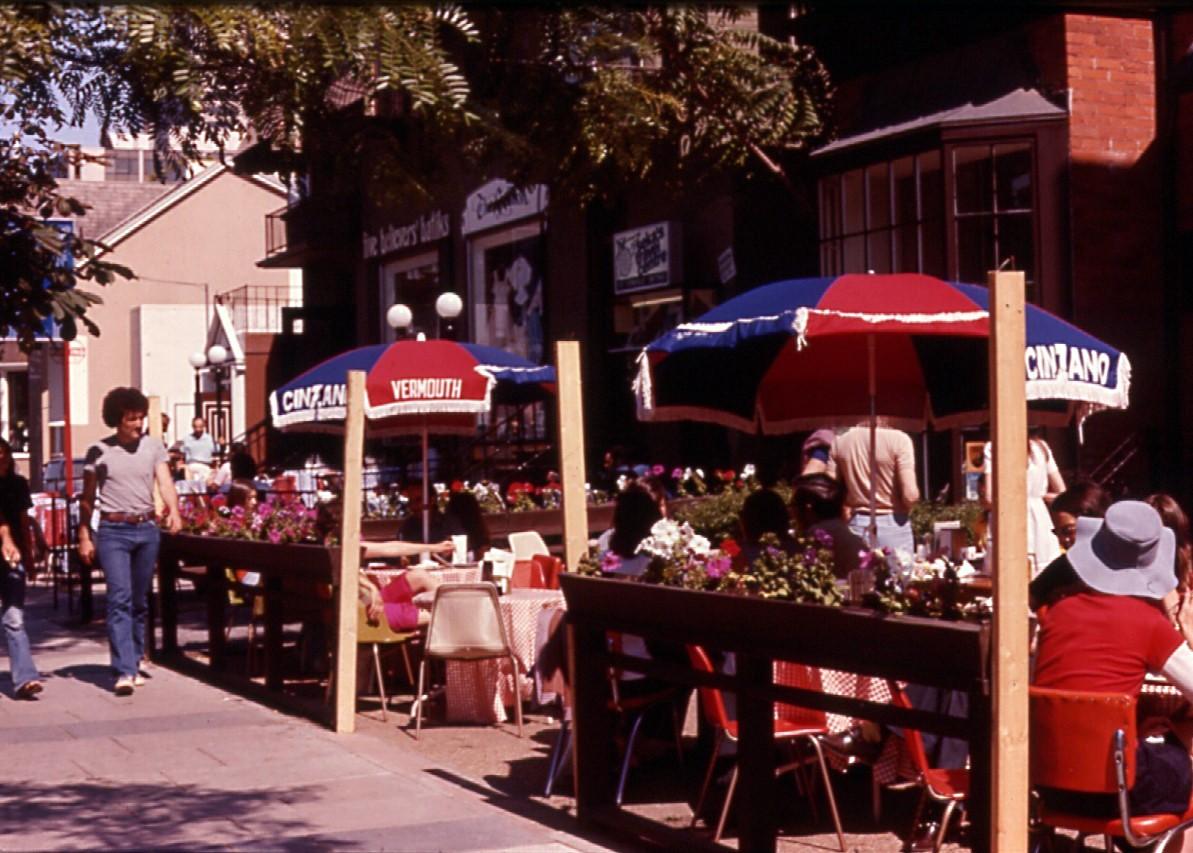

Staying Outside Downtown Toronto: When it Makes Sense and When it Doesn’t
Neighbourhoods Worth The Commute
Staying outside downtown Toronto saves you 30 to 50 percent on accommodation for properties one kilometre or more from a subway station entrance, and 40 to 60 percent for properties in inner suburbs within 500 metres of a GO Transit station. The question is whether the savings justify the travel time. Leslieville, Roncesvalles Village, and the Danforth all sit inside the old city boundaries and offer genuine neighbourhood life without requiring a car for daily errands. Leslieville scores 82 on Walk Score. You can reach a grocery store, a coffee roaster, and a restaurant without stepping onto a bus. The price to walking distance tradeoff works because you pay less for the room and spend more on rideshares into the core.
Roncesvalles Village offers the densest concentration of Polish restaurants in Toronto and independent bookshops, plus a streetcar that runs straight into the downtown core. The Beaches, with a Walk Score of 75, gives families the boardwalk and Kew Gardens beach but demands a 30 minute streetcar ride to reach the subway.
Where A Car Becomes Essential
The districts to avoid without a car are Etobicoke west of Royal York Road and Scarborough east of Victoria Park Avenue. Both have poor connections, long blocks, and few street level amenities within walking distance of hotels. A visitor staying there without a rental car will spend 45 minutes each way on a bus and subway journey to reach anything on the list of landmarks. The budget savings disappear when you add daily rideshare fares. If you need to stay cheap and car free, North York Centre along Yonge Street works better: it sits on the Line 1 subway, has a Walk Score of 72, and the 24 hour routes along the Yonge corridor mean you never get stranded. You sacrifice street life and dining variety but you keep mobility.
How to Match Your Trip Style to a Toronto District
Nightlife, Film, And Luxury
Match your district to your trip style, not to a star rating. For live music and nightlife, book along Queen Street West between University Avenue and Dufferin Street, where you find the densest collection of music venues under 500 capacity and live jazz venues in the city. The cost is noise and construction: the Queen Street streetcar diversions break schedules regularly, and the Gardiner Expressway rumble reaches the southern blocks. For a film festival trip, the Entertainment District near TIFF Bell Lightbox is the only sensible choice. You walk to screenings and industry events. You pay peak rates during early September when the Toronto International Film Festival spikes prices.
For a luxury shopping and fine dining trip, Yorkville is your district. You get the ROM, designer flagships, and the densest concentration of fine dining restaurants in Toronto. You pay the top room rates in the city and accept that the streets feel curated rather than lived in.
Food And Families
For a food focused trip, skip Yorkville entirely. Stay in Chinatown or Kensington Market, where produce spills onto sidewalks and late night Chinese dining operates until 3am. The densest concentration of dim sum restaurants is in Chinatown East and Scarborough Agincourt, but those require a car or a long bus ride. Kensington Market gives you pedestrian Sunday crowds, the densest concentration of vintage clothing stores in the city, and the most vegetarian and vegan restaurant options in Toronto, all within a five minute walk of your room. The tradeoff is that Kensington Market is loud, parking is impossible, and the hotel stock is mostly small boutique properties or short-term rentals registered with the City of Toronto. Verify the host's registration number before booking to avoid the short-term rental complaints concentrated at the Ice Condos and CityPlace towers.
For families with children, Riverdale or The Beaches gives you public parks over five hectares, off street bike lanes, and the quiet low rise calm that Leslieville offers but with more green space. Riverdale sits closer to the subway, so you shave ten minutes off every trip into the core. The Beaches gives you a beach and a boardwalk but adds a 30 minute streetcar ride to the subway. Either district works if you accept that you will not be walking to the CN Tower for sunset. Plan one major sight per day and use the Transit app, which provides real time TTC data and is more reliable than Google Maps for surface routes. Carry a PRESTO card or tap a contactless credit card. The two hour transfer window on a single fare covers most round trips within a single neighbourhood.
Common Questions
What is the biggest regret first-time visitors have about where they stayed in Toronto?
Booking a hotel in the downtown core west of Spadina Avenue near the Gardiner Expressway. Highway noise, a long walk to the subway, and zero street-level amenities after 8pm produce the common complaint that the city felt sterile and soulless.
Which district should I choose if I am coming for a food-focused trip?
Kensington Market or Chinatown gives you global food stalls, late-night Chinese dining, and the densest concentration of vegetarian restaurants in the city. The tradeoff is noise and limited hotel stock. Book a room on a side street off Spadina.
I am visiting with children. Which district works best?
Riverdale or The Beaches. Both give you parks over five hectares, stroller-friendly streets, and family tavernas. The Beaches has the boardwalk and a beach. You sacrifice quick access to the CN Tower and ROM, so budget 30 minutes each way.
How much time do I need to see Toronto properly?
Four full days minimum. Anything less forces you to choose between the downtown core and the neighbourhoods where the city actually lives, and you will spend too much of it moving between them. A 48-hour trip to Toronto feels unsatisfying for most visitors.
Read next
-
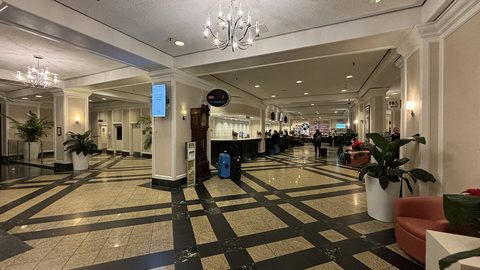
 Toronto Hotels and What the Price Bands Actually Get You
Toronto hotel prices cluster into bands that deliver distinctly different experiences, from suburban chain functionality to character-rich midrange spots in
Toronto Hotels and What the Price Bands Actually Get You
Toronto hotel prices cluster into bands that deliver distinctly different experiences, from suburban chain functionality to character-rich midrange spots in
-
 Flying Into Toronto Pearson or Billy Bishop and Getting Downtown
Flying into Toronto means choosing between Pearson and Billy Bishop. Here's how each airport works and how to get downtown from both.
Flying Into Toronto Pearson or Billy Bishop and Getting Downtown
Flying into Toronto means choosing between Pearson and Billy Bishop. Here's how each airport works and how to get downtown from both.
-
 What to Do in Toronto Ordered by Whether It Is Worth the Time
Toronto's attractions compete for your limited days. Some earn their time cost, others don't. This ranks them by what you actually get for the hours you spend.
What to Do in Toronto Ordered by Whether It Is Worth the Time
Toronto's attractions compete for your limited days. Some earn their time cost, others don't. This ranks them by what you actually get for the hours you spend.
-
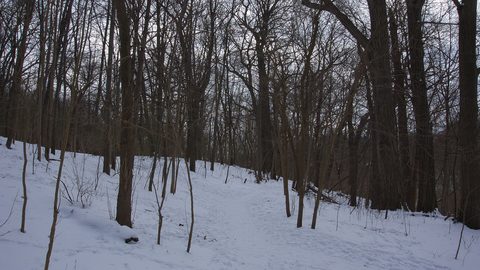 When to Visit Toronto and What Each Season Does to the City
Toronto shifts dramatically with the seasons, from festival-packed spring and fall shoulders to humid summer patios and bitter winter sidewalks that never
When to Visit Toronto and What Each Season Does to the City
Toronto shifts dramatically with the seasons, from festival-packed spring and fall shoulders to humid summer patios and bitter winter sidewalks that never
-
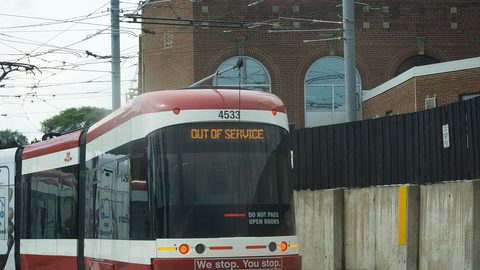 Getting Around Toronto Without Wasting Half Your Trip in Transit
Toronto's transit map looks simple but hides slow surface routes, a disorienting underground maze, and walking distances everyone underestimates.
Getting Around Toronto Without Wasting Half Your Trip in Transit
Toronto's transit map looks simple but hides slow surface routes, a disorienting underground maze, and walking distances everyone underestimates.
-
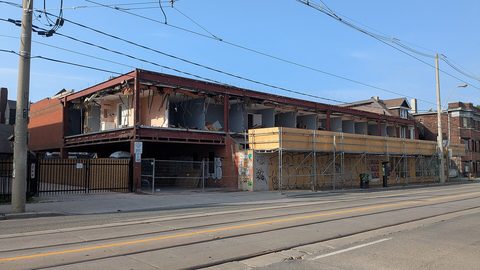 How to Spend Two or Three Days in Toronto Without Rushing
A Toronto itinerary that works: how to spend two or three days in the city's neighbourhoods instead of getting stuck in the financial core.
How to Spend Two or Three Days in Toronto Without Rushing
A Toronto itinerary that works: how to spend two or three days in the city's neighbourhoods instead of getting stuck in the financial core.
-
 Canada Travel Guide for First-Timers Who Have No Idea How Big It Is
Canada is the second-largest country on earth, and its vastness punishes anyone who mistakes it for a quick trip between iconic sights.
Canada Travel Guide for First-Timers Who Have No Idea How Big It Is
Canada is the second-largest country on earth, and its vastness punishes anyone who mistakes it for a quick trip between iconic sights.
-
 Staying Connected Across Canada Without Roaming Surprises
A mobile plan bought from Rogers in Toronto can trigger roaming charges the moment you cross into Manitoba. That is not a glitch. That is Canada.
Staying Connected Across Canada Without Roaming Surprises
A mobile plan bought from Rogers in Toronto can trigger roaming charges the moment you cross into Manitoba. That is not a glitch. That is Canada.
-
 When to Visit Canada and What Each Season Actually Delivers
Canada's reliable travel window runs June to September. Outside that, rural attractions close, daylight vanishes, and winter is aggressively extreme.
When to Visit Canada and What Each Season Actually Delivers
Canada's reliable travel window runs June to September. Outside that, rural attractions close, daylight vanishes, and winter is aggressively extreme.