Choosing the Best Time to Visit Toronto for Your Kind of Trip
Toronto shifts dramatically with the seasons, from festival-packed spring and fall shoulders to humid summer patios and bitter winter sidewalks that never
Toronto Through the Year and What Each Season Costs You
The best time to visit Toronto is the shoulder season, May and June or September and October, when the weather is usable without the humidity and the festival calendar is full. Outside those windows, every season asks you to trade something: comfort for crowds, budget for access, street life for survival gear. Toronto does not have a bad month. It has a wrong month for your trip style. Here is what each one actually demands.
Toronto Seasons Month by Month
Winter: January to March
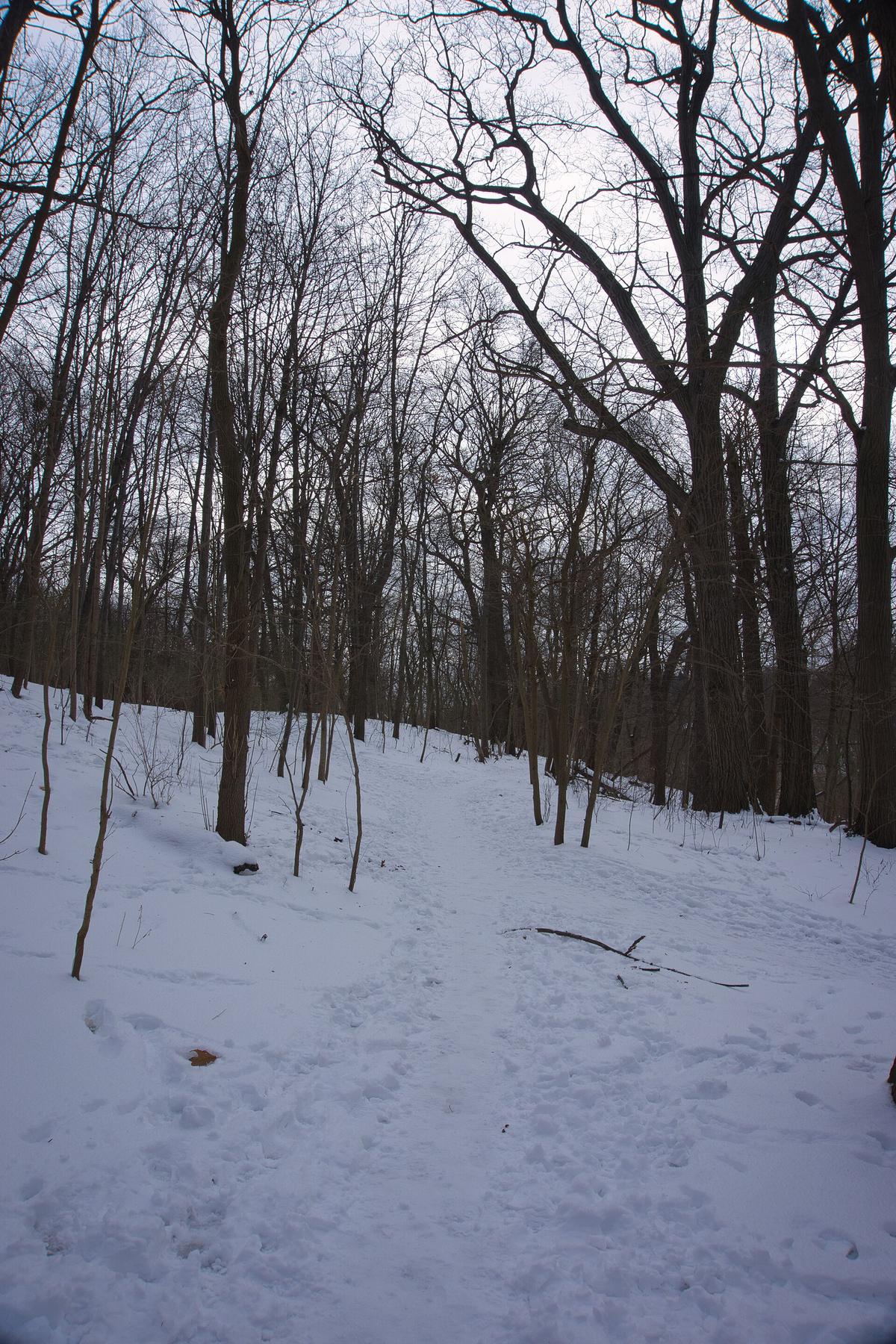
Toronto runs on four distinct seasons. Winter, January to March, is bitter. Snowfall varies, but the heaviest accumulation lands in January and February. Sidewalks turn to slush. Street life thins. Seasonal patios close. The Toronto Island ferry service reduces, and most island businesses shut down. What opens instead: outdoor skating rinks, holiday markets into late December, and indoor farmers markets that keep the food scene alive. Walkable distances feel longer when the wind comes off the lake.
Spring and Summer
Spring, April and May, is variable. One day hits 15°C, the next brings freezing rain. Cherry blossoms in High Park peak in late April or early May, drawing short-term crowds. By late May, the city tilts toward outdoor life as patios reappear and the first street-food stalls open. Summer, June to August, is warm to hot and humid. The lake moderates temperatures near the waterfront, but inland areas show a wider daily range, and summer humidity can raise the perceived temperature well above the measured high.
Autumn
September and October bring cooling air and leaf colour in the ravines and parks, though the timing shifts with the weather.

| Season | Weather | Street Life | Crowds | What Cost You |
|---|---|---|---|---|
| Winter (Jan-Mar) | Bitter, snow, slush | Thin, functional | Low season outside holiday markets | Cold limits walking; patios closed |
| Spring (Apr-May) | Variable, 5-15°C | Building, patios return late May | Shoulder, moderate | Unpredictable weather eats a day |
| Summer (Jun-Aug) | Humid, 25-30°C+ | Peak, patios full, festivals every weekend | Peak season; Caribana, Pride, CNE | Hotel prices high; humidity drains you |
| Autumn (Sep-Oct) | Cool, 10-20°C, leaf colour | Strong, TIFF crowds then eases | Shoulder, variable | TIFF stretches hotel rates; then value returns |
Toronto Peak Tourist Season Crowds
Summer Crowds and September Festivals
Peak visitor season runs late spring to early autumn, May to October. Within that window, July and August deliver both the highest temperatures and the most bodies. Pride weekend fills the Church-Wellesley area with street closures and crowds. Caribana weekend draws a surge that strains hotels across the core. The Canadian National Exhibition, late August to Labour Day, adds waterfront crowds around Exhibition Place and compounds what is already a tight hotel market.
September brings the Toronto International Film Festival, which drives downtown congestion and hotel pressure for roughly ten days. If you are not attending TIFF, the congestion is a cost without a benefit. Nuit Blanche, an overnight contemporary art event, closes streets and packs late-night transit. March school break week crowds the indoor attractions, the Royal Ontario Museum and Ripley's Aquarium especially. Book timed entry online for the aquarium year round, but during break week, arrive by 09:00 or skip it.
What Happens If You Don't Plan
The failure case: arriving in July without a hotel reservation three months out, expecting to walk into a downtown room at a reasonable rate. That room does not exist during Caribana. If you are priced out of the core, stay in Scarborough or The Annex and budget for the 40-minute transit ride into the centre each morning.
Toronto Festival Calendar Planning
Spring and Summer Festivals
Hot Docs runs in late April and early May, bringing documentary film programming to venues across the downtown core. Luminato, a multi-arts festival, takes over June with theatre, music and installations. Doors Open Toronto, also in May, grants free access to buildings normally closed to the public. If you plan around these, you get the best weather and manageable crowds.
Summerlicious runs in July and August, a fixed price restaurant promotion that lets you eat at mid range and upscale places for a set cost. Winterlicious, its January February counterpart, does the same during low season when patios are closed and the city needs a draw. Book tables as soon as the restaurant list drops, usually six weeks ahead, because the best places fill within days. The Beaches International Jazz Festival runs in July along Queen Street East, a free outdoor series that adds neighbourhood level crowds to the east end.
Holiday Events
Holiday event planning centres on the Toronto Christmas Market in the Distillery District, which turns the cobblestone pedestrian village into a seasonal crush. New Year's Eve at Nathan Phillips Square draws a large crowd with transit pressure on the subway and streetcar network. For the Distillery District, go on a weekday evening before mid December. For NYE, arrive by 21:00 or stay in the core, because the TTC will be packed and rideshares will surge well above the usual airport flat rate.

Toronto Winter Visit Worth it
Getting Around in the Cold
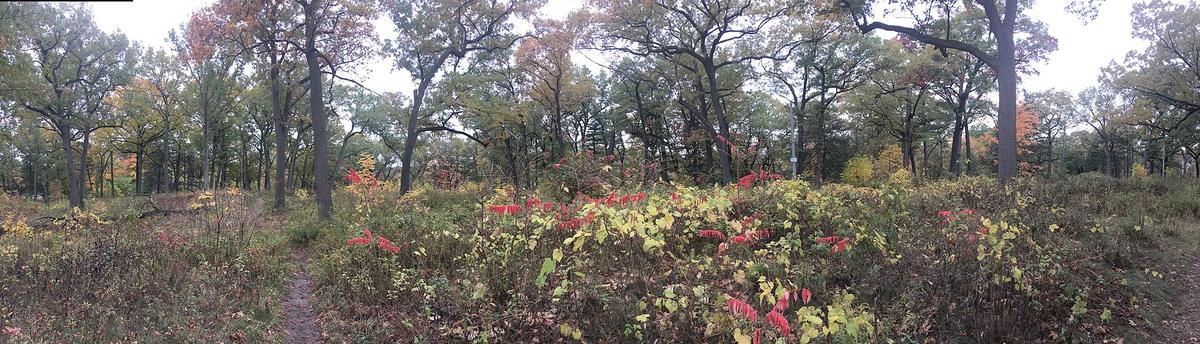
A Toronto winter visit is worth it if you understand the terms. The city does not shut down. It shifts indoors. The PATH underground system runs 30 kilometres of tunnel connecting downtown buildings, but it closes evenings and weekends, so it is not a tourist asset for getting around after 7pm. Use the TTC subway and streetcar network instead. Pay with a Presto card or tap a contactless card. The subway's simple U shape hides the reality that east west surface routes can be painfully slow in mixed traffic. In winter, that slowness becomes a cold wait at a streetcar stop with no shelter.
What Works, What Fails
What works in winter: skating at Nathan Phillips Square, the indoor food stalls at St. Lawrence Market (closed Sundays and Mondays), and the Aga Khan Museum's suburban trip. The galleries and the Royal Ontario Museum are full of natural light and draw fewer visitors than in peak season. The failure case is assuming you can wander between Kensington Market and the Distillery District on foot in January. Toronto blocks are long, and walking distances between neighbourhoods are routinely underestimated. In winter, that mistake costs you 30 minutes of cold, wet walking. Take the streetcar or subway between districts, and budget the transfer time.
CNE Toronto August Hotel Squeeze
Book Early or Stay Farther Out
The Canadian National Exhibition runs late August to Labour Day. It fills hotels near the waterfront and Exhibition Place first, then ripples outward. If you need a room within walking distance of the core during CNE week, book by June. After that, expect rates to climb 30 to 50 percent above the off season baseline. The alternative is staying in The Annex or Leslieville and taking the streetcar or subway to the grounds. Budget 40 minutes each way.
Construction and Airport Transfers
Toronto's construction complicates this further. The Gardiner Expressway and Queen Street streetcar diversions are constant and disruptive. A route that worked last summer may have changed this year. The Transit app gives real time TTC data and is more reliable than Google Maps for surface routes. Install it before you arrive. If you rely on a taxi or rideshare, you pay a flat rate from the airport and then sit in the same traffic as everyone else. The UP Express train from Pearson to Union Station takes 25 minutes. Use that for airport transfers, then switch to the TTC for everything else.
Common Questions
What is the cheapest month to visit Toronto?
January to March, outside the holiday market window. Winter low season means lower hotel rates. The trade off is slushy sidewalks, reduced ferry service, and closed seasonal patios. Winterlicious helps with food costs.
When should I avoid Toronto if I hate crowds?
The week of the Canadian National Exhibition opening in late August, Pride weekend in June, and the Toronto International Film Festival period in early September. March school break week also crowds indoor attractions.
Is Toronto worth visiting in winter?
Yes, if you want lower rates and do not mind cold. The city does not shut down. Outdoor skating rinks open, indoor farmers markets run, and Winterlicious provides a reason to eat through the neighbourhoods. Pack waterproof boots. The slush is the problem, not the temperature.
What is the best month for food in Toronto?
August for Summerlicious fixed price menus. September for the peak of farmers market produce. May for the first street food stalls reopening. January for Winterlicious deals. Toronto is not a seasonal food city; the immigrant neighbourhoods serve their best food year round.
When does the Toronto Island ferry run?
Service increases in summer and reduces in winter. Some island businesses close completely from November to April. Check the city's ferry schedule before planning an off season trip. The 15 minute ferry from the foot of Bay Street is a full half day outing, not a quick add on.
What is CNE Toronto like for crowds?
The Canadian National Exhibition runs late August to Labour Day. It adds significant crowds to the waterfront and Exhibition Place area. Hotels near the grounds fill early. The Squeeze is real for anyone staying downtown who did not book months ahead.
Can I do Toronto in 2 days?
No. 4 full days is the minimum. 2 days forces you to choose between the downtown core and the neighbourhoods where Toronto actually lives, and you will spend too much of it in transit. Scarborough or Parkdale or Leslieville each need a half day on their own.
Read next
-
 Toronto Hotels and What the Price Bands Actually Get You
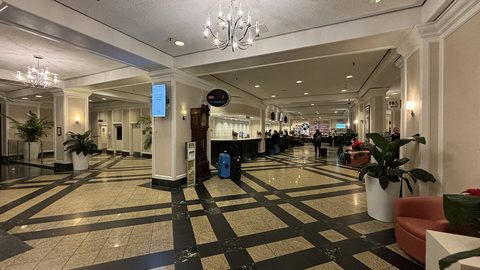
Toronto hotel prices cluster into bands that deliver distinctly different experiences, from suburban chain functionality to character-rich midrange spots in
Toronto Hotels and What the Price Bands Actually Get You
Toronto hotel prices cluster into bands that deliver distinctly different experiences, from suburban chain functionality to character-rich midrange spots in
-
 Where to Stay in Toronto and What Each District Costs You
Where you stay in Toronto shapes everything about your trip. Each district comes with a tradeoff in transit time, street life, and what you can walk to after dinner.
Where to Stay in Toronto and What Each District Costs You
Where you stay in Toronto shapes everything about your trip. Each district comes with a tradeoff in transit time, street life, and what you can walk to after dinner.
-
 Flying Into Toronto Pearson or Billy Bishop and Getting Downtown
Flying into Toronto means choosing between Pearson and Billy Bishop. Here's how each airport works and how to get downtown from both.
Flying Into Toronto Pearson or Billy Bishop and Getting Downtown
Flying into Toronto means choosing between Pearson and Billy Bishop. Here's how each airport works and how to get downtown from both.
-
 What to Do in Toronto Ordered by Whether It Is Worth the Time
Toronto's attractions compete for your limited days. Some earn their time cost, others don't. This ranks them by what you actually get for the hours you spend.
What to Do in Toronto Ordered by Whether It Is Worth the Time
Toronto's attractions compete for your limited days. Some earn their time cost, others don't. This ranks them by what you actually get for the hours you spend.
-
 Getting Around Toronto Without Wasting Half Your Trip in Transit
Toronto's transit map looks simple but hides slow surface routes, a disorienting underground maze, and walking distances everyone underestimates.
Getting Around Toronto Without Wasting Half Your Trip in Transit
Toronto's transit map looks simple but hides slow surface routes, a disorienting underground maze, and walking distances everyone underestimates.
-
 How to Spend Two or Three Days in Toronto Without Rushing
A Toronto itinerary that works: how to spend two or three days in the city's neighbourhoods instead of getting stuck in the financial core.
How to Spend Two or Three Days in Toronto Without Rushing
A Toronto itinerary that works: how to spend two or three days in the city's neighbourhoods instead of getting stuck in the financial core.
-
 Canada Travel Guide for First-Timers Who Have No Idea How Big It Is
Canada is the second-largest country on earth, and its vastness punishes anyone who mistakes it for a quick trip between iconic sights.
Canada Travel Guide for First-Timers Who Have No Idea How Big It Is
Canada is the second-largest country on earth, and its vastness punishes anyone who mistakes it for a quick trip between iconic sights.
-
 Staying Connected Across Canada Without Roaming Surprises
A mobile plan bought from Rogers in Toronto can trigger roaming charges the moment you cross into Manitoba. That is not a glitch. That is Canada.
Staying Connected Across Canada Without Roaming Surprises
A mobile plan bought from Rogers in Toronto can trigger roaming charges the moment you cross into Manitoba. That is not a glitch. That is Canada.
-
 When to Visit Canada and What Each Season Actually Delivers
Canada's reliable travel window runs June to September. Outside that, rural attractions close, daylight vanishes, and winter is aggressively extreme.
When to Visit Canada and What Each Season Actually Delivers
Canada's reliable travel window runs June to September. Outside that, rural attractions close, daylight vanishes, and winter is aggressively extreme.