Downtown Toronto What to Expect Beyond the Glass and Bank Towers
Downtown Toronto puts you near Union Station and the CN Tower, but the financial core empties out after dark. Here's what the area actually delivers.
- Flag
-

- ISO code
- CA
- Timezone
- America/Toronto
The Single Most Useful Fact About Downtown Toronto
Staying in Toronto's financial core is a practical decision with a built-in disappointment. The glass towers of the Financial District empty out by 18:30 on weeknights, and by 19:00 the sidewalks are thin. Visitors who book a hotel near Union Station expecting a lively evening scene get something else entirely: a quiet, corporate neighbourhood with limited street-level retail and restaurants that cater to the lunch crowd, not the dinner guest. The real payoff of a downtown Toronto hotel is morning and midday access to landmarks, not nightlife. Plan your evenings elsewhere from the moment you book.
Downtown Toronto What to Expect from the Core
Geography and Walkability
Downtown Toronto is roughly bounded by Bathurst Street to the west, Bloor Street to the north, the Don Valley Parkway to the east, and Lake Ontario to the south. The street grid runs north-south avenues and east-west streets, with Queen Street as the central east-west spine and Yonge Street as the central north-south spine. Most major sights sit within a 30-minute walk of Union Station. Walking distances from Union Station to the CN Tower are approximately 1.2 kilometres, to St. Lawrence Market roughly 700 metres, and to the Distillery District around 1.8 kilometres. The Art Gallery of Ontario requires a 2.2-kilometre walk, the Royal Ontario Museum 3.2 kilometres, and Kensington Market about 3.0 kilometres. All are achievable on foot for anyone without mobility issues. That walkability is a daytime asset. After dark, the same Financial District streets that felt efficient at 14:00 feel exposed and empty.
Density and Building Types
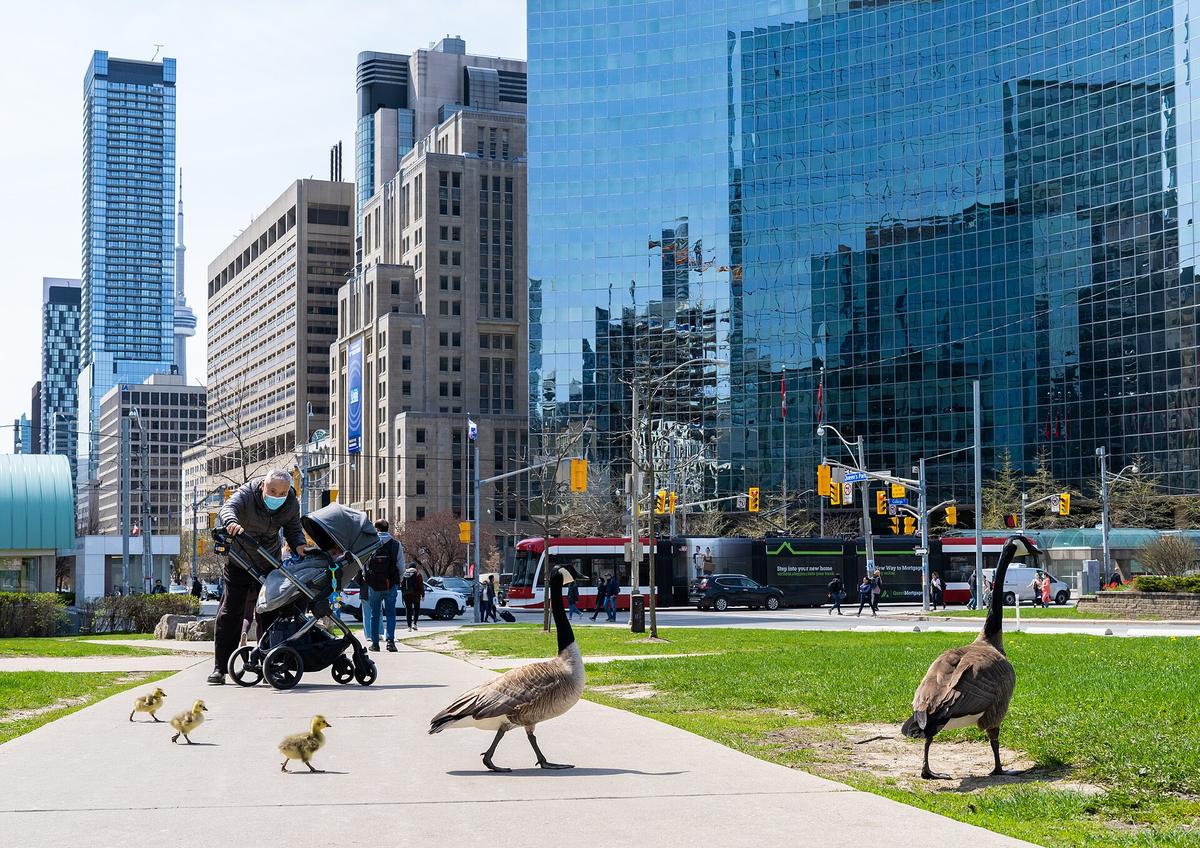
The downtown core has approximately 16,000 residents per square kilometre, a figure the City of Toronto publishes through its Open Data Portal. That density is concentrated in high-rise residential towers mixed into the office grid. Building heights in the Financial District range from 30 to 72 storeys. In older low-rise pockets such as the St. Lawrence area, those heights drop to 2 to 4 storeys. The result is a neighbourhood that feels vertical in its centre and abruptly domestic at its edges. Visitors expecting a consistent street-level experience are disoriented by this contrast. One block is canyon-like glass, the next is brick walkups. Both are part of downtown. Only one feels like a place to linger.
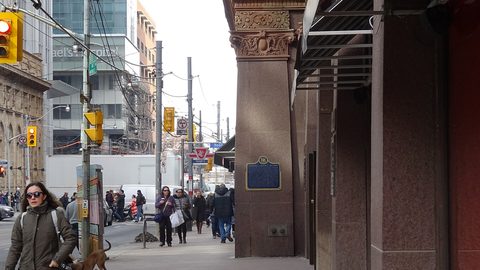
.jpg)
Toronto Financial Core Evening: the Dead Zone
The PATH Closure Problem
The Toronto financial core's evening experience is the most common complaint about downtown accommodation. The PATH network, a 30-kilometre underground pedestrian tunnel system, is busiest on weekdays from 07:00 to 18:00. It closes evenings and weekends. That closure matters because the PATH connects office towers, shops, and subway stops. When the tunnels lock up, the street-level corridors they serve lose their pedestrian traffic. The sidewalks in the Financial District between Bay Street and University Avenue go quiet. Restaurants that were packed at 12:30 for the lunch rush are half empty by 20:00. King Street West between Spadina Avenue and Bathurst Street, and the Entertainment District around Adelaide Street West and Richmond Street West, hold the downtown nightlife concentration. Those are a 15- to 20-minute walk from the Union Station core. In cold months, that walk discourages casual wandering.
Who Should Stay Here
Do not let this steer you away from a downtown hotel. The core suits visitors wanting car-free access to major sights, business travellers, and those who prefer high-rise hotel stock over residential-scale lodging. The secondary hotel cluster in Yorkville offers smaller luxury and boutique properties near Bloor Street West, but those sit further from the main rail hub. The decision is transactional: a room near Union Station gives you the fastest access to the UP Express airport rail link, the TTC Line 1 subway, GO Transit regional trains, and the Union Station Bus Terminal. You trade evening character for morning efficiency. Make that trade consciously.
Union Station Toronto Area: Why You Base Here
Arriving by Air or Rail
The Union Station area is the single most efficient base for anyone arriving by air or rail. Union Station sits at 65 Front Street West and serves VIA Rail intercity trains, GO Transit regional trains and buses, the UP Express airport rail link, and the TTC Line 1 subway. The UP Express reaches Toronto Pearson International Airport in approximately 25 minutes, with trains running every 15 minutes for most of the day. A taxi or rideshare from Pearson to downtown runs 35 to 60 minutes. Billy Bishop airport on the islands serves eastern Canada and the US northeast, connected by a free pedestrian tunnel or 90-second ferry to the foot of Bathurst Street, then a 10-minute streetcar ride to the core.
Using the Streetcar Network
From Union Station, the downtown streetcar network gives you the 501 Queen, 504 King, 505 Dundas, 506 Carlton, and 510 Spadina routes. Budget for a PRESTO card, or tap a contactless credit or debit card. The Transit app provides real-time TTC data and is more reliable than Google Maps for surface routes. The common mistake is staying only in the financial core and judging Toronto by its least interesting streets. The practical action: drop your bags at a hotel within the Union Station orbit, then get on a streetcar heading west or east. You are not meant to stay in this pocket for more than sleep and breakfast.
| Destination | Approximate Walking Distance | Walking Time At Moderate Pace |
|---|---|---|
| CN Tower | 1.2 km | 15 minutes |
| St. Lawrence Market | 700 m | 9 minutes |
| Distillery District | 1.8 km | 22 minutes |
| Art Gallery of Ontario | 2.2 km | 27 minutes |
| Royal Ontario Museum | 3.2 km | 40 minutes |
| Kensington Market | 3.0 km | 37 minutes |
CN Tower Area Toronto and the Landmark Density
The Three-Landmark Cluster
The CN Tower area clusters three major visitor attractions within a 5-minute walk of each other: the CN Tower observation decks at 290 Bremner Boulevard, Rogers Centre at 1 Blue Jays Way, and Ripley's Aquarium of Canada at 288 Bremner Boulevard. Book CN Tower tickets ahead for peak sunset slots. Book Ripley's Aquarium timed entry online. These are the daytime sights that make a downtown hotel worthwhile. The walk from Union Station to the CN Tower is 1.2 kilometres along Front Street West, a straight line that passes the Metro Toronto Convention Centre at 255 Front Street West. This is the only concentrated landmark zone in the downtown core. It is worth exactly one long morning or afternoon.
Spreading Outward
Beyond the tower cluster, the downtown landmarks spread outward. St. Lawrence Market at 93 Front Street East is a historic food hall closed Sundays and Mondays. The Art Gallery of Ontario at 317 Dundas Street West is a Gehry-redesigned building with a deep Group of Seven collection. The Royal Ontario Museum at 100 Queen's Park houses world cultures and natural history. Toronto City Hall at 100 Queen Street West anchors Nathan Phillips Square, the main downtown public square with seasonal skating from late November to mid-March. The CF Toronto Eaton Centre at 220 Yonge Street is the main downtown indoor shopping complex. Each is walkable from a Union Station base. Together they represent a full day of walking. Plan the route, budget the time, and do not expect to cover all of them in one afternoon.
Downtown Toronto Hotels Location: What it Buys and What it Costs You
The Trade-Off
The downtown Toronto hotel location conversation is straightforward. A room in the Financial District or Entertainment District puts you steps from Union Station, the CN Tower, and the convention centre. The main downtown hotel cluster sits here, with the highest density of large chain properties near Union Station. The secondary cluster in Yorkville offers smaller boutique properties near Bloor Street West. Neither cluster provides the street-level character that makes Toronto interesting. What they provide is a bed, a transit node, and proximity to the airport train.
Who It Suits
Who the area suits: visitors wanting car-free access to major sights, business travellers, and those preferring high-rise hotel stock over residential-scale lodging. Who the area suits less: travellers seeking quiet residential streets, low-density neighbourhood feel, or large amounts of free on-site parking. The practical instruction: if you are in Toronto for four nights or fewer, the efficiency gain of a downtown hotel is worth the dead-evening trade-off. If you are staying five nights or more, consider splitting your stay between a downtown base for the first two nights and a neighbourhood hotel in the West End or East End for the remainder.
Weekday vs Weekend
The weekday-versus-weekend pattern matters here. Downtown streets and transit are busiest on weekdays, when over 500,000 office workers enter the core, an estimate the city publishes through its annual employment survey data. The Harbourfront and St. Lawrence Market are busiest on weekends. Summer weekends push crowds to the Harbourfront and Toronto Islands from June through August. A downtown hotel in July that felt convenient on a Tuesday feels chaotic on a Saturday. Adjust your movement patterns accordingly: weekday mornings for the Financial District sights, weekend mornings for the waterfront and market, evenings always outside the core.
Where to Eat and Wander
The specific neighbourhoods you should eat and wander in once you have dropped your bags: Kensington Market on the west side, a chaotic mix of Victorian streets, vintage shops, and global food stalls, best on Pedestrian Sundays. Chinatown along Spadina Avenue between College Street and Queen Street West, with produce spilling onto sidewalks and late-night Chinese dining. The Distillery District, a cobblestone pedestrian village of Victorian industrial architecture, galleries, and the Christmas market crush in season. West Queen West, the city's coolest strip of boutiques, galleries, and bars. The Danforth for Greek family tavernas and patios. Leslieville for independent cafes and vinyl shops. Each is a 15- to 30-minute transit ride from Union Station. Each is worth the trip. None is in the Financial District.
Where the City Actually Lives: Directing You Outward
Who Toronto Is For
Toronto is a patchwork of distinct neighbourhoods stitched together by long transit rides, not a compact sightseeing city. First-timers find it more sprawling and less obviously picturesque than expected, with the real payoff coming from eating your way through its immigrant communities rather than ticking off landmarks. The city is best for food-focused travellers who plan trips around meals, neighbourhood wanderers who enjoy street-level diversity over grand monuments, live music and festival chasers, families wanting a safe big-city trip with zoo and museum options, and repeat visitors to Canada who have already done the nature circuit. It is not for travellers seeking a compact, walkable historic core or European-style beauty. Skip Toronto if you want dramatic scenery, if you dislike car-dependent sprawl, or if you expect a 48-hour greatest-hits trip to feel satisfying.
Timing Your Visit
Minimum days: four full days. Anything less forces you to choose between the downtown core and the neighbourhoods where the city actually lives, and you will spend too much time in transit. The peak season runs May through October, with May-June and September-October bringing the best weather and major festivals including Hot Docs, Luminato, and TIFF. July-August is peak tourism with humid heat, patios, and Caribana weekend drawing huge crowds. The week of the Canadian National Exhibition from late August to Labour Day adds crowds to the waterfront and hotels. Deep winter from January through March is functional but bitter, with slushy sidewalks and little street life, though Toronto is not a city that shuts down in cold months.
What to Eat
Toronto local food includes peameal bacon sandwiches at St. Lawrence Market's Carousel Bakery, Tibetan momos in Parkdale, doubles from a Scarborough roti shop, jerk chicken from a barrel smoker in Little Jamaica along Eglinton West, Hakka Chinese chili chicken from the eastern suburbs, and butter tarts from a farmers market stall. These foods exist outside the Financial District. You have to go to them. That is the point. Book a downtown hotel bed, use it for sleep and morning transit, then spend your evenings anywhere else. The CN Tower area is a daytime asset. The Financial District is a transit hub, not a destination. Act on that difference and the trip works.
Other areas in Toronto
Common Questions
Is the downtown Toronto area safe at night?
Yes. The core is safe from a crime standpoint, with Toronto being a generally low-crime city. The issue is not safety but presence. The streets are empty on weekday evenings because the office population leaves. Empty streets feel uncomfortable even when they are safe. The practical action: plan to be in a busier neighbourhood by 20:00 if you want street life around you.
How far is it from the financial core to casual restaurants that are worth the walk?
The nearest neighbourhoods with strong, casual evening options are the Entertainment District (10-minute walk west on King Street) and Kensington Market (30-minute walk or 15-minute streetcar ride northwest on the 510 Spadina route). The stretch of King Street West between Spadina and Bathurst has the highest concentration of evening dining within walking distance.
Is the PATH network useful for tourists?
No. The PATH is 30 kilometres of underground tunnels connecting office towers, shops, and subway stops, and it closes evenings and weekends. It was designed for office workers commuting in bad weather, not for visitors exploring the city. Using it as a tourist route guarantees you will get disoriented and miss street-level character. Stay on the surface.
What is the best way to get from a downtown hotel to the Toronto Islands?
Walk to the Jack Layton Ferry Terminal at the foot of Bay Street. The ferry takes 15 minutes to the islands and runs year-round, though frequency drops in winter. Summer weekends see peak demand from June through August. Arrive before 10:00 if you want to avoid the queue. The islands offer a full half-day of cycling and beaches with skyline views.
Are there grocery stores or convenience shops near the Financial District hotels?
Yes. Major hotels are within 5 minutes of convenience stores and pharmacy chains on Front Street and Yonge Street. St. Lawrence Market at 93 Front Street East is the best option for takeaway food and local produce, open Tuesday through Saturday. The CF Toronto Eaton Centre includes a grocery-level supermarket in its basement.
How does the downtown core differ from Midtown Toronto?
Midtown is lower-rise, more residential, and centred on Yonge Street north of Bloor. It has fewer chain hotels and more independent retail. It suits travellers who want a quieter base with better access to the Annex and Yorkville. The subway connection between downtown and Midtown is a single Line 1 ride of about 12 minutes.
What should I do with one free evening while staying in the financial core?
Walk west on King Street to Spadina Avenue, then north into Chinatown. Spadina Avenue between College and Queen is active late into the night with produce markets, Chinese bakeries, and restaurants serving until 23:00 or later. It is a 15-minute walk from Union Station and feels like a completely different city from the glass towers you left behind.
Read next
-
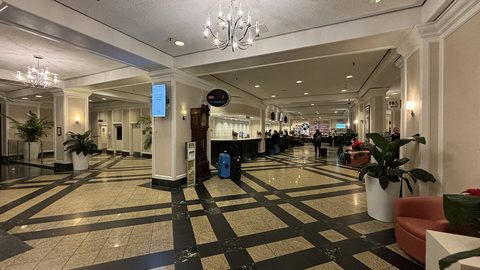 Toronto Hotels and What the Price Bands Actually Get You
Toronto hotel prices cluster into bands that deliver distinctly different experiences, from suburban chain functionality to character-rich midrange spots in
Toronto Hotels and What the Price Bands Actually Get You
Toronto hotel prices cluster into bands that deliver distinctly different experiences, from suburban chain functionality to character-rich midrange spots in
-
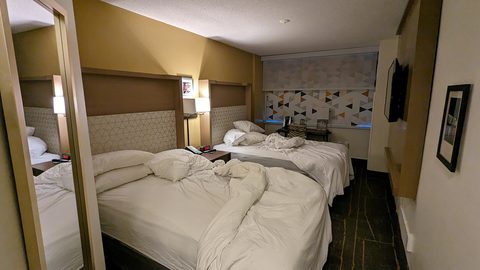 Where to Stay in Toronto and What Each District Costs You
Where you stay in Toronto shapes everything about your trip. Each district comes with a tradeoff in transit time, street life, and what you can walk to after dinner.
Where to Stay in Toronto and What Each District Costs You
Where you stay in Toronto shapes everything about your trip. Each district comes with a tradeoff in transit time, street life, and what you can walk to after dinner.
-
 Flying Into Toronto Pearson or Billy Bishop and Getting Downtown
Flying into Toronto means choosing between Pearson and Billy Bishop. Here's how each airport works and how to get downtown from both.
Flying Into Toronto Pearson or Billy Bishop and Getting Downtown
Flying into Toronto means choosing between Pearson and Billy Bishop. Here's how each airport works and how to get downtown from both.
-
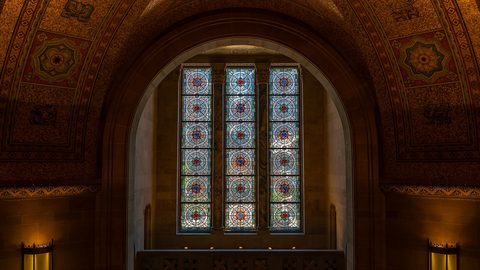 What to Do in Toronto Ordered by Whether It Is Worth the Time
Toronto's attractions compete for your limited days. Some earn their time cost, others don't. This ranks them by what you actually get for the hours you spend.
What to Do in Toronto Ordered by Whether It Is Worth the Time
Toronto's attractions compete for your limited days. Some earn their time cost, others don't. This ranks them by what you actually get for the hours you spend.
-
 When to Visit Toronto and What Each Season Does to the City
Toronto shifts dramatically with the seasons, from festival-packed spring and fall shoulders to humid summer patios and bitter winter sidewalks that never
When to Visit Toronto and What Each Season Does to the City
Toronto shifts dramatically with the seasons, from festival-packed spring and fall shoulders to humid summer patios and bitter winter sidewalks that never
-
 Getting Around Toronto Without Wasting Half Your Trip in Transit
Toronto's transit map looks simple but hides slow surface routes, a disorienting underground maze, and walking distances everyone underestimates.
Getting Around Toronto Without Wasting Half Your Trip in Transit
Toronto's transit map looks simple but hides slow surface routes, a disorienting underground maze, and walking distances everyone underestimates.
-
 Distillery District
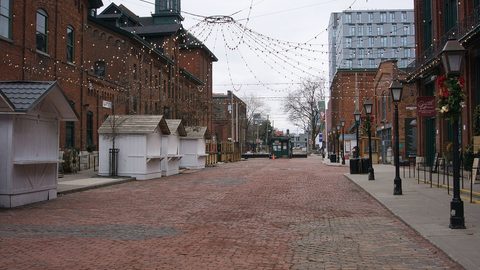
The Distillery District shifts from quiet cobblestone arts precinct to packed Christmas market depending on the season. Here's what to expect in either mode.
Distillery District
The Distillery District shifts from quiet cobblestone arts precinct to packed Christmas market depending on the season. Here's what to expect in either mode.
-
 Leslieville
 is Toronto's brunch-and-browse neighbourhood, a low-rise stretch of Queen Street East where independent cafés and vinyl shops set the pace.
Leslieville
Leslieville is Toronto's brunch-and-browse neighbourhood, a low-rise stretch of Queen Street East where independent cafés and vinyl shops set the pace.
-
 Queen West
 is where Toronto's galleries, boutiques, and bars went when downtown priced them out. It's the city's creative strip, not its financial one.
Queen West
Queen West is where Toronto's galleries, boutiques, and bars went when downtown priced them out. It's the city's creative strip, not its financial one.