What You Get at Each Hotel Price Level in Toronto
Toronto hotel prices cluster into bands that deliver distinctly different experiences, from suburban chain functionality to character-rich midrange spots in
What You Get at Each Hotel Price Level in Toronto
Most first-time visitors book a downtown Toronto hotel and then wonder why the city feels like a financial-district ghost town after 8 PM. The problem is not Toronto. The problem is the price band you picked and the neighbourhood it locks you into. Toronto hotel price bands map directly onto real tradeoffs: how much room you get, where you wake up, and what kind of city you walk out into each morning. Budget does not mean bad. Luxury does not mean location. Match the band to the trip you actually have, not the one the booking site assumes you want.
Toronto is a patchwork of distinct neighbourhoods stitched together by long transit rides, not a compact sightseeing city. First-timers often find it more sprawling and less immediately pretty than expected. The real payoff comes from eating your way through its immigrant communities rather than ticking off landmarks. If you only have three days, the minimum for a satisfying trip is four full days. Anything less forces you to choose between the core and the neighbourhoods where the city actually lives, and you will spend too much of it in transit.
What Each Tier Buys
Each price tier buys a different combination of room, location, and experience. No invented dollar figures. No brand names. Just the shape of the deal you are making.
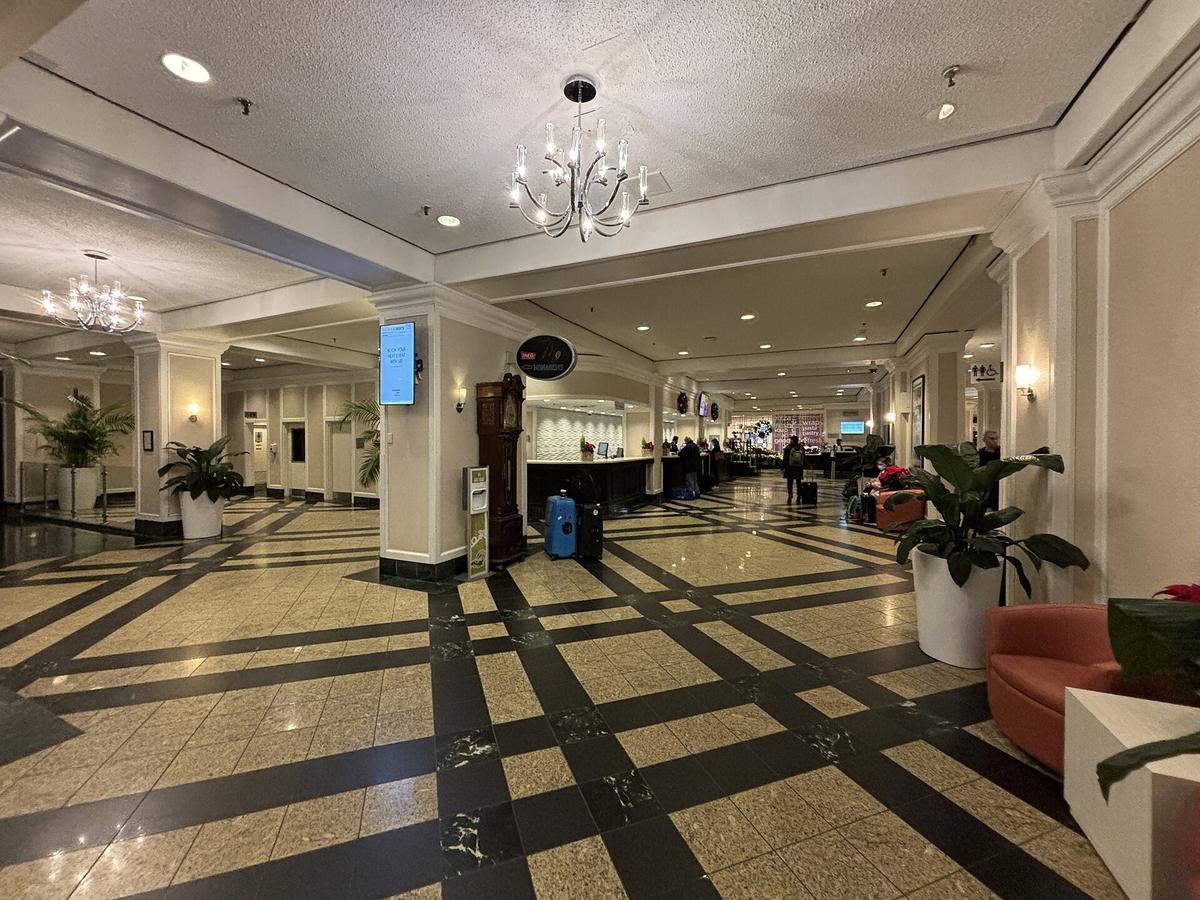

Toronto Accommodation Tiers Explained
Toronto's hotel market splits into four rough bands. Each one trades a different combination of square footage, transit time, and street life. The band you choose determines more than your nightly rate. It determines whether you spend your trip on a subway or on a patio.
Budget Tier
Budget tier: This buys a suburban chain near a GO station or a cramped downtown room with no lobby life. You trade space and character for a low absolute price. The suburban option puts you near Scarborough or the airport zone, both served by Pearson shuttles and GO Transit, but the trip into the core runs 30 to 50 minutes each way. The downtown budget room gives you a bed and a bathroom and little else. No common area. No coffee shop in the lobby. You eat meals out because there is nowhere to sit inside. This band works best for travellers who treat the hotel as a sleeping pod and spend every waking hour in the city.
Midrange and Upper-Mid Tiers
Midrange tier: This opens up Annex and Leslieville boutique spots with character. You get a real neighbourhood outside your door. The Annex puts you on Bloor Street, close to the Royal Ontario Museum, patios, and bookshops. Leslieville gives you low-rise calm, independent cafes, and vinyl shops. Room sizes are modest but the property itself has personality. You sacrifice proximity to the CN Tower and the Financial District, but you gain a street life that does not shut down after dinner.
Upper-mid tier: Standard chain hotels and three-to-four-star properties in the core. You pay for location: walking distance to the St. Lawrence Market, the Entertainment District, and the main subway lines. The room is generic but reliable. The lobby has a restaurant or bar. The downside is the neighbourhood itself. The Financial District is dead in the evenings. The Entertainment District has nightlife but lacks the street-level texture of West Queen West or Kensington Market. This band is the safest choice for first-timers who want convenience over character.
High End
High end: Splits between Yorkville polish and Distillery District atmosphere. Yorkville delivers designer flagships, valet parking, and a hushed luxury zone. The Distillery District offers cobblestone pedestrian lanes, galleries, and a heritage feel. Both are expensive. Both deliver a specific experience. Yorkville feels insulated. The Distillery District can feel overrun, especially during the Christmas market crush. Neither is close to the city's best food streets, which live in Little Jamaica, Scarborough, and Parkdale.
What Toronto Hotel Price Gets You: Neighbourhood and Tradeoffs
Location is the variable that most changes within a single price band. Two midrange hotels with similar nightly rates can put you in completely different Torontos. Know what each area offers and what it costs you in time and atmosphere.
Core, West Queen West, and Kensington
Downtown Core and Financial District: Glass towers, Union Station, business energy, dead evenings. Hotels here peak Monday through Thursday and drop on weekends. You pay a premium for walking distance to the CN Tower, Ripley's Aquarium, and the St. Lawrence Market. The tradeoff is a sterile evening street scene. If you book here, leave the area for dinner every night.
West Queen West: Boutiques, galleries, bars, the city's coolest strip. Hotels in this band tend to be smaller and design-focused. You trade chain consistency for character. The walk to the subway is longer. The noise can carry late. The payoff is a neighbourhood that feels alive at 11 PM on a Tuesday.
Kensington Market and Chinatown: Hostels and short-term rentals dominate. Chaotic Victorian streets, vintage shops, global food stalls. The hotel inventory is thin and mostly budget. If you find a room here, you are steps from the best street food in the city, including the late-night Chinese dining on Spadina. The downside: no quiet. Kensington Market on a weekend is a crowd, and Pedestrian Sundays amplify it.
Yorkville, Distillery, and Harbourfront
Yorkville: Luxury hotels, designer flagships, valet parking. The streets are clean and quiet. The restaurants are expensive and often underwhelming. This is the choice if you want a hotel as a destination, not just a base. The tradeoff: you are isolated from the city's actual energy, and a trip to the Danforth or Leslieville requires a ride-share or a 25-minute subway ride.
Distillery District: Heritage pedestrian precinct with limited hotel inventory. Gorgeous at sunrise. Crushed at peak times. The experience is a packaged version of Toronto history, not the living neighbourhood that Leslieville or the Junction offers. Worth it for a couple of nights if you want a romantic, contained stay.
Harbourfront: Waterfront views, convention proximity. Good for business travellers and families who plan to spend time on the Toronto Islands. The ferry to the islands runs from the foot of Bay Street, 15 minutes. The downside: the area is disconnected from the subway and the best food neighbourhoods.
| Area | Price Tier | Evening Vibe | Transit To Neighbourhoods | Who It Is For |
|---|---|---|---|---|
| Financial District | Upper-mid to High | Dead after 8 PM | Subway at Union Station | Business travellers, first-timers who want landmarks |
| West Queen West | Midrange | Lively bars and galleries | Streetcar, slow in traffic | Design lovers, nightlife chasers |
| Kensington Market / Chinatown | Budget | Loud, chaotic, late | Walkable to Spadina streetcar | Budget travellers, food-focused visitors |
| Yorkville | High | Quiet and polished | Subway at Bloor-Yonge | Luxury shoppers, couples |
| Distillery District | High | Contained heritage vibe | Walk to St. Lawrence Market | Romantic weekends, heritage fans |
| Harbourfront | Upper-mid to High | Quiet, convention traffic | Streetcar to core | Families, convention attendees |
| The Annex | Midrange | Patios, bookshops, student energy | Subway on Bloor Street | Food travellers, culture seekers |
| Leslieville | Midrange | Low-rise calm, cafes | Streetcar on Queen East | Couples, slow travellers |
| Scarborough / Airport Zone | Budget to Midrange | Quiet, suburban | GO train or shuttle | Third visit repeaters, food hunters |
Toronto Hotel Neighbourhood Match: Matching the Band to Your Trip
The common mistake is staying only in the financial core and judging the city by its least interesting streets. Toronto's value is in its neighbourhoods, and a hotel in the core without a plan to leave it produces the most common complaint: that the city felt sterile and soulless.
Food Trips and Family Trips
If your trip is built around food, and most good trips to Toronto are, then the budget or midrange band in an area like Scarborough or the Junction is not a sacrifice. It is the right move. Scarborough has the region's best Sri Lankan and Chinese food. The Junction is full of breweries and low-key restaurants. You trade a 15-minute commute to the core for a 40-minute one, but you wake up in an area worth eating through.
If you are a family with young children, the midrange to upper-mid band in Harbourfront or near High Park gives you safe sidewalks, park access, and ferry proximity to the Toronto Islands. The tradeoff is limited dining within walking distance. Plan to cook or ride-share to dinner.
Festivals, Repeat Visits, and Winter
If you are a festival chaser attending the Toronto International Film Festival or Luminato, the upper-mid band in the Entertainment District is the pragmatic choice. The peak season for these events runs May through October, and booking windows for event dates are three to six months ahead. Wait until two weeks before and you pay the event premium or end up in North York.
If you are a repeat visitor who has already done the landmarks, the midrange band in Leslieville or the Annex is the correct tier. You skip the tourist core entirely and base yourself in the city that locals actually live in.
Deep winter, January through March, is the avoid window for most visitors. The city does not shut down, but the slushy sidewalks and bitter cold kill the street life that makes Toronto worth visiting. If you come then, the budget tier is your best bet because you will spend minimal time outdoors and maximal time inside restaurants and museums. The price drops to the lowest seasonal pattern of the year. Book two to four weeks ahead for standard weekdays and you will find the best value.
Common Questions
What is the total tax on a hotel stay in Toronto?
The total tax is 17%. That is 13% HST, which combines the federal 5% and Ontario 8%, plus the 4% Municipal Accommodation Tax. The MAT applies to stays under 30 consecutive days. It applies to short-term rentals under 28 days as well.
Are there resort fees at Toronto hotels?
Resort fees are not standard in Toronto. Some full-service hotels charge mandatory daily amenity fees. The City of Toronto Municipal Code sets the MAT rate. Check the specific hotel's fee policy before booking.
How much does parking cost at hotels in the core?
Parking fees at core hotels run CAD 30 to 60 per night. The rate varies by hotel and whether you valet or self-park. Budget this into your total cost; it can add as much as a second night at a budget property.
Should I book a flexible rate or an advance purchase rate?
Advance purchase rates are non-refundable and run 10 to 20 percent below the flexible rate. The flexible rate premium is usually 10 to 25 percent above the advance purchase price. If your dates are firm, take the advance rate. If there is any chance you will cancel, pay the premium for the 24 to 72 hour cancellation window.
How far ahead should I book for the Toronto International Film Festival?
Book three to six months ahead for film festival dates. For summer weekends, book one to three months ahead. For standard weekdays, two to four weeks is sufficient. During peak season, May through October, major event dates see sharp price increases.
What is the cheapest area for hotels?
Scarborough and Etobicoke have the lowest prices. The airport zone also offers lower rates with free 24-hour shuttles to Toronto Pearson. You trade a longer commute for the lowest absolute cost. North York offers lower prices than the core with direct subway access on Line 1.
What are check-in and check-out times in Toronto?
Check-in is 3:00 PM to 4:00 PM. Check-out is 11:00 AM to 12:00 PM. The deposit policy varies, but most hotels require a credit card guarantee rather than full prepayment.
Read next
-
 Where to Stay in Toronto and What Each District Costs You
Where you stay in Toronto shapes everything about your trip. Each district comes with a tradeoff in transit time, street life, and what you can walk to after dinner.
Where to Stay in Toronto and What Each District Costs You
Where you stay in Toronto shapes everything about your trip. Each district comes with a tradeoff in transit time, street life, and what you can walk to after dinner.
-
 Flying Into Toronto Pearson or Billy Bishop and Getting Downtown
Flying into Toronto means choosing between Pearson and Billy Bishop. Here's how each airport works and how to get downtown from both.
Flying Into Toronto Pearson or Billy Bishop and Getting Downtown
Flying into Toronto means choosing between Pearson and Billy Bishop. Here's how each airport works and how to get downtown from both.
-
 What to Do in Toronto Ordered by Whether It Is Worth the Time
Toronto's attractions compete for your limited days. Some earn their time cost, others don't. This ranks them by what you actually get for the hours you spend.
What to Do in Toronto Ordered by Whether It Is Worth the Time
Toronto's attractions compete for your limited days. Some earn their time cost, others don't. This ranks them by what you actually get for the hours you spend.
-
 When to Visit Toronto and What Each Season Does to the City
Toronto shifts dramatically with the seasons, from festival-packed spring and fall shoulders to humid summer patios and bitter winter sidewalks that never
When to Visit Toronto and What Each Season Does to the City
Toronto shifts dramatically with the seasons, from festival-packed spring and fall shoulders to humid summer patios and bitter winter sidewalks that never
-
 Getting Around Toronto Without Wasting Half Your Trip in Transit
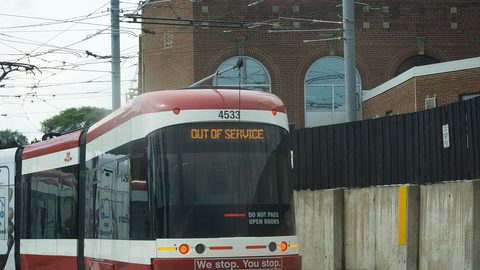
Toronto's transit map looks simple but hides slow surface routes, a disorienting underground maze, and walking distances everyone underestimates.
Getting Around Toronto Without Wasting Half Your Trip in Transit
Toronto's transit map looks simple but hides slow surface routes, a disorienting underground maze, and walking distances everyone underestimates.
-
 How to Spend Two or Three Days in Toronto Without Rushing
A Toronto itinerary that works: how to spend two or three days in the city's neighbourhoods instead of getting stuck in the financial core.
How to Spend Two or Three Days in Toronto Without Rushing
A Toronto itinerary that works: how to spend two or three days in the city's neighbourhoods instead of getting stuck in the financial core.
-
 Canada Travel Guide for First-Timers Who Have No Idea How Big It Is
Canada is the second-largest country on earth, and its vastness punishes anyone who mistakes it for a quick trip between iconic sights.
Canada Travel Guide for First-Timers Who Have No Idea How Big It Is
Canada is the second-largest country on earth, and its vastness punishes anyone who mistakes it for a quick trip between iconic sights.
-
 Staying Connected Across Canada Without Roaming Surprises
A mobile plan bought from Rogers in Toronto can trigger roaming charges the moment you cross into Manitoba. That is not a glitch. That is Canada.
Staying Connected Across Canada Without Roaming Surprises
A mobile plan bought from Rogers in Toronto can trigger roaming charges the moment you cross into Manitoba. That is not a glitch. That is Canada.
-
 When to Visit Canada and What Each Season Actually Delivers
Canada's reliable travel window runs June to September. Outside that, rural attractions close, daylight vanishes, and winter is aggressively extreme.
When to Visit Canada and What Each Season Actually Delivers
Canada's reliable travel window runs June to September. Outside that, rural attractions close, daylight vanishes, and winter is aggressively extreme.