What the Art Gallery of Ontario Offers and How to Plan a Visit
The Art Gallery of Ontario pairs a deep Group of Seven collection with Frank Gehry's glass-and-wood redesign, a focused art experience steps from Chinatown

What the Art Gallery of Ontario Offers and How to Plan a Visit
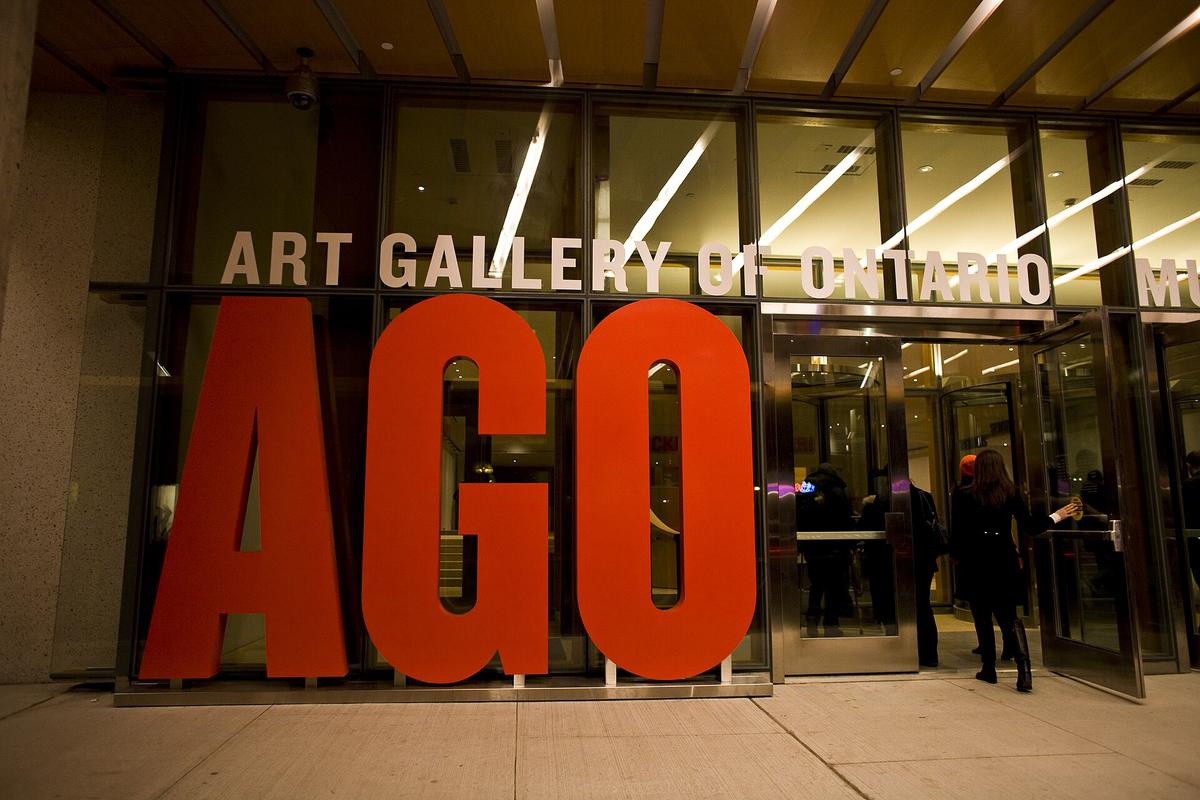
Most visitors come to the Art Gallery of Ontario for one reason: the Group of Seven. The AGO is not the Royal Ontario Museum. The ROM is big, encyclopedic, crammed with world cultures and dinosaurs. The AGO is deep where it matters, selective where it could be generic, and its building demands you move through it in a specific way. If you walk in expecting a greatest hits survey of Western art, you will be frustrated. If you walk in ready to spend two hours with Canadian landscapes and Indigenous work, then walk out into Grange Park and across to Kensington Market, you will call it a highlight.
- Collection Size: More than 120,000 works
- Key Collection Areas: Canadian art, Indigenous art, European art, contemporary art, photography, prints and drawings
- Architect: Frank Gehry (2008 transformation)
- Founded: 1900
- Typical Visit Length: 2-3 hours
- Best Time to Arrive: Opening time on weekdays
- Nearest Subway: St. Patrick (Line 1 Yonge-University), 5-minute walk
- Nearest Streetcar: 505 Dundas or 501 Queen at McCaul Street
- Admission: Check the Art Gallery of Ontario official website for current admission prices
- Hours: Check the Art Gallery of Ontario official website
- Annual Visitors: Approximately 1 million
AGO Toronto Group of Seven Collection: Why it Matters
The AGO holds the deepest public holding of Group of Seven work in the country. That alone justifies the visit for anyone who cares about Canadian art. What you will see is not a single room of token works. It is a multi room survey that runs from the early, more derivative landscapes through the bold, simplified forms of the 1920s and into the later, more personal work of individual members after the group dissolved. The research tells you the AGO holds 120,000 works. The Group of Seven is not a footnote within that number. It is a core reason the institution exists as it does.
What To Look For First
Pay attention to Lawren Harris's stark arctic pieces and Tom Thomson's sketches. Thomson died before the Group formally formed, but the gallery treats him as the spiritual forerunner. A separate gallery shows works on paper, where you see the raw field sketches that later became the famous canvases. These sketches are often more alive than the finished paintings.
AGO Toronto Frank Gehry Redesign: How the Building Works
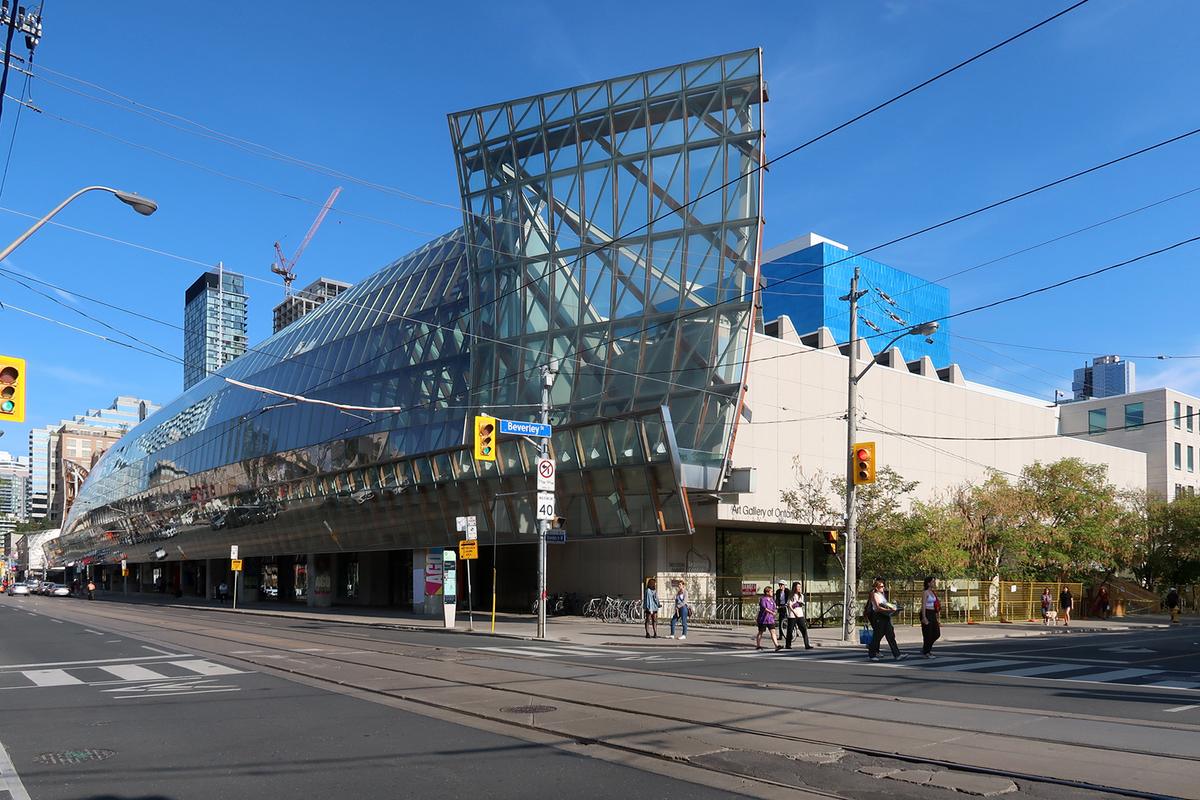
Frank Gehry did not design a neutral box. He wrapped the existing structure in a glass and wood facade that curves along Dundas Street and built the Galleria Italia, a long, timber lined spine that runs the length of the building. Enter through the main doors and you are immediately in that space. Light comes through the south facing glass wall and hits the Douglas fir. The effect is warm, not flashy, and it orients you more effectively than any map could.
Move Through It In This Order
From the Galleria, take the spiral staircase up. The staircase is not just a sculptural gesture. It lifts you past the second floor contemporary galleries to the third floor, where the Canadian collection begins. The architecture competes with the art, but the building makes you look up, then out, then back at the work. The glass wall frames Grange Park and the old Grange house, the AGO's original home, which still stands directly south. You can walk from the sculpture court into the park without retracing your steps through the lobby.
AGO Toronto What to See: the Galleries Worth Your Time
You have limited hours. Focus on the Canadian galleries on the third floor, the Indigenous art galleries, and the contemporary art on the second floor. The European holdings are selective, not exhaustive. Avoid spending your time on the decorative arts wing unless you have a specialist interest. The photography and prints and drawings rooms are strong, but they rotate frequently. Check the exhibition schedule online before you go. If there is a special photography show on, it is often the best thing in the building.
The Indigenous Galleries Demand Time
The Indigenous art galleries deserve more than a walk through. The AGO has been working on its representation here for years. Look for the work of contemporary Indigenous artists from across Canada placed alongside historical pieces. The juxtaposition is deliberate. It tells a story the Group of Seven rooms do not tell.
AGO Toronto Timed Tickets and Practical Planning
Buy general admission on arrival, but book special exhibitions ahead. They require a timed ticket. Book online before you leave for Toronto. Arrive at opening time on weekdays. Weekday afternoons are quieter than weekends. The 505 Dundas streetcar drops you at McCaul Street. The 501 Queen does the same one block south. St. Patrick subway station is a five minute walk. Do not take a taxi from Union Station. It will sit in traffic on Dundas while the subway does the trip in twelve minutes.
Budget Your Time
A typical visit takes two to three hours. That is enough for the Canadian galleries, the contemporary floor, and a walk through the Galleria. If you add a special exhibition, budget three and a half hours. Wednesday evenings are often free for general admission, but confirm the current pattern on the Art Gallery of Ontario official website, because the schedule changes annually.

Pairing the AGO with Its Neighbourhood
The AGO sits on the edge of the downtown core at Dundas and McCaul. The neighbourhood around it is one of the few places in Toronto where a gallery visit integrates naturally with a walk. Grange Park is directly south. The Grange, the original AGO building, is visible from the Galleria. OCAD University is east, worth a glance for its tabletop building but not a destination on its own. Kensington Market is a ten minute walk west, Chinatown is a ten minute walk southwest, and Baldwin Village restaurants are a five minute walk northwest. Queen Street West shopping starts five minutes south.
Leave The Gallery For Lunch
Do not stay inside the gallery for lunch. Walk to Kensington Market and eat something you cannot find in your home city. Kensington gives you a quick hit of the city's food diversity without a long transit ride. After lunch, walk through Chinatown on Spadina and watch the produce spill onto the sidewalks. That pairing gallery then market then street life is the smartest two hour afternoon you can build in this part of the city.
Common Questions
How long should I spend at the Art Gallery of Ontario?
Two to three hours for the permanent collection. Add one hour for any special exhibition. If you plan to spend time in the contemporary art galleries and the photography prints and drawings rooms, budget three hours minimum.
Is the AGO worth visiting if I am not interested in the Group of Seven?
Yes, but not for the European collection. The Indigenous art galleries and the contemporary art floor are the alternate draws. If you have no interest in Canadian art at all, skip the AGO and go to the ROM or the Aga Khan Museum.
Do I need to book tickets in advance for the AGO?
General admission is available on arrival. Special exhibitions require a timed ticket booked ahead, and the AGO's official website lists the current exhibition schedule. Book those online before your trip.
When is the best time of day to visit the AGO?
Opening time on weekdays. The galleries are emptiest then. Weekday afternoons are quieter than weekends. Wednesday evenings offer free general admission but can be busy.
What should I do after visiting the AGO?
Walk south into Grange Park, then west into Kensington Market or southwest into Chinatown. Baldwin Village restaurants are a five minute walk northwest. These neighbourhoods are where the city lives, and pairing the gallery with a market walk is the best use of the location.
Read next
-
 Toronto Hotels and What the Price Bands Actually Get You
Toronto hotel prices cluster into bands that deliver distinctly different experiences, from suburban chain functionality to character-rich midrange spots in
Toronto Hotels and What the Price Bands Actually Get You
Toronto hotel prices cluster into bands that deliver distinctly different experiences, from suburban chain functionality to character-rich midrange spots in
-
 Where to Stay in Toronto and What Each District Costs You
Where you stay in Toronto shapes everything about your trip. Each district comes with a tradeoff in transit time, street life, and what you can walk to after dinner.
Where to Stay in Toronto and What Each District Costs You
Where you stay in Toronto shapes everything about your trip. Each district comes with a tradeoff in transit time, street life, and what you can walk to after dinner.
-
 Flying Into Toronto Pearson or Billy Bishop and Getting Downtown
Flying into Toronto means choosing between Pearson and Billy Bishop. Here's how each airport works and how to get downtown from both.
Flying Into Toronto Pearson or Billy Bishop and Getting Downtown
Flying into Toronto means choosing between Pearson and Billy Bishop. Here's how each airport works and how to get downtown from both.
-
 What to Do in Toronto Ordered by Whether It Is Worth the Time
Toronto's attractions compete for your limited days. Some earn their time cost, others don't. This ranks them by what you actually get for the hours you spend.
What to Do in Toronto Ordered by Whether It Is Worth the Time
Toronto's attractions compete for your limited days. Some earn their time cost, others don't. This ranks them by what you actually get for the hours you spend.
-
 When to Visit Toronto and What Each Season Does to the City
Toronto shifts dramatically with the seasons, from festival-packed spring and fall shoulders to humid summer patios and bitter winter sidewalks that never
When to Visit Toronto and What Each Season Does to the City
Toronto shifts dramatically with the seasons, from festival-packed spring and fall shoulders to humid summer patios and bitter winter sidewalks that never
-
 Getting Around Toronto Without Wasting Half Your Trip in Transit
Toronto's transit map looks simple but hides slow surface routes, a disorienting underground maze, and walking distances everyone underestimates.
Getting Around Toronto Without Wasting Half Your Trip in Transit
Toronto's transit map looks simple but hides slow surface routes, a disorienting underground maze, and walking distances everyone underestimates.
-
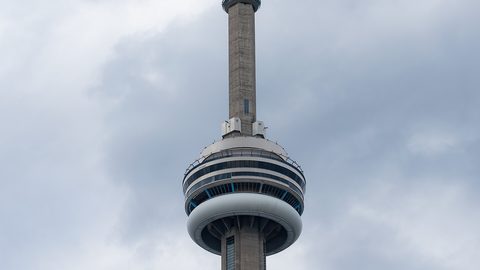 CN Tower
The CN Tower anchors Toronto's skyline, but a good visit depends on booking ahead for sunset slots and knowing which experience fits your time and tolerance
CN Tower
The CN Tower anchors Toronto's skyline, but a good visit depends on booking ahead for sunset slots and knowing which experience fits your time and tolerance
-
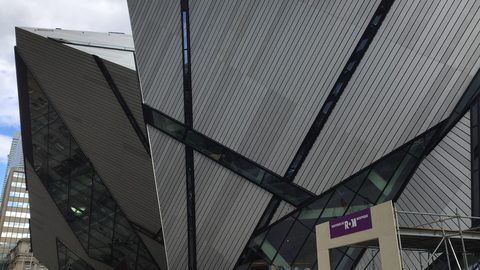 Royal Ontario Museum
The Royal Ontario Museum pairs world cultures with natural history inside a crystal-winged building, and a focused visit to two or three galleries beats a
Royal Ontario Museum
The Royal Ontario Museum pairs world cultures with natural history inside a crystal-winged building, and a focused visit to two or three galleries beats a
-
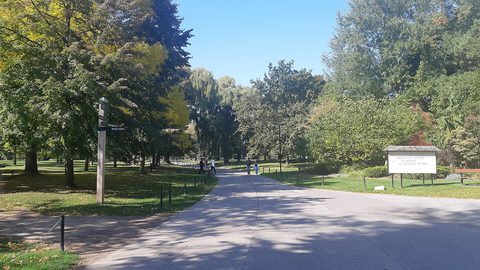 Toronto Islands
The Toronto Islands offer a car-free half-day escape with skyline views and beaches, reached by a 15-minute ferry that can demand an hour of queuing on summer
Toronto Islands
The Toronto Islands offer a car-free half-day escape with skyline views and beaches, reached by a 15-minute ferry that can demand an hour of queuing on summer