Kensington Market and the Streets Around It on Foot
Kensington Market is a few chaotic blocks of Victorian streets, vintage shops, and global food stalls. There's no single landmark, and that's the point.
- Flag
-

- ISO code
- CA
- Timezone
- America/Toronto
Kensington Market and the Streets Around it on Foot
At 10:00 on a Saturday morning, a woman in an apron lifts a cardboard flat of ripe peaches onto the sidewalk and begins stacking them on a wooden table that was not there five minutes earlier. This is the only opening ceremony Kensington Market has. There is no gate, no official start, no landmark that tells you the neighbourhood has begun. You simply cross Spadina Avenue heading west, the produce displays of Chinatown still at your back, and the grid narrows. Building heights drop. The noise changes from car horns to someone hammering a price sign into a crate of mangoes. Any guide that tries to pin Kensington Market to a single address misses the point. The point is the aggregate chaos, and you experience it only by walking.
What the Streets Actually Feel Like
Walk the Market Core
The Victorian housing stock on Augusta Avenue and Baldwin Street was never grand. These are working-class row houses from the late 19th and early 20th centuries, narrow fronted, brick, built for families who walked to factory jobs. Today the ground floors have been punched open into storefronts, but the residential above and the side lanes remain. Walk north on Kensington Avenue and you pass a Jamaican patty shop, then a cheese shop where the owner knows which regulars want the aged cheddar without asking, then a vintage clothing store with a rack of leather jackets blocking the open door. The sidewalk is narrow. You step into the bike lane to let someone pass. The street art covering an entire building side is not curated; it has accumulated, layer over layer, because the neighbourhood is not rich enough to paint over it.
The friction is physical. Sidewalk displays of produce, fish, and dry goods push pedestrians into the road. Street parking is scarce relative to visitor volume. The 505 Dundas and 506 College streetcar lines run along the boundary, but inside the market core you move on foot or not at all. The pavements are uneven in places. A delivery truck stopped mid block backs up everything behind it. None of this is a problem. It is the condition of being here.
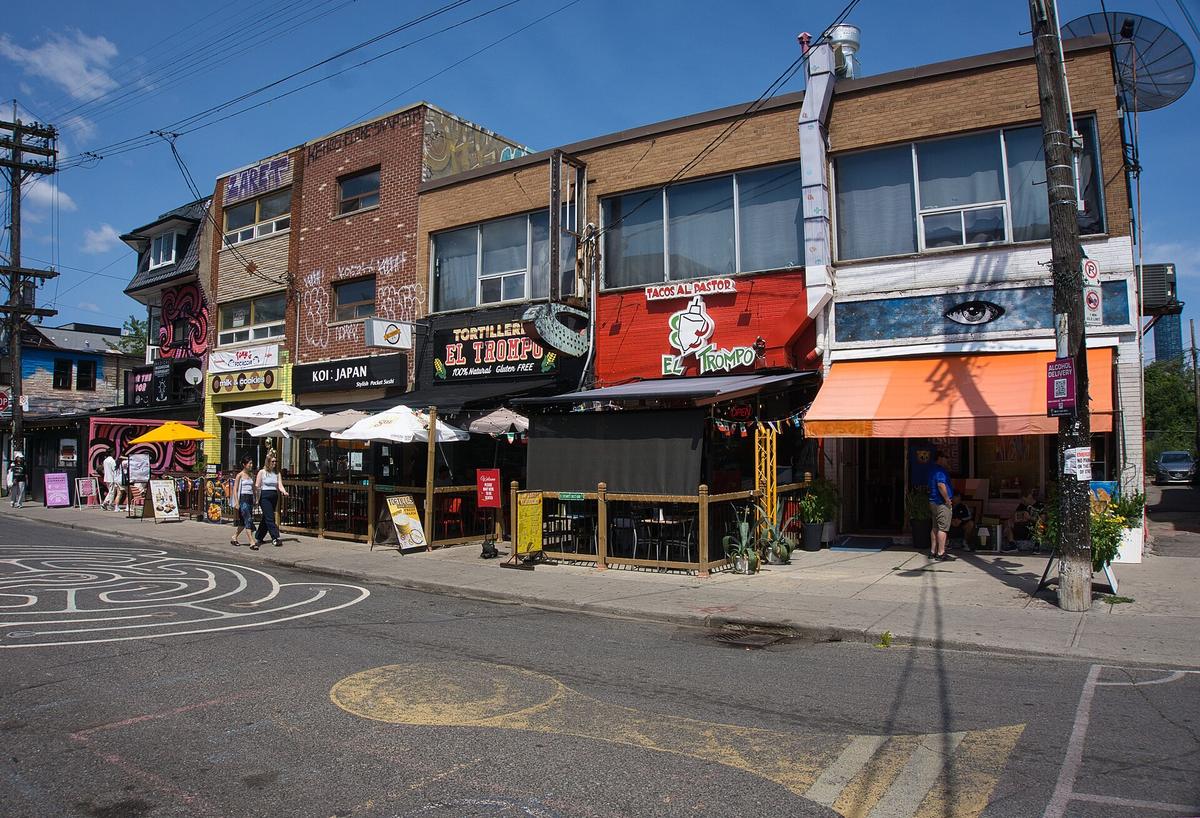

Where Kensington Market Collides with Chinatown on Spadina
Cross the Seam at Spadina
Spadina Avenue is not a border. It is a seam. On the east side, the city is Chinatown: late night Chinese dining, produce spilling from every grocer onto the pavement, live seafood tanks in windows. On the west side, Kensington Market begins. The two districts share the same building stock and the same street level commercial logic. Walk from Chinatown into Kensington Market and you will notice the change in retail mix first. Chinatown is dominated by Chinese food businesses and grocers. Kensington has more independent general retail and vintage clothing. But there is no hard line. A Chinese greengrocer sits next to a Middle Eastern bakery next to a shop selling Tibetan prayer flags. This adjacency is the neighbourhood's structure, not an accident.
How It Compares to Nearby Districts
The food range across the market alone includes Caribbean, Latin American, East Asian, Jewish deli, Middle Eastern, and vegetarian. Unlike Little Italy, which concentrates sit down restaurants and cafes along a single main street, Kensington Market is denser and more mixed use. The difference from Queen Street West is equally clear: Kensington is less polished and more food market oriented, while Queen West has more chain retail and nightlife. The Annex, a short walk north, looks different again: larger detached homes, more residential quiet, student intellectual energy along Bloor Street. Kensington Market is lower rise than all of them, more commercial at street level, and it has almost no high rise office space. The Financial District, three kilometres southeast, is a different city entirely.
Kensington Market Pedestrian Sunday: the Rhythm, Not the Date
Pedestrian Sundays happen seasonally from late spring to early autumn. On selected Sundays, the market's core streets close to motor vehicle access during event hours, and the space fills with people who are not dodging cars. Do not treat this as a date to book around. The exact schedule is published annually by the Kensington Market Business Improvement Area and changes every year. What matters is the pattern: late spring through early autumn, monthly, on a Sunday. If you are in Toronto during that window, your chances of catching one are good. If you miss it, the neighbourhood still functions; it is just louder.
Kensington Market Vintage Shops: How to Shop Them
The vintage clothing concentration here is high. Multiple independent second hand and vintage stores operate within a few blocks of each other. Prices vary widely by item and shop. Expect to dig. A rack of 1980s denim jackets at one store might be priced at $30; a curated leather coat at the shop across the road might run several times that. There is no single best store. The correct approach is to walk Augusta Avenue and Kensington Avenue end to end, go into the shops that have something in the window that catches you, and skip the ones that do not. Payment splits between cash and card; some smaller vendors are cash only. ATMs are present at banks and private machines within and near the district. If you want a specific era or size, start early. The busiest weekend crowding runs Saturday and Sunday midday to late afternoon.
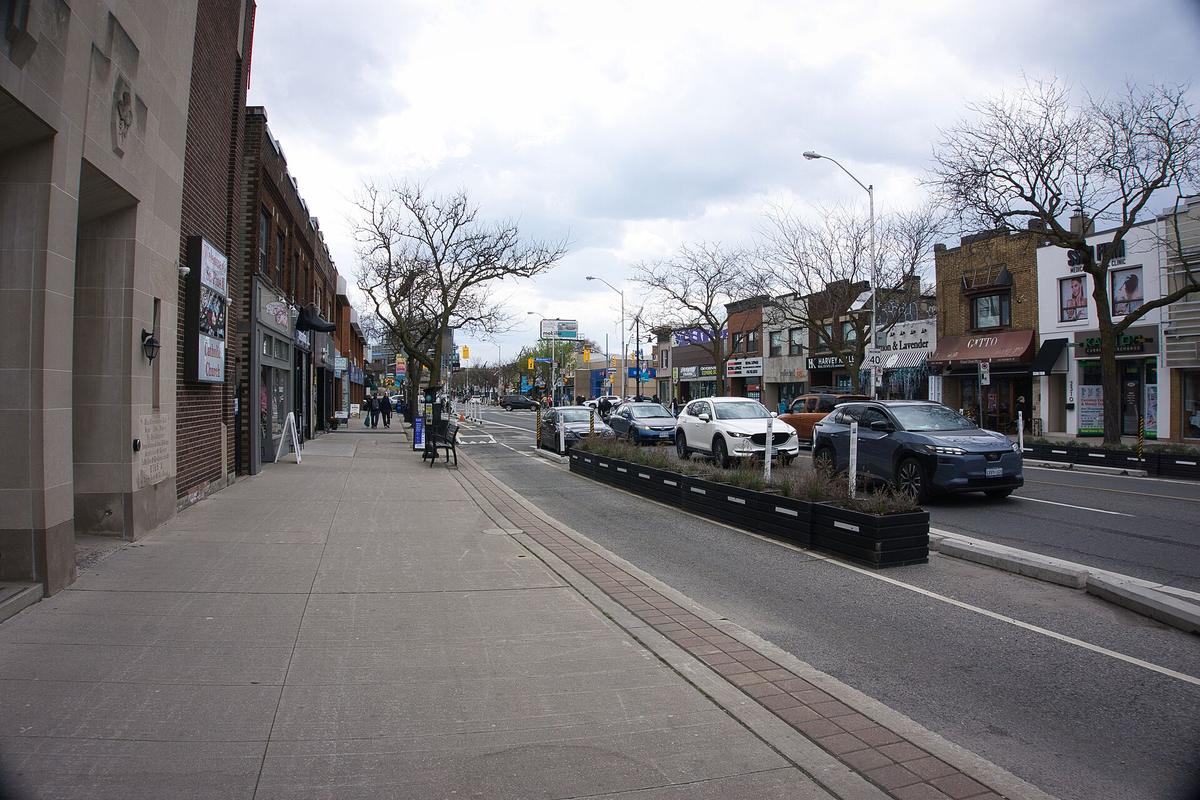

Kensington Market Food Stalls: What to Eat and Where to Sit
Find a Place to Sit
Public seating is limited. Most of it belongs to cafe and restaurant patios, which expand in warm months and contract or close in winter. There is no public square with benches for a hundred people. Bellevue Square Park, the main public park in the district, is roughly 0.8 hectares with a playground, but its benches fill fast. Strategy: buy food from a stall or independent greengrocer and plan to eat it standing, or commit to a sit down meal at a place that has its own patio.
Eat What the Market Sells
Produce from the sidewalk displays is cheaper than supermarket chains if you buy what is seasonal. The independent greengrocers restock daily and the turnover is fast. Winter outdoor produce displays shrink; indoor shops remain the primary source. Doubles, the Trinidadian chickpea flatbread, show up at a few spots. Tibetan momos, a cuisine barely found outside the subcontinent, are in Parkdale, a short streetcar ride southwest. The butter tart, a distinctly Ontarian pastry, is best from a farmers' market stall, not from a Kensington Market bakery. Hakka Chinese chili chicken, the Indo Chinese dish born in Toronto's eastern suburbs, is in Scarborough, not here. Eat what the market's own vendors sell: Jamaican patties, Middle Eastern pastries, cheese from a shop that still cuts it from a wheel, and whatever fruit was stacked on a table that morning.
Kensington Market Toronto Guide: Getting There and Getting Out
Arrive by Transit or on Foot
The nearest subway stations are Queen's Park, St. Patrick, and Spadina on Line 1, and Bathurst on Line 2. None drops you at the market's edge. You walk from any of them, roughly five to ten minutes, depending on the station. The streetcar routes serving the boundary are the 505 Dundas and 506 Carlton or College. They are frequent in peak periods and reduced late evening. Pay with a Presto card or tap a contactless credit or debit card. The Transit app gives real time TTC data and is more reliable than Google Maps for surface routes. A taxi or rideshare to the market is possible on boundary streets, but the interior roads are narrow and ride hail pickup is impractical there. Walk the last block.
Do Not Drive
Toronto Bike Share stations sit on or near the district boundary. Bike lanes run on College Street and Spadina Avenue. If you are coming from the University of Toronto St. George campus, roughly 500 metres north, you walk. From the Art Gallery of Ontario, roughly 700 metres east, you walk. From the Toronto General Hospital, roughly 600 metres northeast, you walk. Do not drive. Street parking is scarce relative to visitor volume. The city's short term rental rules apply to the district's limited accommodation, which consists mostly of small inns, guesthouses, and short term rentals in converted houses. Hotel density here is low compared to the Entertainment District and downtown core. Base yourself in the core or the Annex and come here on foot or by streetcar.
Other areas in Toronto
Common Questions
Is Kensington Market worth visiting on a weekday?
Yes. Weekday mornings are quiet, moderate crowds arrive by lunch, and late afternoon picks up again. Weekend crowding is heavier, especially midday to late afternoon on Saturday and Sunday. If you want to browse the vintage shops with fewer people in the aisle, go Tuesday through Thursday.
Where should I go to the bathroom in Kensington Market?
Public washrooms in the district are limited. Most are in cafes and restaurants for customers. Bellevue Square Park has no public toilets. If you need one, buy something from a cafe with a washroom, or walk to the Sanderson Branch of the Toronto Public Library, roughly 300 metres southwest of the market core.
Can I drive into Kensington Market?
You can, but the car friendliness is low. The streets are narrow, parking is scarce, and pedestrian priority is the rule on the main market streets. On Pedestrian Sundays, motor vehicle access is restricted on core streets during event hours. The rest of the year you can drive through, but it will be slow. Park on a boundary street or skip the car entirely.
Is Kensington Market safe at night?
The residential side streets are quieter at night, with lower noise levels after market hours. The main commercial streets stay active into the evening, especially on summer weekends. The Toronto Police Service 52 Division covers the area. Use the same street awareness you would in any dense urban neighbourhood. The primary risk is not crime but tripping on uneven pavement in the dark.
How long should I spend in Kensington Market?
Two to three hours if you are browsing the vintage shops and eating one meal. Half a day if you want to walk every block, explore the side streets, and eat more than once. It is not a museum stop. You do not enter, look, and leave. You circulate.
Read next
-
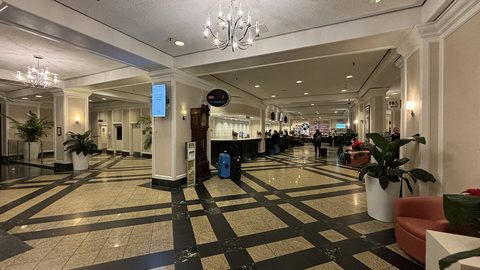 Toronto Hotels and What the Price Bands Actually Get You
Toronto hotel prices cluster into bands that deliver distinctly different experiences, from suburban chain functionality to character-rich midrange spots in
Toronto Hotels and What the Price Bands Actually Get You
Toronto hotel prices cluster into bands that deliver distinctly different experiences, from suburban chain functionality to character-rich midrange spots in
-
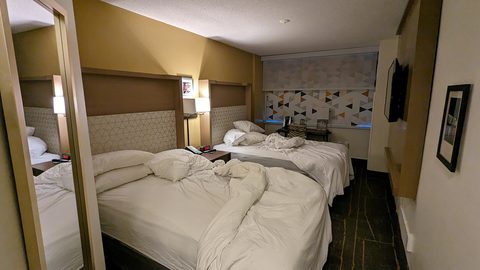 Where to Stay in Toronto and What Each District Costs You
Where you stay in Toronto shapes everything about your trip. Each district comes with a tradeoff in transit time, street life, and what you can walk to after dinner.
Where to Stay in Toronto and What Each District Costs You
Where you stay in Toronto shapes everything about your trip. Each district comes with a tradeoff in transit time, street life, and what you can walk to after dinner.
-
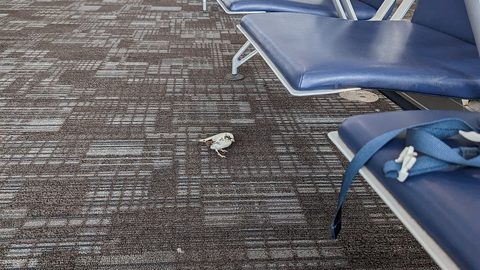 Flying Into Toronto Pearson or Billy Bishop and Getting Downtown
Flying into Toronto means choosing between Pearson and Billy Bishop. Here's how each airport works and how to get downtown from both.
Flying Into Toronto Pearson or Billy Bishop and Getting Downtown
Flying into Toronto means choosing between Pearson and Billy Bishop. Here's how each airport works and how to get downtown from both.
-
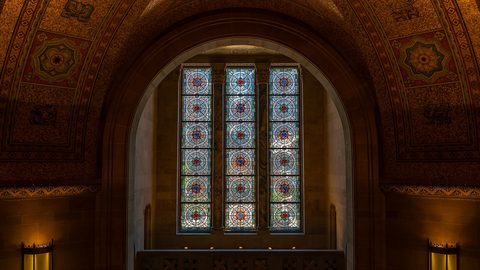 What to Do in Toronto Ordered by Whether It Is Worth the Time
Toronto's attractions compete for your limited days. Some earn their time cost, others don't. This ranks them by what you actually get for the hours you spend.
What to Do in Toronto Ordered by Whether It Is Worth the Time
Toronto's attractions compete for your limited days. Some earn their time cost, others don't. This ranks them by what you actually get for the hours you spend.
-
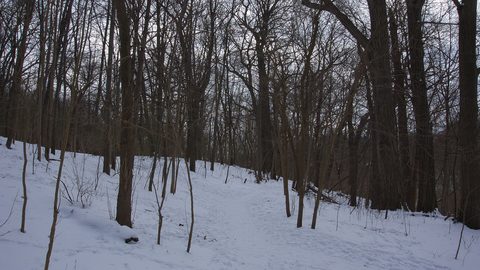 When to Visit Toronto and What Each Season Does to the City
Toronto shifts dramatically with the seasons, from festival-packed spring and fall shoulders to humid summer patios and bitter winter sidewalks that never
When to Visit Toronto and What Each Season Does to the City
Toronto shifts dramatically with the seasons, from festival-packed spring and fall shoulders to humid summer patios and bitter winter sidewalks that never
-
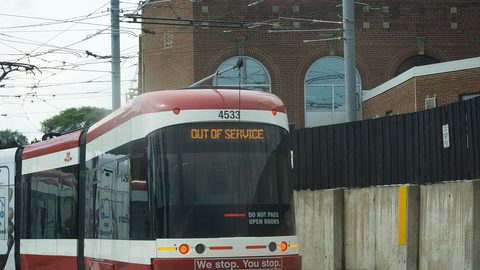 Getting Around Toronto Without Wasting Half Your Trip in Transit
Toronto's transit map looks simple but hides slow surface routes, a disorienting underground maze, and walking distances everyone underestimates.
Getting Around Toronto Without Wasting Half Your Trip in Transit
Toronto's transit map looks simple but hides slow surface routes, a disorienting underground maze, and walking distances everyone underestimates.
-
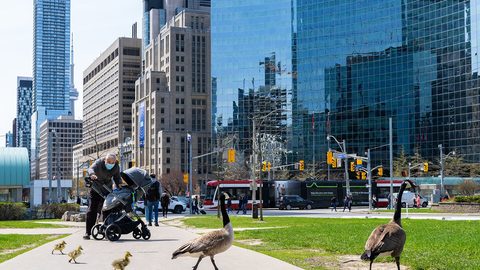 Downtown
 Toronto puts you near Union Station and the CN Tower, but the financial core empties out after dark. Here's what the area actually delivers.
Downtown
Downtown Toronto puts you near Union Station and the CN Tower, but the financial core empties out after dark. Here's what the area actually delivers.
-
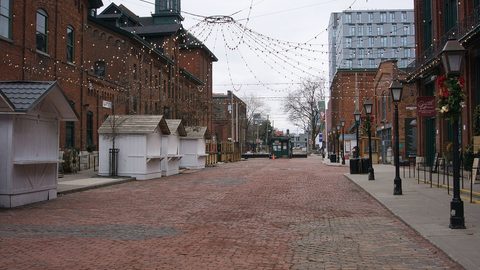 Distillery District
The Distillery District shifts from quiet cobblestone arts precinct to packed Christmas market depending on the season. Here's what to expect in either mode.
Distillery District
The Distillery District shifts from quiet cobblestone arts precinct to packed Christmas market depending on the season. Here's what to expect in either mode.
-
 Leslieville
 is Toronto's brunch-and-browse neighbourhood, a low-rise stretch of Queen Street East where independent cafés and vinyl shops set the pace.
Leslieville
Leslieville is Toronto's brunch-and-browse neighbourhood, a low-rise stretch of Queen Street East where independent cafés and vinyl shops set the pace.