Eating Your Way Through Toronto’s Neighbourhoods
Toronto's food scene lives in its neighbourhoods. Here's what to order and where to find each dish, from Scarborough doubles to Parkdale momos.
What to Eat in Toronto and Where to Find it
Toronto rewards travellers who treat the city as a series of distinct neighbourhoods connected by long transit rides, not a compact historic core. The payoff comes from eating across its immigrant communities rather than ticking off landmarks. The single most useful fact for planning what to eat in Toronto is this: the city's best food lives in the suburbs and secondary streets, not within 200 metres of Yonge-Dundas Square. A peameal bacon sandwich at St. Lawrence Market's Carousel Bakery is the dish most associated with the city, but that is the starting point, not the list. Four full days is the minimum to do this properly. Anything less forces you to choose between downtown and the neighbourhoods where the city actually lives.
Toronto Food Neighbourhoods: Where the City Eats
Downtown Strips And Late-Night Zones
Toronto's structure is a patchwork of strips, each with a dominant cuisine and a distinct rhythm. The downtown core empties after the workday ends. West Queen West holds the city's coolest strip for bars and galleries. Kensington Market runs on chaotic Victorian streets with vintage shops and global food stalls. Chinatown along Spadina stays late. Ossington Avenue and Queen Street West, along with Koreatown and Chinatown, are the late-night dining zones from 22:00 to 02:00.
West End And Suburban Corridors
Scarborough, a vast suburban district east of the core, hides the region's best Sri Lankan and Chinese food. Parkdale, west of the core, is where Tibetan food concentrates. Bloor Street West between Ossington and Dufferin holds the Ethiopian corridor. Little Portugal runs along Dundas West and Ossington. Little Jamaica lines Eglinton West between Oakwood and Keele. Koreatown sits on Bloor between Christie and Bathurst. Corso Italia runs St. Clair West between Dufferin and Lansdowne. The Danforth is Greektown. Roncesvalles Village is Polish. The Bathurst corridor north of St. Clair is Jewish deli territory. Gerrard Street East between Coxwell and Greenwood is Little India. The Junction, around Dundas West and Keele, is the craft beer and pub food district.
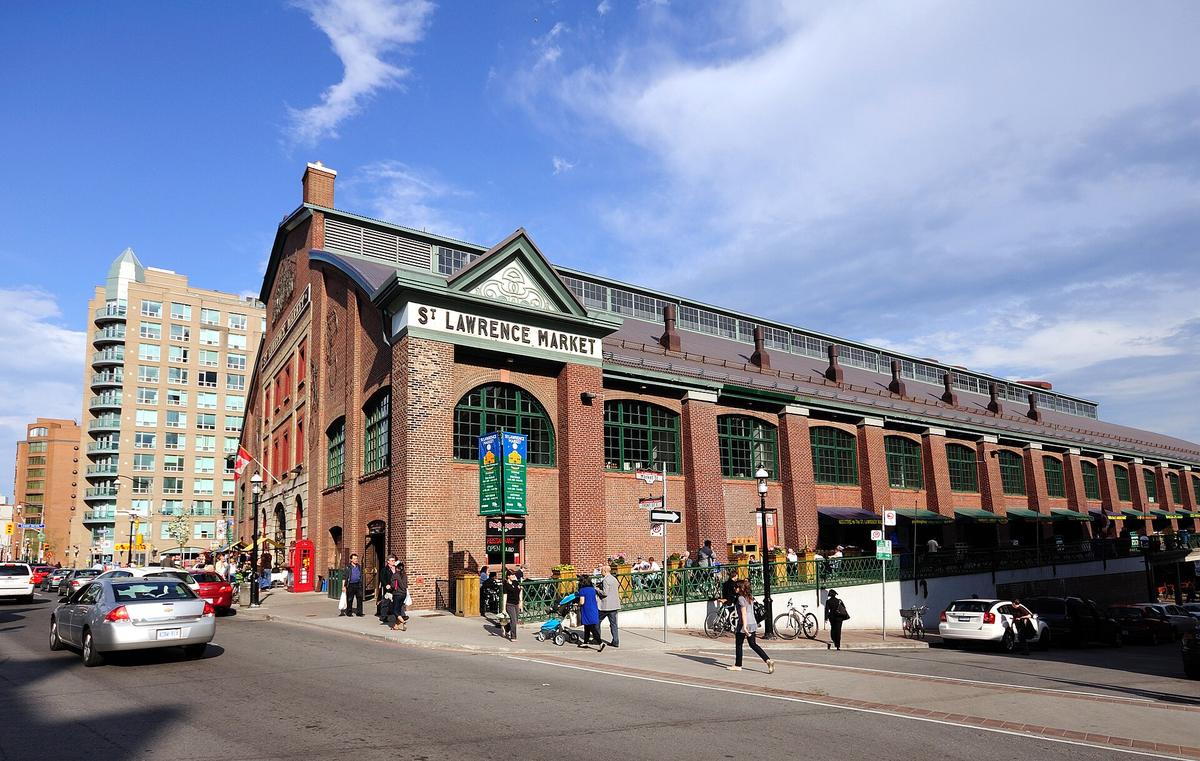
![– Wladyslaw [Disk.]](https://commons.wikimedia.org/wiki/File:Toronto_-_ON_-_St_Lawrence_Market.jpg)
Scarborough Sri Lankan Food: Doubles and Roti
Scarborough's suburban sprawl hides the best Sri Lankan and Trinidadian food in the region. Doubles, a Trinidadian chickpea flatbread sandwich, are a defining dish of this immigration pattern. The proper version comes from Drupati's at 35 Woodbine Downs Boulevard in Etobicoke. Avoid doubles from generic food-court Caribbean counters outside Scarborough and Etobicoke. Roti, Trinidadian and Guyanese style, is a second pillar. The proper version lives at Roti Palace at 1020 Martin Grove Road in Etobicoke. Avoid roti from downtown lunch counters marketed as wrap-style. If you are in Scarborough itself, the district's Chinese food also demands attention, especially the Hakka Chinese Indo-Chinese dishes at Federick Restaurant at 30 Ellesmere Road. Avoid Hakka dishes from non-Hakka Chinese buffets in the downtown core. The TTC subway does not reach most of Scarborough. You need a GO train or a bus. Budget 50 minutes from downtown.
Parkdale Tibetan Momos
Parkdale, centred on Queen Street West and Close Avenue, is the district for Tibetan food in Toronto, a cuisine barely found outside the subcontinent. Tibetan momos, steamed dumplings filled with meat or vegetables, are the dish to order. The proper version is at Loga's Corner at 216 Close Avenue. Avoid momos from generic dumpling chains with no Tibetan menu section. Parkdale sits west of the core, reachable by the Queen streetcar. The ride is slow in mixed traffic. Plan for 25 minutes from downtown. This is a walk-in neighbourhood. No reservations.
Toronto Immigrant Food Guide: the Dishes That Define the City
Caribbean, Korean And East Asian Staples
The immigrant food guide to Toronto runs across fifteen dishes, each anchored to a specific neighbourhood. Jerk chicken from a barrel smoker lives in Little Jamaica on Eglinton West. The proper version is at Allwyn's Bakery at 81 Underhill Drive in North York. Avoid jerk chicken from chain pubs or hotel restaurants in the Entertainment District. Korean fried chicken, the proper version at The Fry at 524 Bloor Street West in Koreatown, avoids the non-Korean sports bar version. Ethiopian injera platters at Lalibela Ethiopian Restaurant at 869 Bloor Street West, between Ossington and Dufferin, are the real option. Skip the hotel buffet versions with pre-made injera. Vietnamese pho at Pho Tien Thanh at 57 Ossington Avenue beats chain noodle houses in the PATH underground mall.
Chinese, Jewish And South Asian Classics
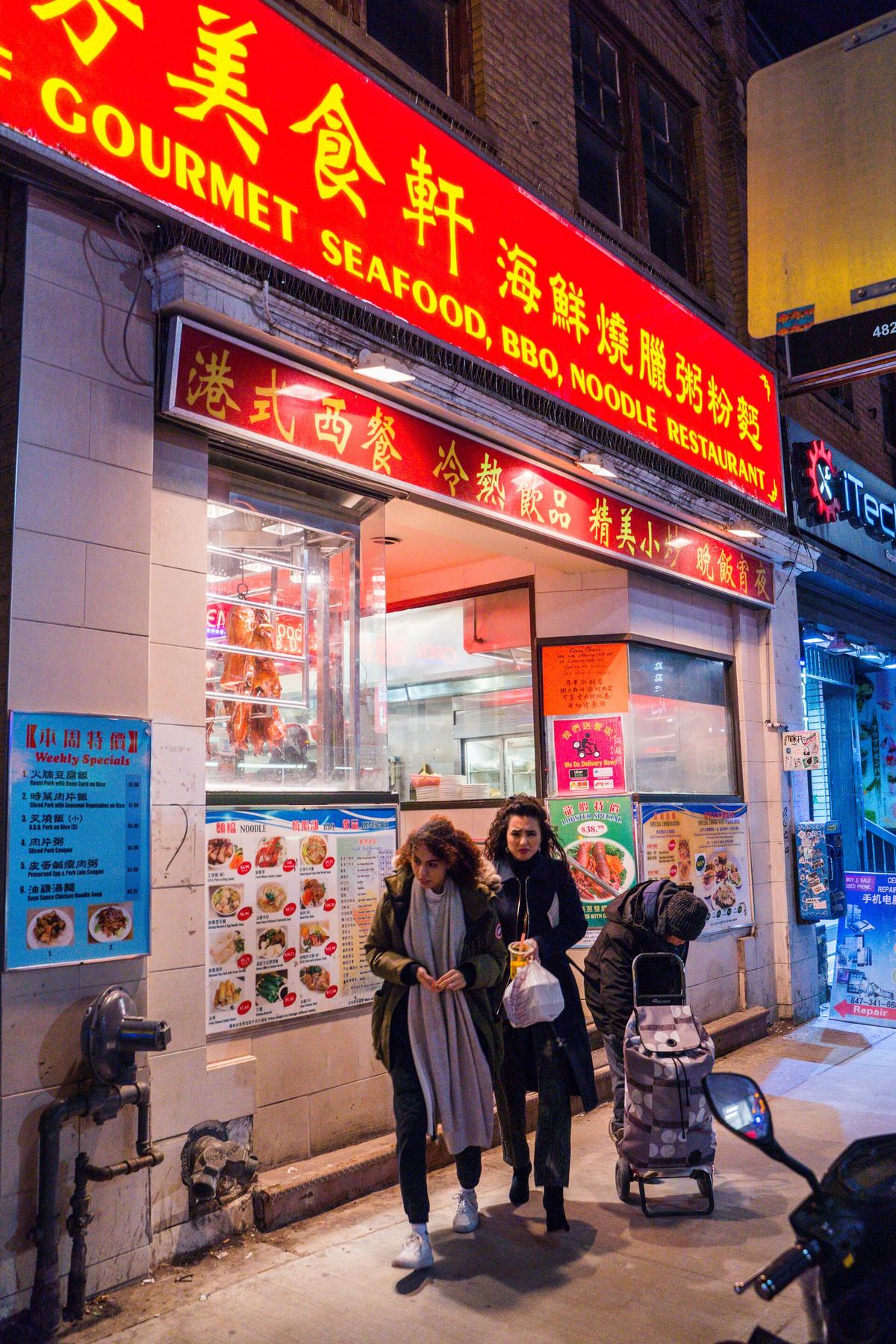
Chinese BBQ siu mei at House of Gourmet at 484 Dundas Street West in Chinatown avoids steam-table counters in non-Chinese food halls. Montreal style bagels baked in Toronto at Kiva's Bagel Bar at 1027 St. Clair Avenue West avoid national coffee chain bagels. Smoked meat sandwich at Centre Street Deli at 1136 Centre Street in Thornhill avoids hotel room service versions. Butter chicken at Banjara Indian Cuisine at 796 Bloor Street West in Little India beats fast-casual Indian chains in the Financial District.
Japanese, Portuguese And Hand-Pulled Specialities
Sushi and omakase at Shoushin at 3328 Yonge Street, requiring a reservation 1 to 2 months ahead with prepayment common, avoids all-you-can-eat sushi from non-Japanese owned chains in the Entertainment District. Portuguese custard tarts, pastéis de nata, at Venezia Bakery at 214 Ossington Avenue in Little Portugal, skip factory-made supermarket versions. Hand-pulled noodles at GB Hand-Pulled Noodles at 66 Edward Street avoid mall food court versions in the Financial District. A butter tart from a farmers' market stall is the distinctly Ontarian pastry to end on.
Peameal Bacon Sandwich: Toronto’s Signature Dish
The dish most associated with Toronto is the peameal bacon sandwich, and the place to get it done properly is Carousel Bakery inside St. Lawrence Market at 93 Front Street East. St. Lawrence Market is a historic food hall closed Sundays and Mondays. Arrive before 11:00 on a weekday to avoid the 12:00 to 13:30 lunch queue. The tourist version to avoid is the pre-packaged peameal bacon sandwich from chain coffee shops or airport kiosks. St. Lawrence Market sits at the eastern edge of the downtown core, a 10 minute walk from Union Station. This is a walk-in only operation.

Seasonal Eating: Ontario Produce by the Month
Spring And Summer Harvest
Toronto's farmers' markets, particularly Evergreen Brick Works at 550 Bayview Avenue and St. Lawrence Market, track Ontario's growing seasons. The outdoor market at Evergreen Brick Works runs May to November. The indoor market runs year round. Ontario asparagus appears May to June and is best at farm-to-table restaurants with seasonal menus such as Actinolite at 971 Ossington Avenue. Avoid asparagus dishes in winter from imported supply. Ontario sweet corn runs August to September from roadside farm stands in the Greenbelt, such as Whittamore's Farm at 8100 Steeles Avenue East in Markham. Avoid sweet corn from grocery chains in spring. Ontario peaches arrive in August from farmers' markets.
Autumn And Winter Produce
Ontario apples run September to October from apple orchards within an hour of downtown, such as Pine Farms Orchard at 2700 16th Sideroad in King City. Avoid apples from grocery chains in July. Ontario maple syrup season is March to April at Sugarbush Maple Syrup Festival sites in the Greenbelt. The annual dates are published by Farmers' Markets Ontario. Avoid maple flavoured syrup from supermarkets. Ontario strawberries run June to July. Ontario squash and root vegetables run October to December. Oysters peak September to April, the months with R. Soft shell crab runs May to July. Soup and ramen peaks November to March. Ice cream and gelato peaks June to August with many shops reducing hours November to March.
How to Eat in Toronto Without Getting it Wrong
Meal Times And Reservation Rules
Breakfast runs 07:00 to 10:00 on weekdays, 08:00 to 11:00 on weekends. Lunch runs 11:30 to 14:00 on weekdays, 12:00 to 15:00 on weekends. Dinner runs 17:30 to 21:00 on weekdays, 18:00 to 22:00 on weekends. Late-night food runs 22:00 to 02:00 in Koreatown, Chinatown, and the Ossington strip. Casual restaurants are walk-in only. Mid-range restaurants need a reservation Thursday to Saturday for the 18:00 to 20:00 slot. High-end restaurants require a reservation 2 to 4 weeks ahead for Friday and Saturday dinner. Omakase counters require a reservation 1 to 2 months ahead with prepayment common. Dim sum is walk-in with a queue from 10:00 to 12:00 on weekends. No reservation at most halls. Group dining for six or more needs a reservation 3 to 7 days ahead. Holiday dining requires a reservation 2 to 6 weeks ahead for Christmas Eve, New Year's Eve, and Valentine's Day. The dates vary annually. Patios are walk-in only with a waitlist via the host stand. Food halls and markets are walk-in only with peak queue from 12:00 to 13:30 on weekdays.
Places To Avoid
Never eat at restaurants within 200 metres of Yonge-Dundas Square, restaurants with menus in five or more languages and photo menus, restaurants inside major hotels in the Financial District, chain restaurants on Front Street West between University Avenue and Spadina Avenue, food counters inside the PATH underground mall, restaurants with sandwich boards advertising authentic cuisine, restaurants with QR code only menus and no printed menu, or restaurants with a 4.2 to 4.6 rating and over 5,000 reviews on Google Maps in the Entertainment District.
Tipping And Tax
Tipping at full-service restaurants is 15 to 20 percent of the pre-tax total. Counter service tipping is 0 to 10 percent, often prompted on the payment terminal. The tax rate on meals is 13 percent HST. Auto-gratuity of 15 to 18 percent is added for groups of six to eight or more, varying by restaurant. Takeout expects no tip although the tip prompt may appear. Delivery apps expect a tip set before the order, 10 to 15 percent common. Omakase and tasting menus expect 18 to 20 percent of the pre-tax total. Food halls expect no tip at the counter. You bus your own table.
Common Questions
What is the one dish I have to eat in Toronto?
The peameal bacon sandwich at Carousel Bakery inside St. Lawrence Market. It is the dish most associated with the city. Arrive before 11:00 on a weekday. St. Lawrence Market is closed Sundays and Mondays.
Where do I go for the best Sri Lankan food in Toronto?
Scarborough. Take a GO train or bus 50 minutes from downtown. The doubles at Drupati's at 35 Woodbine Downs Boulevard in Etobicoke are the proper version. Avoid food-court Caribbean counters outside Scarborough and Etobicoke.
What neighbourhood has the best late-night food in Toronto?
Three areas: Ossington Avenue, Koreatown on Bloor Street West between Christie and Bathurst, and Chinatown along Spadina. These districts serve food from 22:00 to 02:00. All are walk-in only.
When is the best time to visit Toronto for food?
May to October. May and June bring Ontario asparagus and strawberries. August and September bring sweet corn and peaches. Outdoor farmers' markets run May to November. Patios open May to October. Restaurant week runs winter and summer editions with dates varying annually.
What is the biggest mistake tourists make when eating in Toronto?
Staying only in the financial core and eating within 200 metres of Yonge-Dundas Square. That produces the most common complaint: that the city felt sterile and soulless. The real food lives in the neighbourhoods and suburbs.
Read next
-
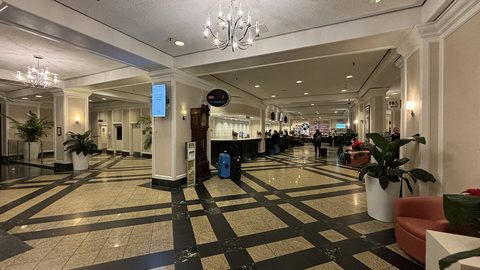
 Toronto Hotels and What the Price Bands Actually Get You
Toronto hotel prices cluster into bands that deliver distinctly different experiences, from suburban chain functionality to character-rich midrange spots in
Toronto Hotels and What the Price Bands Actually Get You
Toronto hotel prices cluster into bands that deliver distinctly different experiences, from suburban chain functionality to character-rich midrange spots in
-
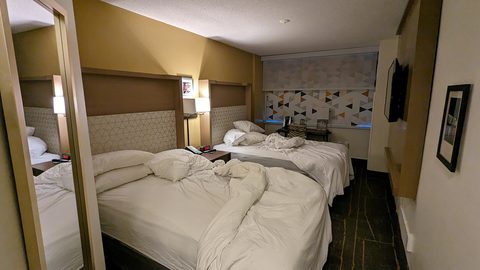 Where to Stay in Toronto and What Each District Costs You
Where you stay in Toronto shapes everything about your trip. Each district comes with a tradeoff in transit time, street life, and what you can walk to after dinner.
Where to Stay in Toronto and What Each District Costs You
Where you stay in Toronto shapes everything about your trip. Each district comes with a tradeoff in transit time, street life, and what you can walk to after dinner.
-
 Flying Into Toronto Pearson or Billy Bishop and Getting Downtown
Flying into Toronto means choosing between Pearson and Billy Bishop. Here's how each airport works and how to get downtown from both.
Flying Into Toronto Pearson or Billy Bishop and Getting Downtown
Flying into Toronto means choosing between Pearson and Billy Bishop. Here's how each airport works and how to get downtown from both.
-
 What to Do in Toronto Ordered by Whether It Is Worth the Time
Toronto's attractions compete for your limited days. Some earn their time cost, others don't. This ranks them by what you actually get for the hours you spend.
What to Do in Toronto Ordered by Whether It Is Worth the Time
Toronto's attractions compete for your limited days. Some earn their time cost, others don't. This ranks them by what you actually get for the hours you spend.
-
 When to Visit Toronto and What Each Season Does to the City
Toronto shifts dramatically with the seasons, from festival-packed spring and fall shoulders to humid summer patios and bitter winter sidewalks that never
When to Visit Toronto and What Each Season Does to the City
Toronto shifts dramatically with the seasons, from festival-packed spring and fall shoulders to humid summer patios and bitter winter sidewalks that never
-
 Getting Around Toronto Without Wasting Half Your Trip in Transit
Toronto's transit map looks simple but hides slow surface routes, a disorienting underground maze, and walking distances everyone underestimates.
Getting Around Toronto Without Wasting Half Your Trip in Transit
Toronto's transit map looks simple but hides slow surface routes, a disorienting underground maze, and walking distances everyone underestimates.
-
 Canada Travel Guide for First-Timers Who Have No Idea How Big It Is
Canada is the second-largest country on earth, and its vastness punishes anyone who mistakes it for a quick trip between iconic sights.
Canada Travel Guide for First-Timers Who Have No Idea How Big It Is
Canada is the second-largest country on earth, and its vastness punishes anyone who mistakes it for a quick trip between iconic sights.
-
 Staying Connected Across Canada Without Roaming Surprises
A mobile plan bought from Rogers in Toronto can trigger roaming charges the moment you cross into Manitoba. That is not a glitch. That is Canada.
Staying Connected Across Canada Without Roaming Surprises
A mobile plan bought from Rogers in Toronto can trigger roaming charges the moment you cross into Manitoba. That is not a glitch. That is Canada.
-
 When to Visit Canada and What Each Season Actually Delivers
Canada's reliable travel window runs June to September. Outside that, rural attractions close, daylight vanishes, and winter is aggressively extreme.
When to Visit Canada and What Each Season Actually Delivers
Canada's reliable travel window runs June to September. Outside that, rural attractions close, daylight vanishes, and winter is aggressively extreme.