What the Toronto TIFF Festival Impact Visitors Experience in the City
TIFF brings glamour and gridlock to Toronto every September. Hotel rates jump, streets close around King West, and the city feels different. Here is what to expect.
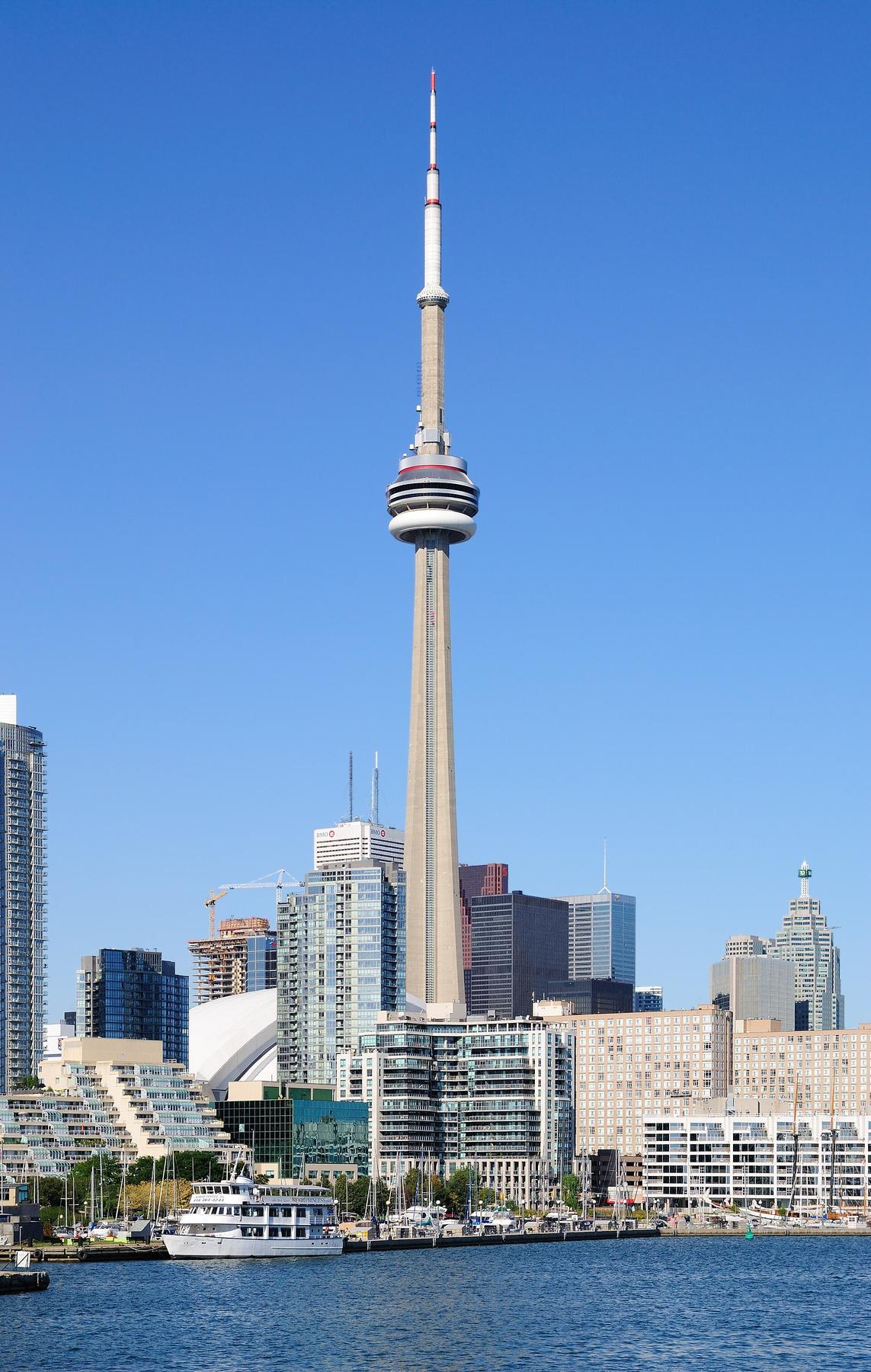

How the Toronto International Film Festival Changes the City
The common wrong assumption about the Toronto International Film Festival is that it only matters if you have a ticket. That is not true. The Toronto TIFF festival impact visitors feel is citywide and financial, not just cultural. In early September, the Entertainment District becomes a gated zone, hotel rates across the core spike, and even a visitor who never buys a single screening pass will pay more and move slower. The tradeoff is real, because September otherwise offers some of the year's best weather: low humidity, clear skies, and patio temperatures that disappear by mid-October.
The festival runs 11 days early to mid September each year. The main zone is King Street West between University Avenue and Spadina Avenue. A second cluster sits around the Scotiabank Theatre on Richmond Street West at John Street. For the first four days, King Street West closes to private vehicles entirely in that main zone. John Street and Widmer Street face intermittent full closures for red carpet events. The 504 King streetcar diverts via Queen Street West during the full closures. If you plan to move east west through the core on surface transit that week, check the TTC service advisories before you leave your hotel.
TIFF Toronto September Hotel Prices: What to Expect and How to Budget
Downtown hotels within one kilometre of King Street West and Richmond Street West run at or near full occupancy for the entire 11 day period. Rates rise sharply for festival dates, and the increase is steepest within 500 metres of the TIFF Bell Lightbox, the festival headquarters and main box office. That zone includes Yorkville and the financial core hotels. Expect to pay premium rates even at mid tier chains. The festival period is the highest demand period of the year for downtown accommodation outside New Year's Eve.
Where To Stay Instead
Book outside the core zone. The Annex, Leslieville, and Dundas West all have hotels and short term rentals that see less price surge. The tradeoff is a longer transit ride into the centre, but the TTC adds service on Line 1 and the 504 King replacement routing during festival nights, so the connection is reliable. Private rentals in the Entertainment District and Fashion District list at premium rates for festival dates and tend to fill first. Book any accommodation before the film schedule releases in late August; after that, availability drops fast.
The Failure Case
If you arrive without a reservation and try to book a downtown hotel during the festival, you will pay event rate pricing at lots within 500 metres of TIFF Bell Lightbox and Roy Thomson Hall, or find nothing available. The backup plan is a hotel near a subway station on Line 1 outside the core. Queen Street West and Ossington see spillover demand for restaurants, so staying in those areas means you are still close to the action without the price.
Toronto Film Festival Street Closures: How They Change Your Route
King Street West between University Avenue and Spadina Avenue closes to private vehicles for the first four festival days. That shuts the main east west surface route through the Entertainment District. The 504 King streetcar diverts via Queen Street West during those closures. North south streets crossing King West remain open except during short red carpet holds, which happen at Roy Thomson Hall and the Princess of Wales Theatre before evening premieres. Those venues generate the largest single event street crowds in the festival.
Navigation Strategy
Walk through the core zone if you are on foot. The sidewalks on King Street West reach standing room density after dark, but north south routes like John Street, Peter Street, and Widmer Street stay navigable. Bikeshare stations near festival venues empty by late afternoon; docking availability improves after 23:00, so plan to hold your bike through the night if you are cycling. Public lots in the Entertainment District fill by mid afternoon on festival weekdays. Event rate pricing applies at lots within 500 metres of TIFF Bell Lightbox and Roy Thomson Hall. If you drive into the zone, arrive before 13:00 or skip the car entirely.
Resident Access
Vehicle access to buildings on closed blocks of King Street West is restricted to local traffic with proof of address. As a visitor, you will not have that. Taxis and rideshare wait times and surge pricing peak between 21:00 and 01:00 in the Entertainment District. The best option is to walk north to Queen Street West and hail from there, or walk south to the waterfront and catch a streetcar from the Harbourfront routes, which do not divert.
TIFF Tickets Toronto Public Access: How to See Films Without Industry Credentials
The full public film schedule is released in late August on tiff.net. Single tickets are available to the general public at that point. Availability is limited for premium evening shows, especially the red carpet premieres at Roy Thomson Hall and the Princess of Wales Theatre. Higher availability exists for weekday daytime showings and second screenings that run earlier in the afternoon. The festival includes several thousand accredited industry delegates in addition to the public audience, so premium slots go fast.
Rush Tickets
Rush tickets go on sale the day of the screening for sold out shows. The quantity varies by venue capacity. Arrive at the venue box office at least 90 minutes before showtime. High visibility volunteers stationed at festival venues and street corners can point you to the correct queue. This is not a guaranteed method, but it works for weekday shows. Weekend evening premieres rarely have rush availability.
What To Skip
If you do not buy tickets in advance and do not want to rush, skip the core festival zone entirely on weekend evenings. The street closures, amplified sound, and crowd noise concentrated around Roy Thomson Hall and Princess of Wales Theatre make that area unpleasant for a casual evening walk. Instead, visit the TIFF Bell Lightbox during the day when the box office is open and the sidewalk density is lower. The inside of the building is free to enter and has a public cafe.
Toronto September TIFF Crowds: What Density Actually Looks Like
King Street West sidewalks in the core zone reach standing room density after dark. That means you cannot walk at a normal pace. You shuffle. Roy Thomson Hall and Princess of Wales Theatre generate the largest single event street crowds. Rain shifts queuing and red carpet viewing indoors or under cover, which reduces sidewalk density but concentrates people inside venue lobbies. Weekday daytime showings draw smaller crowds than evening premieres, so daytime is the window for less congested visits.
Restaurant reservation patterns reflect the crowd density. Dinner reservations in the Entertainment District and King West book out two to three weeks ahead for festival weeknights. Walk in availability drops to near zero after 18:00 within 400 metres of festival venues. If you want to eat in the zone, book by late August. King West venues shift to private or ticket only events on festival weekends, so your usual bar or lounge may not admit the public. Spillover demand increases bookings in Queen West and Ossington during festival week, which means those neighbourhoods also require reservations.
What the Festival Does to Non Attendee Experience
If you are in Toronto during TIFF and do not have a ticket, the real impact is price and congestion. The festival transforms the Entertainment District into an event zone that requires planning to move through. The September weather is excellent: this is peak season for good reason. You trade that weather for higher costs and slower transit. The city feels glamorous but expensive and logistically tight.
Public screenings exist and require planning. The full schedule releases in late August. If you decide to see a film, buy tickets immediately after the release. If you decide not to, avoid the King Street West zone between 17:00 and 23:00 on festival weekdays and all day on weekends. The rest of Toronto operates normally. Neighbourhoods like Leslieville, the Danforth, Dundas West, and Scarborough see no festival crowds at all. The Aga Khan Museum and Scarborough Bluffs are unaffected. The Toronto Islands, a 15 minute ferry ride from Bay Street, make a full day escape that bypasses the congestion entirely.
How to Make the Tradeoff Work
Budget more for accommodation than you would for a September stay outside the festival. Book a hotel outside the core zone to avoid the steepest price increase. The Annex, Leslieville, and Dundas West all have options within a 20 minute transit ride to the centre. Use the Transit app for real time TTC data; it is more reliable than Google Maps for surface routes, and the 504 King streetcar diversion is a common trip up that the Transit app handles better.
Reserve restaurants by late August. If you forget, eat in Chinatown along Spadina, where the global food stalls and late night Chinese dining do not take reservations and are not affected by festival demand. The failure case is trying to find a walk in table in the Entertainment District after 18:00. It will not happen. Plan for that or accept that you will eat north of Queen Street West.
The single thing that most often goes wrong during TIFF is staying only in the financial core and judging Toronto by its least interesting streets. The city's real value is in its neighbourhoods, and a downtown hotel without a plan to leave the core produces the most common complaint: that the city felt sterile and soulless. Get out of the zone. Eat a peameal bacon sandwich at St. Lawrence Market, walk Kensington Market, take the 15 minute ferry to the Toronto Islands. The festival is one part of September. Do not let it become the whole trip.
| Item | Detail |
|---|---|
| Primary festival zone | King Street West, University to Spadina |
| First four days street closure | King Street West closed to private vehicles |
| Hotel occupancy within 1 km | Near full for 11 days |
| Cheapest transit fare | $4 CAD with Presto card or contactless card |
| UP Express from Pearson to Union | 25 minutes, roughly $12 CAD one way adult |
| Taxi from Pearson to downtown | 35 to 60 minutes, $55 to $70 CAD flat rate |
| Bikeshare station status | Empty near venues by late afternoon; docks refill by 23:00 |
| Restaurant reservation lead | 2 to 3 weeks ahead for festival weeknights |
| Rideshare surge window | 21:00 to 01:00 in Entertainment District |
| Public lot filling time | Mid afternoon on festival weekdays |
Read next
-
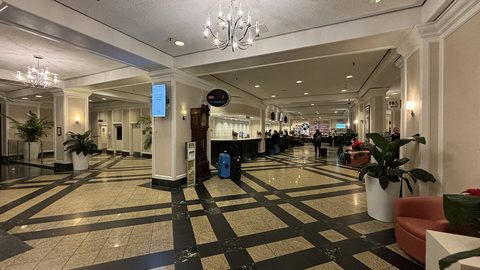
 Toronto Hotels and What the Price Bands Actually Get You
Toronto hotel prices cluster into bands that deliver distinctly different experiences, from suburban chain functionality to character-rich midrange spots in
Toronto Hotels and What the Price Bands Actually Get You
Toronto hotel prices cluster into bands that deliver distinctly different experiences, from suburban chain functionality to character-rich midrange spots in
-
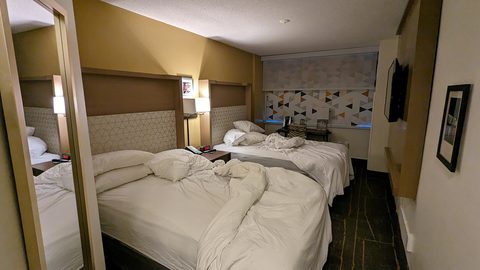 Where to Stay in Toronto and What Each District Costs You
Where you stay in Toronto shapes everything about your trip. Each district comes with a tradeoff in transit time, street life, and what you can walk to after dinner.
Where to Stay in Toronto and What Each District Costs You
Where you stay in Toronto shapes everything about your trip. Each district comes with a tradeoff in transit time, street life, and what you can walk to after dinner.
-
 Flying Into Toronto Pearson or Billy Bishop and Getting Downtown
Flying into Toronto means choosing between Pearson and Billy Bishop. Here's how each airport works and how to get downtown from both.
Flying Into Toronto Pearson or Billy Bishop and Getting Downtown
Flying into Toronto means choosing between Pearson and Billy Bishop. Here's how each airport works and how to get downtown from both.
-
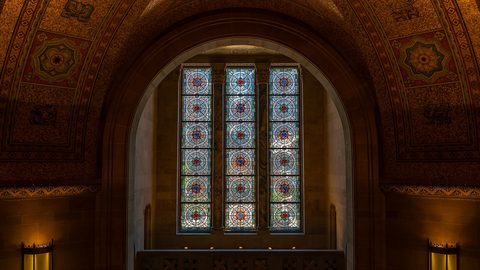 What to Do in Toronto Ordered by Whether It Is Worth the Time
Toronto's attractions compete for your limited days. Some earn their time cost, others don't. This ranks them by what you actually get for the hours you spend.
What to Do in Toronto Ordered by Whether It Is Worth the Time
Toronto's attractions compete for your limited days. Some earn their time cost, others don't. This ranks them by what you actually get for the hours you spend.
-
 When to Visit Toronto and What Each Season Does to the City
Toronto shifts dramatically with the seasons, from festival-packed spring and fall shoulders to humid summer patios and bitter winter sidewalks that never
When to Visit Toronto and What Each Season Does to the City
Toronto shifts dramatically with the seasons, from festival-packed spring and fall shoulders to humid summer patios and bitter winter sidewalks that never
-
 Getting Around Toronto Without Wasting Half Your Trip in Transit
Toronto's transit map looks simple but hides slow surface routes, a disorienting underground maze, and walking distances everyone underestimates.
Getting Around Toronto Without Wasting Half Your Trip in Transit
Toronto's transit map looks simple but hides slow surface routes, a disorienting underground maze, and walking distances everyone underestimates.
-
 CN Tower
The CN Tower anchors Toronto's skyline, but a good visit depends on booking ahead for sunset slots and knowing which experience fits your time and tolerance
CN Tower
The CN Tower anchors Toronto's skyline, but a good visit depends on booking ahead for sunset slots and knowing which experience fits your time and tolerance
-
 Royal Ontario Museum
The Royal Ontario Museum pairs world cultures with natural history inside a crystal-winged building, and a focused visit to two or three galleries beats a
Royal Ontario Museum
The Royal Ontario Museum pairs world cultures with natural history inside a crystal-winged building, and a focused visit to two or three galleries beats a
-
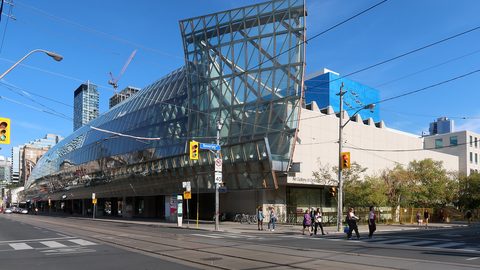 Art Gallery of Ontario
The Art Gallery of Ontario pairs a deep Group of Seven collection with Frank Gehry's glass-and-wood redesign, a focused art experience steps from Chinatown
Art Gallery of Ontario
The Art Gallery of Ontario pairs a deep Group of Seven collection with Frank Gehry's glass-and-wood redesign, a focused art experience steps from Chinatown