The Distillery District Cobblestone Precinct and Its Seasons
The Distillery District shifts from quiet cobblestone arts precinct to packed Christmas market depending on the season. Here's what to expect in either mode.
- Flag
-

- ISO code
- CA
- Timezone
- America/Toronto
Cobblestone and Crowds: Two Distinct District Seasons
The Distillery District has two modes. For roughly ten months of the year it is a quiet pedestrian village of Victorian brick, galleries, and courtyard cafés. For the remaining weeks it becomes a ticketed Christmas market that draws enough people to test the patience of anyone who came for the heritage. The contrast is extreme, and the wrong expectation produces the wrong visit.
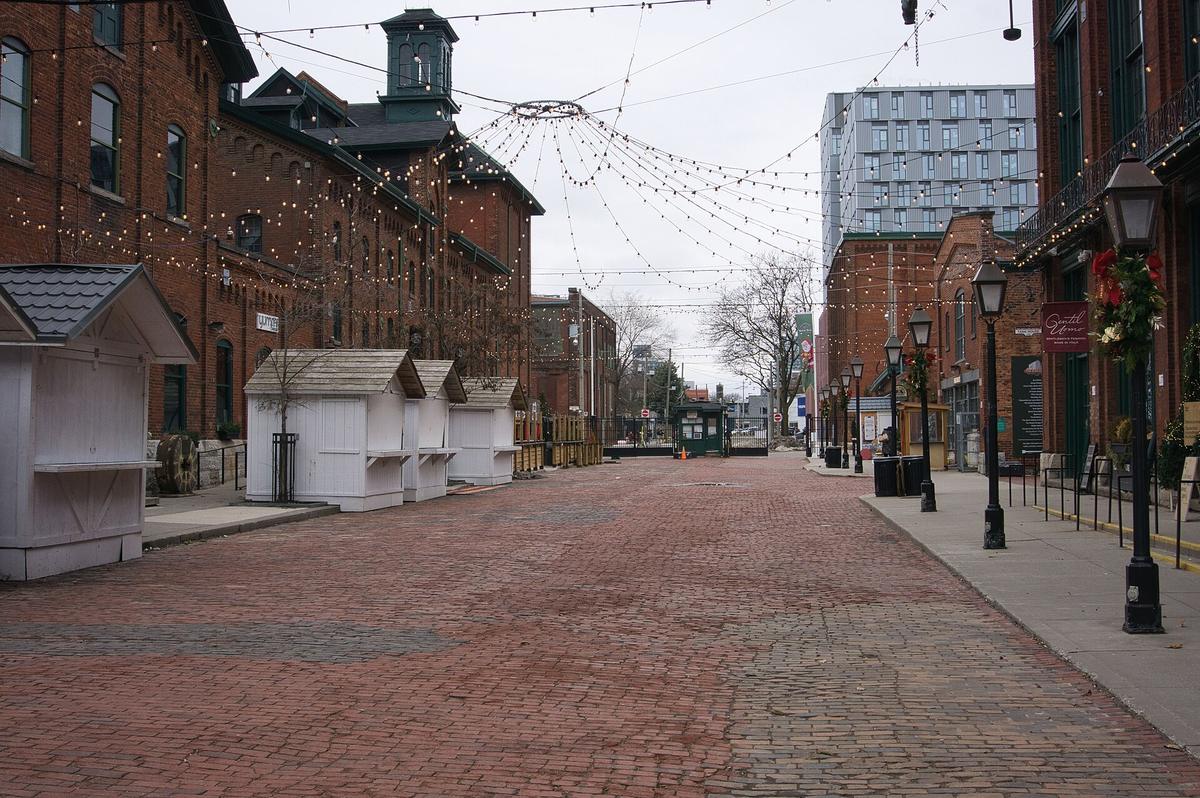
This 13-acre precinct, a National Historic Site of Canada since 1988, occupies a former Gooderham and Worts distillery that operated from 1832 until 1990 and reopened as an arts district in 2003. More than forty Victorian-era industrial buildings survive, arranged along cobblestone lanes that allow only service vehicles. The street layout is pedestrian-only, which is rare in Toronto and explains why the district attracts photography groups, couples, and food-focused visitors who want a self-contained walk without dodging cars. But the same narrow lanes that feel pleasant in May become bottlenecks in December. Knowing which season you will encounter is the difference between a relaxed afternoon and a frustrated shoulder-to-shoulder shuffle.

The Quiet Season: Distillery District Galleries Toronto and Courtyard Life
From spring through early autumn, the Distillery District functions as a low-rise arts precinct. Multiple commercial galleries and artist studios occupy the heritage buildings. The Young Centre for the Performing Arts, home to the Soulpepper Theatre Company, programs theatre year-round. You can spend a morning moving between gallery spaces without encountering more than a dozen other visitors in any single room. Weekday mornings are notably quieter than weekend afternoons. Arrive before 11:00 and you will have the cobblestone lanes largely to yourself.
What to Do With a Quiet Morning
Start at the north end and walk south, letting the courtyards pull you sideways. Public seating is scattered throughout the pedestrian core: courtyard benches and café patios. Sit for ten minutes and watch the light shift across the brick facades. The buildings are two to four storeys, which keeps the scale human. The adjacent condominium towers rise higher outside the heritage core, but inside the precinct the sightlines stay low. Film and television crews use the district as a location regularly; if you see cones and cables, route around them rather than waiting for the shoot to clear.
Dining Without the Queue
Restaurants and cafés dominate the ground floor. Sit-down dining is the primary food option, supplemented by artisan bakeries, chocolate shops, coffee roasters, and specialty food retailers. Chain retail is low; most operators are independent. In the quiet season you can walk into most places without a reservation for lunch. Reserve for dinner on Friday and Saturday evenings. The food retail mix leans toward small-batch and handmade, so budget accordingly.
Getting There and Moving On
The nearest subway station is King Station on Line 1, about fifteen to twenty minutes on foot. Streetcar routes 504 King and 503 Kingston Road serve the area. The walk to St. Lawrence Market takes ten to fifteen minutes. The walk to the waterfront takes fifteen to twenty minutes. Corktown is adjacent, under ten minutes on foot. You can build a half-day itinerary that combines the Distillery District, St. Lawrence Market, and the Toronto Islands ferry, which departs from the foot of Bay Street fifteen minutes from the district.
Distillery District Christmas Market: Ticketed Entry and the Weekend Crush
The Distillery District Christmas Market changes everything. What operates as a free pedestrian village for most of the year shifts to a ticketed entry system during the Christmas market period. The admission policy has varied between free and ticketed in past years; the current year's policy is published on the Distillery District official website. What does not vary is the crowd density. On weekend evenings in December, the narrow cobblestone lanes fill to a level that makes walking from one end to the other a slow, deliberate process. Parents with strollers, groups posing for photographs, and queues for mulled wine create a three-dimensional traffic jam.
Who Should Go and Who Should Skip
The Christmas market suits visitors who treat the crowd as part of the experience: couples who want holiday lights and a glass of warm cider, photographers who work around people rather than against them. It does not suit anyone who came for the Distillery District galleries Toronto or the quiet heritage atmosphere. If your interest is the Victorian architecture and the gallery spaces, visit in October or early November before the market setup begins, or in January after it ends. The winter pattern from January through March reduces outdoor activity sharply; indoor galleries, restaurants, and shops remain the primary draw, and the bitter Toronto winter keeps the pedestrian village emptier than any other season.
The Weekend Ticketing Reality
Weekend entry to the Christmas market requires a ticket. Weekday entry has sometimes remained free. The precise arrangement changes annually, which is why you must check the official site before you go. Arriving without a ticket on a Saturday evening means joining a queue at the entry point and hoping for day-of availability, which is unreliable. Book ahead if your schedule is fixed. The ticketed system exists to cap the number of people inside the 13-acre precinct, and it works well enough that the experience inside is manageable rather than dangerous, but it is still dense. Budget for the ticket cost when planning your December Toronto itinerary.
Distillery District Winter Crowds: What to Expect on the Ground
The Distillery District winter crowds during the Christmas market period are the district's most intense. The pedestrian village layout, which feels spacious in June, compresses the flow of visitors into a handful of primary corridors. The courtyard at the centre of the district becomes a staging area for queues and meet-up points. If you visit on a Saturday between early December and Christmas Eve, do not plan to move quickly. Allow twenty minutes to cross the full length of the precinct. Plan to spend your time inside stationary spaces: a gallery, a café, a theatre performance. The Young Centre for the Performing Arts offers an indoor alternative to the outdoor crush. Soulpepper Theatre Company programs through the holiday season, and a ticket gives you a reason to arrive early and stay late without standing in the lanes.
The Cobblestone pedestrian village experience in winter is fundamentally different from its summer counterpart. Outdoor seating disappears. Courtyard benches remain but are less inviting in sub-zero temperatures. The primary activity shifts from wandering to destination-hopping: you enter a gallery, warm up, move to a café, warm up, walk to a shop. This stop-and-start rhythm works well with the market layout because it reduces the time you spend in the moving crowd. The food retail mix shifts toward hot drinks and warming foods. The artisan bakeries and chocolate shops do steady business. If you dislike cold weather crowds, the January to March window offers the quietest version of the district, though you will need to dress for slush and freezing temperatures.
Distillery District Galleries Toronto and the Arts Season
The Distillery District galleries Toronto scene operates year-round, but the quiet season from spring to early autumn offers the best access. Multiple commercial galleries and artist studios occupy the heritage buildings. The Young Centre for the Performing Arts houses Soulpepper Theatre Company and provides a dedicated performance venue. Art fairs and food festivals occur throughout the year; the event schedule is published on the Distillery District official website. Photography groups frequent the district because the Victorian industrial architecture and cobblestone lanes create a consistent visual backdrop. Film and commercial shoots block access to some areas; check the district's social media feed before a planned gallery visit if your schedule is tight.
The gallery spaces vary in size and focus. Several deal in contemporary Canadian art. Others show craft and decorative objects. The mix of commercial galleries and artist studios means you see both finished work and works in progress. No single gallery dominates the district. The experience is one of moving from small room to small room, which suits a self-guided afternoon. If you want a guided introduction, the district offers occasional walking tours through its event programming. Without a tour, plan to spend two to three hours for a thorough walk through all the open gallery spaces.

Distillery District Pedestrian Village: Layout and Practical Limits
The Distillery District pedestrian village occupies a compact 13-acre site. The street layout is cobblestone lanes and courtyards with no vehicle traffic except service and delivery. This design creates a calm, self-contained atmosphere that contrasts sharply with the vehicle-heavy Entertainment District and the office-tower-dominated Financial District. The low-rise heritage buildings, mostly two to four storeys, keep the scale human. The district is quieter than King West and the Entertainment District for residential noise, though event noise rises during festivals and the Christmas market.
The block is small enough that you can walk every lane in under an hour without stopping. With stops for galleries, cafés, and meals, the typical stay is two to four hours. The district is not a multi-day base; accommodation within the heritage core is limited to boutique-style and small-scale lodging, and availability is lower than in the Entertainment District, Financial District, or waterfront hotel zone. Visitors use the district for short stays and evening visits rather than as a home base. The walking distances to neighbouring districts are short: Old Town Toronto and St. Lawrence are ten to fifteen minutes on foot; Corktown is under ten minutes; West Don Lands is ten to fifteen minutes. The waterfront is fifteen to twenty minutes on foot but separated by a rail corridor and Lake Shore Boulevard, which makes the walk less pleasant than the distance suggests.
Accessibility and Surface Conditions
Cobblestone surfaces and uneven historic paving may limit wheelchair access in some lanes. The main north-south corridor is the smoothest route. Side lanes and courtyard edges are rougher. Public washrooms are available within the district; verify current locations on the district website. Bike parking exists within the perimeter, and bike lanes on nearby arterial streets connect to the broader Toronto cycling network.
| Season | Crowd Level | Primary Activity | What to Book |
|---|---|---|---|
| May to October | Low to moderate on weekdays; moderate on weekends | Gallery hopping, courtyard dining, photography | Dinner reservation for Friday and Saturday evenings |
| Late November to December | High; weekend ticketed entry | Christmas market, holiday shopping, theatre | Christmas market entry ticket; theatre tickets at Young Centre |
| January to March | Low | Indoor galleries, restaurants, shops | Nothing; walk in without reservation |
Who the Distillery District Suits and Who Should Skip it
The Distillery District suits travellers who want a calm, walkable heritage precinct for a few hours: couples, older travellers, food-focused visitors who plan around meals, arts and craft shoppers, and photography groups. It suits repeat visitors to Toronto who already know the neighbourhoods and want a contained afternoon. It suits anyone visiting St. Lawrence Market or Corktown who can add the district as a nearby stop.
The Distillery District does not suit travellers seeking a multi-day base. Accommodation within the district is limited. It does not suit visitors with limited mobility who need smooth, even surfaces; the cobblestone lanes and historic paving are not forgiving. It does not suit travellers who dislike crowds and arrive during the Christmas market period without a plan for the density. And it does not suit anyone who judges Toronto by its downtown core alone: staying only in the financial district and walking to the Distillery District as a highlight will produce the same complaint that the city felt sterile. The district works best as one stop in a neighbourhood-focused itinerary that includes St. Lawrence Market, Corktown, and the waterfront.
Other areas in Toronto
Common Questions
Is the Distillery District free to enter?
The pedestrian village is free to enter for most of the year. During the Christmas market period, weekend entry has shifted between free and ticketed in past years. Check the Distillery District official website for the current year's policy. Weekday entry during the market period has sometimes remained free.
How long should I spend in the Distillery District?
Two to four hours covers the galleries, a meal, and a walk through all the lanes. If you add a theatre performance at the Young Centre for the Performing Arts or a seasonal event, budget four to six hours. The district is not a full-day destination.
What is the best time of year to visit the Distillery District?
May through October offers the best experience for most visitors: outdoor courtyards are active, gallery spaces are uncrowded on weekdays, and the pedestrian village functions as a calm heritage precinct. The Christmas market period from late November to December suits visitors who want holiday atmosphere and accept dense crowds.
How do I get to the Distillery District by public transit?
Take the TTC 504 King or 503 Kingston Road streetcar. The nearest subway station is King Station on Line 1, about fifteen to twenty minutes on foot. Union Station, the main GO Transit hub, connects via TTC or a taxi ride.
Are there restaurants inside the Distillery District?
Yes. Sit-down restaurants, cafés, artisan bakeries, chocolate shops, coffee roasters, and specialty food retailers operate throughout the district. Chain retail is low; most operators are independent. Reservations are advisable for dinner on Friday and Saturday evenings.
Is the Distillery District wheelchair accessible?
Cobblestone surfaces and uneven historic paving may limit wheelchair access in some lanes. The main north-south corridor is the smoothest route. Public washrooms are available. Check the district website for current accessibility information.
Can I visit the Distillery District and St. Lawrence Market in one trip?
Yes. The walking distance between the two is ten to fifteen minutes on foot. A half-day itinerary combining the Distillery District, St. Lawrence Market, and the Toronto Islands ferry is feasible if you start by 09:00 and move efficiently between the three.
Read next
-
 Toronto Hotels and What the Price Bands Actually Get You
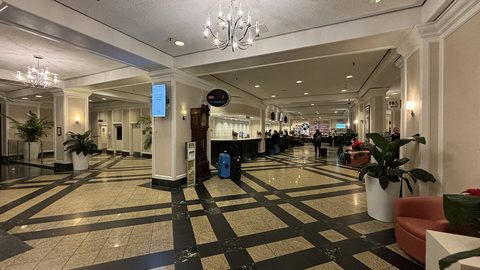
Toronto hotel prices cluster into bands that deliver distinctly different experiences, from suburban chain functionality to character-rich midrange spots in
Toronto Hotels and What the Price Bands Actually Get You
Toronto hotel prices cluster into bands that deliver distinctly different experiences, from suburban chain functionality to character-rich midrange spots in
-
 Where to Stay in Toronto and What Each District Costs You
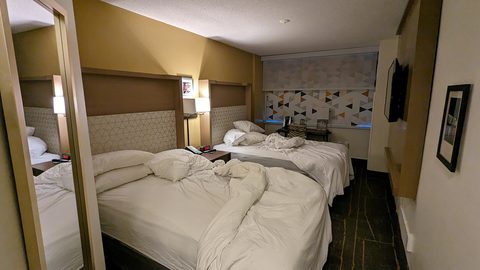
Where you stay in Toronto shapes everything about your trip. Each district comes with a tradeoff in transit time, street life, and what you can walk to after dinner.
Where to Stay in Toronto and What Each District Costs You
Where you stay in Toronto shapes everything about your trip. Each district comes with a tradeoff in transit time, street life, and what you can walk to after dinner.
-
 Flying Into Toronto Pearson or Billy Bishop and Getting Downtown
Flying into Toronto means choosing between Pearson and Billy Bishop. Here's how each airport works and how to get downtown from both.
Flying Into Toronto Pearson or Billy Bishop and Getting Downtown
Flying into Toronto means choosing between Pearson and Billy Bishop. Here's how each airport works and how to get downtown from both.
-
 What to Do in Toronto Ordered by Whether It Is Worth the Time
Toronto's attractions compete for your limited days. Some earn their time cost, others don't. This ranks them by what you actually get for the hours you spend.
What to Do in Toronto Ordered by Whether It Is Worth the Time
Toronto's attractions compete for your limited days. Some earn their time cost, others don't. This ranks them by what you actually get for the hours you spend.
-
 When to Visit Toronto and What Each Season Does to the City
Toronto shifts dramatically with the seasons, from festival-packed spring and fall shoulders to humid summer patios and bitter winter sidewalks that never
When to Visit Toronto and What Each Season Does to the City
Toronto shifts dramatically with the seasons, from festival-packed spring and fall shoulders to humid summer patios and bitter winter sidewalks that never
-
 Getting Around Toronto Without Wasting Half Your Trip in Transit
Toronto's transit map looks simple but hides slow surface routes, a disorienting underground maze, and walking distances everyone underestimates.
Getting Around Toronto Without Wasting Half Your Trip in Transit
Toronto's transit map looks simple but hides slow surface routes, a disorienting underground maze, and walking distances everyone underestimates.
-
 Downtown
 Toronto puts you near Union Station and the CN Tower, but the financial core empties out after dark. Here's what the area actually delivers.
Downtown
Downtown Toronto puts you near Union Station and the CN Tower, but the financial core empties out after dark. Here's what the area actually delivers.
-
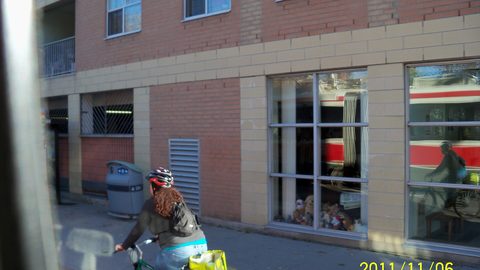 Leslieville
 is Toronto's brunch-and-browse neighbourhood, a low-rise stretch of Queen Street East where independent cafés and vinyl shops set the pace.
Leslieville
Leslieville is Toronto's brunch-and-browse neighbourhood, a low-rise stretch of Queen Street East where independent cafés and vinyl shops set the pace.
-
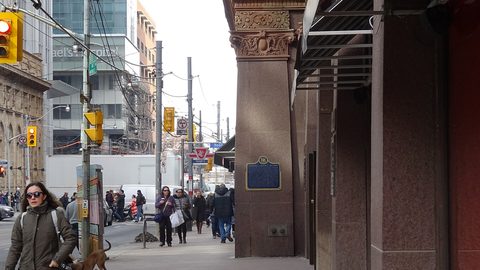 Queen West
 is where Toronto's galleries, boutiques, and bars went when downtown priced them out. It's the city's creative strip, not its financial one.
Queen West
Queen West is where Toronto's galleries, boutiques, and bars went when downtown priced them out. It's the city's creative strip, not its financial one.