Mapping Toronto Food Neighbourhoods Cuisine Guide by Community Roots
Toronto's best eating maps directly onto its immigration patterns. Here is which neighbourhood holds which cuisine, from Scarborough Sri Lankan to Parkdale Tibetan.
_116.jpg)
Why the Best Food is Not Downtown
Most visitors land in Toronto expecting a compact, walkable food city with a single culinary district. The reality runs the other direction. The best eating sits in the outer neighbourhoods and sprawling suburbs, not the glass towers of the core. The city's most serious Sri Lankan curry, Hakka chili poultry, Tibetan momos, and jerk fowl all come from areas that require a transit ride. What you actually need is a Toronto food neighbourhoods cuisine guide built around immigration geography, not restaurant lists. The map of what to eat where follows the pattern of who settled where and when.
Toronto Food Neighbourhoods Cuisine Guide: Immigration Waves Shape the Map
Toronto built its food geography through four major immigration waves. Post War European migration settled Italian families along St. Clair West, Portuguese families around Dundas West, Greek families on the Danforth, and Polish and Ukrainian families along Roncesvalles and Bloor West Village. Caribbean migration in the 1960s and 1970s concentrated Jamaican, Trinidadian, and Guyanese communities along Eglinton West and into the eastern suburbs. Asian migration from the 1980s onward transformed the east end and Markham into the region's centre for regional cooking from China, Sri Lankan food, and South Asian cooking. The most recent wave, Tibetan, Syrian, and Filipino arrivals, set up in Parkdale, the eastern suburbs, and the Bathurst and Wilson corridor. Each settlement pattern left a cuisine cluster that still maps directly onto those original neighbourhoods.
Scarborough Sri Lankan Food Toronto: the Suburban Powerhouse
Where to Find Kothu Roti and Crab Curry
The eastern suburbs hold the region's best Sri Lankan and Tamil food. The heaviest concentration runs along Eglinton Avenue East and Markham Road. This is where the Sri Lankan Tamil diaspora settled in the 1980s and 1990s. You find kothu roti, string hoppers, and crab curry in strip mall storefronts that look unremarkable from the parking lot. Scarborough Sri Lankan food Toronto is not a trendy cuisine. It is a community kitchen.
Trinidadian Doubles and Roti in the Same Strips
The same strip malls also produce the city's best Trinidadian doubles and roti, a legacy of Caribbean migration that overlaps in the southeast. Go for lunch or early dinner. Most Sri Lankan restaurants close by 9pm. Do not expect a website. Many operate with a handwritten menu and a cash register.
Parkdale Tibetan Momos Toronto: One Diaspora, One Neighbourhood
Parkdale is the only place in Toronto to find proper Tibetan momos. The Tibetan community arrived in the 1970s after the Chinese takeover of Tibet, and they concentrated in the rooming houses and apartments of Parkdale because it was affordable. Parkdale Tibetan momos Toronto means hand pleated dumplings stuffed with yak meat or vegetables, served with a sesame chili sauce. Logan Avenue and Queen Street West are the main blocks. Logies Corner on Queen West has been serving them since 1995. Ride a bike there. The Queen streetcar is a 15 minute ride from the core, but the route is slow and subject to diversions from construction. Parkdale is not a late night neighbourhood for food.
Little Jamaica Jerk Chicken Toronto: Eglinton West Barrel Smokers
Little Jamaica jerk chicken Toronto runs along Eglinton Avenue West between Keele Street and Allen Road. This is where Jamaican migrants settled in the 1960s, drawn by affordable housing and manufacturing jobs. The jerk poultry here comes from barrel smokers set up outside restaurants, using pimento wood for smoke and scotch bonnet for heat. The best known is Raps Caribbean at Eglinton and Marlee, open since 1990.
The Crosstown LRT construction has made the street messy and parking difficult since 2011. Arrive by bus or ride hail and walk the final block. Skip the downtown Jamaican spots: the smoke and flavour are weaker. Go early. Many barrel smokers start serving at 11am and run out by 6pm.
Hakka Chinese Chili Chicken Toronto: an Indo Chinese Invention
Hakka Chinese chili chicken Toronto is a dish born in Toronto's eastern suburbs, not in China. Indo Chinese migrants, many from Kolkata, created it in the 1980s. The dish is battered poultry stir fried in soy sauce, vinegar, and chili. Scarborough and North York are the two neighbourhoods for it. Lee Garden on Lawrence Avenue East has been serving it since 1983. A second cluster runs along Sheppard Avenue East in Agincourt.
The pattern repeats: the best Hakka food sits in a suburban strip mall with ample parking and a laminated menu. Do not confuse it with Sichuan or Cantonese cooking. Hakka is its own category, heavily influenced by Indian spices and wok techniques. Late night cravings mean driving to Chinatown on Spadina.

Toronto Immigrant Food Geography: the Full Neighbourhood Index
Toronto immigrant food geography explains why every cuisine has a specific address. Migrants arrived, settled near affordable housing and existing community networks, and built restaurants for their own community. Tourists found them later. Here is the complete map, neighbourhood by cuisine:
East Asian and South Asian Cooking
- Chinese regional cuisines (Cantonese, Sichuan, Hunan, dim sum, hand pulled noodles, hot pot): the Agincourt, Milliken, and Golden Mile areas, plus Markham. Downtown Chinatown on Spadina is for late night Cantonese BBQ and 24 hour dining, not the serious regional food.
- South Asian cuisines (Indian street food, dosa, curries, Pakistani, halal): the Wexford and Dorset Park areas, plus Brampton.
- Korean cuisine (Korean BBQ, 24 hour Korean food, bubble tea): North York along the Finch corridor and in Willowdale. The main intersection is Yonge and Finch.
- Japanese cuisine (sushi omakase, ramen): Church Wellesley and the Annex for ramen. Yorkville and King West for omakase. Markham for casual Japanese.
European and Mediterranean Kitchens
- Italian cuisine (pasta, pizza, gelato): Corso Italia on St. Clair West, Little Italy on College Street, and Woodbridge in Vaughan.
- Greek cuisine (souvlaki, gyros): Greektown on the Danforth between Chester and Pape.
- Middle Eastern cuisine (shawarma, falafel, Lebanese, Syrian, Iraqi): Lawrence Avenue East in the Wexford area and the eastern suburbs.
- Polish cuisine (pierogi): Roncesvalles Avenue.
- Ukrainian cuisine: Bloor West Village.
- Portuguese cuisine (grilled fish, pastel de nata): Little Portugal on Dundas West and the Junction.
- French cuisine: King West and Yorkville for fine dining and tasting menus.
Caribbean, African, and Latin American Food
- Caribbean cuisine (jerk chicken, doubles, roti, Jamaican, Trinidadian, Guyanese, Barbadian): Little Jamaica on Eglinton West and the eastern suburbs along Eglinton East and Markham Road.
- Ethiopian and Eritrean cuisine (injera, wat): Bloorcourt on Bloor Street West and Danforth East.
- Mexican cuisine (tacos, tamales): Kensington Market and St. Clair West.
- Salvadoran cuisine (pupusas): Bloorcourt and the Junction.
Other Neighbourhood Clusters
- Tibetan cuisine (momos): Parkdale on Queen Street West and Logan Avenue.
- Filipino cuisine (adobo, sisig): Bathurst Street and Wilson Avenue.
- Vietnamese cuisine (pho, banh mi): Chinatown West on Spadina and North York.
- Jewish deli and Eastern European cuisine (smoked meat, bagels): Bathurst Street corridor and Forest Hill.
What You Need to Know Before You Eat Your Way Across Toronto
Getting Around
You need 4 full days minimum to cover more than one outer neighbourhood. Anything less forces you to choose between the core and the real food. Drive or take the TTC. Tap a contactless credit card directly at the fare gate. The subway is simple but the east west surface routes on Queen Street and Eglinton Avenue are painfully slow in mixed traffic. Use the Transit app for surface routes; it is more reliable than Google Maps there. Budget for a taxi or rideshare from Pearson to the core. The UP Express takes 25 minutes to Union Station.
Timing and Where to Stay
Staying only in the financial core and judging the city by its least interesting streets is the failure case. Toronto's value is in its neighbourhoods. A downtown hotel without a plan to leave the core produces the most common complaint: the city felt sterile and soulless. Visit in May, June, September, or October, when the weather is good and major festivals run. Deep winter from January to March is functional but bitter with slushy sidewalks. Avoid the week of the Canadian National Exhibition in late August for crowds and high hotel prices.
Read next
-
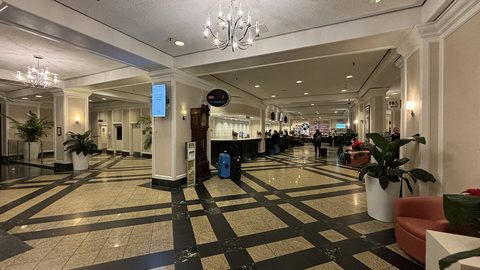
 Toronto Hotels and What the Price Bands Actually Get You
Toronto hotel prices cluster into bands that deliver distinctly different experiences, from suburban chain functionality to character-rich midrange spots in
Toronto Hotels and What the Price Bands Actually Get You
Toronto hotel prices cluster into bands that deliver distinctly different experiences, from suburban chain functionality to character-rich midrange spots in
-
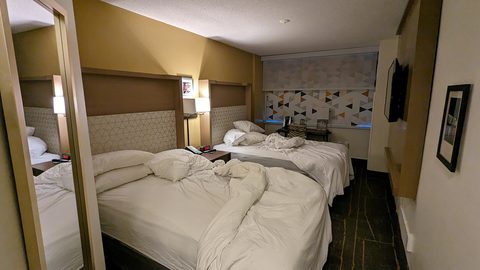 Where to Stay in Toronto and What Each District Costs You
Where you stay in Toronto shapes everything about your trip. Each district comes with a tradeoff in transit time, street life, and what you can walk to after dinner.
Where to Stay in Toronto and What Each District Costs You
Where you stay in Toronto shapes everything about your trip. Each district comes with a tradeoff in transit time, street life, and what you can walk to after dinner.
-
 Flying Into Toronto Pearson or Billy Bishop and Getting Downtown
Flying into Toronto means choosing between Pearson and Billy Bishop. Here's how each airport works and how to get downtown from both.
Flying Into Toronto Pearson or Billy Bishop and Getting Downtown
Flying into Toronto means choosing between Pearson and Billy Bishop. Here's how each airport works and how to get downtown from both.
-
 What to Do in Toronto Ordered by Whether It Is Worth the Time
Toronto's attractions compete for your limited days. Some earn their time cost, others don't. This ranks them by what you actually get for the hours you spend.
What to Do in Toronto Ordered by Whether It Is Worth the Time
Toronto's attractions compete for your limited days. Some earn their time cost, others don't. This ranks them by what you actually get for the hours you spend.
-
 When to Visit Toronto and What Each Season Does to the City
Toronto shifts dramatically with the seasons, from festival-packed spring and fall shoulders to humid summer patios and bitter winter sidewalks that never
When to Visit Toronto and What Each Season Does to the City
Toronto shifts dramatically with the seasons, from festival-packed spring and fall shoulders to humid summer patios and bitter winter sidewalks that never
-
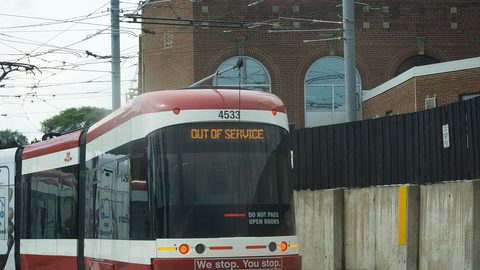 Getting Around Toronto Without Wasting Half Your Trip in Transit
Toronto's transit map looks simple but hides slow surface routes, a disorienting underground maze, and walking distances everyone underestimates.
Getting Around Toronto Without Wasting Half Your Trip in Transit
Toronto's transit map looks simple but hides slow surface routes, a disorienting underground maze, and walking distances everyone underestimates.
-
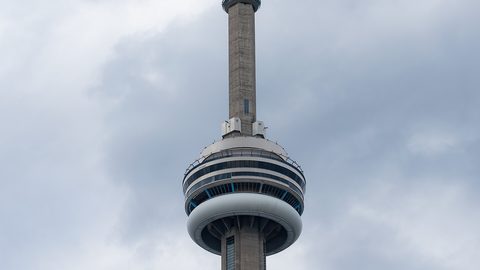 CN Tower
The CN Tower anchors Toronto's skyline, but a good visit depends on booking ahead for sunset slots and knowing which experience fits your time and tolerance
CN Tower
The CN Tower anchors Toronto's skyline, but a good visit depends on booking ahead for sunset slots and knowing which experience fits your time and tolerance
-
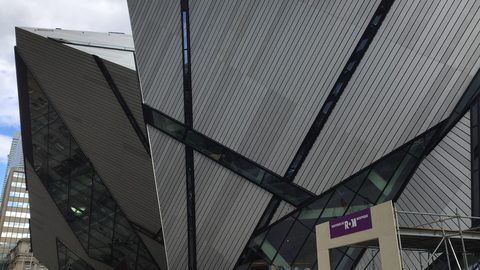 Royal Ontario Museum
The Royal Ontario Museum pairs world cultures with natural history inside a crystal-winged building, and a focused visit to two or three galleries beats a
Royal Ontario Museum
The Royal Ontario Museum pairs world cultures with natural history inside a crystal-winged building, and a focused visit to two or three galleries beats a
-
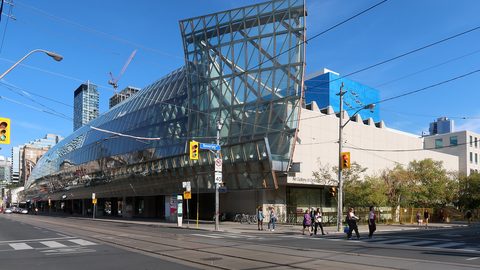 Art Gallery of Ontario
The Art Gallery of Ontario pairs a deep Group of Seven collection with Frank Gehry's glass-and-wood redesign, a focused art experience steps from Chinatown
Art Gallery of Ontario
The Art Gallery of Ontario pairs a deep Group of Seven collection with Frank Gehry's glass-and-wood redesign, a focused art experience steps from Chinatown