A Toronto Itinerary 3 Days Long That Feels Unhurried and Real
A Toronto itinerary that works: how to spend two or three days in the city's neighbourhoods instead of getting stuck in the financial core.
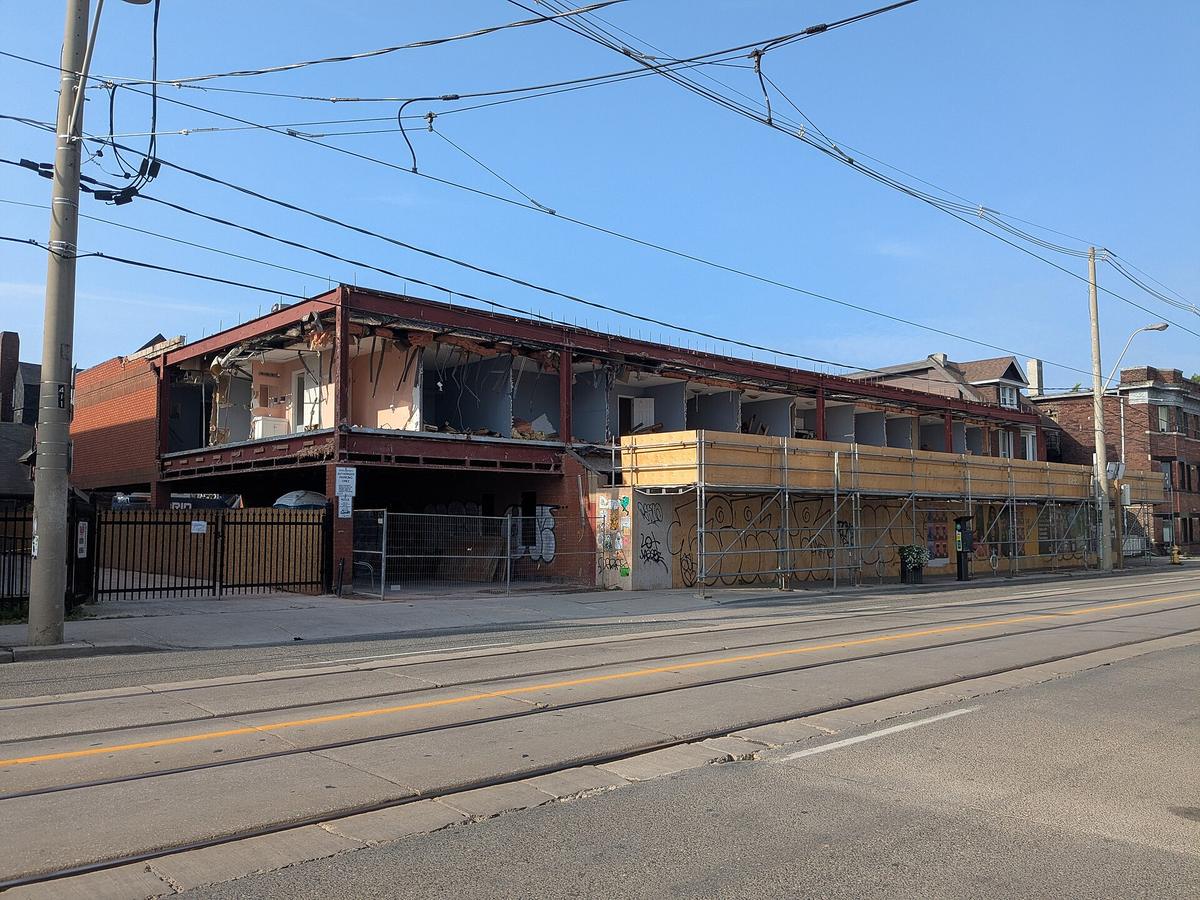
You step off the King streetcar at 6pm and the sidewalk is empty. The Financial District towers cast long shadows over closed sandwich shops and a hotel lobby that looks like a bank. This is the Toronto that first timers see when they stay where the booking sites tell them to stay. It is not the Toronto you came for.
Structuring a Toronto itinerary 3 days is a time allocation problem, not a sightseeing checklist. With two days you pick one neighbourhood cluster beyond the core. With three days you can handle two. Every morning starts central to hit the museums and markets before the crowds. Every afternoon moves to a neighbourhood that actually has street life. Every evening orbits a different food zone. The city is a patchwork of distinct districts stitched together by long transit rides, and the real payoff comes from eating your way through its immigrant communities rather than ticking off landmarks.

The Core Problem: Why Downtown Alone Fails
Toronto is not a compact, walkable historic core. Its blocks are long, its distances are routinely underestimated, and the core between Front Street, University Avenue, Queen Street, and Spadina Avenue is a glass tower business zone that goes dead after work hours. The PATH underground system, 30 km of tunnels, closes evenings and weekends and is a disorienting maze that is not a tourist asset. A hotel in the Financial District or Entertainment District without a plan to leave produces the most common complaint: that the city felt sterile and soulless.
Where the City Actually Lives
The city lives in its neighbourhoods. West Queen West holds the highest concentration of independent shops and restaurants. Kensington Market runs on chaotic Victorian streets, vintage stalls, and global food vendors. The Distillery District offers preserved Victorian industrial architecture on a pedestrian only cobblestone village. Leslieville delivers independent cafés and vinyl shops on low rise calm streets. The Danforth, Greektown, runs on family tavernas and patios. The Junction and Dundas West cluster breweries and 30 something creative class. Scarborough, a suburban vastness, hides the region's best Sri Lankan and Chinese food. You have to leave the core to find any of it.
The Minimum Days Problem
Toronto requires a minimum of 4 full days to feel satisfying. Anything less forces you to choose between the core and the neighbourhoods where the city actually lives, and you will spend too much of it in transit. But if you have two or three days, the constraint is not a reason to skip the trip. It is a reason to be ruthless about what you cut.
With two days you pick one neighbourhood cluster beyond the core and commit to it. The classic choice is the Queen West Kensington Chinatown triangle. You can reach all three on foot from each other and they concentrate the city's food, shopping, and street energy in a dense zone that compensates for the sprawl elsewhere. With three days you add a second cluster: the east end option of Leslieville and the Distillery District, or the west end option of the Junction and High Park. Do not attempt Scarborough on a short trip. The transit time from the core to Scarborough Town Centre runs 50 minutes each way, and the food rewards require a full afternoon.
The Two Day Toronto Itinerary: Queen West, Kensington, Chinatown
Day One: Downtown Morning, West Queen West Afternoon
Arrive at St. Lawrence Market by 09:00. The historic food hall is closed Sundays and Mondays, so check the day before you go. Order the peameal bacon sandwich at Carousel Bakery and eat it standing up. That is breakfast. By 10:00 walk north to the Art Gallery of Ontario, the Gehry redesigned museum with a deep Group of Seven collection. Budget 90 minutes. Exit through the west doors onto Dundas Street and walk west toward the University of Toronto campus.
By 12:30 you are in the Annex, the leafy student intellectual area with patios and bookshops along Bloor Street. Eat a quick lunch at any of the Korean or Japanese spots on Bloor west of Spadina. Then take the subway two stops west to Ossington station. You are now in West Queen West, the city's coolest strip. Spend the afternoon walking Queen Street West between Bathurst Street and Dufferin Street. Graffiti Alley, the legal street art corridor south of Queen West, is free and takes 15 minutes. The bars and galleries fill the rest of the time until dinner.
Day One Evening: Chinatown Late Night
Walk north from Queen West to Spadina Avenue, the spine of Chinatown. Produce spills onto the sidewalks. Late night Chinese dining is the strongest option in the city after 21:00. Look for Hakka Chinese chili chicken, an Indo Chinese dish born in Toronto's eastern suburbs, or any of the barbecue shops hanging roast ducks in the windows. Eat, walk Spadina, and take the streetcar back to your hotel.
Day Two: Kensington Market Morning, Distillery District Afternoon
Start in Kensington Market by 09:00, before the crowds. The Victorian streets are chaotic, with vintage shops and food stalls opening slowly. Pedestrian Sundays are the best window, but any weekday morning works if you want to browse without the crush. Eat Tibetan momos at a Parkdale carryout or doubles from a roti shop. By 11:30 walk east through the university campus to the Royal Ontario Museum, the crystal winged museum on Bloor Street. Book ahead for a timed entry slot. Budget 2 hours.
At 14:00 take the subway to Union Station and walk east to the Distillery District. The cobblestone pedestrian village holds galleries and arts spaces in 19th century industrial buildings. It is compact and best done in 90 minutes. If the Toronto Islands are open and the weather holds, skip the Distillery and take the 15 minute ferry from the foot of Bay Street for a half day of cycling and beaches with skyline views. Return by 18:00.
Day Two Evening: Greektown or Leslieville
Take the Bloor Danforth subway east to Chester station for Leslieville or to Pape station for the Danforth, Greektown. In Leslieville the independent cafés and vinyl shops stay open late. On the Danforth the family tavernas and patios run until midnight. Both are neighbourhood scale main streets that feel nothing like the core. Eat, walk, and take the subway back.
| Day | Morning | Afternoon | Evening |
|---|---|---|---|
| 1 | St. Lawrence Market and AGO (Downtown Core) | West Queen West and Graffiti Alley (Queen West) | Chinatown late night dining (Spadina) |
| 2 | Kensington Market and ROM (Kensington / The Annex) | Distillery District or Toronto Islands (Harbourfront) | Leslieville or Danforth Greektown (East End) |
.jpg)
The Three Day Toronto Itinerary: Adding the West End or East End Cluster
Toronto 2 Day Itinerary vs Toronto 3 Day Itinerary: The Difference
A Toronto 2 day itinerary forces you into one neighbourhood cluster beyond the core, the Queen West Kensington Chinatown triangle that concentrates the most street level energy in the smallest area. A Toronto weekend plan that stretches to three days buys you a second cluster and the ability to see both the west end and the east end without feeling like you spent half the trip on the subway.
Day Three Option A: The West End Cluster
Take the Queen streetcar west past Dufferin Street and get off at Roncesvalles Avenue. This is the Polish and Ukrainian neighbourhood that has become a 30 something family zone with independent cafés and a Saturday farmers market. Walk south to the waterfront and follow the Humber Bay Arch Bridge bike path east along the lake for 30 minutes. Then head north to the Junction, the Dundas West area where breweries and low key restaurants cluster in former industrial spaces. The craft beer cluster is strongest here. Return to the core via the Dundas streetcar.
Day Three Option B: The East End Cluster
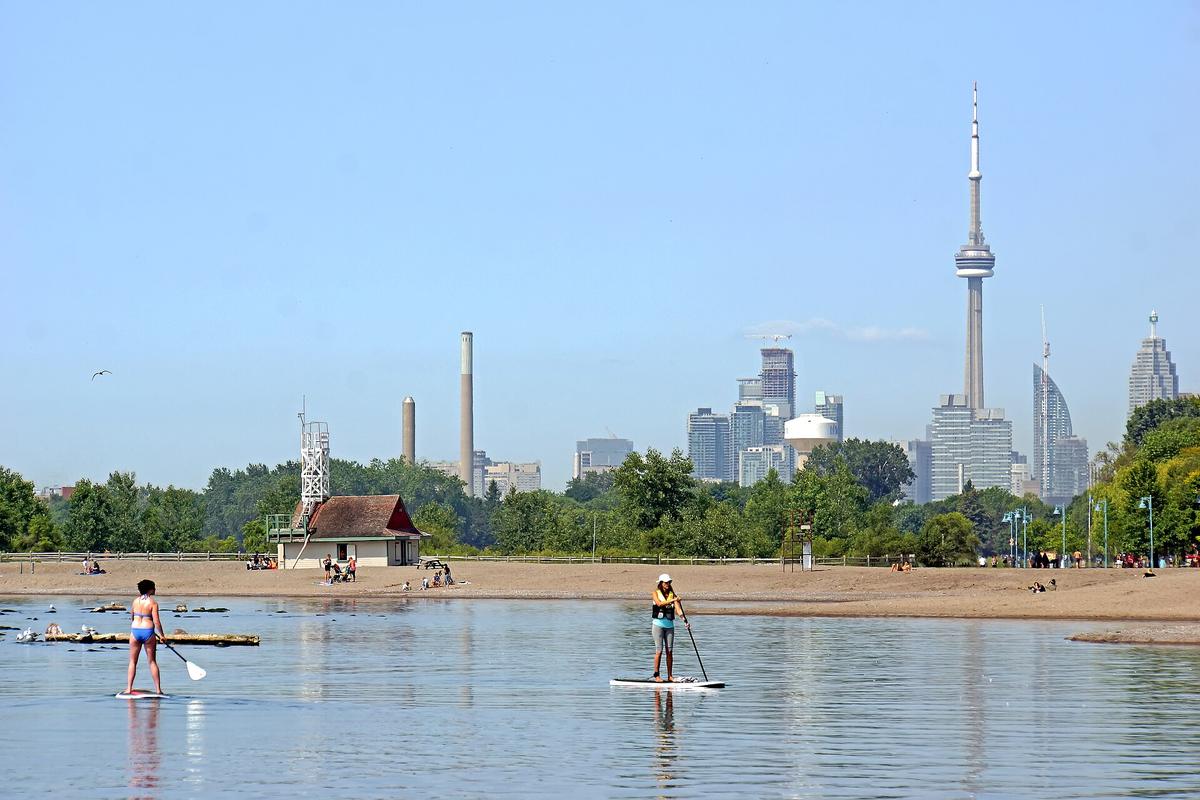
Take the Bloor Danforth subway east to Broadview station and walk south through Riverdale Park for the best skyline view in the city. Continue downhill to the Distillery District if you skipped it on day two, or push east to Leslieville for the full afternoon. From Leslieville, walk south to the Beaches Boardwalk along Lake Ontario. The Beaches neighbourhood is a stroller density area with low rise calm and a proper boardwalk. Take the Queen streetcar back west through the core, which takes roughly 40 minutes in mixed traffic.
Toronto Neighbourhood Itinerary: The Transit Reality
A Toronto neighbourhood itinerary works only if you accept the transit times. The TTC subway runs a simple U shape: the Yonge University Spadina line and the Bloor Danforth line cross at St. George and Bloor Yonge stations. Streetcars on King Street, Queen Street, College Street, Dundas Street, St. Clair Avenue, Spadina Avenue, and Bathurst Street cover the surface routes but can be painfully slow in mixed traffic. The Transit app gives real time TTC data and is more reliable than Google Maps for surface routes. Budget 20 to 30 minutes between any two neighbourhoods that are not adjacent. Budget 50 minutes for Scarborough or North York.
Toronto Weekend Plan: the Common Mistakes That Break it
Toronto First Visit Schedule: What to Skip
A Toronto first visit schedule that includes the CN Tower, Ripley's Aquarium, and Casa Loma will eat an entire day and deliver the city's least interesting experience. The CN Tower observation decks are worth a sunset visit if you book ahead for a peak slot, but the aquarium is a busy timed entry trap and Casa Loma is a Gothic Revival folly that is better from the outside for most visitors. Skip the PATH underground system entirely. It closes evenings and weekends and the 30 km tunnel maze disorients even locals. Skip the Gardiner Expressway and Don Valley Parkway at rush hour. Taxis and rideshares get stuck in the same traffic as everyone else and cost $55 to $70 CAD flat rate from Pearson.
When to Visit and When to Avoid
Peak season runs May through October. May June and September October bring the best weather and major festivals including Hot Docs, Luminato, and TIFF. July and August are peak tourism with humid heat, patios, and Caribana weekend drawing huge crowds. The week of the Canadian National Exhibition from late August to Labour Day adds crowds to the waterfront and hotels. Deep winter from January to March is functional but bitter, with slushy sidewalks and little street life, though the city does not shut down. The Distillery District's winter light displays and Nathan Phillips Square skating rink give you a reason to go, but the cold limits how many neighbourhoods you can walk.
Toronto Suits These Travellers
Toronto suits food focused travellers who plan trips around meals, neighbourhood wanderers who enjoy street level diversity over grand monuments, live music and festival chasers, families wanting a safe big city trip with zoo and museum options, and repeat visitors to Canada who have already done the nature circuit. Toronto does not suit travellers seeking a compact, walkable historic core or European style beauty. Skip Toronto if you want dramatic scenery, if you dislike car dependent sprawl, or if you expect a 48 hour greatest hits trip to feel satisfying. The single thing that most often goes wrong: staying only in the financial core and judging the city by its least interesting streets.
Common Questions
Can I see Toronto in two days without feeling rushed?
No. Toronto requires a minimum of 4 full days to feel satisfying. With two days you can see one neighbourhood cluster beyond the core plus the central museums, but you will spend time in transit and you will skip the east end or west end. The trip is worth doing, but it will not feel complete.
What is the best neighbourhood to stay in for a short trip?
The primary hotel cluster is the Financial District and Entertainment District, bounded roughly by Front Street, University Avenue, Queen Street, and Spadina Avenue. Stay there for access to Union Station and the subway, but plan to leave the area every afternoon. Do not choose a hotel in the core and stay there.
How do I get from Toronto Pearson to my hotel?
The UP Express train runs from Pearson to Union Station in 25 minutes and costs roughly $12 CAD one way for an adult. A taxi or rideshare costs $55 to $70 CAD flat rate and takes 35 to 60 minutes depending on traffic. Billy Bishop airport on the islands serves eastern Canada and the US northeast and connects via a free pedestrian tunnel or 90 second ferry to the foot of Bathurst Street.
What should I eat on a short Toronto trip?
Start with a peameal bacon sandwich at St. Lawrence Market's Carousel Bakery. Eat Tibetan momos in Parkdale, doubles from a Scarborough roti shop, jerk chicken from a barrel smoker in Little Jamaica, Hakka Chinese chili chicken in Chinatown, and a butter tart from a farmers market stall. These five items cover the city's immigrant food communities without requiring long detours.
What is the biggest mistake first time visitors make?
Staying only in the financial core and judging the city by its least interesting streets. The core between Front Street and Queen Street is a business zone that goes dead after work hours. Toronto's value is in its neighbourhoods, and a hotel in the core without a plan to leave produces the most common complaint: that the city felt sterile and soulless.
Read next
-
 Toronto Hotels and What the Price Bands Actually Get You
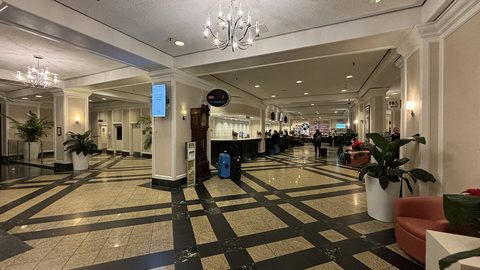
Toronto hotel prices cluster into bands that deliver distinctly different experiences, from suburban chain functionality to character-rich midrange spots in
Toronto Hotels and What the Price Bands Actually Get You
Toronto hotel prices cluster into bands that deliver distinctly different experiences, from suburban chain functionality to character-rich midrange spots in
-
 Where to Stay in Toronto and What Each District Costs You
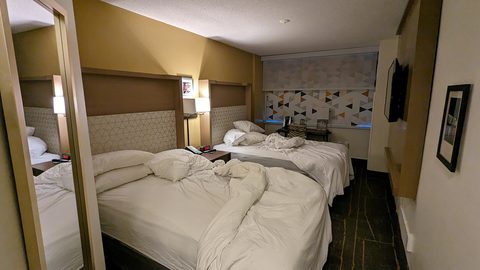
Where you stay in Toronto shapes everything about your trip. Each district comes with a tradeoff in transit time, street life, and what you can walk to after dinner.
Where to Stay in Toronto and What Each District Costs You
Where you stay in Toronto shapes everything about your trip. Each district comes with a tradeoff in transit time, street life, and what you can walk to after dinner.
-
 Flying Into Toronto Pearson or Billy Bishop and Getting Downtown
Flying into Toronto means choosing between Pearson and Billy Bishop. Here's how each airport works and how to get downtown from both.
Flying Into Toronto Pearson or Billy Bishop and Getting Downtown
Flying into Toronto means choosing between Pearson and Billy Bishop. Here's how each airport works and how to get downtown from both.
-
 What to Do in Toronto Ordered by Whether It Is Worth the Time
Toronto's attractions compete for your limited days. Some earn their time cost, others don't. This ranks them by what you actually get for the hours you spend.
What to Do in Toronto Ordered by Whether It Is Worth the Time
Toronto's attractions compete for your limited days. Some earn their time cost, others don't. This ranks them by what you actually get for the hours you spend.
-
 When to Visit Toronto and What Each Season Does to the City
Toronto shifts dramatically with the seasons, from festival-packed spring and fall shoulders to humid summer patios and bitter winter sidewalks that never
When to Visit Toronto and What Each Season Does to the City
Toronto shifts dramatically with the seasons, from festival-packed spring and fall shoulders to humid summer patios and bitter winter sidewalks that never
-
 Getting Around Toronto Without Wasting Half Your Trip in Transit
Toronto's transit map looks simple but hides slow surface routes, a disorienting underground maze, and walking distances everyone underestimates.
Getting Around Toronto Without Wasting Half Your Trip in Transit
Toronto's transit map looks simple but hides slow surface routes, a disorienting underground maze, and walking distances everyone underestimates.
-
 Canada Travel Guide for First-Timers Who Have No Idea How Big It Is
Canada is the second-largest country on earth, and its vastness punishes anyone who mistakes it for a quick trip between iconic sights.
Canada Travel Guide for First-Timers Who Have No Idea How Big It Is
Canada is the second-largest country on earth, and its vastness punishes anyone who mistakes it for a quick trip between iconic sights.
-
 Staying Connected Across Canada Without Roaming Surprises
A mobile plan bought from Rogers in Toronto can trigger roaming charges the moment you cross into Manitoba. That is not a glitch. That is Canada.
Staying Connected Across Canada Without Roaming Surprises
A mobile plan bought from Rogers in Toronto can trigger roaming charges the moment you cross into Manitoba. That is not a glitch. That is Canada.
-
 When to Visit Canada and What Each Season Actually Delivers
Canada's reliable travel window runs June to September. Outside that, rural attractions close, daylight vanishes, and winter is aggressively extreme.
When to Visit Canada and What Each Season Actually Delivers
Canada's reliable travel window runs June to September. Outside that, rural attractions close, daylight vanishes, and winter is aggressively extreme.