Yorkville and the Museum Quarter Beside It
Yorkville pairs Toronto's designer shopping with its major museums along Bloor Street. It's the high-end zone, and the ROM and AGO sit at its edges.
- Flag
-

- ISO code
- CA
- Timezone
- America/Toronto
Yorkville Toronto Guide: Two Districts, One Walkable Stretch
Yorkville is Toronto's high-stakes intersection of money and culture. Narrow Victorian streets hold designer flagships and valet parking lanes. Bloor Street concentrates three major museums within a ten minute walk. This is where the city puts its luxury retail and its heavyweight cultural institutions in the same compact zone. Treat this as one walkable stretch, not two separate destinations. The payoff is efficient: see the ROM, the Gardiner Museum, and the Bata Shoe Museum, then step directly onto the Mink Mile for shopping, all without a subway ride between stops. Yorkville does not share Queen West's independent character. Queen West runs on vintage, galleries, and bars. Yorkville runs on price tags and permanent collections.
Yorkville Designer Shopping Toronto: Where the Mink Mile Meets the Side Streets
Walk The Mink Mile First
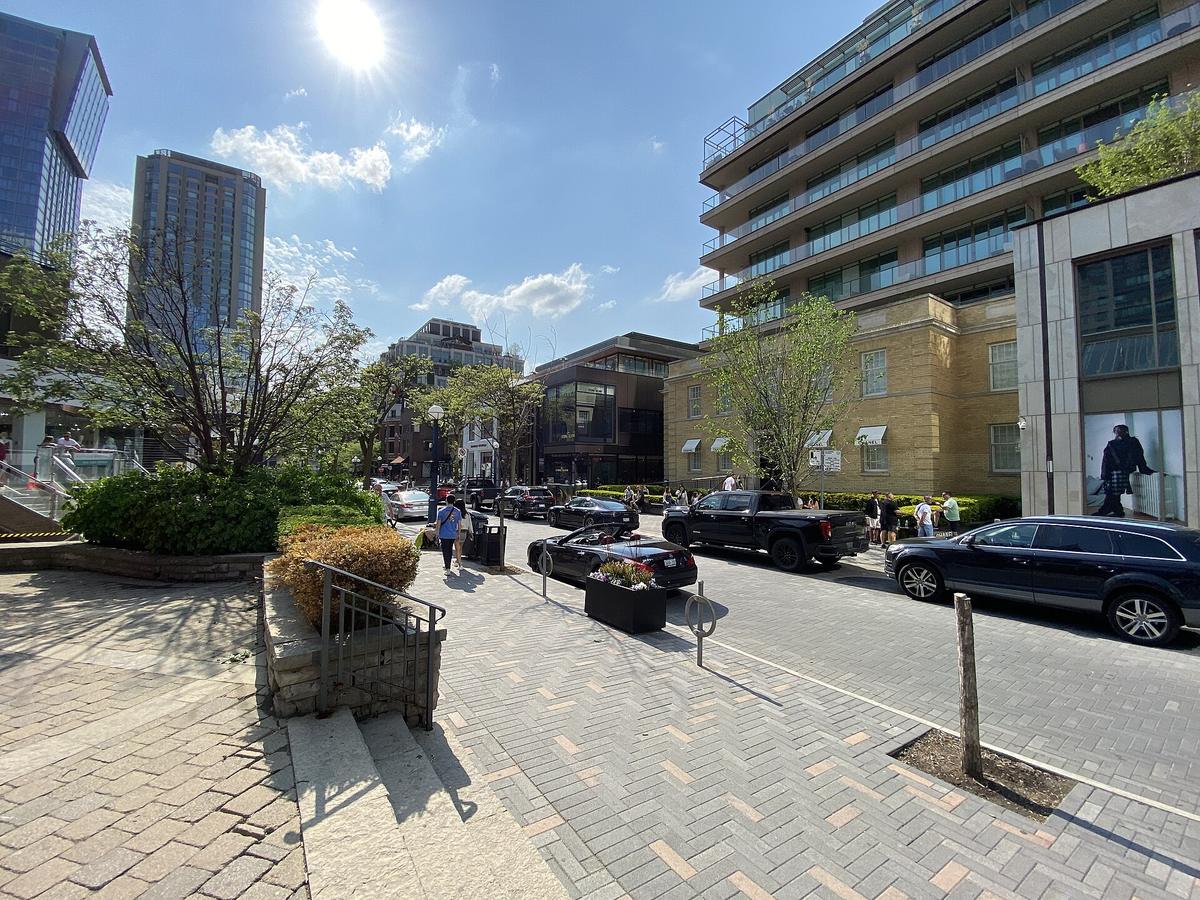
The southern edge of Yorkville is Bloor Street between Yonge and Avenue Road, known locally as the Mink Mile. International luxury brands place their Toronto flagships here. Walk it once. The storefronts are polished, the foot traffic is heavy, and the valet parking lanes confirm that people drive here specifically to shop. Start at Bloor and Yonge and walk west. That puts the big names on your right and the museum entrances a short turn north.
Then Turn Onto The Side Streets
Yorkville Avenue and Cumberland Street, one block north, hold the same high retail density but in lower rise buildings and on narrower sidewalks. The contrast with the Victorian and Edwardian house forms still visible on side streets east and north of Bloor tells you something: this area built its wealth on top of an older residential fabric. Do not expect the street market character of Kensington Market or the independent storefronts of Queen West. Yorkville aims at a different customer. If the price tags make you wince, that is normal. Treat the street as a cultural artifact. The concentration of luxury here is a statement about how Toronto spends its money, and it is worth seeing for that reason alone, even if you buy nothing.

Yorkville Toronto Museums ROM AGO: Three Institutions in Ten Minutes
The Bloor Street Museum Cluster
The Royal Ontario Museum sits on Bloor Street west of Avenue Road. Its crystal wing, the Michael Lee Chin Crystal, protrudes over the sidewalk and makes the building unmistakable. Walking distance from anywhere in Yorkville is 200 to 500 meters depending on your starting point. The ROM covers world cultures and natural history; budget at least two hours. The Gardiner Museum, devoted to ceramics, is directly across the street. Walking distance is 300 to 600 meters. It is smaller, quieter, and easier to do in 45 minutes. The Bata Shoe Museum sits a short walk west on Bloor at St George Street, a building designed to look like a shoebox. It is odd, specific, and worth an hour. The three institutions cluster so tightly that you can visit all of them in a single morning. Start at the Bata, walk east to the Gardiner, cross Bloor for the ROM.
The AGO Is A Separate Trip
The Art Gallery of Ontario is not in this cluster. It sits south on Dundas Street West, a 20 minute walk or a short subway ride from St George station. The AGO is Gehry redesigned and holds a deep Group of Seven collection. Add it on a separate day, or combine it with a Queen West walk. Trying to do the ROM, the Gardiner, the Bata, and the AGO in one day will exhaust you and waste time in transit.
Yorkville High End Hotels Toronto: Where You Sleep When Shopping is the Plan
Yorkville's lodging stock skews toward premium and luxury. Budget accommodation is limited. Hotel density is highest near Bloor Street and Avenue Road, with properties concentrated on or within a block of the Mink Mile. A room here suits visitors who prioritise designer shopping, gallery access, fine dining, and walkable museum time. The area is quieter at night than the Entertainment District or King West. You will not hear club bass or sports event crowds. What you will hear is almost nothing. Side streets north of Yorkville Avenue are particularly quiet.
Skip The Car
Vehicle access is constrained by narrow one way streets and limited on street parking. If you are renting a car, reconsider. The TTC Line 1 at Bloor Yonge and Bay stations and Line 2 at Bloor Yonge, Bay, and St George stations connect Yorkville to the rest of Toronto efficiently. The walking distance to the University of Toronto St George campus is 500 meters to 1.5 kilometers. Queen's Park is 500 meters to 1.2 kilometers. The Royal Conservatory of Music is 300 to 700 meters. The Toronto Reference Library is 200 to 600 meters. None of these require a vehicle. Use your feet.
Yorkville Bloor Street Culture Toronto: the Annex, the Campus, and the Ravine
Walk West Into The Annex
Bloor Street west of Avenue Road shifts into the Annex, a leafy student intellectual area with patios, bookshops, and a lower retail density than the Mink Mile. Walking distance from Yorkville to the Annex is 500 meters to 1.5 kilometers. The boundary is not marked. You will feel it when the storefronts shift from Chanel to used bookstores and coffee shops. This stretch of Bloor is worth walking because it shows you the other face of this part of the city: quieter, less glossy, more lived in.
Cut Through The Campus
The University of Toronto St George campus starts just south of Bloor and runs for blocks. Its Victorian buildings and green courtyards are a functional shortcut west. Cutting through campus gets you from the ROM area to Spadina Avenue faster than staying on Bloor.
Escape To The Ravine
Northeast of Yorkville, the Rosedale ravine trails begin roughly 500 meters to 1.5 kilometers from the area's core. These are dirt paths that drop into a wooded valley and feel a hundred kilometers from the luxury retail above. The trails are a good escape on a humid afternoon. Casa Loma, the Gothic Revival folly, sits 1.5 to 2.5 kilometers northwest. It is better seen from the outside for most visitors. The interior is dark and crowded. If you have limited time, skip it and spend the morning at the ROM instead.
.jpg)
How Yorkville Differs from Every Other Toronto Neighbourhood
Yorkville is not another version of somewhere else. It does not share Queen West's higher share of international luxury brands. It does not share the Entertainment District's absence of large scale clubs. It does not share the Financial District's residential and retail mix rather than office tower dominance. It does not share Kensington Market's formal retail environment. It does not share the Distillery District's mixed modern and heritage fabric rather than a unified heritage precinct. It does not share Chinatown's lower concentration of East Asian food businesses. It does not share Leslieville's higher hotel density and more central transit access. It does not share the Junction's more central location. It does not share Danforth's less restaurant density per block. It does not share Little Italy's fewer patios. It does not share Yonge and Dundas's smaller pedestrian crowds and no large public square. It does not share Harbourfront's inland location with no lake access. It does not share the St Lawrence Market area's no large daily food market. The list is long because the list matters. Pick the wrong neighbourhood for your priorities and you will spend your trip in transit or in disappointment.
Getting Around Yorkville and Bloor Street
The TTC subway is the backbone. Bloor Yonge station serves Line 1 and Line 2. Bay station serves both lines as well. St George station serves Line 1 and Line 2 and is the closest stop to the Bata Shoe Museum and the western edge of the Annex. Pay with a Presto card, available for $4 CAD, or tap a contactless credit or debit card. Streetcars and buses do not announce every stop reliably. The subway's simple U shape map hides the fact that east west surface routes can be painfully slow in mixed traffic.
Walk Within The Neighbourhood
Walking is the best option within the area. Toronto's blocks are long, and distances between neighbourhoods are routinely underestimated, but within Yorkville the scale is human. From a hotel near Bloor and Avenue Road to the ROM entrance is a three minute walk. To the Gardiner Museum is four minutes. To the Bata Shoe Museum is seven minutes. To Bloor Yonge station is five minutes. Do not take a taxi for any of these. Taxis and rideshares are expensive and get stuck in the same traffic as everyone else.
Other areas in Toronto
Common Questions
Why is Yorkville worth visiting if I cannot afford the shopping?
The museums are the reason. The ROM, Gardiner Museum, and Bata Shoe Museum sit within a ten minute walk of each other on Bloor Street. You get three cultural institutions and one luxury retail corridor in the same compact zone. Treat the shopping windows as a free gallery.
How long should I spend in Yorkville?
One full morning for the museum cluster and a walk down Bloor Street. Add an afternoon if you plan to shop seriously. The area is walkable and dense. Three hours covers the ROM and the Gardiner Museum with a pass through the Mink Mile.
Is Yorkville walkable to other downtown neighbourhoods?
Only within the area. Walking to Queen West takes 30 minutes. Walking to Kensington Market takes 25. The Annex is a 10 minute walk west. For anything else, use the TTC subway at Bloor Yonge or Bay station. Do not underestimate the distances.
What makes Yorkville different from the Distillery District?
Yorkville is mixed modern and heritage fabric on regular streets with vehicle traffic. The Distillery District is a pedestrian only cobblestone village in a unified Victorian industrial precinct. They serve different purposes. Yorkville is for shopping and museums. The Distillery is for strolling and galleries.
Read next
-
 Toronto Hotels and What the Price Bands Actually Get You
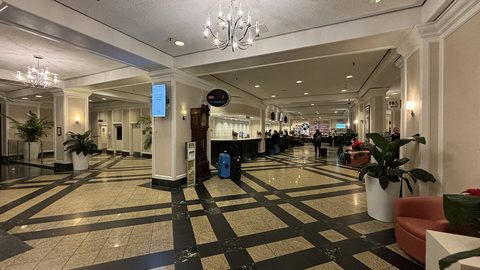
Toronto hotel prices cluster into bands that deliver distinctly different experiences, from suburban chain functionality to character-rich midrange spots in
Toronto Hotels and What the Price Bands Actually Get You
Toronto hotel prices cluster into bands that deliver distinctly different experiences, from suburban chain functionality to character-rich midrange spots in
-
 Where to Stay in Toronto and What Each District Costs You
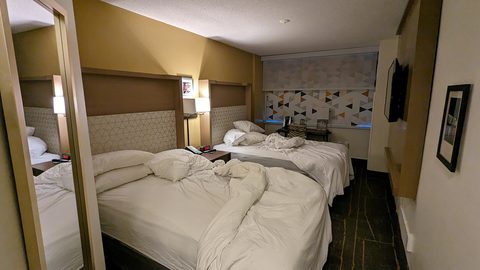
Where you stay in Toronto shapes everything about your trip. Each district comes with a tradeoff in transit time, street life, and what you can walk to after dinner.
Where to Stay in Toronto and What Each District Costs You
Where you stay in Toronto shapes everything about your trip. Each district comes with a tradeoff in transit time, street life, and what you can walk to after dinner.
-
 Flying Into Toronto Pearson or Billy Bishop and Getting Downtown
Flying into Toronto means choosing between Pearson and Billy Bishop. Here's how each airport works and how to get downtown from both.
Flying Into Toronto Pearson or Billy Bishop and Getting Downtown
Flying into Toronto means choosing between Pearson and Billy Bishop. Here's how each airport works and how to get downtown from both.
-
 What to Do in Toronto Ordered by Whether It Is Worth the Time
Toronto's attractions compete for your limited days. Some earn their time cost, others don't. This ranks them by what you actually get for the hours you spend.
What to Do in Toronto Ordered by Whether It Is Worth the Time
Toronto's attractions compete for your limited days. Some earn their time cost, others don't. This ranks them by what you actually get for the hours you spend.
-
 When to Visit Toronto and What Each Season Does to the City
Toronto shifts dramatically with the seasons, from festival-packed spring and fall shoulders to humid summer patios and bitter winter sidewalks that never
When to Visit Toronto and What Each Season Does to the City
Toronto shifts dramatically with the seasons, from festival-packed spring and fall shoulders to humid summer patios and bitter winter sidewalks that never
-
 Getting Around Toronto Without Wasting Half Your Trip in Transit
Toronto's transit map looks simple but hides slow surface routes, a disorienting underground maze, and walking distances everyone underestimates.
Getting Around Toronto Without Wasting Half Your Trip in Transit
Toronto's transit map looks simple but hides slow surface routes, a disorienting underground maze, and walking distances everyone underestimates.
-
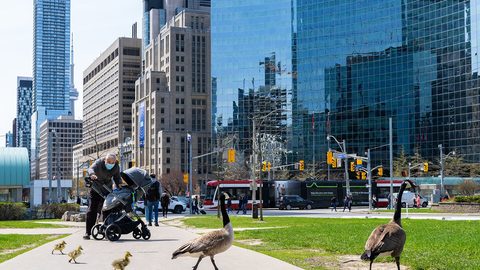 Downtown
 Toronto puts you near Union Station and the CN Tower, but the financial core empties out after dark. Here's what the area actually delivers.
Downtown
Downtown Toronto puts you near Union Station and the CN Tower, but the financial core empties out after dark. Here's what the area actually delivers.
-
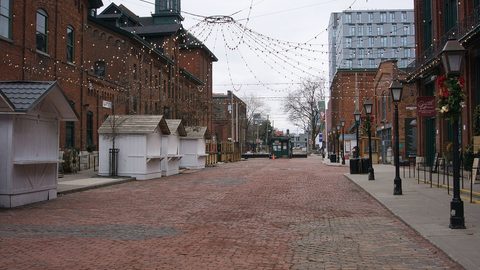 Distillery District
The Distillery District shifts from quiet cobblestone arts precinct to packed Christmas market depending on the season. Here's what to expect in either mode.
Distillery District
The Distillery District shifts from quiet cobblestone arts precinct to packed Christmas market depending on the season. Here's what to expect in either mode.
-
 Leslieville
 is Toronto's brunch-and-browse neighbourhood, a low-rise stretch of Queen Street East where independent cafés and vinyl shops set the pace.
Leslieville
Leslieville is Toronto's brunch-and-browse neighbourhood, a low-rise stretch of Queen Street East where independent cafés and vinyl shops set the pace.