Toronto in Winter What to Expect When the City Moves Underground
Toronto in winter means slushy sidewalks, quiet streets, and a PATH underground network that closes evenings and weekends.
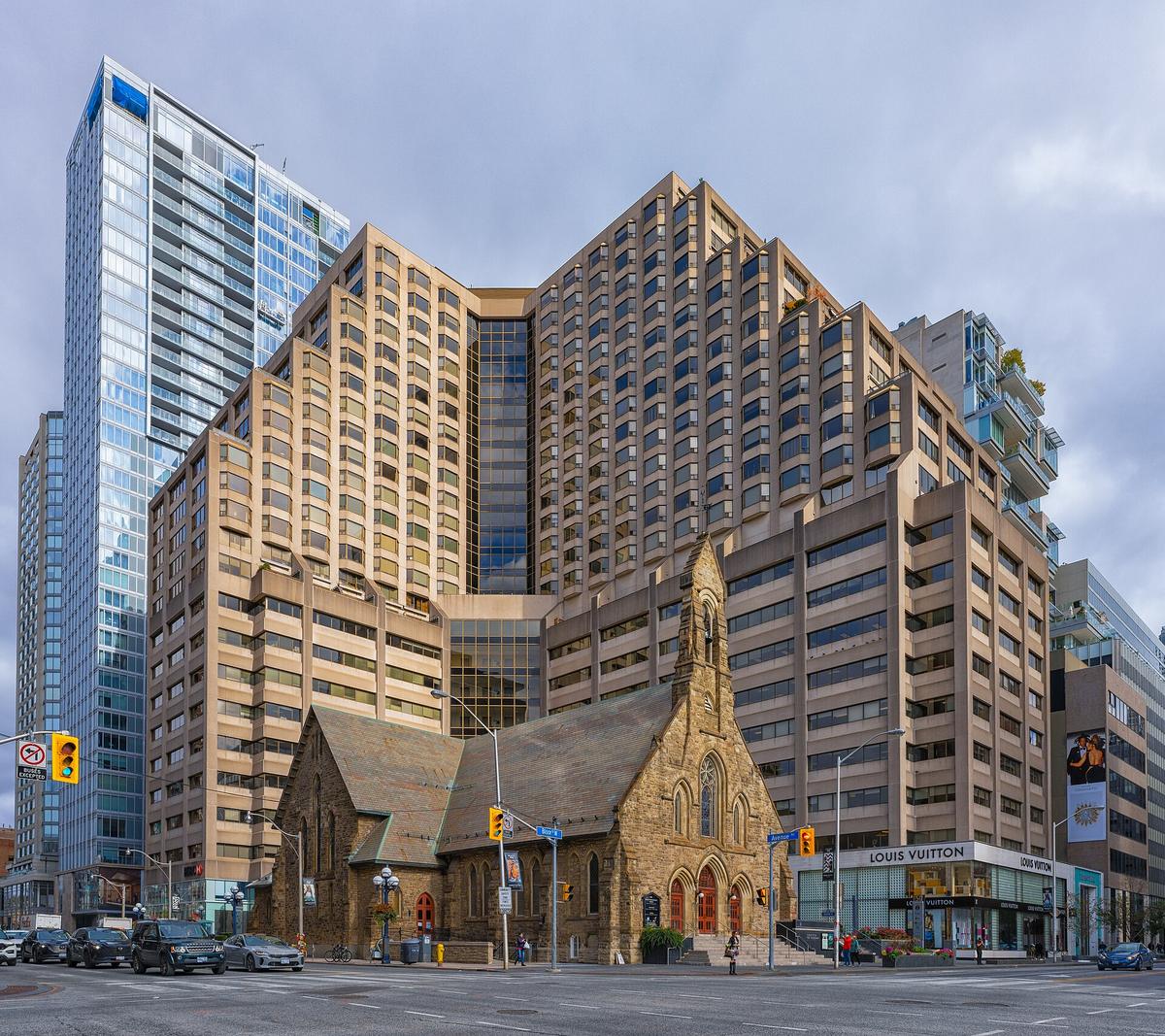

What Happens to Toronto When the Temperature Drops
The cold hits your face before you finish buttoning your coat. Toronto in winter is a city that stays open but moves differently. Sidewalks turn to slush, street life thins, and the real action moves indoors or underground. You are not here for a stroll. You are here for a plan, a good coat, and a list of neighbourhoods to eat through.
What the Numbers Mean
January mean temperature is -5.5°C, with a daily low of -9.4°C and a high of -1.5°C. Lake Ontario surface temperature sits at 2°C to 4°C, which does nothing to moderate the air. Wind chill in the coldest month runs from -10 to -25. The record low at Toronto Pearson is -31.3°C, set on 4 January 1981. Downtown, the extreme is -32.8°C, from 10 January 1859. That is not normal, but it tells you the range this city is built for.
Snow and Slush
Snowfall at Pearson averages 121.5 cm annually, with 37.2 cm in the first month of the year alone. Downtown gets 108.5 cm annually, 29.5 cm in that same month. About 41.8 days per year see measurable snow, 12 days see at least 5 cm, and 3.9 days see 10 cm or more. First lasting snow cover arrives mid-December. Last cover leaves mid-March. You get roughly 65 days with some snow on the ground. Only 8 of those days have cover of 20 cm or more. The rest is shallow, grey slush that soaks through shoes.
Toronto PATH Underground Winter: the 30 Km Tunnel You Will Not Use at Night
The PATH network is 30 km of underground walkways connecting 75 buildings, 1,200 retail locations, 40 office towers, 6 hotels, and 5 subway stations. It is climate controlled between 18°C and 22°C. On a weekday, 200,000 people move through it. It sounds like a winter solution. It is not one for visitors.
On Saturday, that volume drops to 20,000 to 40,000. On Sunday, 10,000 to 20,000. The network closes evenings and weekends. If you are out for dinner in a neighbourhood, the PATH will not get you back to your hotel. It connects Union Station, the Eaton Centre, Scotiabank Arena, the CN Tower via SkyWalk, and the Metro Toronto Convention Centre. It does not connect Kensington Market, Chinatown, the Distillery District, Yorkville, the Art Gallery of Ontario, the Royal Ontario Museum, or any other place you actually want to be in the evening.
Wayfinding uses colour coded signs with compass letters. That helps until you hit a closed section. The first link opened in 1900, the major expansion ran from the 1970s through the 1990s, and the name was adopted in 1987. Use it during office hours to reach the Hockey Hall of Fame or the theatres around King Street. Do not plan your winter trip around it.
Toronto Winter Street Conditions: What the Sidewalks Actually Look Like
Toronto does not shut down for snow, but the streets get ugly fast. Sidewalks accumulate grey slush that puddles at intersections. Main roads are cleared by the city. Residential streets and laneways turn into packed ice. You need waterproof boots with grip, not fashion boots. The block between your hotel and the subway entrance is the part that will make you question your choices.
Construction is constant and disruptive. The Gardiner Expressway and Queen Street streetcar diversions can break a schedule. Toronto's blocks are long. Walking distances between neighbourhoods are routinely underestimated. A walk from the downtown core to Kensington Market is 25 minutes in summer and 40 in winter, assuming you can find a path across slush at every curb cut.
Lake effect snow season runs late November to early March. The coldest month has 12 days of snow and 5.4 days of rain. Measurable precipitation falls on 15.4 days. Sunshine totals 85.9 hours for the month, roughly 2.8 hours per day. The rest is overcast, grey, and functional.
Toronto Cold Weather Activities: What You Actually Do Indoors
You are not strolling the waterfront. You are depth touring museums and eating through neighbourhoods with a plan. The Royal Ontario Museum and the Art Gallery of Ontario are climate controlled and not overcrowded in the coldest month. The Aga Khan Museum is worth the suburban trip. St. Lawrence Market is open Tuesday through Saturday, closed Sunday and Monday. The peameal bacon sandwich from Carousel Bakery is a winter lunch strategy.
Music and Theatres
Live music fills the gap that street life leaves. The TIFF Bell Lightbox, Massey Hall, and the Elgin and Winter Garden Theatre Centre are all PATH connected during hours. The Distillery District hosts its Christmas market until late December, but by the new year the cobblestones are icy and the crowds are gone. Skip it then.
Eat Your Way Across the City
Eating through neighbourhoods is the winter move. Kensington Market, Chinatown, and the Danforth are reachable by streetcar. Dundas West and the Junction have breweries and low key restaurants. Scarborough requires a GO train but holds the region's best Sri Lankan and Chinese food. The cold means you go for a meal, you eat, you ride home. You do not wander.
Toronto Winter Transit Challenges: the Real Friction Points
The TTC subway and streetcar network is the backbone. Pay with a Presto card or tap a contactless credit or debit card. The subway has a simple U shape map that hides a problem: east west surface routes are painfully slow in mixed traffic. Streetcars and buses do not announce every stop reliably. The Transit app gives real time TTC data and is more reliable than Google Maps for surface routes.
Taxis and rideshares are expensive and get stuck in the same traffic. The UP Express from Pearson to Union Station takes 25 minutes. A taxi or rideshare takes 35 to 60 minutes. Billy Bishop Airport serves eastern Canada and the US northeast. A free pedestrian tunnel or a 90 second ferry connects to the foot of Bathurst Street, then a 10 minute streetcar ride to the core.
The failure case: you are at a restaurant in Leslieville at 10 pm on a Sunday. The streetcar is 20 minutes late. Your phone has 15 percent battery. The nearest PATH entrance is locked. You wait in the wind chill. This is not a city that runs a smooth winter experience. Budget for the wait, carry a backup charge, and know your next bus route before you need it.
What the Cold Does to Your Plans
Minimum Days and Neighbourhood Strategy
You need 4 full days. Anything less forces you to choose between the downtown core and the neighbourhoods where the city actually lives. Toronto is a patchwork of distinct neighbourhoods stitched together by long rides. First timers often find it more sprawling and less immediately appealing than expected. The real payoff comes from eating your way through its immigrant communities, not ticking off landmarks.
What Most Visitors Get Wrong
Staying only in the financial core and judging the city by its least interesting streets produces the most common complaint: that Toronto felt sterile and soulless. A downtown hotel without a plan to leave the core is a mistake. The city's value is in neighbourhoods like Parkdale, Roncesvalles, and Scarborough, none of which are walkable from the core in winter.
Day Trips That Work in Cold Weather
The Toronto Islands are reachable by ferry from the foot of Bay Street. The ferry runs year round, but the island itself is a summer asset. Skip it in the coldest month. The Scarborough Bluffs are accessible by GO train to Scarborough station then bus. The cliffs are white against grey water, and the walk is exposed. Go on a calm day with wind chill above -15. The Humber Bay Arch Bridge is a 30 minute bike ride from downtown along the lake. Do not bike in this weather. Drive instead.
| Metric | Value |
|---|---|
| Typical January mean temperature | -5.5°C |
| Typical January mean daily low | -9.4°C |
| Typical January mean daily high | -1.5°C |
| Extreme low, Toronto Pearson (1981) | -31.3°C |
| Extreme low, downtown (1859) | -32.8°C |
| Typical annual snowfall, Pearson | 121.5 cm |
| Typical annual snowfall, downtown | 108.5 cm |
| Typical January snowfall, Pearson | 37.2 cm |
| Typical January snowfall, downtown | 29.5 cm |
| Typical days per year with snow ≥5 cm | 12.0 |
| Typical January wind chill range | -10 to -25 |
| Days with snow cover ≥1 cm downtown | 65 |
| Days with snow cover ≥20 cm downtown | 8 |
| Lake Ontario Jan surface temp | 2°C to 4°C |
| First lasting snow cover | Mid December |
| Last lasting snow cover | Mid March |
Who Toronto in Winter is for
Toronto in winter suits food focused travellers who plan trips around meals, neighbourhood wanderers who enjoy street level diversity over grand monuments, live music and festival chasers, families wanting a safe big city trip with zoo and museum options, and repeat visitors to Canada who have already done the nature circuit. You need a good coat, waterproof boots, and a plan. You do not need a desire to walk through pretty streets, because those streets are slush.
Toronto in winter is not for travellers seeking a compact, walkable historic core or European style beauty. Skip it if you want dramatic scenery, if you dislike car dependent sprawl, or if you expect a 48 hour greatest hits trip to feel satisfying. The cold is functional, not scenic. The street life is diminished. The best parts of the city require a subway ride and a willingness to eat in a neighbourhood that looks like a strip mall.
The single thing that most often goes wrong here: staying in the core, judging the city by its financial district, and leaving convinced Toronto is a sterile glass box. It is not. But you have to leave the PATH to find out, and you have to do it before the tunnels close.
Read next
-
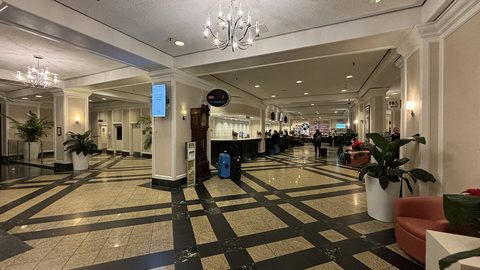
 Toronto Hotels and What the Price Bands Actually Get You
Toronto hotel prices cluster into bands that deliver distinctly different experiences, from suburban chain functionality to character-rich midrange spots in
Toronto Hotels and What the Price Bands Actually Get You
Toronto hotel prices cluster into bands that deliver distinctly different experiences, from suburban chain functionality to character-rich midrange spots in
-
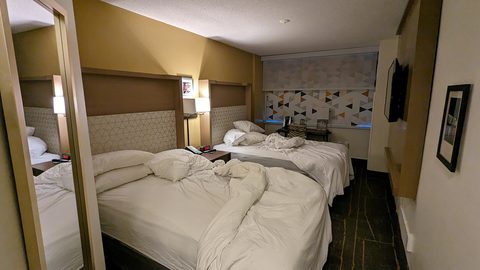 Where to Stay in Toronto and What Each District Costs You
Where you stay in Toronto shapes everything about your trip. Each district comes with a tradeoff in transit time, street life, and what you can walk to after dinner.
Where to Stay in Toronto and What Each District Costs You
Where you stay in Toronto shapes everything about your trip. Each district comes with a tradeoff in transit time, street life, and what you can walk to after dinner.
-
 Flying Into Toronto Pearson or Billy Bishop and Getting Downtown
Flying into Toronto means choosing between Pearson and Billy Bishop. Here's how each airport works and how to get downtown from both.
Flying Into Toronto Pearson or Billy Bishop and Getting Downtown
Flying into Toronto means choosing between Pearson and Billy Bishop. Here's how each airport works and how to get downtown from both.
-
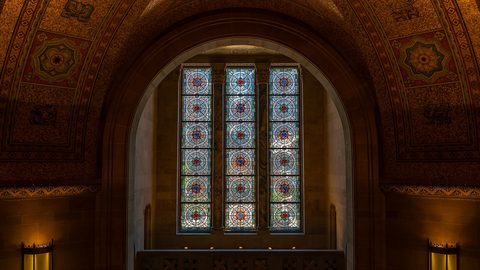 What to Do in Toronto Ordered by Whether It Is Worth the Time
Toronto's attractions compete for your limited days. Some earn their time cost, others don't. This ranks them by what you actually get for the hours you spend.
What to Do in Toronto Ordered by Whether It Is Worth the Time
Toronto's attractions compete for your limited days. Some earn their time cost, others don't. This ranks them by what you actually get for the hours you spend.
-
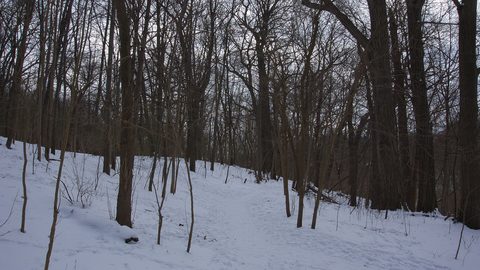 When to Visit Toronto and What Each Season Does to the City
Toronto shifts dramatically with the seasons, from festival-packed spring and fall shoulders to humid summer patios and bitter winter sidewalks that never
When to Visit Toronto and What Each Season Does to the City
Toronto shifts dramatically with the seasons, from festival-packed spring and fall shoulders to humid summer patios and bitter winter sidewalks that never
-
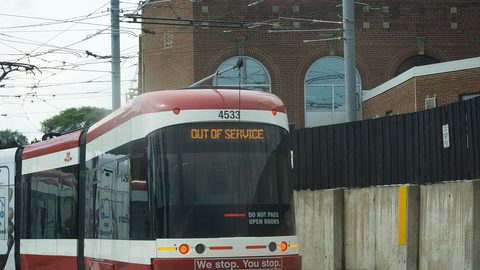 Getting Around Toronto Without Wasting Half Your Trip in Transit
Toronto's transit map looks simple but hides slow surface routes, a disorienting underground maze, and walking distances everyone underestimates.
Getting Around Toronto Without Wasting Half Your Trip in Transit
Toronto's transit map looks simple but hides slow surface routes, a disorienting underground maze, and walking distances everyone underestimates.
-
 CN Tower
The CN Tower anchors Toronto's skyline, but a good visit depends on booking ahead for sunset slots and knowing which experience fits your time and tolerance
CN Tower
The CN Tower anchors Toronto's skyline, but a good visit depends on booking ahead for sunset slots and knowing which experience fits your time and tolerance
-
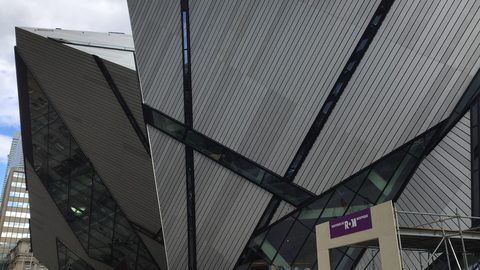 Royal Ontario Museum
The Royal Ontario Museum pairs world cultures with natural history inside a crystal-winged building, and a focused visit to two or three galleries beats a
Royal Ontario Museum
The Royal Ontario Museum pairs world cultures with natural history inside a crystal-winged building, and a focused visit to two or three galleries beats a
-
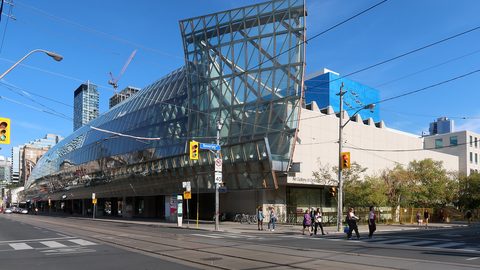 Art Gallery of Ontario
The Art Gallery of Ontario pairs a deep Group of Seven collection with Frank Gehry's glass-and-wood redesign, a focused art experience steps from Chinatown
Art Gallery of Ontario
The Art Gallery of Ontario pairs a deep Group of Seven collection with Frank Gehry's glass-and-wood redesign, a focused art experience steps from Chinatown