Deciding Your Toronto vs Vancouver City Break Based on Travel Style
Toronto serves food and neighbourhood depth across sprawling distances. Vancouver delivers scenery and outdoor access in a compact package.
_in_monochrome.jpg)
Choosing Between Toronto and Vancouver for Your Canada Trip
You are standing on a corner in Kensington Market at noon. The smell of jerk charcoal mixes with roasting coffee. A vintage store spills used records onto the sidewalk. Nobody is looking at a mountain. Nobody is looking at the water. They are looking at a plate of Tibetan momos. This is the city that rewards the eater, not the gawker. If you care more about food and street-level districts than scenery, the Toronto vs Vancouver city break question has a single answer that depends entirely on what you plan to do with your daylight hours.
Toronto or Vancouver First Time Canada
If this is your first trip to Canada, decide what kind of country you want to experience. Toronto does not deliver the postcard version. There are no snow-capped peaks visible from your hotel window. What Toronto delivers is an urban immersion that feels genuinely global. The metro area held 6,202,225 people at the 2021 census, and those people came from everywhere. You eat Sri Lankan in Scarborough, Hakka Chinese in the eastern suburbs, Caribbean patties in Little Jamaica. You do not see a nation condensed into a single landscape. You see a city that absorbed the world, then built a metro system to get you around it. Vancouver gives you the scenery. Toronto gives you the crowd.
Vancouver vs Toronto Travel Comparison
Weather And What To Pack
Compare these two cities on a practical level and the differences start dictating your packing list. Toronto sits in a Dfa climate zone: hot-summer humid continental. Summer temperatures range from 20°C to 27°C average daily, and the humidity can be real. You want light layers and a rain shell. The city averages 120 cm to 130 cm of snowfall annually, and deep winter (January through March) is the quietest season because the sidewalks get slushy and street life thins out. Vancouver runs on a different weather system entirely. Neither city is inherently better. They just require different expectations from the day you land.
Getting Around Each City
The TTC moves you through Toronto with 3 subway lines and 11 streetcar routes. The Transit app is more reliable than Google Maps for surface routes. Vancouver's network is more compact and scenic. Toronto is a 40-minute subway ride away from a meal that changes how you think about a cuisine. Vancouver is a 20-minute drive away from a trailhead.
Toronto Versus Vancouver Food Scene
Eat Beyond The Landmarks
This is where the comparison stops being close. Toronto has roughly 10,000 restaurants across the metro area, and the food scene does not cluster in a single district. You walk through distinct districts to eat distinct cuisines. Start with the peameal bacon sandwich at Carousel Bakery inside St. Lawrence Market. That is the landmark dish, the one the city put on its culinary signature list alongside the butter tart and the Toronto-style kebab. But the real eating happens away from the landmarks. Tibetan momos in Parkdale, a cuisine barely found outside the subcontinent. Doubles from a Trinidadian roti shop in Scarborough, two flatbreads stuffed with chickpea curry. Jerk chicken from a barrel smoker along Eglinton West in Little Jamaica. Hakka Chinese chili chicken, an Indo-Chinese dish born in Toronto's eastern suburbs. Vancouver has a strong food scene centred on seafood and Asian fusion. Toronto has a food scene that demands you plan your day around it because the best meals are separated by 30-minute rides.
Plan For The Friction
That is the friction. Toronto's blocks are long. Walking distances between districts are routinely underestimated. Streetcars and buses do not announce every stop reliably. The Gardiner Expressway and Queen Street streetcar diversions can break a schedule. You pay 13% HST on restaurant meals and tip 15% to 20% on the pre-tax total. The payoff is that you eat something you could not eat in the same form anywhere else in North America.
Canada East Coast vs West Coast City Trip
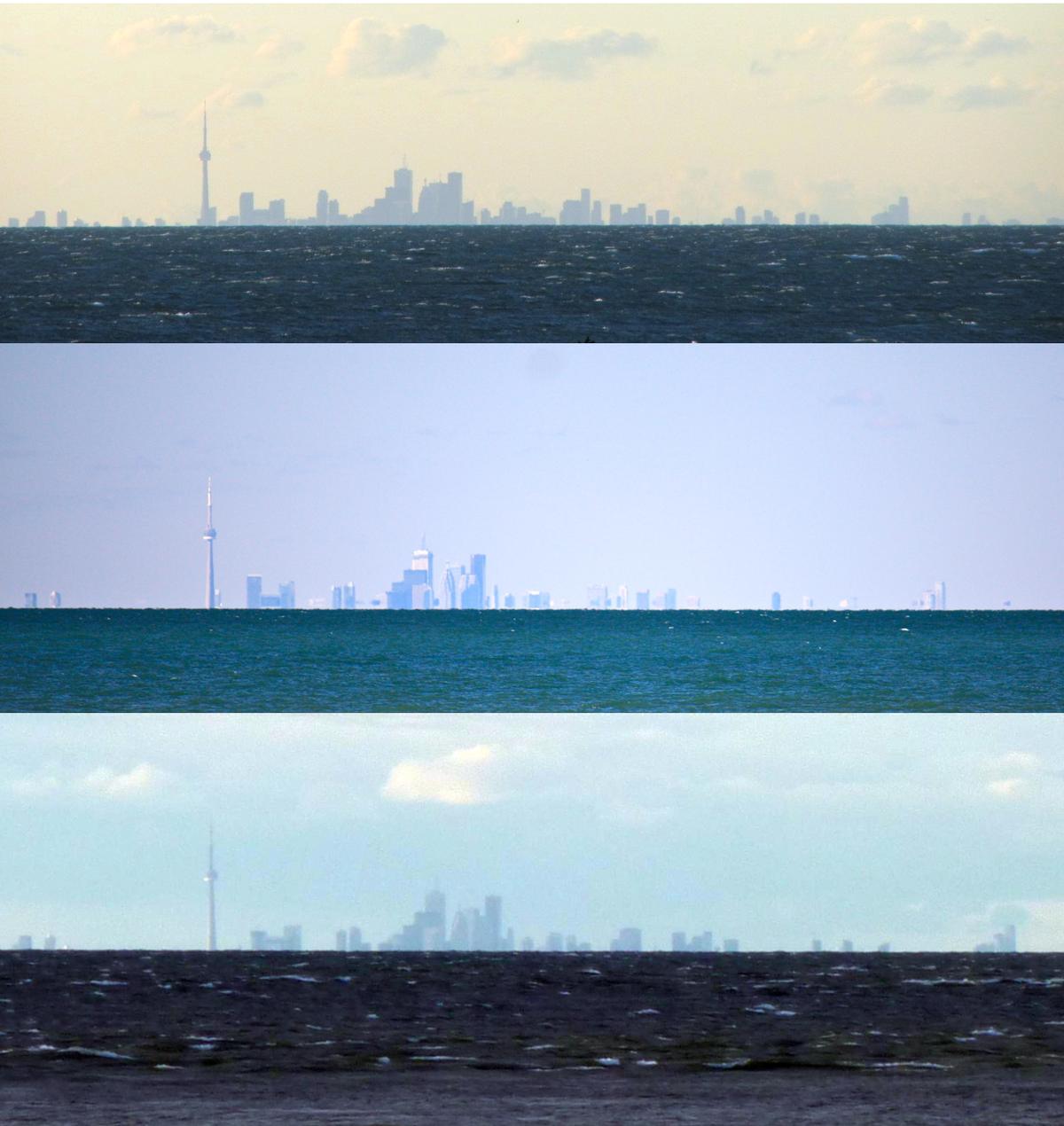
Do not read Toronto as Canada's east coast city. The east coast is Halifax, St. John's, the maritime pace of life. Toronto sits on the north shore of Lake Ontario and behaves like a Great Lakes metropolis with transatlantic ties. The lake gives you the Toronto Islands, a 15-minute ferry ride from the foot of Bay Street that leads to three connected islands with beaches, bicycle rentals, and skyline views. The western flank gives you Scarborough Bluffs, white cliffs that rise above the lake, accessed by a 50-minute GO train and bus ride from Union Station. There is no ocean here. There is a massive freshwater lake that behaves like a sea for recreation purposes. The west coast city experience is Vancouver, where the mountains meet the Pacific. Each coast delivers a different relationship to water. Vancouver's is about proximity to wilderness. Toronto's is about a car-free island escape and a waterfront trail you can bike from downtown to Humber Bay Arch Bridge in 30 minutes.
Who Toronto Suits and Who Should Skip it
Book Toronto If This Is You
Toronto suits the food-focused traveller who plans trips around meals. It suits the district wanderer who enjoys street-level diversity over grand monuments. It suits the live-music and festival chaser who wants to catch Hot Docs in May, Luminato in June, or TIFF in early September. It suits families wanting a safe big-city trip with the Royal Ontario Museum, the Aga Khan Museum, and the Toronto Islands for a half-day of cycling. It suits the repeat visitor to Canada who has already done the nature circuit.
Skip Toronto If This Is You
Toronto is not for the traveller seeking a compact, walkable historic core or European-style beauty. Skip Toronto if you want dramatic scenery within the city limits. Skip it if you dislike car-dependent sprawl. The minimum stay is 4 full days. Anything less forces you to choose between the downtown core and the districts where the city actually lives, and you will spend too much of that time on the move.
The Common Mistake That Breaks a Toronto Trip
The most frequent error is staying only in the financial core and judging the city by its least interesting streets. The central business district is bounded roughly by Queen, Yonge, Front, and University. It has glass towers, Union Station, business energy, and dead evenings. A downtown hotel without a plan to leave the core produces the most common complaint: that the city felt sterile and soulless. The remedy is to base yourself near a metro line that gets you to the districts quickly. The PATH underground system is a disorienting maze of 30 km of tunnels that closes evenings and weekends. It is not a tourist asset. Use the TTC subway or the 11 streetcar routes instead. Get to Kensington Market. Get to Queen West. Get to the Danforth. That is where the city pays out.

Getting Around Toronto Without Wasting Time
The TTC subway and streetcar network is the backbone. Pay with a PRESTO card or tap a contactless credit or debit card. The trip-up: streetcars and buses do not announce every stop reliably, and the subway's simple U-shape map hides the fact that east-west surface routes can be painfully slow in mixed traffic. The Transit app gives real-time TTC data and is more reliable than Google Maps for surface routes. Bike Share Toronto has bicycles at stations across the city, and the city has an expanding network of bicycle lanes, though the figure is published annually by the city and changes each year.
Where to Stay and Eat in Toronto
Pick Your District
Districts matter. Skip the Financial District for sleeping. The areas that reward you during the day are the ones that still have life at 10 pm. West Queen West gives you boutiques, galleries, and bars on the city's coolest strip. Kensington Market delivers chaotic Victorian streets, vintage shops, and global food stalls. The Distillery District offers a cobblestone pedestrian-only arts precinct with Victorian industrial architecture, though the Christmas market crush is real. Leslieville has independent cafés, vinyl shops, and low-rise calm.
Then Eat Around Them
For eating, avoid the tourist traps near the CN Tower. Go to Scarborough for the region's best Sri Lankan and Chinese food, accessible by the Sheppard subway line and buses. Go to Dundas West and the Junction for breweries and low-key restaurants. Go to the Danforth for Greek food on a district-scale main street. St. Lawrence Market is worth a morning but is closed Sundays and Mondays. The Art Gallery of Ontario, redesigned by Gehry, holds a deep Group of Seven collection and is a better indoor option than the Royal Ontario Museum on a rainy day.
Toronto vs Vancouver City Break
Frame the decision as a personality match, not a scorecard. Toronto rewards the traveller who builds their day around a meal reservation and a district stroll that turns into a three-hour exploration. Vancouver rewards the traveller who wants to kayak in the morning and hike in the afternoon with a seaside dinner at the end. Toronto is not trying to be Vancouver. It is trying to be the most layered urban eating experience in the country. If you care more about food and districts than scenery, Toronto wins by being the only city that offers what you actually want. If you care more about scenery, go to Vancouver and do not look back.
The single thing that most often goes wrong here: staying in a downtown hotel and never leaving the core. Toronto's value is in its 83 official city-designated business improvement areas and the districts they anchor. A downtown hotel without a plan to leave the Financial District produces the most common complaint. Do not let that be you.
Read next
-
 Toronto Hotels and What the Price Bands Actually Get You
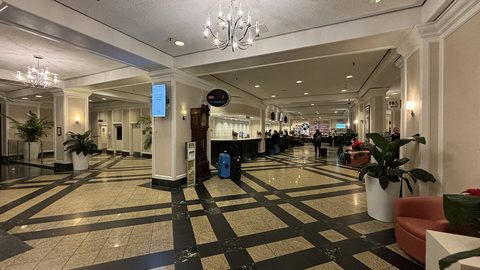
Toronto hotel prices cluster into bands that deliver distinctly different experiences, from suburban chain functionality to character-rich midrange spots in
Toronto Hotels and What the Price Bands Actually Get You
Toronto hotel prices cluster into bands that deliver distinctly different experiences, from suburban chain functionality to character-rich midrange spots in
-
 Where to Stay in Toronto and What Each District Costs You
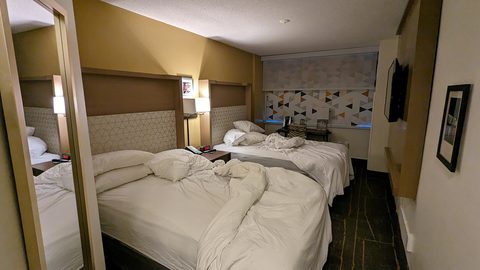
Where you stay in Toronto shapes everything about your trip. Each district comes with a tradeoff in transit time, street life, and what you can walk to after dinner.
Where to Stay in Toronto and What Each District Costs You
Where you stay in Toronto shapes everything about your trip. Each district comes with a tradeoff in transit time, street life, and what you can walk to after dinner.
-
 Flying Into Toronto Pearson or Billy Bishop and Getting Downtown
Flying into Toronto means choosing between Pearson and Billy Bishop. Here's how each airport works and how to get downtown from both.
Flying Into Toronto Pearson or Billy Bishop and Getting Downtown
Flying into Toronto means choosing between Pearson and Billy Bishop. Here's how each airport works and how to get downtown from both.
-
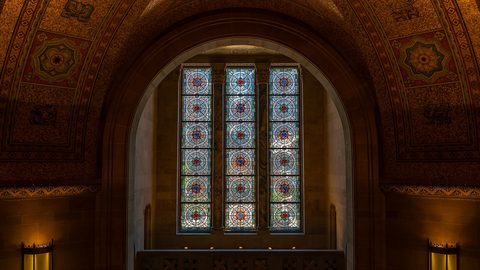 What to Do in Toronto Ordered by Whether It Is Worth the Time
Toronto's attractions compete for your limited days. Some earn their time cost, others don't. This ranks them by what you actually get for the hours you spend.
What to Do in Toronto Ordered by Whether It Is Worth the Time
Toronto's attractions compete for your limited days. Some earn their time cost, others don't. This ranks them by what you actually get for the hours you spend.
-
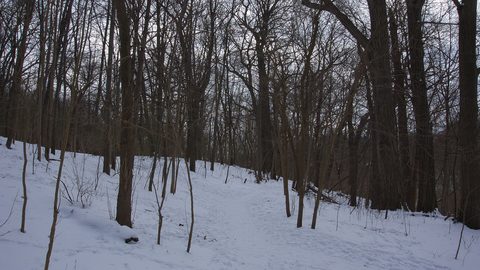 When to Visit Toronto and What Each Season Does to the City
Toronto shifts dramatically with the seasons, from festival-packed spring and fall shoulders to humid summer patios and bitter winter sidewalks that never
When to Visit Toronto and What Each Season Does to the City
Toronto shifts dramatically with the seasons, from festival-packed spring and fall shoulders to humid summer patios and bitter winter sidewalks that never
-
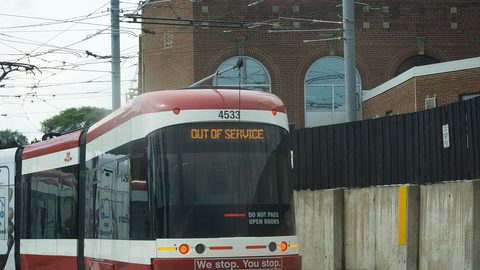 Getting Around Toronto Without Wasting Half Your Trip in Transit
Toronto's transit map looks simple but hides slow surface routes, a disorienting underground maze, and walking distances everyone underestimates.
Getting Around Toronto Without Wasting Half Your Trip in Transit
Toronto's transit map looks simple but hides slow surface routes, a disorienting underground maze, and walking distances everyone underestimates.
-
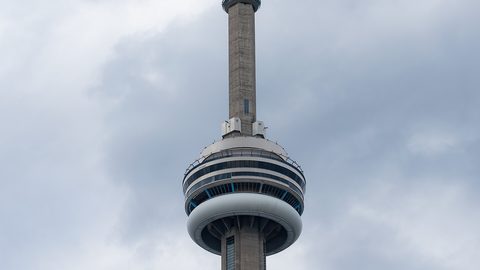 CN Tower
The CN Tower anchors Toronto's skyline, but a good visit depends on booking ahead for sunset slots and knowing which experience fits your time and tolerance
CN Tower
The CN Tower anchors Toronto's skyline, but a good visit depends on booking ahead for sunset slots and knowing which experience fits your time and tolerance
-
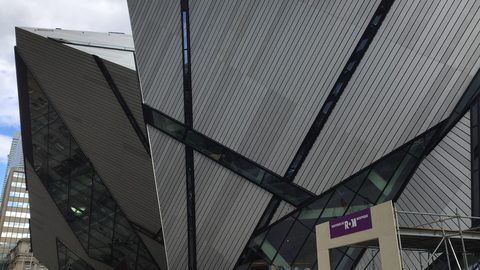 Royal Ontario Museum
The Royal Ontario Museum pairs world cultures with natural history inside a crystal-winged building, and a focused visit to two or three galleries beats a
Royal Ontario Museum
The Royal Ontario Museum pairs world cultures with natural history inside a crystal-winged building, and a focused visit to two or three galleries beats a
-
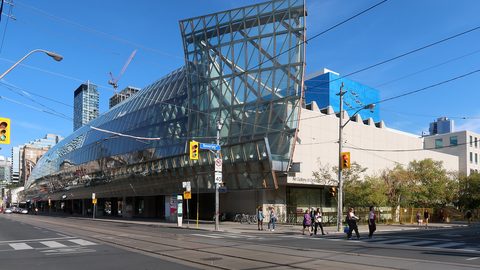 Art Gallery of Ontario
The Art Gallery of Ontario pairs a deep Group of Seven collection with Frank Gehry's glass-and-wood redesign, a focused art experience steps from Chinatown
Art Gallery of Ontario
The Art Gallery of Ontario pairs a deep Group of Seven collection with Frank Gehry's glass-and-wood redesign, a focused art experience steps from Chinatown