Athens Food: What to Order and Where People Actually Eat in Athens
What to eat in Athens and where Athenians actually eat it, from souvlaki and loukoumades to late-night meze in Psyrri.
Athens Food: What to Order and Where People Actually Eat in Athens
At 10pm on a Tuesday in September, the courtyard of a Psyrri taverna is full. Three generations sit at one table sharing a carafe of tsipouro and a plate of fried anchovies. At the next table, a solo traveller eats grilled octopus and a horiatiki while scrolling through museum notes. The waiter brings a free bowl of halva. This is how Athens food works: late, shared, unpretentious, and built around a small number of dishes done exceptionally well. The question is not where to find the best version of each dish. It is where each type of eating belongs in the city's geography, and what the rules of engagement are when you sit down.
What to Eat in Athens: the Vocabulary You Need
Athens food vocabulary splits into categories, not individual dishes. Learn the categories and you can pick the right meal for the right moment without a guidebook open on the table.
Street Food And Morning Pastries
Souvlaki and gyros are the city's default fast food. Souvlaki is pork or chicken skewers, pulled off the metal and wrapped in a grilled pita with tomato, onion, tzatziki, and fries. Gyros is the same concept but the meat is sliced from a vertical rotisserie. In Athens, both versions include fries wrapped inside the pita. This is a regional habit. Eat these standing up, from a street-side counter, in under ten minutes.
Loukoumades are fried dough balls soaked in honey syrup and dusted with cinnamon. Krinos, in Psyrri, has served them since 1923. Go there for loukoumades and nothing else; the shop does not double as a full restaurant.
Bougatsa is a filo pastry pie filled with semolina custard, dusted with icing sugar and cinnamon. It is a morning food, eaten between 07:00 and 10:30, from a dedicated bakery or zacharoplasteio. Do not order it at dinner.
Koulouri is a sesame bread ring sold by street vendors and bakeries. Buy one from a cart and eat it walking to the metro. It is the default breakfast on the move.
Slow Dishes And Late Night Plates
Revithia is slow-baked chickpea stew. It is a Sunday staple in tavernas, served with olive oil and lemon. Cheaper kitchens cook it in a clay pot. You will not see it on the fast-food counter.
Meze and ouzo belong to the late-night slot. An ouzeri serves small plates: dolmadakia, fava, fried gavros, grilled octopus. Order three or four plates and a bottle of ouzo or tsipouro. Stay for two hours.
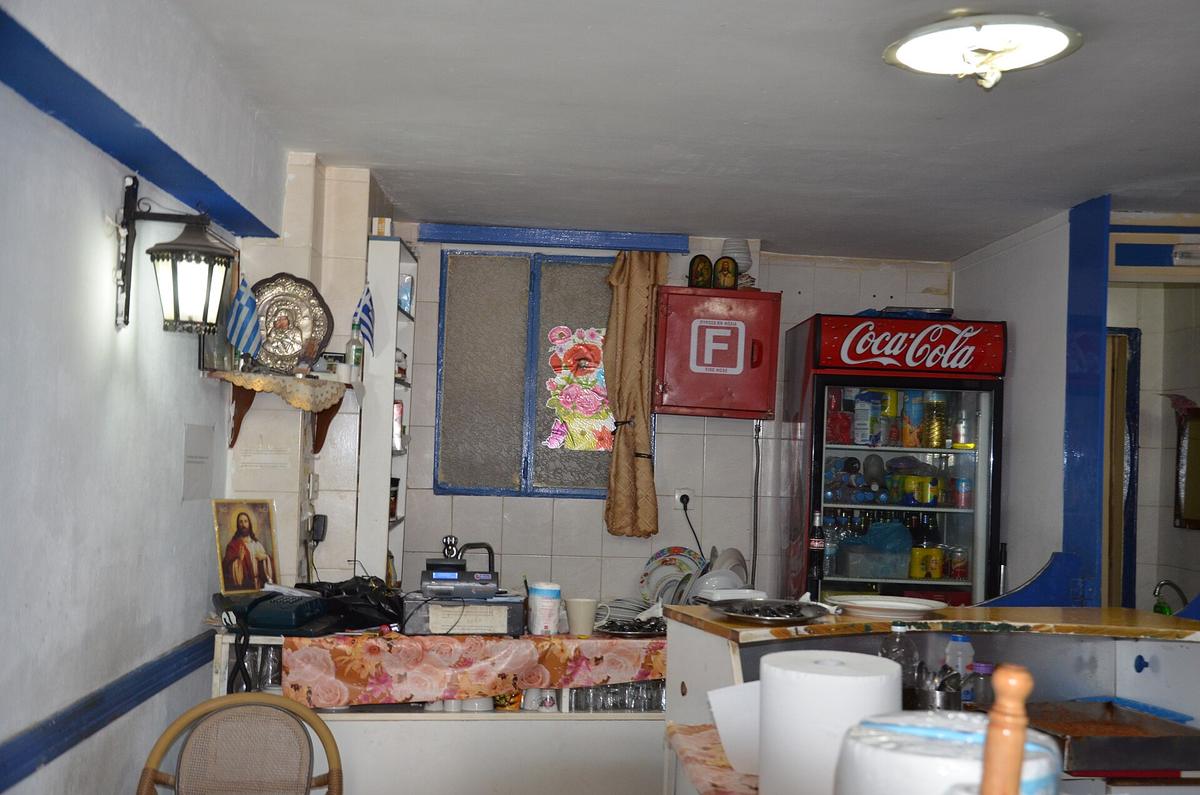

Athens Restaurants: Where Each Type of Eating Lives
Athens is not one restaurant scene. It is seven neighbourhood scenes, each with a different specialty. Learn the pattern and you stop wandering.
The Tourist Core: Monastiraki, Psyrri And Plaka
Monastiraki and Psyrri are the territory of souvlatzidika, casual shops specialising in souvlaki and gyros. O Thanasis in Monastiraki and Kostas in Psyrri are the reference points. Do not book. Order at the counter, eat on a plastic stool, and leave. The gyros in these neighbourhoods includes fries inside the pita, which is the Athenian version. Avoid the sit-down gyros spots on Monastiraki Square and the main pedestrian strip of Adrianou in Plaka. Those are tourist-facing versions that charge three times the counter price and serve the meat on a plate with chips on the side.
Plaka has the highest concentration of tourist-facing tavernas. Some are fine. Most are not. The signal to avoid is waiters pulling in passers-by, menus with photographs of every dish, and menus in six or more languages. Plaka works for rooftop drinking with an Acropolis view if you accept that the food will be average and the bill will include a cover charge for bread you did not order. The correct use of Plaka is a single rooftop drink, not a meal.
The Residential Rings: Pangrati, Koukaki, Exarchia And Kypseli
Pangrati and Koukaki are where local taverna trade lives. These are the middle-ring neighbourhoods, residential, not on the monument circuit, with a higher density of sit-down spots where the clientele is 80 percent Athenian. Find psistaria (grill houses), tavernas serving revithia and lamb kleftiko, and a handful of modern Greek cooking spots. In Koukaki, eat well for €15 to €20 per person on a weekday; no booking needed. In Pangrati, the food scene clusters near the Panathenaic Stadium and along the side streets off Varnava Square.
Exarchia and Kypseli are the reliable neighbourhoods for a proper souvlaki fix outside the tourist core. Exarchia is student-heavy, edgy, and covered in graffiti. The souvlatzidika here are cheap, open late, and serve pork as the default meat. Chicken is the secondary option. Kypseli is more residential and less visited; its souvlaki counters serve a local crowd that will not tolerate sloppy execution.
Fish, Fine Dining And The Port
Piraeus and Mikrolimano are for fish tavernas. The concentration is highest in Mikrolimano, the small harbour west of the main port. Eat grilled fish, fried small fish, and octopus at lunch; 14:00 to 15:00 is peak. Fish is sold by weight. Ask the price before ordering. A weekend lunch in Mikrolimano requires a reservation, especially from April to October.
Kolonaki and Syntagma hold the modern Greek cooking tier. These are the expensive rooms where reservations are required several days to weeks ahead. The cooking is refined, the ingredients are seasonal, and the wine list includes agiorgitiko from Nemea and assyrtiko from Santorini. To see what Greek cuisine looks like when it is treated as fine dining, come here. Budget €50 to €70 per person with wine.
Athens Food Guide: Timing, Booking, and the Failure Cases
Meal Times And Booking Rules
Meal times are not flexible in Athens. Lunch runs 13:00 to 16:00, with the peak at 14:00 to 15:00. Dinner runs 20:30 to midnight, with the peak at 21:30 to 23:00. In summer, dinner starts later. Walk into a taverna at 19:30 in July and you will be the only person in the room. The kitchen may not be ready. Wait until 21:00.
Booking rules by category. For souvlatzidika and bakeries, no booking, counter service. For tavernas in Koukaki and Pangrati, walk in on weekdays outside peak season. For dinner Friday and Saturday, book. For groups of six or more, always book. For high-demand modern Greek restaurants in Kolonaki, book several days to weeks ahead. For fish tavernas in Mikrolimano, book for weekend lunch and dinner. In August, many neighbourhood kitchens close for two to four weeks. Central tourist-area places stay open. Check before walking.
Service, Tipping And Failure Cases
The service pattern you need to expect. In a taverna, food arrives as it is ready, not in courses. The salad may come after the main. Bread is brought automatically and charged per person. Tap water is free if you ask for it; bottled water is charged. A complimentary dessert, fruit, halva, or yogurt with honey, is common at the end of a meal in traditional places, less common in modern or tourist-heavy ones. Tip by rounding up or leaving 5 to 10 percent in cash. Card is accepted by law but some small places prefer cash.
The failure cases. You order a gyros in a Plaka taverna and it arrives as a plate with cold fries and a pale disc of meat. You order a Greek salad in a room facing Monastiraki Square and it comes with lettuce as a main ingredient, which is not how horiatiki is made; the proper version has tomato, cucumber, green pepper, red onion, Kalamata olives, a slab of feta, oregano, and olive oil, with no lettuce. You order tzatziki and it is thin and watery because the kitchen stretched the yogurt. You agree to a fish dinner without checking the price per kilo, then get a bill for €60 for a single bream. You sit at a taverna on the main pedestrian strip of Adrianou in Plaka and pay a cover charge that was not listed on the menu. The defence is simple: eat in the neighbourhoods where locals eat, at the times locals eat, and avoid any room whose business model depends on someone standing outside asking you to come in.
The Varvakios Agora Shortcut
The Varvakios Agora shortcut. Athens Central Market on Athinas Street is the best introduction to the city's raw ingredients. The meat hall, fish hall, and fruit and vegetable sections are open in the morning until about 15:00. The surrounding street, Evripidou, is lined with spice, herb, and cured meat shops. Buy a slice of tiropita or spanakopita from a bakery on the edge of the market, eat it standing up, and understand the ingredient base before you order it in a restaurant.
Greek Food in Athens: the Dishes Done Properly
Greek food in Athens is not complicated, but it has a proper form for every dish. Deviating from that form is a reliable sign that the kitchen prioritises tourists over execution.
Salads, Pies And Oven Dishes
Horiatiki (Greek salad) is tomato, cucumber, green pepper, red onion, Kalamata olives, a slab of feta, oregano, and olive oil. No lettuce. If lettuce appears, the kitchen has adapted the dish for a non-Greek palate. The olive oil is raw, poured as a finishing oil, not a cooking medium.
Moussaka is a baked casserole of aubergine, minced meat, and béchamel topping. Pastitsio is the same structure but with pasta instead of aubergine. Both are oven dishes, not fry-pan dishes. If either is kept warm under a heat lamp, skip it.
Spanakopita and tiropita are filo pastry pies. Spanakopita contains spinach, feta, spring onion, and dill. Tiropita contains feta and sometimes other cheese. Both are sold in bakeries and fournoi, from early morning. They are not restaurant mains. Eat them for breakfast or as a snack.
Meze, Fish And Slow-Cooked Meat
Dolmadakia are vine leaves stuffed with rice and herbs, sometimes minced meat, served with lemon. Fava is a purée of yellow split peas with olive oil, onion, capers, and lemon. Both appear on meze menus in ouzeri and taverna settings. Fava is also a nistisimo dish, meaning it is suitable for Lent when tavernas serve food without meat, dairy, or fish with blood.
Grilled octopus and fried anchovies (gavros) are the default fish dishes in tavernas that do not specialise in fish. The octopus should be tender from slow-cooking followed by a grill. The gavros should be small, salty, and eaten whole. If either is described as fresh but tastes like frozen, push back. Frozen calamari described as fresh is a common fraud.
Lamb kleftiko is slow-baked lamb, often in a sealed clay pot. It is more common in spring, especially around Easter, when lamb is the centrepiece of the holiday table. Outside that window, it may still appear on taverna menus but is less likely to be the seasonal star.
Desserts
Galaktoboureko is filo pastry with semolina custard soaked in syrup. It is the dessert version of bougatsa. Greek yogurt with honey is simple and good but should not be sold as a premium dessert at tourist cafés. That is a €3 dish, not a €9 dish.


What to Avoid and How to Navigate
The pattern of what to avoid in Athens food is simple and consistent. Restaurants with waiters standing outside pulling in passers-by are tourist traps. Restaurants with menus that include photographs of every dish are tourist traps. Restaurants with menus in six or more languages are tourist traps. Restaurants directly on the main pedestrian strip of Adrianou in Plaka or facing Monastiraki Square are tourist traps. Restaurants advertising a "traditional Greek night" with plate smashing are tourist traps. Gyros sold as a sit-down meal in Plaka or Monastiraki is overpriced and often poor quality.
The correct response to any of these signs is to walk into a side street. In Plaka, go one street back from Adrianou. In Monastiraki, cross Athinas Street into Psyrri. In any neighbourhood, the taverna with the smallest menu and the least aggressive front-of-house is usually the best.
The single most practical thing you can do: walk to Varvakios Agora on your first morning, buy a koulouri from a vendor outside the fish hall, eat it while watching the morning trade, then walk north into Psyrri and find a souvlatzidiko that serves from a counter without a menu on the wall. Order one pork gyros. Eat it standing up. That is the Athenian food experience compressed into one hour.
Common Questions
What is the difference between souvlaki and gyros in Athens?
Souvlaki is pork or chicken skewers, grilled and then pulled off the metal and wrapped in pita. Gyros is meat sliced from a vertical rotisserie and wrapped in pita. Both include tzatziki, tomato, onion, and fries inside the pita in Athens. The primary meat for both is pork; chicken is the secondary option.
Which neighbourhood in Athens has the most local tavernas?
Koukaki, Pangrati, Petralona, Kypseli, and Exarchia have the highest concentration of tavernas serving a local customer base. Avoid the main pedestrian strips of Plaka and Monastiraki Square for sit-down meals.
How late do restaurants serve dinner in Athens?
Dinner runs from 20:30 to midnight, with the peak between 21:30 and 23:00. In summer, dinner starts later. Do not arrive at a taverna before 21:00.
Is it necessary to book a restaurant in Athens?
Souvlatzidika and bakeries require no booking. Tavernas accept walk-ins on weekdays outside peak season. A reservation is recommended for dinner Friday and Saturday, for groups of six or more, for modern Greek restaurants in Kolonaki, and for fish tavernas in Mikrolimano on weekends.
What are nistisimo dishes and when are they served?
Nistisimo dishes are foods without meat, dairy, or fish with blood, served during Lent. Examples include fava, dolmadakia without meat, taramasalata, and seafood without a backbone. Clean Monday (Kathara Deftera) marks the start of Lent with a traditional meal of lagana bread and seafood.
Can I drink the tap water in Athens?
Yes. Tap water in Athens is safe to drink. Bottled water is charged if you order it. Ask for tap water to avoid the cost and the plastic waste.
What is the best thing to eat in Athens for breakfast?
Koulouri from a street vendor or bakery costs about 50 euro cents and is eaten on the move. Alternatively, a tiropita or spanakopita from a fournos (bakery). Coffee is usually a freddo espresso or a Greek coffee (ellinikos), consumed slowly at a table.
Read next
-

 Athens Hotels by Price Band and What Each Band Actually Gets You
Athens hotel prices rise sharply with Acropolis views and rooftop access. Here's what each price band actually delivers.
-
 Where to Stay in Athens and What Each District Costs You
The district you choose in Athens changes everything about your trip. Compare Plaka, Monastiraki, Koukaki, and the rest by trade-off.
-
 Athens Flights, Flying Into ATH and Getting Out of the Airport
Flying into Athens: what to expect at ATH, and how to get from the airport to Syntagma, Monastiraki, or Piraeus.
-
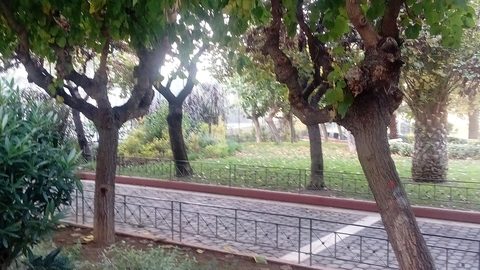 Athens Things to Do Ordered by Whether They Are Worth the Time
Not every Athens sight deserves your limited hours. This guide ranks what to do by the time it takes and what it gives back.
-
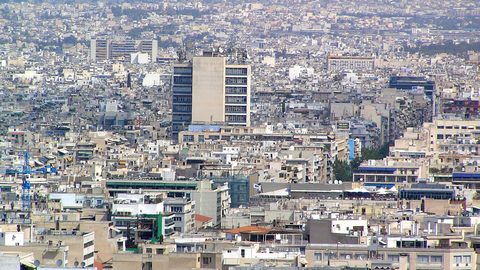 Best Time to Visit Athens and What Each Season Does to It
Athens has two comfortable shoulder seasons, a brutal August, and winter free-entry Sundays. Here's what each season does to the city.
-
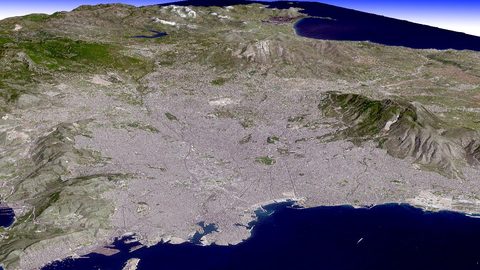 Getting Around Athens Without Wasting Half Your Trip
Athens has a good metro but late nights, marble streets, and taxi habits can trip you up. Here's how to get around without friction.
-
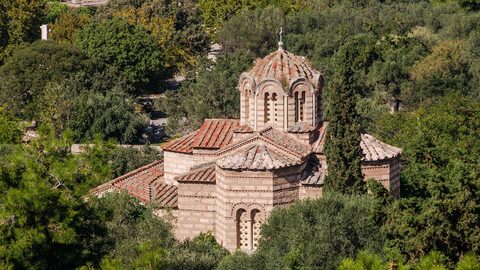 Acropolis
How to visit the Acropolis and Parthenon in Athens without queueing twice, including the timed-entry system, the south slope entrance, and the marble terrain.
-
 Acropolis Museum
Whether the Acropolis Museum in Athens is worth the time, how to visit without queueing twice, and how to sequence it with the Acropolis itself.
-
 Ancient Agora
What the Ancient Agora in Athens is, whether it is worth your time, and how to visit the Hephaisteion and Stoa of Attalos without rushing.