Whether the Acropolis Museum in Athens Is Worth the Time and How to Visit It
Whether the Acropolis Museum in Athens is worth the time, how to visit without queueing twice, and how to sequence it with the Acropolis itself.

Whether the Acropolis Museum in Athens is Worth the Time and How to Visit it
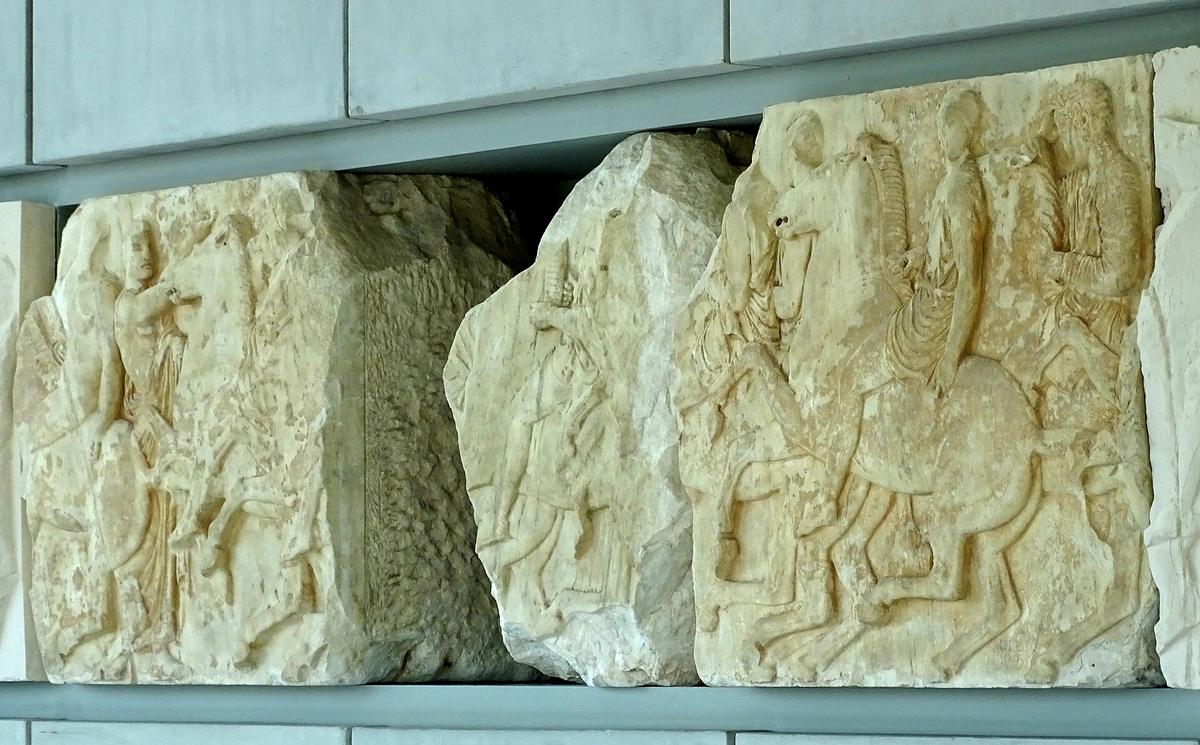
Most travellers assume they should see the Acropolis first, then walk downhill to the museum. That sequence costs you the best experience of both. The Acropolis Museum Athens worth it question hinges on one decision: visit the museum first, before the hill, and arrive when it opens. You enter a cool, nearly empty building, walk the glass floor over excavated ruins, study the Parthenon frieze at eye level, and exit knowing exactly what you are about to climb for. Then you walk the 300 metres uphill to the Acropolis, past the Dionysos Theatre, and see the originals still in place. That order gives you context before heat, and the museum gives you air conditioning before the sun exposure that will exhaust you on the hill.
- Typical Visit Duration: 1.5 to 2.5 hours; an audio guide or guided tour extends the time
- Total Exhibition Area: 14,000 m² across three main levels plus ground floor and basement
- Timed-Entry Tickets: Required for all visitors; book on the museum website
- Booking Window: Opens 1 to 3 months ahead, published by the museum on its site
- Peak Crowd Window: 10:00 to 14:00; quietest at opening and the final two hours before close
- Closed Days: Set annually; check the museum website before you go
- Architect: Bernard Tschumi Architects with Michael Photiadis, opened 2009
Acropolis Museum Timed Entry: Why You Must Book Ahead
Walk-up tickets are a gamble you should not take. The museum requires timed entry for every visitor, and during peak season April through June and September through October, slots sell out days or weeks in advance. The museum's own website is the only place you should buy from. Third-party resellers mark up the price and sometimes sell slots that later get cancelled.
The booking window opens roughly 1 to 3 months ahead, with exact dates published by the museum. If you are visiting in July or August, book the moment slots appear. Same-day availability exists outside peak periods but is never guaranteed. Arriving with no ticket and a hope of getting in during the late morning crush is the mistake that forces you to queue in direct sun on Makrygianni Street while people with pre-booked slots walk straight into the indoor queue and through the door.
Acropolis Museum Glass Floor: Walking Over History
The museum is built directly above an ongoing archaeological excavation of early Christian and Byzantine urban remains. From the moment you enter, the ground under your feet is a glass floor that reveals the stone walls, courtyards, and streets of a neighbourhood that stood on this site 1,500 years ago. The entrance ramp itself is a slow ascent over the ruins, designed to give you that view before you reach any gallery. You do not look at a model or a screen. You look through the floor at the actual stones, in place, excavated after the museum was designed to sit over them.
This is not a gimmick. The glass floor runs across the ground level and reappears in sections on the upper floors. It forces you to slow down and look down as much as up. The museum café on the ground floor also has glass panels, so even a coffee break keeps you above the dig. That integration of the site into the building is what makes the museum different from a conventional collection in a box.
Acropolis Museum vs Acropolis: Which Comes First
The Acropolis and the Acropolis Museum are not two separate attractions you can squeeze into the same morning without a plan. They are a paired experience, and the order determines how much you get from both.
Museum First, Then the Hill
Start at the museum at opening time, roughly 08:30 depending on the season. You spend 1.5 to 2 hours inside. You study the Parthenon frieze mounted at eye level in a bright, climate-controlled hall. You see the caryatids from the Erechtheion up close, their preserved surfaces and missing details visible in a way the originals on the hill never are. You look at the archaic gallery of statues, the votive offerings, the pottery and bronzes that tell you what the Acropolis meant to the people who built on it. Then, when the museum finishes its story, you walk uphill.
At that point you know what you are looking at. The Parthenon metopes that survive on the building are the ones you just saw in the museum. The missing sections make sense. The heat hits harder now, but you are already informed, and the museum gave you air conditioning and context before the hill gave you sun exposure.
Why the Reverse Order Fails
Visitors who climb the Acropolis first arrive overheated, thirsty, and tired. By the time they descend to the museum, the air conditioning hits like a wall. They sit down in the café, check their phones, and lose the concentration the museum requires. The Parthenon frieze, the archaic gallery, the caryatids all require patience and a willingness to walk slowly through 14,000 square metres of exhibition space. That is hard after an hour on marble steps in 35-degree heat. The museum deserves your attention fresh.
The Combined Walk
The museum entrance on Dionysiou Areopagitou Street is roughly 300 metres downhill from the Acropolis entrance. After the museum, you walk past the Areopagus Hill and Filopappou Hill, both free, and you pass the Odeon of Herodes Atticus visible from the museum upper floor. You can do the entire route in one morning if you start at the museum opening. By 13:00 you will be done with both, and you will have earned lunch in Koukaki or Plaka.
Acropolis Museum Tickets: What to Buy and What to Skip
Buy the standard entry ticket from the museum website. That is the only ticket you need. Do not buy a combined ticket that promises access to multiple sites unless you are sure you will use all of them on the same day. The museum is not part of the Acropolis ticket. It is a separate entrance, a separate timed slot, and a separate cost.
The museum publishes free admission days annually on its site. Those days draw heavy crowds, so if you want a quiet visit, paying the standard fare is worth it. The audio guide is available in 6 to 10 languages, updated each year. It adds roughly 30 minutes to your visit and is worth the expense for the archaic gallery alone, where the statues have stories that a label cannot fit.
Photography is permitted in most galleries without flash. Some temporary exhibitions restrict it. Large bags must go to the cloakroom. The museum is fully step-free via ramps and lifts, with tactile models and Braille signage for visitors with limited vision.
Acropolis Museum How to Visit: a Step-by-Step Plan
Follow this sequence to avoid crowds, heat, and disappointment.
Book Your Slot
Go to the museum website and choose a morning slot between 08:00 and 09:00. Later slots mean you arrive after the first wave of tour groups has entered, and you queue even with a ticket. The quietest arrival windows are opening time and the final two hours before closing.
Get There Early
The museum is on Dionysiou Areopagitou Street in Makrygianni, the southern edge of the Acropolis zone. If you are staying in Koukaki, you walk there in ten minutes. From Plaka, it is a fifteen minute walk through the pedestrian streets. From Syntagma, take Metro Line 2 to Acropoli station, a three minute ride. Exit the station and the museum is directly across the street.
Enter Through the Ground Floor
You enter at ground level, where the glass floor shows the excavated ruins immediately. Do not rush through this section. The entrance ramp is the slow reveal the architect intended. After the ground level, take the escalator to the first floor for the archaic gallery, then the second floor for the Parthenon gallery and the Parthenon frieze. The top floor is where the frieze is mounted in a rectangular hall that mirrors the dimensions of the Parthenon itself. The caryatids are on the same floor, displayed in a glass case that lets you walk around them.
Finish on the Ground Floor
After the upper galleries, return to the ground floor for the museum café. The café has an outdoor terrace with a direct Acropolis view. It is a good place to sit, drink water, and plan your walk uphill. Then exit, turn left, and walk up Makrygianni Street toward the Acropolis entrance.
Do Not Skip the Neighbourhood
Koukaki is the residential neighbourhood south of the museum. It has local cafés, good value tavernas, and none of the souvenir density of Plaka. After the museum and the hill, eat in Koukaki. Loukoumades at Krinos or bougatsa at a central bakery are nearby. The museum closes on certain days each year, published on its website, so confirm opening hours before you build your itinerary.

| Factor | Best Option | Worst Option |
|---|---|---|
| Visit Order | Museum first, then Acropolis | Acropolis first, then museum |
| Ticket Timing | Book 1-3 months ahead on the museum site | Walk up at midday without a booking |
| Time of Day | 08:00 to 09:30 opening slot | 12:00 to 14:00 peak arrival window |
| Season | April-June or September-October | Mid-July through August |
| Audio Guide | Take it for the archaic gallery and frieze | Skip it and lose context for the collection |
The Comfort Factor: Air Conditioning and the Interior Experience
Athens is a sun-scorched city. Marble streets are slick with heat. Pavements are narrow and broken. The Acropolis climb is steep and exposed. The museum solves that problem by putting the entire experience indoors with full climate control. The archaic gallery, the Parthenon frieze, the caryatids, the votive offerings, the pottery and bronzes all sit in a building designed for comfort and concentration.
That air conditioning is not a luxury. It is the difference between a rushed, miserable visit and a focused one. You can spend 20 minutes on the Parthenon frieze alone, moving along its length, because the room is cool and bright. You can sit on a bench in the archaic gallery and study the faces of the Archaic statues without sweat running into your eyes. The museum café with its Acropolis view gives you a place to regroup before the hill. That interior experience is what justifies the admission price and the timed entry system. It is a controlled environment for a collection that deserves slow attention.
Common Questions
Can I see the Acropolis and the Acropolis Museum on the same day?
Yes, and you should. Visit the museum first at opening time, then walk 300 metres uphill to the Acropolis. The museum gives you context before the heat, and the hill gives you the original setting. The pairing takes roughly 3.5 to 4.5 hours total including the walk between them.
Do I need a separate ticket for the Acropolis Museum?
Yes. The museum is a separate site with its own timed entry requirement. It is not included in the Acropolis ticket or in the combined archaeological site pass. Book both tickets separately on their respective websites.
Is the glass floor worth seeing?
Yes. The glass floor reveals the excavated early Christian and Byzantine ruins beneath the building. You see actual stone walls and streets in place from the entrance ramp and from multiple levels. It is the defining architectural feature of the museum and not a temporary exhibition.
What is the quietest time to visit?
Opening time and the final two hours before closing. The peak arrival pressure runs from 10:00 to 14:00, when tour groups fill the galleries. A slot at 08:00 or 08:30 gives you nearly empty rooms and a direct view of the Parthenon frieze without crowding.
How long should I plan for the museum?
Plan for 1.5 to 2.5 hours. The variation depends on whether you take the audio guide. The total exhibition area is 14,000 square metres across three main levels plus the ground floor and basement, so a thorough visit requires time to walk through all of them.
Read next
-

 Athens Hotels by Price Band and What Each Band Actually Gets You
Athens hotel prices rise sharply with Acropolis views and rooftop access. Here's what each price band actually delivers.
-
 Where to Stay in Athens and What Each District Costs You
The district you choose in Athens changes everything about your trip. Compare Plaka, Monastiraki, Koukaki, and the rest by trade-off.
-
 Athens Flights, Flying Into ATH and Getting Out of the Airport
Flying into Athens: what to expect at ATH, and how to get from the airport to Syntagma, Monastiraki, or Piraeus.
-
 Athens Things to Do Ordered by Whether They Are Worth the Time
Not every Athens sight deserves your limited hours. This guide ranks what to do by the time it takes and what it gives back.
-
 Best Time to Visit Athens and What Each Season Does to It
Athens has two comfortable shoulder seasons, a brutal August, and winter free-entry Sundays. Here's what each season does to the city.
-
 Getting Around Athens Without Wasting Half Your Trip
Athens has a good metro but late nights, marble streets, and taxi habits can trip you up. Here's how to get around without friction.
-
 Acropolis
How to visit the Acropolis and Parthenon in Athens without queueing twice, including the timed-entry system, the south slope entrance, and the marble terrain.
-
 Monastiraki
, Athens: the flea-market district with rooftop bars and a metro nexus, what it feels like, and who it suits.
-
 Koukaki
, Athens: the quiet residential district near the Acropolis Museum, what it feels like, who it suits, and what is nearby.