What Changes for Visitors to Athens in Winter
How the quiet months change Athens: opening patterns, light, and what gets cheaper when the summer crowds leave.

Athens in Winter is Not a Lesser Version of Summer
Most visitors assume winter in Athens means grey drizzle and closed sites. The truth is the opposite. Athens in winter runs on a different rhythm: the sun is lower, the light is longer in shadow, and the city exhales. The marble steps of the Acropolis are no longer radiating 38 °C heat at 10 a.m. The queues at the ticket booth are short. The noise of summer crowds against concrete fades. What changes is not the volume of things to do but the pace of doing them. Shorter daylight, roughly from 07:45 sunrise to 17:00 sunset by December, reshapes a sightseeing day into a concentrated morning and early afternoon. The reward is a version of Athens where the ruins sit in a quieter city, and walking through Koukaki or Psyrri is physically comfortable rather than punishing.
Athens Winter Opening Hours Are Not Optional Reading
Every major archaeological site in Athens shifts to a reduced or split schedule in low season. The Acropolis, the Ancient Agora, the Roman Agora, Kerameikos, the Temple of Olympian Zeus, Hadrian's Library, and Aristotle's Lyceum all publish earlier final entry times. The exact times change annually. The Hellenic Organization of Cultural Resources Development (HOCRED) publishes the schedule in force each year. Do not rely on a blog post from 2024. Check HOCRED's official page before you plan your route.
The Acropolis Museum also reduces its weekly closing days in low season. The National Archaeological Museum shifts to a shorter afternoon opening in low season. The same applies to the Benaki Museum, the Museum of Cycladic Art, and the Byzantine and Christian Museum. Each publishes its own closure days year round. The pattern is the same: winter hours are not a surprise if you check them, but they are a disaster if you assume summer hours.
Visiting Athens in the Off Season: the Rhythm Shift
The central fact of visiting Athens in the off season is that you have fewer usable daylight hours. Outdoor sites are best visited between mid-morning and early afternoon. Arrive at the Acropolis by 08:30 for the timed entry slot and you are off the hill by 11:00. That leaves the rest of the morning for the Acropolis Museum and the early afternoon for the Ancient Agora. By 15:00, shadows lengthen and the light on marble turns golden. By 17:00 in December, it is dark.
This compression is not a problem. It forces a focused day and frees evenings for indoor sights, late meze in Psyrri, or a concert at the Megaron. The Athens Metro runs the same core hours year round on Lines 1, 2, and 3. Buses and trams also maintain the same network. The failure case is trying to do a day trip to Cape Sounion or Delphi in the same day as a full site visit. Shorter daylight limits the distance you can cover. Skip the long day trips if you only have three days. Use them for a four or five day trip with a dedicated morning.
Athens Winter Weather: What the Numbers Mean on the Ground
What to Expect on the Streets
The average daily high in winter is roughly 13 to 15 °C. The average low is roughly 6 to 8 °C. The Hellenic National Meteorological Service publishes the actual monthly figures. Rain falls on a minority of days, but wet days are more frequent than in summer. Rain arrives in passing fronts. The sky clears between them. Humidity is higher than in summer, especially in coastal districts like the Athens Riviera. The marble and stone paving becomes dangerously slick when wet. The narrow pavements of Plaka and Monastiraki are already obstructed by parked motorbikes and café tables. Add rain and you need footwear with grip.
Wind, Snow, and Hills
Stronger north winds are more frequent than in summer, especially on open hills like Philopappos Hill and Lycabettus Hill. The Lycabettus funicular operates year round with reduced frequency in low season. Snow in the city centre is rare. On Mount Parnitha, road access may close during snow the Hellenic Fire Service posts the status. The practical effect is that you need a jacket and a plan for wet pavement, not a parka and cancellation.
Athens Free Museum Days Winter: the First Sunday Strategy
The Hellenic Ministry of Culture sets the same free admission days year round. That includes the first Sunday of each month in low season. On that day, entrance to the Acropolis, the National Archaeological Museum, the Ancient Agora, and all other state-run archaeological sites and museums is free. The same applies to the Acropolis Museum. The catch is that free days draw more local visitors, especially on a Sunday. Arrive by 09:00 or accept a longer queue.
The failure case is assuming every museum participates. The Benaki Museum of Greek Culture and the Museum of Cycladic Art are private foundations. They set their own free days. Check their official sites. The benefit of free entry in winter is that the queue is shorter than in summer even on a free day. Use the free day for the National Archaeological Museum, which is large enough to absorb a crowd. Use a paid day for the Acropolis for the shortest wait.
What the Absence of Summer Heat Does to Walking Districts
Koukaki and Psyrri Come Alive
Koukaki and Psyrri are the two districts that change most dramatically in winter. The quiet residential base near the Acropolis Museum is comfortable to walk through year round. In winter it is genuinely pleasant. The local cafés along the pedestrian streets stay open. The tavernas there have a lower rate of seasonal closure than those in Plaka. You can walk from the Acropolis Museum south into Koukaki without the summer sun against concrete. The same applies to Psyrri. The gritty gentrified nightlife district south of Monastiraki is a maze of street art and narrow streets. In summer it is stifling. In winter the late meze and ouzo after 10 p.m. happen in indoor tavernas with the doors closed. The buzz is still there but the heat is not.
Plaka and the Rest
Plaka is different. More tavernas there close for part of low season than in Psyrri or Koukaki. The tourist heavy neoclassical streets are quieter but some restaurants are shuttered. Monastiraki flea market operates year round on Sunday with lower stall density. Syntagma, Kolonaki, Exarchia, Pangrati, Thissio, and Metaxourgeio all function the same way. The difference is that walking between them is faster and less exhausting.
Orthodox Holidays and the Closure Pattern You Must Plan for
Orthodox holidays shift site hours and close some venues altogether. Avoid Orthodox Easter weekend if you want museums and sites to run normally. That weekend is not in winter but it is the most disruptive closure pattern of the year. In winter itself, the key dates are Christmas, New Year, Epiphany on 6 January, Clean Monday in late February or early March, and 25 March Independence Day. On these dates, archaeological sites and museums close on set public holidays. The list is published annually by HOCRED. The 25 March parade causes road closures in the centre and reduced access to some sites. Clean Monday brings kite flying on Philopappos Hill and reduced restaurant service in some areas. The Christmas period and New Year period bring higher domestic visitor numbers and hotel rates than the rest of winter. Epiphany draws crowds to coastal suburbs for the blessing of the waters.
The failure case is arriving on 25 March expecting the Acropolis to be open. It is not. Check the HOCRED closure list for every day of your trip before you book flights. The same applies to the Acropolis Museum and the National Archaeological Museum. Each publishes its own closure day list. Cross reference all three.
What Winter Does to Costs and Availability
Where Prices Drop
Hotel rates in winter are lower than April to October. The largest drops are in Plaka, Monastiraki, and Syntagma. Koukaki and Kolonaki see smaller drops. Short term rental rates are also lower, with monthly discounts more common. Flight prices from northern Europe to Athens International Airport are lower than summer, varying by route and booking window. Car rental rates are lower with more availability. The failure case is assuming every price is uniformly lower. Christmas and New Year weeks push rates back up. The Athens marathon in November also raises hotel demand on race weekend.
Fixed Transport Costs
Metro Line 3 runs the same 40 minute journey from the airport to Syntagma and Monastiraki at the same cost year round. The 3 day tourist ticket costs €20 and covers metro, buses, and trams. The X95 bus to Syntagma costs €5.50. The taxi flat rate to the centre is €40 daytime and €55 midnight to 5 a.m. All of these are fixed. The change is that in winter the taxi queue at the airport is shorter and wait times are lower.
The One Thing That Most Often Goes Wrong in Winter
The single most common mistake is assuming winter hours are the same as summer hours and arriving at a site after the last entry. The second most common mistake is planning a day trip that requires a ferry without checking that the ferry runs in winter. Intercity ferry routes to the Cyclades and Saronic islands have reduced schedules. Some summer only routes are suspended. The Hellenic Coast Guard and individual operators publish current route status. Check before you book accommodation on an island.
The third mistake is ignoring the Orthodox holiday closure pattern. A traveller who books a three day trip over 25 March expecting to see the Acropolis will find it closed. A traveller who arrives on Clean Monday expecting a normal taverna lunch will find reduced service. A traveller who arrives on Epiphany will find crowds at the coast. All of these are avoidable with a ten minute check of the HOCRED closure list and the Ministry of Culture museum schedule.
Athens in winter suits history focused travellers who want depth over polish, solo explorers comfortable with urban grit, food driven visitors on a mid range budget, night owls who eat late and bar hop, and city break travellers using Athens as a three to five day destination. It does not suit travellers seeking a relaxing green or pristine European capital, those with significant mobility limitations due to slopes and uneven marble, visitors who dislike heat crowds smoking indoors adjacent spaces or visible urban decay, or families wanting easy stroller routes and quiet parks. If you book the wrong season for your temperament, the city will not adjust. If you book the right season, you will find an Athens that is raw, intimate, and far easier to walk through than the summer version.
Read next
-
 Athens Hotels by Price Band and What Each Band Actually Gets You
Athens hotel prices rise sharply with Acropolis views and rooftop access. Here's what each price band actually delivers.
-
 Where to Stay in Athens and What Each District Costs You
The district you choose in Athens changes everything about your trip. Compare Plaka, Monastiraki, Koukaki, and the rest by trade-off.
-
 Athens Flights, Flying Into ATH and Getting Out of the Airport
Flying into Athens: what to expect at ATH, and how to get from the airport to Syntagma, Monastiraki, or Piraeus.
-
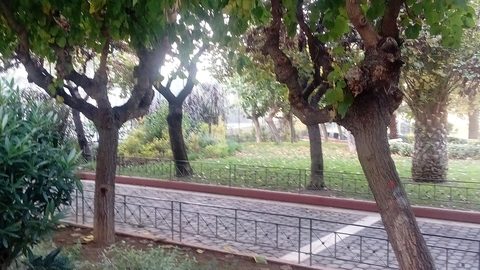 Athens Things to Do Ordered by Whether They Are Worth the Time
Not every Athens sight deserves your limited hours. This guide ranks what to do by the time it takes and what it gives back.
-
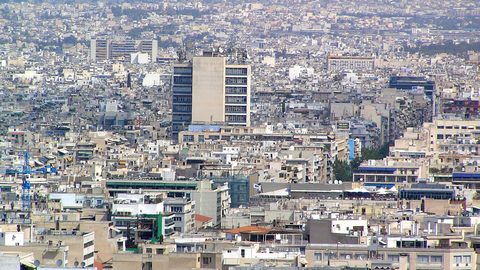 Best Time to Visit Athens and What Each Season Does to It
Athens has two comfortable shoulder seasons, a brutal August, and winter free-entry Sundays. Here's what each season does to the city.
-
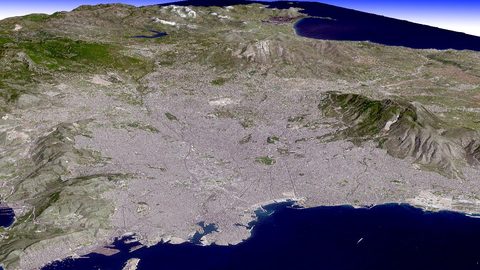 Getting Around Athens Without Wasting Half Your Trip
Athens has a good metro but late nights, marble streets, and taxi habits can trip you up. Here's how to get around without friction.
-
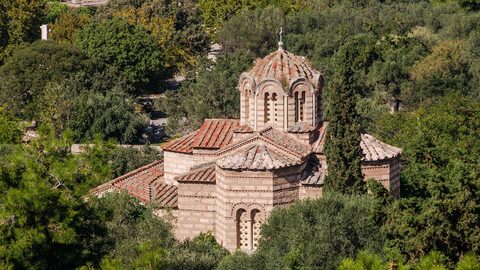 Acropolis
How to visit the Acropolis and Parthenon in Athens without queueing twice, including the timed-entry system, the south slope entrance, and the marble terrain.
-
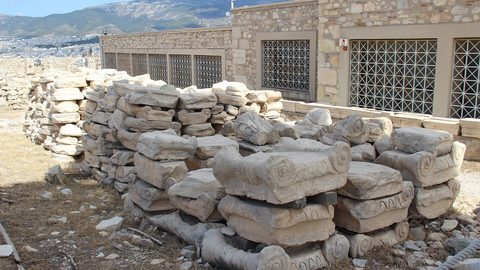 Acropolis Museum
Whether the Acropolis Museum in Athens is worth the time, how to visit without queueing twice, and how to sequence it with the Acropolis itself.
-
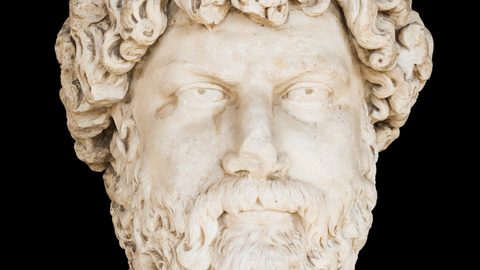 Ancient Agora
What the Ancient Agora in Athens is, whether it is worth your time, and how to visit the Hephaisteion and Stoa of Attalos without rushing.