How to Spend Two or Three Days in Athens: An Itinerary That Works
How to spend two or three days in Athens: a realistic itinerary that sequences the Acropolis, museums, and neighbourhoods around heat and queues.
How to Spend Two or Three Days in Athens: an Itinerary That Works
Most visitors try to see the Acropolis and the Acropolis Museum back to back on the same morning without timed entry tickets. That single mistake wastes hours queuing in direct sun and leaves you too depleted for the rest of the day. This itinerary fixes the sequencing. It arranges each day around the heat, the queues, and the physical toll of walking on marble at 38°C. The route works for a 2 day plan or expands to 3 days. Every instruction carries a time, a cost, or a distance so you can execute it without guesswork.
Why This Athens Itinerary 3 Days Structure Works
Athens is denser and louder than most European capitals. The municipality packs 637,798 residents into 38.96 km², and the urban area holds over 3 million people. Marble paving turns slick when wet. Pavements narrow without warning. Midday heat radiates off concrete hard enough to cancel an afternoon. The route respects these conditions by splitting sightseeing into morning and late afternoon blocks, leaving 13:00 to 17:00 for lunch, an air conditioned museum, or a siesta. It uses the Metro and walking distances measured in metres, not guesses.
The Acropolis summit sits at 156 m elevation. Philopappos Hill, where the best photo angle lives, is a 1 km walk from the ancient citadel. Lycabettus Hill, at 277 m, demands either a funicular from Aristippou Street or a steep 45 minute climb. Metro Line 3 connects the airport to Syntagma in 40 minutes for €9 one way, or €20 for a 3 day tourist ticket that covers all metro, bus and tram routes. Those numbers are not negotiable; they are the operating reality of the city.
How to Plan an Athens Trip: Before You Arrive
Book Timed Entry Right Now
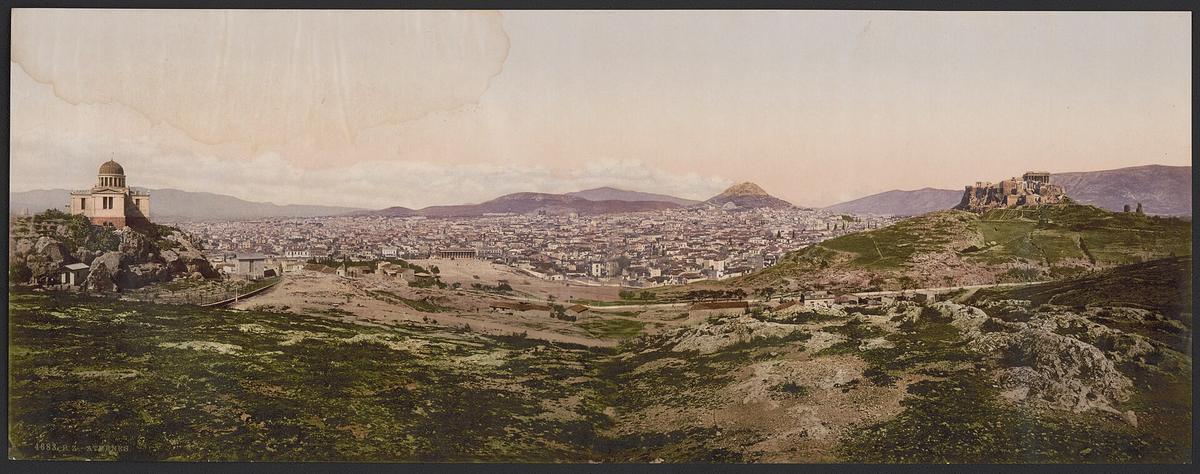
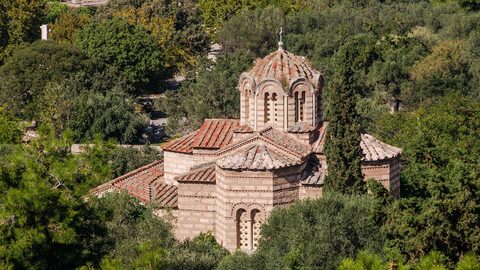
The Acropolis site covers 3 ha with four main monuments: the Parthenon (447-432 BC), the Erechtheion (421-406 BC), the Propylaia (437-432 BC), and the Temple of Athena Nike (427-424 BC). A visit lasts 1.5 to 2.5 hours. Without a timed entry ticket bought at least 48 hours ahead, you queue at the west slope entrance near Dionysiou Areopagitou during peak hours when cruise groups arrive. Buy the general admission ticket from the official website, not a third party bundle. The Acropolis Museum, 300 m from the main entrance, also requires advance booking. Book the museum slot for 11:00 on day one, after you clear the site.
Choose Your Base
Koukaki sits 0.8 km from the ancient citadel, offers quieter residential streets and local cafés, and gives you walking access to the museum and Philopappos Hill without a metro ride. Thissio, 1 km from the Acropolis, is pedestrian friendly with direct views and café lined streets. Plaka, 0.5 km from the Acropolis, is tourist dense and the most expensive accommodation zone. If you need late night metro access, stay within 1 km of a Line 2 or Line 3 station because service stops around midnight on weekdays.
Pack for the Friction
Marble becomes dangerously slippery when wet. Pavements are narrow, broken, or blocked by parked motorbikes and café tables. Bring shoes with rubber soles, a refillable bottle, sunblock, and a hat. The city has free municipal Wi-Fi in Syntagma and Monastiraki, but it is slow and patchy. Buy a local SIM from Cosmote, Vodafone, or Nova at the airport, or install an eSIM before you leave. Google Maps works for transit but some small streets are mislabelled; use the printed Metro map as your backup.
Day 1: the Acropolis and Its Immediate Neighbours
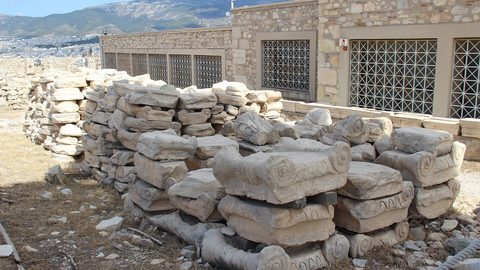
Arrive at the west slope entrance by 08:00. Entry opens at 08:00 in peak season, April through October. The site fills rapidly after 09:30. Spend 1.5 to 2 hours on the hill. Descend via the southeast slope, a 300 m walk, to the Acropolis Museum for your 11:00 slot. The Parthenon Gallery on Level 3 is the museum's centrepiece. Allow 1.5 to 2 hours inside.
Walk 0.7 km from the museum to the Temple of Olympian Zeus. The site has 15 surviving columns from an original 104. Give it 20 to 30 minutes. Continue 0.2 km to Hadrian's Arch, which requires no ticket. From there, walk 0.7 km to Monastiraki Square for lunch at O Thanasis, for souvlaki, or Krinos, for loukoumades.
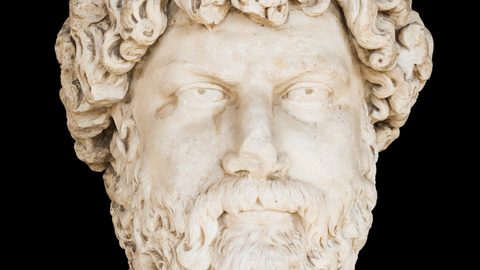
Rest during the midday heat window, 13:30 to 17:00. Return at 17:00 for the Ancient Agora, 0.4 km from Monastiraki. The site covers 12 ha with the Temple of Hephaestus (449-415 BC) and the Stoa of Attalos, reconstructed in 1956 and now the Museum of the Ancient Agora. Allow 1 to 1.5 hours. Walk 0.3 km to the Roman Agora and Tower of the Winds. Give that 30 to 45 minutes. It dates to the 1st century BC. End the day with late night meze in Psyrri, 1 km from the Acropolis, after 22:00. Psyrri tavernas serve small plates with ouzo or tsipouro. This is the local dinner hour.
Day 2: Museums, the Agora, and a View
Start at the National Archaeological Museum, 2.2 km from Syntagma and 0.5 km from Victoria metro station. The museum holds 11,000 exhibits in a building completed in 1889. Plan 2 to 3 hours. Enter by 08:30 when it opens. The collection covers Mycenaean gold, the Antikythera mechanism, and the bronze Artemision Zeus. Skip the cafe. The museum is 1 km from Omonia where good bakeries serve bougatsa.
Take the Metro from Victoria to Monastiraki on Line 1, two stops. Walk 0.5 km from the Roman Agora to the Ancient Agora. Yes, you covered the Agora in the afternoon on Day 1. This morning visit is for readers on a 3 day plan who want to see the site with morning light and fewer people. If you only have 2 days, replace this with the Benaki Museum of Greek Culture in Kolonaki, 1 km from Syntagma, or the Museum of Cycladic Art, 2 km from the Acropolis.
Eat lunch in Monastiraki or Thissio, 0.8 km from the Ancient Agora. Thissio's pedestrianised Apostolou Pavlou street has cafés with direct Acropolis views. Use the 13:00 to 17:00 break to rest or visit the Museum of Cycladic Art, which has air conditioning and superb prehistoric figurines. Return at 17:00 for the walk up Philopappos Hill, 1 km from the Acropolis. The summit monument dates to 114-116 AD. This is the free viewpoint that gives the best Acropolis photo angle without the ticket price of Lycabettus. Dinner in Koukaki, 0.8 km from the Acropolis, with local tavernas and good value, or Pangrati, 2 km from the Acropolis, near the Panathenaic Stadium.
Day 3: the Extended Athens Itinerary 3 Days
Use this day for the sites that fall outside the 1.5 km central walkable core. The Panathenaic Stadium, 1.5 km from Syntagma, all marble, reconstructed in 1896, seating 45,000, opens at 08:00. Spend 30 to 45 minutes. Walk 0.4 km into Pangrati for coffee and koulouri from a street vendor. From Pangrati, walk 1.5 km to the Byzantine and Christian Museum near the National Garden. This museum is underrated, serene, and excellent for icons. Allow 1 hour.
Walk through the National Garden, 15.5 ha, founded in 1839, taking 30 to 60 minutes, toward Syntagma Square. The Hellenic Parliament building, originally the Royal Palace from 1836 to 1843, hosts the Evzones guard change hourly. The ceremonial version happens at 11:00 on Sunday. Budget 10 minutes to watch.
After the midday break, choose one option. Option A: Kerameikos Cemetery, 1.1 km from the Acropolis, 45 minutes to 1 hour, quiet, ancient burial ground and city walls. Option B: Lycabettus Hill, 2.3 km from the Acropolis, funicular from Aristippou Street, a 3 minute ride every 10 to 15 minutes, summit at 277 m with the Chapel of St George and a restaurant. Option C: Hadrian's Library, 0.3 km from Monastiraki, 20 to 30 minutes, a Roman library ruin from 132 AD. Dinner in Psyrri or Metaxourgeio. Taxi back to your accommodation; metro service ends around midnight.


What Goes Wrong Most Often
Visitors book the Acropolis for 08:00 but the Acropolis Museum for 13:00. They spend three hours on the hill because they stop at every viewpoint, then arrive at the museum dehydrated and tired, and either rush the collection or skip the Parthenon Gallery entirely. Separate the two visits by at least 48 hours, or at minimum by a 90 minute rest in an air conditioned cafe between them.
The other common failure is the evening meal. Many tourists eat at 19:00 in Plaka, where restaurants serve average food at premium prices with live music you did not ask for. Real Athens dining happens after 22:00 in Psyrri or Pangrati. Late night meze in Psyrri runs from 22:00 to 01:00. Taxis after midnight must be flagged on the street or called. Ride hailing apps work but surge pricing applies.
When Not to Use This Athens Itinerary
This plan does not work in mid July through August, when heat routinely exceeds 38°C, many local restaurants close for summer holidays, and the city feels emptied of Athenians. It also fails during Orthodox Easter weekend, when museum hours shift and crowds spike around the Acropolis. The avoid window also applies to anyone with significant mobility limitations. The slopes to the Acropolis, the uneven marble at the Ancient Agora, and the steps at every museum make wheelchair and stroller routes difficult. If you fall into that group, skip the Acropolis hill and visit the Acropolis Museum, with its accessible lift, smooth floors and clear route, and the Panathenaic Stadium, with ramp access, instead.
Common Questions
Can I skip the Acropolis Museum and still have a good trip?
Yes, if you are pressed for time or hate museums. Replace it with a longer walk through the Ancient Agora and a sunset at Philopappos Hill. But the museum holds the original Parthenon marbles in a climate controlled building, and its glass floor shows the Makrygianni archaeological excavation beneath. For a 2 day visit, keep it. For a 3 day visit, the trade off is your one museum slot.
What happens if I arrive at the Acropolis after 09:30?
You join the queue at the west slope entrance. Expect 30 to 60 minutes of waiting in direct sun. The site is crowded until 12:00. Cruise groups arrive between 09:30 and 11:00. If you cannot arrive before 09:30, book the 16:00 entry slot and accept that summer heat will still be intense at 16:00. July and August temperatures regularly exceed 38°C.
Is one day enough for Athens?
No. The research states that minimum days is 3 full days, with 4 to 5 being more comfortable. One day lets you see the Acropolis and one museum and walk through Plaka. You miss the Agora, the National Archaeological Museum, Philopappos Hill, and any neighbourhood exploration. If you have only one day, skip the midday break, eat a standing souvlaki, and choose only the Acropolis and the Acropolis Museum.
Should I buy the combined ticket for multiple sites?
The combined ticket covers the Acropolis, Ancient Agora, Roman Agora, Hadrian's Library, Kerameikos, Temple of Olympian Zeus, and the Aristotle School. It costs more upfront but saves money if you visit four or more sites. Do not buy it from a third party. Buy it at the first site you enter. The ticket is valid for 5 days. The failure case: if you lose it, you pay full price again.
How do I handle the heat in July and August?
Do not sightsee between 13:00 and 17:00. Use that block for air conditioned museums, lunch in a shaded taverna, or a siesta. Drink 1 litre of water per hour of walking. Refill at public fountains in Plaka and Monastiraki. The Metaxourgeio and Monastiraki squares have free municipal water points. Acclimate for one day before attempting a full site day.
Read next
-
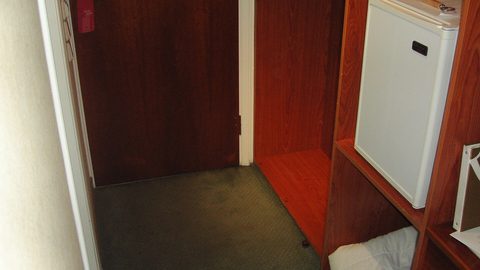
 Athens Hotels by Price Band and What Each Band Actually Gets You
Athens hotel prices rise sharply with Acropolis views and rooftop access. Here's what each price band actually delivers.
-
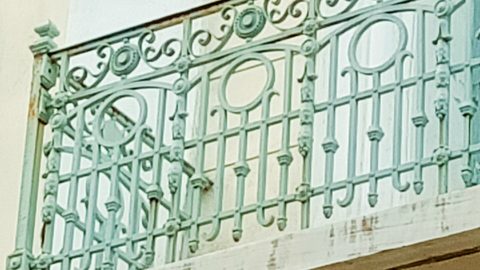 Where to Stay in Athens and What Each District Costs You
The district you choose in Athens changes everything about your trip. Compare Plaka, Monastiraki, Koukaki, and the rest by trade-off.
-
 Athens Flights, Flying Into ATH and Getting Out of the Airport
Flying into Athens: what to expect at ATH, and how to get from the airport to Syntagma, Monastiraki, or Piraeus.
-
 Athens Things to Do Ordered by Whether They Are Worth the Time
Not every Athens sight deserves your limited hours. This guide ranks what to do by the time it takes and what it gives back.
-
 Best Time to Visit Athens and What Each Season Does to It
Athens has two comfortable shoulder seasons, a brutal August, and winter free-entry Sundays. Here's what each season does to the city.
-
 Getting Around Athens Without Wasting Half Your Trip
Athens has a good metro but late nights, marble streets, and taxi habits can trip you up. Here's how to get around without friction.
-
 Acropolis
How to visit the Acropolis and Parthenon in Athens without queueing twice, including the timed-entry system, the south slope entrance, and the marble terrain.
-
 Acropolis Museum
Whether the Acropolis Museum in Athens is worth the time, how to visit without queueing twice, and how to sequence it with the Acropolis itself.
-
 Ancient Agora
What the Ancient Agora in Athens is, whether it is worth your time, and how to visit the Hephaisteion and Stoa of Attalos without rushing.