The Best Time to Visit Athens and What Each Season Does to It
Athens has two comfortable shoulder seasons, a brutal August, and winter free-entry Sundays. Here's what each season does to the city.
The Best Time to Visit Athens and What Each Season Does to it
The best time to visit Athens is during the two shoulder seasons: April to June and September to October. These windows balance weather around 24 30°C, manageable crowds, and the full energy of the city open for business. Outside those months you trade one thing for another. July and August trade tolerable heat for brutal heat and empty streets as Athenians flee. December through February trades sightseeing comfort for near empty sites and the risk of rain. Match the trade off to your own limits.
Athens Weather by Season: What the Numbers Actually Mean
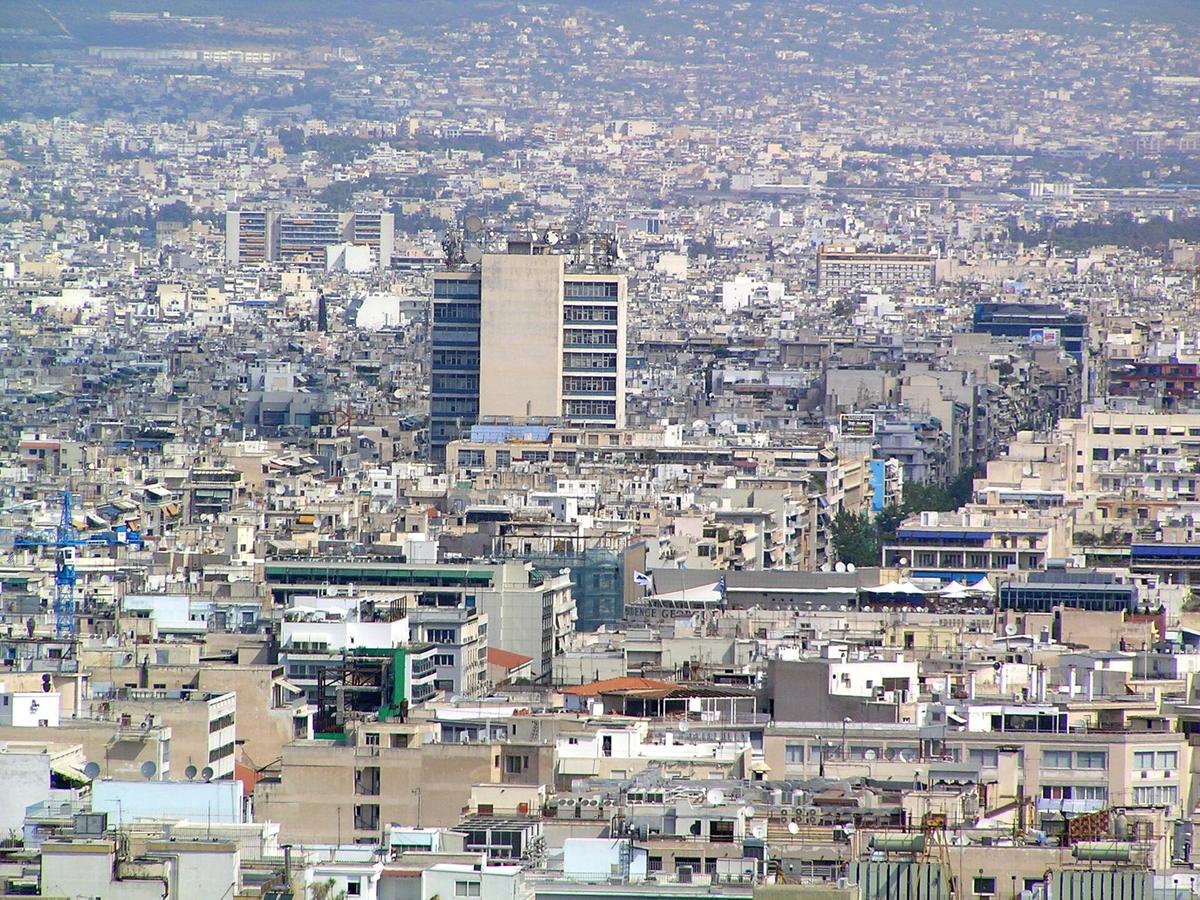
Athens has a Mediterranean climate with hot, dry summers and mild, wetter winters. The coolest months are January and February, with typical highs of 12 to 15°C and lows of 5 to 8°C. The wettest months run from November through February, and you should expect grey days and short, heavy rain. The typical summer high range from June to August is 33 to 38°C, and in July and August the heat is a physical obstacle, not a mild inconvenience. Humidity stays low in summer, but the sun blasts off marble and concrete surfaces. The stone streets of Plaka and the ancient citadel hill become dangerously slippery when wet in winter. Daylight hours run from about 14.5 hours in June to 9.5 hours in December. The sunset in summer is roughly 20:30, giving you an evening window for the ancient citadel or Lycabettus Hill without the midday sun.

When to Visit Athens: the Shoulder Season Windows
April to June
Spring flowers are brief and irrelevant. What matters is that April through June delivers temperatures from the low 20s to the low 30s, long days, and the start of the Athens Epidaurus Festival venues in June. Orthodox Easter usually falls in April or May and is a week to avoid: museums and sites shift hours, and crowds spike around processions. March 25 (Independence Day) and Clean Monday (kite flying and picnics) are local holidays that close some sites. Cruise crowds start in earnest in May. Book timed entry for the ancient citadel at least three days ahead in June.
September to October
September starts hot but the meltemi wind from the Aegean can knock the edge off the afternoon heat. By October the highs drop to the mid 20s, and the summer crowds thin. October 28 (Ohi Day) brings parades and some closures. Beach clubs and coastal venues close by late September, and open air cinemas run roughly through October. The Athens City Festival and European Heritage Days free entry weekend occur in this window. Hotel rates drop from their July peak around mid September. You can still swim in the sea through late September, and the ferry routes to Aegina and Hydra run year round, though frequency drops in November.
Athens in August: the Brutal Heat Window
Mid July through August is the period most visitors should skip. The typical summer high range pushes past 38°C. The city empties out: many local restaurants, bakeries, and family run shops close for the August 15 holiday week, and the streets that stay open are full of overheated tourists and cruise crowds. Some museums extend evening hours in summer to escape the heat, but the day trade off is poor. The August full moon brings special evening openings at sites like the ancient citadel and the Temple of Olympian Zeus, and those events are good. The rest of the month is a case for going elsewhere. If you must visit Athens in August, base yourself in Koukaki or Kolonaki for air conditioning, walk before 09:00 and after 19:00, and budget for midday rests in museums.
| Month Window | Weather | Crowds | Local Life | Key Events |
|---|---|---|---|---|
| April to June | 22 32°C, dry, long days | Moderate to high, rising through May | Full, lively, Easter closures possible | Athens Epidaurus Festival (June) |
| July to August | 33 38°C, dry, punishing noon sun | High tourist, low Athenian | Emptied, many closures mid August | August full moon openings |
| September to October | 24 30°C, warm, meltemi wind | Moderate, dropping by late September | Full, normal operations resume | Athens City Festival, Ohi Day |
| November to February | 12 15°C, rain risk, short days | Low, sites uncrowded | Quiet, normal operations | Christmas markets, Epiphany |
| March | 15 18°C, rain possible | Low to moderate | Resuming after winter | Independence Day, Clean Monday |
Athens Shoulder Season: the Two Windows That Work Best
The two shoulder seasons are April to June and September to October. In these months you get the best combination of weather, daylight, open local businesses, and cultural events. The Athens Epidaurus Festival runs June through August, so you catch the beginning of it in June and the end of it in September. The sea swimming season runs late May to early October, so the shoulder windows bookend it. In both windows you need to pre book entry to the ancient citadel and dinner reservations for rooftop dining, but you do not need to queue in the heat. The free entry Sunday program runs in winter months, so you miss that if you come in the shoulder season, but you gain the ability to walk the city between 09:00 and 20:00 without collapse.

Winter in Athens: Free Entry and Quiet Sites
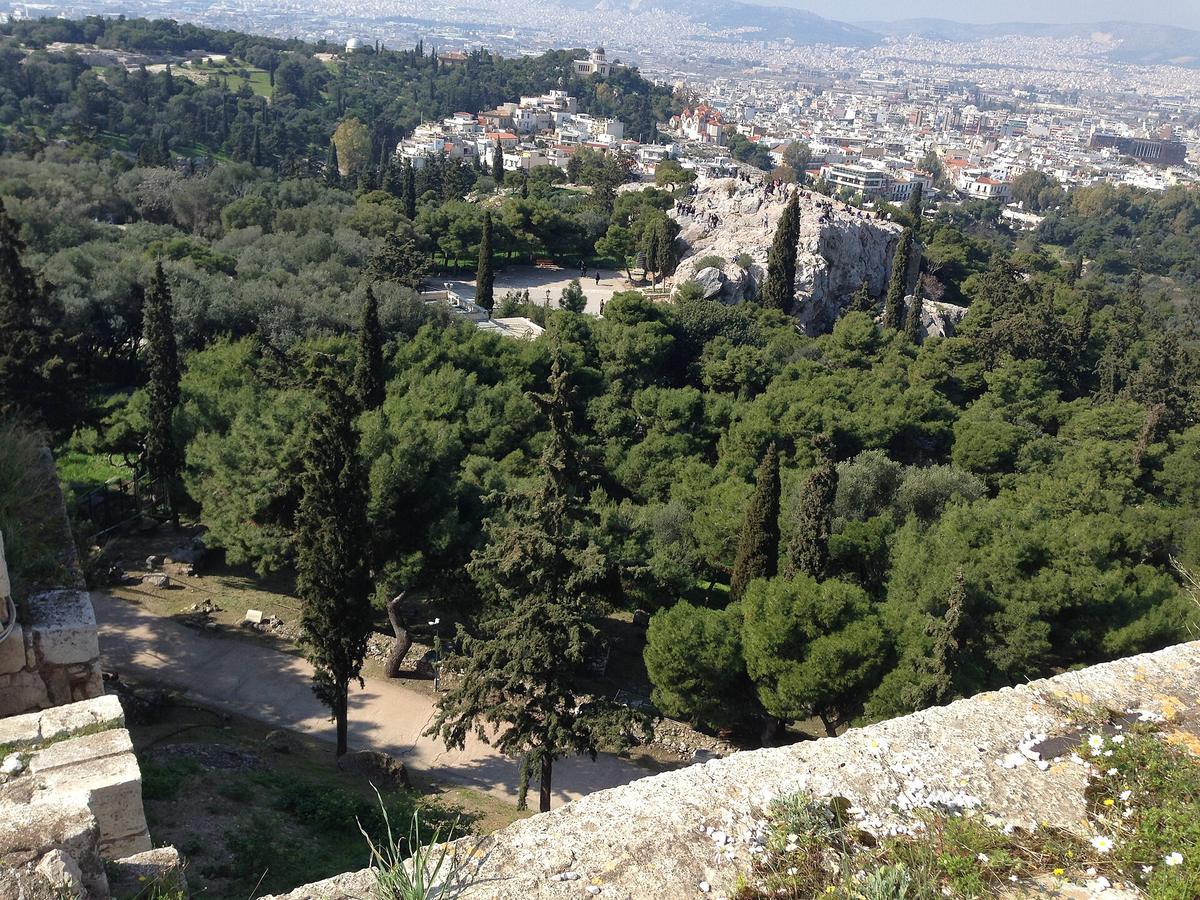
From November through February, Athens is quiet, cool, and cheap. The typical winter high range is 12 to 15°C, and the wet months mean carry an umbrella. The free entry Sunday program runs in this period, letting you into state run museums and sites without a ticket. January and February pull the lowest visitor numbers of the year. The Panathenaic Stadium and the Benaki Museum of Greek Culture are indoor options that work well in rain. The Athens Marathon, The Authentic, happens in November and is a week to avoid for hotel availability and street closures. Christmas markets decorate Syntagma Square, and the Epiphany blessing of the waters on January 6 is a local spectacle. The main risk in winter is not cold but rain that makes marble streets dangerously slippery and cuts daylight to around 10 hours.
Local Closures That Change a Trip
Three periods disrupt normal operations. First, Orthodox Holy Week and Easter week shift museum hours and fill the city with religious processions. Second, the week around August 15 empties the city as Athenians take their own holidays: many local restaurants and shops in Pangrati and Psyrri close, and what is open is priced for tourists. Third, the Athens Marathon weekend in November closes central roads and fills hotels near Syntagma and the Panathenaic Stadium. Outside these windows, the main closure pattern in winter is reduced hours at outdoor archaeological sites like the Ancient Agora and Kerameikos Cemetery. The free entry Sunday program is the main compensating advantage of winter. If you want a city that feels alive, aim for the shoulder season when both tourists and locals are present.
Free Entry Sundays: the Winter Trick
From November 1 to March 31, many state run archaeological sites and museums offer free entry on the first Sunday of each month. This includes the ancient citadel, the Acropolis Museum, the National Archaeological Museum, and the Ancient Agora. The catch is that these days draw long queues, and the free entry does not apply to timed entry slots for the ancient citadel, so you wait in line. If you want to use the free Sunday, arrive at the ancient citadel by 08:00 and be prepared for a 45 minute wait. For the museum, arrive 15 minutes before opening at 08:30. The free entry program does not cover the Museum of Cycladic Art or the Benaki Museum, which are private foundations.
The Common Mistake Readers Actually Make
The single most frequent error is trying to visit the ancient citadel and the Acropolis Museum back to back on the same morning in summer without pre booked tickets. The ancient citadel opens at 08:00. A visit takes 90 minutes to two hours in direct sun on marble steps. The Acropolis Museum opens at 08:30 and is a 10 minute walk downhill. Doing both before noon means you are on the hill at 09:00 when the heat is already rising, and at the museum by 10:30 when your energy is gone. Break them across two days. Visit the ancient citadel at 08:00 with a pre booked timed entry ticket from the Hellenic Organization of Cultural Resources Development. Do the museum the same afternoon after a lunch break, or the next morning. If you try to combine them in August, expect to be queuing at midday with no shade.
Who Athens is for and Who Should Look Elsewhere
Athens is a dense, sun scoured, chaotic city where 2,500 year old ruins sit hard against concrete apartment blocks, graffiti, and traffic. The marble streets are slick when wet, the pavement is broken or blocked by motorbikes, and the summer heat radiates off every surface. The reward is a raw, lived in energy, superb cheap food from souvlaki wraps to revithia, and the strange intimacy of walking through history on an ordinary city block. This suits history focused travellers who want depth over polish, solo explorers comfortable with urban grit, food driven visitors on a mid range budget, and night owls who eat late and bar hop in Psyrri. It does not suit travellers seeking a relaxing, green, or pristine European capital, those with significant mobility limitations due to slopes and uneven marble, visitors who dislike heat, crowds, or visible urban decay, or families wanting easy stroller routes and quiet parks. Minimum three full days covers the ancient citadel, the Agora, one museum, and two neighbourhoods. Four or five days is more comfortable and lets you add a day trip by hydrofoil to Aegina or Hydra.
Common Questions
When are the cheapest months to fly to Athens?
January and February are the lowest visitor months and the cheapest for flights and hotels. The trade off is weather: typical highs of 12 to 15°C and rain. Many outdoor archaeological sites reduce hours in winter, and island ferry routes run less frequently from November through March.
Is Athens too hot in September?
September is one of the best months. The first week can still hit the high 30s, but the meltemi wind often moderates it. By the second week the temperature drops to the high 20s. Cruise crowds thin out after the first week, and restaurants and shops are fully open after the August lull.
When does the Athens Epidaurus Festival happen?
Venues are active roughly June through August. The festival includes ancient drama at the Odeon of Herodes Atticus on the slope of the ancient citadel and at the ancient theatre of Epidaurus. Check the Hellenic Organization of Cultural Resources Development for the 2026 schedule.
What happens if I visit Athens during Orthodox Easter?
Orthodox Holy Week and Easter week are times to avoid for typical sightseeing. Museums and archaeological sites shift hours and some close entirely. Processions and services run through the streets, drawing large crowds. Book far ahead if you want to attend for religious or cultural reasons.
Are museums open on Mondays in Athens?
Major museums including the Acropolis Museum and the National Archaeological Museum are closed on Mondays. The Ancient Agora and the Roman Agora remain open. Check the official Ministry of Culture and Sports listings before you plan your week.
Read next
-

 Athens Hotels by Price Band and What Each Band Actually Gets You
Athens hotel prices rise sharply with Acropolis views and rooftop access. Here's what each price band actually delivers.
-
 Where to Stay in Athens and What Each District Costs You
The district you choose in Athens changes everything about your trip. Compare Plaka, Monastiraki, Koukaki, and the rest by trade-off.
-
 Athens Flights, Flying Into ATH and Getting Out of the Airport
Flying into Athens: what to expect at ATH, and how to get from the airport to Syntagma, Monastiraki, or Piraeus.
-
 Athens Things to Do Ordered by Whether They Are Worth the Time
Not every Athens sight deserves your limited hours. This guide ranks what to do by the time it takes and what it gives back.
-
 Getting Around Athens Without Wasting Half Your Trip
Athens has a good metro but late nights, marble streets, and taxi habits can trip you up. Here's how to get around without friction.
-
 Athens Itinerary, How to Spend Two or Three Days in Athens
How to spend two or three days in Athens: a realistic itinerary that sequences the Acropolis, museums, and neighbourhoods around heat and queues.
-
 Acropolis
How to visit the Acropolis and Parthenon in Athens without queueing twice, including the timed-entry system, the south slope entrance, and the marble terrain.
-
 Acropolis Museum
Whether the Acropolis Museum in Athens is worth the time, how to visit without queueing twice, and how to sequence it with the Acropolis itself.
-
 Ancient Agora
What the Ancient Agora in Athens is, whether it is worth your time, and how to visit the Hephaisteion and Stoa of Attalos without rushing.