The Planning Errors That Cost Visitors a Full Day in Athens
The planning errors that cost a day in Athens, from underestimating distance to booking the wrong station.

The Planning Errors That Cost Visitors a Full Day in Athens
You book the Acropolis and the Acropolis Museum back-to-back on a July morning, show up without timed-entry tickets, and spend three hours queueing in 38°C heat on slippery marble with no shade and no water fountain. That sequence alone burns a full day. The most common Athens planning errors each cost you hours you cannot get back: the summit-and-museum double-header in peak heat, the distance between the two KTEL bus stations for day trips, and failing to validate an Ath.ena card. Here is how to sidestep every one of them.
Athens Common Mistakes: the Acropolis and Acropolis Museum Back-to-Back
The summit has no tree cover and no drinking water. The marble paths, polished smooth by millions of feet, become dangerously slippery when coated with summer dust or a sudden rain. In July and August, daily highs sit at 33-38°C, and heatwaves push past 40°C. The busiest hours are 10:00-14:00, exactly when cruise-ship crowds fill the site. Queue length for walk-up entry in those hours regularly stretches past 60 minutes.
Book Timed Entry and Split the Sites
Acropolis timed entry is mandatory in high season, April through October, and optional in winter. Book the earliest slot, ideally 08:00. The Acropolis Museum, located at Akropoli station on Metro Line 2, opens later and is closed on Mondays. Do not visit both on the same morning. See the Acropolis at opening, then take lunch in Plaka or Monastiraki, and visit the museum the next day or late afternoon. The museum is air-conditioned, modern, and glass-floored over excavated ruins; it rewards a slow visit. Rushing it after three hours on the hill guarantees exhaustion and a skipped gallery.
Use the Combined Ticket Correctly
The combined ticket covers the Acropolis, Ancient Agora, Roman Agora, Hadrian's Library, Kerameikos, Aristotle's Lyceum, and the Temple of Olympian Zeus. It runs five days from first use. Visit the Agora in the cooler late afternoon, Kerameikos on a quiet morning, and the museum on a separate day. Do not try to compress the combined-ticket sites into one day in summer heat. Budget three days minimum for central Athens. Four or five is more comfortable.
Acropolis Booking Mistake: Walking Up Without a Reservation
The booking mistake that wastes the most time is arriving at the west entrance without a pre-booked timed-entry ticket in high season. The site sells out on many summer days by 10:00. If you queue for a walk-up ticket and it is sold out, you have lost the morning and the chance to see it in the quietest hours: opening time and late afternoon before closing. Summer entry requires timed slots. Winter has no timed slots and direct entry.
What To Do If It Is Sold Out
If the Acropolis is sold out for the day, you have options. Walk up Philopappos Hill, free and open at all hours, for the best photo angle from 147 metres above sea level. Visit the Ancient Agora on Adrianou Street, the Roman Agora near Monastiraki, or the Kerameikos Cemetery on Ermou Street. All are quieter, cooler, and covered by the combined ticket you should buy anyway. Then book your Acropolis slot for the next available morning.
Athens Metro Mistake: the Ath.ena Card Validation Trap
The most common metro mistake is buying a 3-day tourist ticket at the airport, boarding the train, and getting fined because you did not validate it. Validation machines sit at the entry gates and on platforms before boarding. Tap your Ath.ena card or paper ticket against the validator. A green light and a beep mean it is active. No validation means no valid ticket. Inspectors run random checks on Lines 1, 2, and 3.
Which Ticket To Buy
Metro Line 3 runs from Athens International Airport railway station to Syntagma in about 40 minutes, every 30 minutes. The one-way airport metro ticket is €9 and is not covered by the standard 90-minute city ticket. A 3-day tourist ticket costs €20 and covers all urban metro, bus, trolleybus, and tram, but not airport services. You need a separate airport ticket for the ride from the airport to Syntagma or Monastiraki. The 5-day transit ticket covers urban services only. Contactless payment works on Lines 2 and 3 entry gates and on urban buses; rollout on Line 1 varies, so carry a ticket as backup.
Metro Hours And Late-Night Returns
Metro service runs roughly 05:30 to 00:00, extended to about 02:00 on Friday and Saturday nights. After the last metro, taxis are your only option for returning from Psyrri, Monastiraki, or Exarchia. Yellow taxis must use the meter within the city. Insist on it. The minimum charge is set by the state and is higher at night. Do not accept a flat fare for a short central ride.
Athens Heat Mistake: Midday Sightseeing in Summer
The heat mistake is planning outdoor sightseeing between 11:00 and 16:00 from June through September. Marble and concrete radiate stored heat; pavements are narrow, broken, and often blocked by parked motorbikes and café tables. There is minimal shade at the Acropolis, Lycabettus Hill, and the Ancient Agora. The National Archaeological Museum on Patission Street is an air-conditioned break. Nearest metro is Victoria or Omonia, a 10-15 minute walk. The Museum of Cycladic Art, the Benaki Museum of Greek Culture, and the Byzantine and Christian Museum all offer cool galleries and excellent collections.
Schedule By Temperature
Visit outdoor sites at 08:00 opening. Retreat indoors or to a shaded rooftop meze in Psyrri for lunch. Return outdoors after 17:00. Philopappos Hill, the pedestrianised Dionysiou Areopagitou walk, and Apostolou Pavlou in Thissio are pleasant in late afternoon. Dinner kitchens open 19:00-23:00, later in summer. Eat late, walk late, and save the midday hours for museums, shopping on Ermou, or a long coffee in Koukaki.
The KTEL Bus Station Distance: a Day-Trip Time Sink
Day trips from Athens use two separate KTEL bus terminals, and they are not close to each other. KTEL Liosion serves Delphi and northern destinations. KTEL Pedion tou Areos serves Cape Sounion and the Temple of Poseidon. The walking distance between them is roughly 3 kilometres through Omonia, a district with higher street crime reports after dark, and there is no direct metro link. Underestimating this transfer costs you an hour of wandering in 35°C heat.
Which Terminal For Which Trip
Cape Sounion: bus from KTEL Pedion tou Areos, journey about 1 hour 45 minutes, sunset classic. Delphi: bus from KTEL Liosion, about 2 hours 30 minutes, long but doable as a day trip. Kifisos Intercity Bus Station, 3 km northwest of Omonia, has no metro station adjacent; take the X93 bus from the airport or a taxi from the centre. Do not confuse the terminals. Confirm your departure point the night before, budget 20 minutes extra for traffic, and arrive at the terminal 15 minutes before departure.
Piraeus Port and the Cruise Crowd
Cruise-ship crowds peak April through June and September through October. Piraeus port terminals A, B, and C span roughly 1.5 km along the port road. Gate E11/E12 to Piraeus metro station is about 1 km on foot. Metro Line 1 runs direct from Piraeus to Monastiraki in 20-25 minutes. If you arrive on a cruise, do not buy a same-day walk-up Acropolis ticket. It will be sold out. Book your timed entry before you dock, and visit the museum or Ancient Agora instead of queuing at the Acropolis.
The One Thing That Most Often Goes Wrong
Every failure listed here is avoidable with a single piece of advance work: timed entry for the Acropolis, validation for your transit card, and a confirmed bus terminal for day trips. The one thing that most often goes wrong in Athens is not the heat, the crowds, or the marble. It is assuming you can walk up and buy a ticket on the day. You cannot in summer. Book it before your flight lands, and your full day stays yours.
Read next
-
 Athens Hotels by Price Band and What Each Band Actually Gets You
Athens hotel prices rise sharply with Acropolis views and rooftop access. Here's what each price band actually delivers.
-
 Where to Stay in Athens and What Each District Costs You
The district you choose in Athens changes everything about your trip. Compare Plaka, Monastiraki, Koukaki, and the rest by trade-off.
-
 Athens Flights, Flying Into ATH and Getting Out of the Airport
Flying into Athens: what to expect at ATH, and how to get from the airport to Syntagma, Monastiraki, or Piraeus.
-
 Athens Things to Do Ordered by Whether They Are Worth the Time
Not every Athens sight deserves your limited hours. This guide ranks what to do by the time it takes and what it gives back.
-
 Best Time to Visit Athens and What Each Season Does to It
Athens has two comfortable shoulder seasons, a brutal August, and winter free-entry Sundays. Here's what each season does to the city.
-
 Getting Around Athens Without Wasting Half Your Trip
Athens has a good metro but late nights, marble streets, and taxi habits can trip you up. Here's how to get around without friction.
-
 Acropolis
How to visit the Acropolis and Parthenon in Athens without queueing twice, including the timed-entry system, the south slope entrance, and the marble terrain.
-
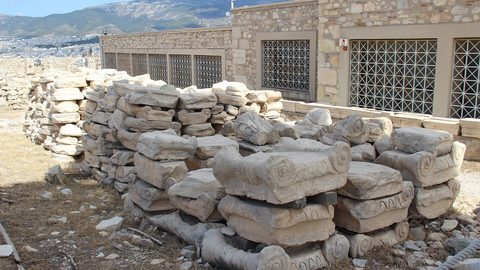 Acropolis Museum
Whether the Acropolis Museum in Athens is worth the time, how to visit without queueing twice, and how to sequence it with the Acropolis itself.
-
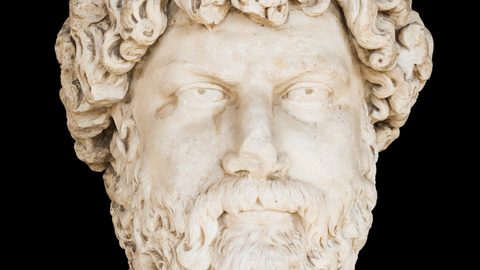 Ancient Agora
What the Ancient Agora in Athens is, whether it is worth your time, and how to visit the Hephaisteion and Stoa of Attalos without rushing.