Athens Shopping: Markets, Streets, and What Is Actually Local
Athens shopping ranges from tourist traps to genuine workshops. Here's where to find what is actually local and worth carrying home.
Skip the souvenir shops on Adrianou Street and walk north instead. The quickest way to separate real Athens shopping from tourist filler is to start at Varvakios Agora, the central meat and fish market on Athinas Street, then work outward through Psyrri craft workshops and Kolonaki galleries. That route delivers what you actually want: olive oil from a shop that sells nothing else, leather sandals made that morning, ceramics fired a few kilometres away. Mass-produced fridge magnets and “I Love Greece” T-shirts are what you avoid. This Athens shopping guide gives you a walkable route, not a list of stores.
Where to Shop in Athens: the Route vs the Districts
Most visitors land in Plaka or Monastiraki and stay there. Those areas have the highest tourist density in Athens, and the merchandise reflects it. Adrianou Street in Plaka and the warren around the Monastiraki flea market are packed with leather goods, ceramics, and worry beads, but much of it is imported or factory-made. The exception is Melissinos Art, a sandal maker with a workshop and store in the old bazaar district. They cut and stitch leather sandals on-site. Arrive before 10:30 and you might see the craftsman working. After 11:00 the queue forms. Bring cash. Most small workshops run on it.
The real local shopping sits on three streets that form a natural loop: Athinas Street for food, Evripidou Street for spices and cheese, and the side streets of Psyrri between Ermou and the market for workshops. From there, walk up to Kolonaki for the design and luxury end, or stay low in Exarcheia for books and vinyl. The route takes about four hours at a steady pace with stops.

Athens Markets Guide: Varvakios Agora and Weekly Street Markets
Varvakios Agora: The Central Market
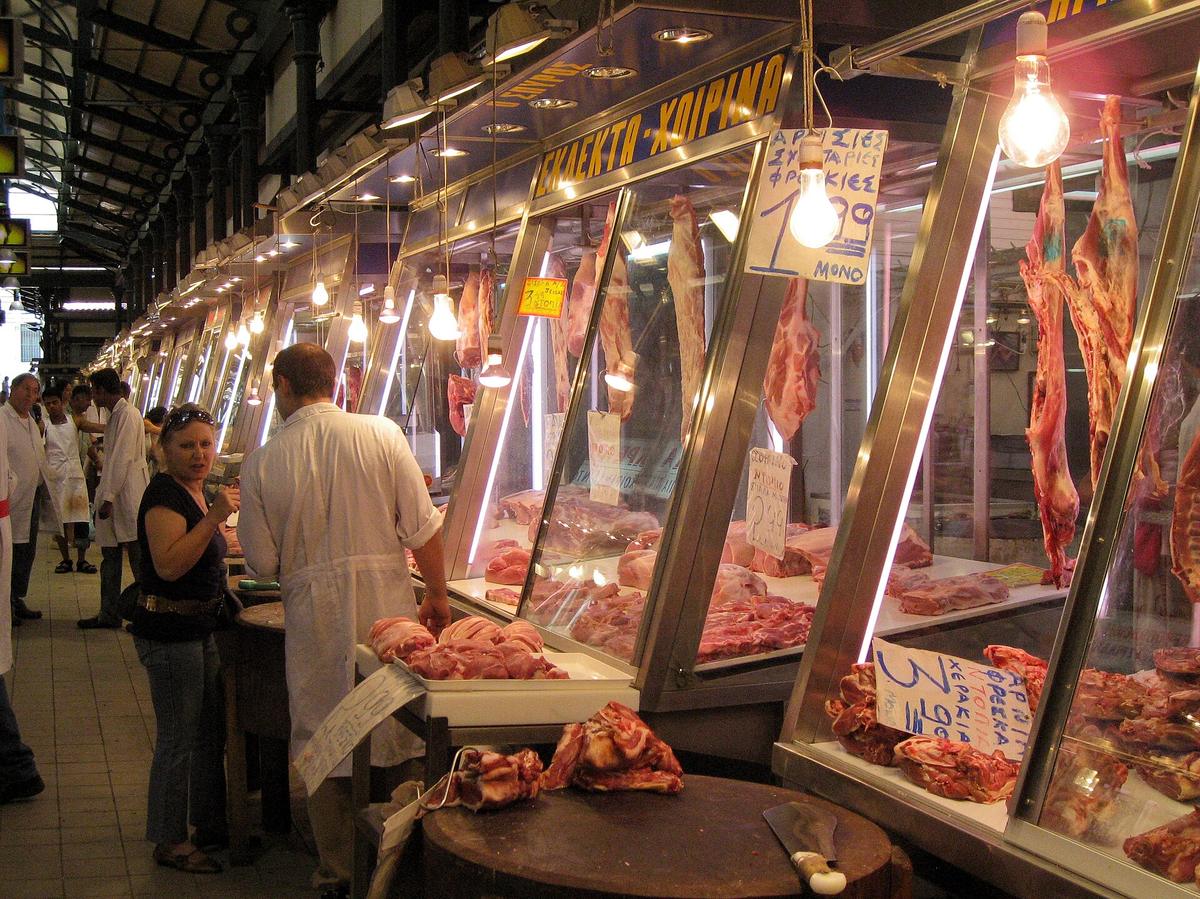
Varvakios Agora is the covered market at the intersection of Athinas and Evripidou streets. It operates daily except Sunday, opening around 07:00 and winding down by 15:00. The fish hall hits its peak stock between 08:00 and 09:30. The meat hall is louder, cleaner than you expect, and runs the same hours. Bring cash, wear shoes you can wipe, and do not bring a large bag, the aisles are tight and wet. On Evripidou Street immediately west, spice merchants, coffee roasters, and cheese shops line both sides. Olive oil and honey merchants cluster on Athinas Street itself, a few doors from the market entrance. Pistachios from Aegina, dried herbs, and spoon sweets are all sold loose by weight. Prices here are roughly half what tourist shops charge for the same jarred product.
Weekly Neighbourhood Markets
Weekly neighbourhood street markets, known as laiki agora, operate on a rotating schedule published annually by the Municipality of Athens. Exarcheia holds its market on Tuesday, Kypseli on Friday, Pagrati on Thursday, and Petralona on Saturday. These markets sell fresh fruit, vegetables, fish, flowers, and household goods. They are aggressively local: vendors call out prices, old women argue over greens, and no English is spoken. Go for the experience and the produce, not for souvenirs. Sunday is the dead shopping day in central commercial streets; Ermou shuts down and most of Kolonaki follows.
Athens Local Products: What is Actually Made in Greece
Real Greek products for home consumption break into three categories: food, leather, and ceramics. Food worth carrying home includes olive oil, olives, honey, herbs, wine, spirits, cheeses, cured meats, and spoon sweets, fruits preserved in syrup. The Athinas and Evripidou street merchants ship home if you ask, but most prefer cash and have no website. Bring a padded bag and buy vacuum-sealed cheese at the market. Leather sandals from Melissinos Art or the smaller workshops in Psyrri are made in Greece. Silver jewellery is made in Psyrri and Monastiraki workshops; look for a stamp that reads 925 and a workshop address, not a brand label. Ceramics and pottery sold on Monastiraki and Psyrri streets come from workshops on the outskirts of Athens and from the island of Sifnos. Woven textiles, worry beads, komboloi, and religious icons from shops on Apollonos Street and Mitropoleos Street area are genuine if the shop displays a workshop or a monastery provenance. If the price is negotiable and the seller has three identical stalls, it is imported. Walk away.
Monastiraki Flea Market Shopping: What to Buy and What to Skip
The flea market at Avissynias Square in Monastiraki is an experience, not a place to spend serious money. It runs Sunday morning strongest, with vendors selling used goods, collectibles, old coins, vinyl records, vintage furniture, and second-hand clothing. The bargaining is expected. Start at half the asking price and settle around 60 percent. The junk is everywhere: plastic toys, broken electronics, fake antiquities. The real finds are in the permanent shops around the square, vintage cameras, mid-century furniture, and old maps. Psyrri, the neighbourhood just west of the bazaar, holds the music and antiques worth a detour. Vinyl shops cluster on the side streets off Ermou. Traditional Greek musical instruments hang in a few specialist shops; the owners restore them and can tell you the region the instrument came from. Do not buy olive oil or honey at the flea market. The bottles sit in direct sun and the quality cannot be verified. Buy those on Athinas Street.
Kolonaki: Designer Shops and the Department Store Alternative
Kolonaki is the shopping district for designer and international luxury brands in Athens. Voukourestiou Street holds watch and jewellery boutiques. The side streets off Kolonaki Square have Greek designers working in leather bags, accessories, and home textiles. Ermou Street, the pedestrian spine from Syntagma to Monastiraki, is the street with the highest concentration of local chain and independent stores. Attica, the main department store chain in Greece, anchors the Ermou strip near Syntagma and carries Korres and Apivita, the two Greek beauty and cosmetics brands with stores in central Athens. Korres sells skincare based on Greek herbs and natural ingredients; Apivita builds its products around bee propolis and honey. Both are sold at significantly lower prices than outside Greece. The winter and summer sales dates are set annually by the Greek Ministry of Development; the 2025 winter sales ran from mid-January to the end of February, and the summer sales from mid-July to late August. If you are in Athens during those windows, buy clothing and cosmetics then. Outside sales periods, the prices on Ermou are ordinary European high-street rates.

Ipitou Street and Psyrri Workshops: Where Local Craftsmen Still Work
Ipitou Street: Small-Batch Ceramics and Silver
Ipitou Street, a quiet lane between Syntagma and Monastiraki, is the place for small-batch ceramics and handmade silver jewellery. The street holds a handful of workshops that have operated for decades. The owners are often the makers. Opening hours are loose: 10:00 to 14:00 and 17:00 to 20:00, with many closed on Monday and Sunday. Knock. In Psyrri, the side streets between Ermou and Evripidou hold leather workers, silversmiths, and ceramicists. These are not retail stores, they are workshops with a front room where stock is sold. You can watch the work happen. The quality is higher and the price about 30 percent lower than identical goods in Plaka. There is no signage in English, no website, and no card machine. Cash only applies without exception.
Where to Find Specific Goods
For books and printed matter, walk to Exarcheia and Stadiou Street area. Exarcheia has independent bookstores, comic shops, and second-hand stalls. Monastiraki and Psyrri hold the best music and vinyl records in the city. For art and contemporary design objects, Metaxourgeio and Kolonaki galleries stock works by living Greek artists. For household goods and hardware, Athinas Street and Evripidou Street cover everything from kitchen knives to coffee machines. For religious items and icons, Apollonos Street and Mitropoleos Street area has multiple specialist shops. For fabric and sewing supplies, Aiolou Street and the surrounding blocks are the place.
Practical Details: Cash, Hours, and What Goes Wrong
Cash and Sunday Closures
Three things trip up visitors: cash, Sunday, and the heat. Most small workshops, weekly markets, and food stalls are cash only. ATMs in central Athens charge a fee of €2 to €4 per withdrawal, and your bank may add another. Withdraw a full day's shopping budget at once from a bank-linked ATM, not a standalone machine in Monastiraki. Sunday is the low foot-traffic day for central commercial streets. Ermou and most of Kolonaki are shuttered. The flea market at Avissynias Square runs Sunday morning, and weekly street markets operate on their scheduled day, but the regular retail corridors are dead.
The Heat and the Most Common Mistake
Mid-July through August is the avoid window: extreme heat regularly exceeds 38°C, many local restaurants and shops close for holidays, and the city feels emptied of Athenians. If you arrive in August, shop before 10:00 and after 18:00. Peak shopping season by foot traffic is late spring and early autumn, when the weather is warm but not brutal and the city is fully open.
The most common failure: buying olive oil at a souvenir shop on Adrianou Street because it looks pretty. The oil inside is often old, blended with non-Greek oils, and priced three times what you pay on Athinas Street. Buy your olive oil and honey from a merchant on Athinas Street or Evripidou Street, taste before you buy, and ask them to seal the bottle for air travel. That is the single thing that most often goes wrong, and the easiest to avoid.
Common Questions
Do shops in Athens close for siesta?
Many smaller shops, workshops, and bakeries close between 14:00 and 17:00, especially in residential neighbourhoods like Koukaki or Pangrati. Central shopping streets like Ermou and Kolonaki stay open through the afternoon. Check opening hours on the shop door.
Can I bargain at shops in Athens?
Bargaining is expected only at the flea market at Avissynias Square and at some antique stalls in Monastiraki. In regular retail shops, markets, and food merchants on Athinas Street, prices are fixed. Do not haggle at Melissinos Art or at any workshop where the maker is present.
How do I ship heavy items like olive oil or ceramics home?
Food merchants on Athinas Street and Evripidou Street often arrange shipping by request. Ask before you pay. For ceramics and larger items, the shop may offer shipping for an extra €10 to €20. Otherwise, take the item to a courier office near Syntagma. Pack items yourself.
Is Monastiraki flea market safe at night?
The area is busy with tourists and street vendors until sunset, and the surrounding metro and square are well lit. The side streets of Psyrri and Metaxourgeio feel less safe after dark due to uneven safety and fewer people. Stick to the main square and Ermou after 21:00.
Read next
-

 Athens Hotels by Price Band and What Each Band Actually Gets You
Athens hotel prices rise sharply with Acropolis views and rooftop access. Here's what each price band actually delivers.
-
 Where to Stay in Athens and What Each District Costs You
The district you choose in Athens changes everything about your trip. Compare Plaka, Monastiraki, Koukaki, and the rest by trade-off.
-
 Athens Flights, Flying Into ATH and Getting Out of the Airport
Flying into Athens: what to expect at ATH, and how to get from the airport to Syntagma, Monastiraki, or Piraeus.
-
 Athens Things to Do Ordered by Whether They Are Worth the Time
Not every Athens sight deserves your limited hours. This guide ranks what to do by the time it takes and what it gives back.
-
 Best Time to Visit Athens and What Each Season Does to It
Athens has two comfortable shoulder seasons, a brutal August, and winter free-entry Sundays. Here's what each season does to the city.
-
 Getting Around Athens Without Wasting Half Your Trip
Athens has a good metro but late nights, marble streets, and taxi habits can trip you up. Here's how to get around without friction.
-
 Acropolis
How to visit the Acropolis and Parthenon in Athens without queueing twice, including the timed-entry system, the south slope entrance, and the marble terrain.
-
 Acropolis Museum
Whether the Acropolis Museum in Athens is worth the time, how to visit without queueing twice, and how to sequence it with the Acropolis itself.
-
 Ancient Agora
What the Ancient Agora in Athens is, whether it is worth your time, and how to visit the Hephaisteion and Stoa of Attalos without rushing.