What to Prioritise and What to Skip on a First Visit to Athens
What to prioritise when you only get one trip to Athens, and what to consciously skip to protect the quality of the visit.
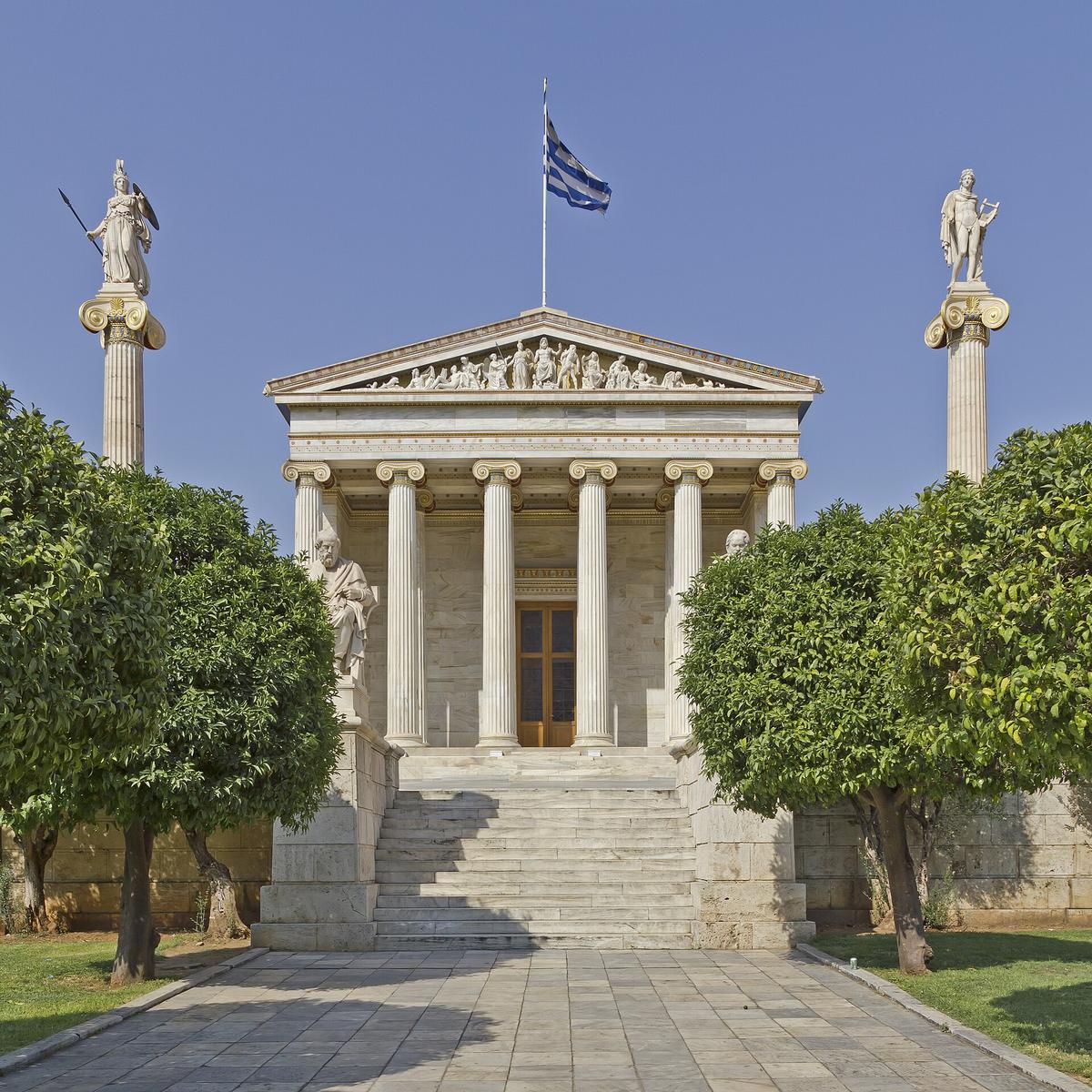

Athens on Your First Visit: What to Prioritise and What to Skip
You have just emerged from Monastiraki metro station at 2pm in July. The heat radiates off the pavement. Motorbikes cut around your shoulders. A man sells cold bottles of water from a cardboard box. To your left, the ancient citadel floats above the noise, baking in the sun. You have three or four days. What do you do first?
A successful Athens first visit requires a decision most travellers resist: you must skip things. Athens is dense, sun-scorched, and physically demanding. The streets are marble-slick. The climbs are steep. The city rewards depth over checklist speed. If you try to see every ruin on a single trip you will spend your holiday in queues, not in the city.
First Time in Athens: Your Priority List
Limit your paid sites to three: the Acropolis, the Acropolis Museum, and one other archaeological site from the combined ticket. That gives you time to walk the neighbourhoods, eat properly, and feel the city rhythm rather than chase a map.
The Acropolis With a Timed Entry
Book your timed entry slot online through the Hellenic Organization of Cultural Resources Development (Hellenic Ministry of Culture) before you leave home. In high season, April through October, the busiest window is late morning to mid-afternoon, when cruise groups arrive. The quietest slot is the first entry of the day or the final two hours before closing. Arrive at the north side elevator if you need wheelchair access, but know that the summit paths remain uneven. The terrain is steep, the marble paths are worn smooth, and there is no shade on the summit. Water, a hat, and proper shoes are not optional.
The Acropolis Museum
Walk down Dionysiou Areopagitou Street directly south of the hill. The Acropolis Museum sits over an active excavation: you see the ruins through the glass floor at the entrance. The top-floor Parthenon Gallery is aligned with the Parthenon itself, so you see the marbles in their original orientation. Book your ticket online. Do not attempt to visit the Acropolis and the museum back-to-back on the same morning in summer. That is the single most common mistake made by first-time visitors. You will exhaust yourself and queue for hours at midday.
One Neighbourhood for a Slower Feel
Skip Plaka as your base, it is tourist-heavy, souvenir-dense, and expensive. Stay in Koukaki or Pangrati instead. Koukaki sits south of the Acropolis, near the Acropolis Museum, with quiet residential streets, local cafés, and good-value rooms. Pangrati lies east of the National Garden, near the Panathenaic Stadium, increasingly trendy and food-focused. Either lets you walk to the major sites without living inside the crowds. If you arrive by Metro Line 3 from the airport, get off at Syntagma and change for Line 2 to Neos Kosmos station for Koukaki or to Evangelismos for Pangrati.
Athens Must See: What is Actually Worth Your Time
Beyond the ancient hill and its museum, the shortlist depends on your energy and how many days you have. With three full days, the minimum you should budget, add one more site and two neighbourhood walks.
The Ancient Agora
This expansive civic ruin includes the Temple of Hephaestus, among the best-preserved Doric temples in Greece. It is a short downhill walk from the Acropolis via Areopagitou and Apostolou Pavlou streets. Entry is included in the combined archaeological ticket. Allow 90 minutes to walk the site and sit in the shade of the colonnade.
Philopappos Hill
This wooded hill is free and gives you the best photo angle of the Acropolis. Walk there from Koukaki. It takes about 20 minutes to reach the summit monument. Late afternoon light is optimal. The walk is shaded and the stone steps are less punishing than the Acropolis climb.
One Museum Beyond the Acropolis Museum
If you love antiquities and have four to five days, go to the National Archaeological Museum on Patission Street near Exarcheia. It is a vast collection covering Mycenaean gold, Cycladic figurines, and bronze sculpture. If you have only three days, skip it. The Benaki Museum of Greek Culture on Koumbari Street in Kolonaki tells the same sweep of Greek history from prehistory to 1922 in a mansion setting and takes half the time. The Museum of Cycladic Art on Neophytou Douka Street is smaller, excellent, and fast, 90 minutes covers its superb prehistoric figurines.
Changing of the Guard
Watch the Evzones at Syntagma Parliament. The ceremony runs hourly. Sunday at 11am is the large ceremony with a band and more soldiers. It is free, lasts 15 minutes, and you are already at Syntagma if you used the airport metro.
Athens What to Skip: the Conscious Decisions a First-Time Visitor Should Make
This is the hard part. Every guide lists these as must-sees. Most are not worth your limited time.
The Temple of Olympian Zeus as a Paid Stop
You can see the 15 surviving columns from the street. Amalias Avenue runs right past them. The entry fee buys you a closer view of the same columns and a patch of grass. If you have the combined archaeological ticket, walk in for 10 minutes. Never buy a standalone ticket here. The time you save is worth more than the interior view.
The National Archaeological Museum if Time Is Tight
This museum is superb. It also demands three to four hours minimum, and it sits a 25-minute walk north of the centre, near Exarcheia. On a three-day trip, that block of time eats half a day of neighbourhood exploration, food stops, and rest. Pick it only if you have four to five days or you are a dedicated antiquity enthusiast.
Day Trips
A first-time trip is not the moment for a day trip. Cape Sounion takes 1 hour 45 minutes each way by KTEL bus. Delphi takes 2 hours 30 minutes each way. Aegina ferry needs 40 minutes from Piraeus, but two hours round-trip plus waiting for the hydrofoil. These are separate trips. If you have only three days in Athens, a day trip to Delphi destroys half your available daylight for the entire city. Save them for a second visit or a longer Greece itinerary.
Lycabettus Hill as a Priority
At 277 metres, Lycabettus is the highest point in central Athens. The view is wide. But you can reach Philopappos Hill in 20 minutes from Koukaki for free, with a better direct Acropolis angle. Lycabettus requires either a funicular from Aristippou Street or a steep climb with no shade. If you have the energy and time, do it at sunset. If you are prioritising, Philopappos is the better bet for your finite trip.
Athens First Trip Planning: the Practical Decisions That Protect Your Time
How many days. Three full days is the minimum. Four to five is comfortable. With three days you can do the Acropolis, the Acropolis Museum, one neighbourhood walk in Koukaki, the Ancient Agora, and Philopappos Hill. With four days you add the Benaki Museum or the Museum of Cycladic Art and a taverna evening in Psyrri.
When to come. April through June and September through October are the peak shoulder seasons: warm but not brutal, long daylight, and the highest concentration of cultural events. Mid-July through August is the avoid window. Temperatures regularly exceed 38°C. Many local restaurants and shops close for holidays. The city feels emptied of Athenians but full of overheated tourists. Also avoid Orthodox Easter weekend unless you know the schedule, museum hours shift and crowds spike.
Where to stay. First-time stay districts fall into three categories. For sightseeing convenience: Plaka, Monastiraki, or Syntagma. For quiet: Kolonaki or Koukaki south of Philopappou. For nightlife: Psyrri or Gazi. Koukaki is the compromise pick: quiet at night, walkable to the Acropolis in 15 minutes, good café and food streets, and direct metro connection to the airport (Line 2 to Syntagma, change to Line 3).
Getting around. The metro lines 1, 2, and 3 are the backbone. A single journey ticket gives you 90 minutes of travel on metro, bus, tram, and trolleybus; the price is set by the Athens transport authority, so check the current fare before you travel. A 3-day tourist ticket covering all public transport including the airport leg is also available, again priced by the transport authority. The failure case: metro service stops around midnight on weekdays and later on weekends. If you are returning from Psyrri at 1am, you walk or take a taxi. Athens taxis may refuse short fares or skip the meter. Insist on the meter or get out. The flat rate from the airport to the centre is set by the Greek state and revised annually, so check the official published fare before you arrive.
What to eat. Souvlaki and gyros from specific central spots: O Thanasis in Monastiraki or Kostas near Syntagma. Loukoumades at Krinos for hot honey-soaked doughnuts. Bougatsa at a central bakery for a cream or cheese-filled filo pastry breakfast. Rooftop dining in Plaka or Monastiraki with direct Acropolis views is expensive but worth one night for the view alone. Late-night meze in Psyrri means small plates, ouzo or tsipouro, after 10pm. Koulouri from street vendors, sesame bread rings, is the default breakfast on the move.
What goes wrong. The heat radiates off concrete and stone, making midday sightseeing punishing. Pavements are narrow, broken, or blocked by parked motorbikes and café tables. Taxi drivers may not use the meter. Many central streets become pedestrian-only or restricted without clear signage. The main trip-up for visitors is the combination of the Acropolis and the Acropolis Museum on the same morning without pre-booked tickets. Do not let that be you.
The Single Thing That Most Often Goes Wrong
The most common failure on an Athens first visit is trying to see the Acropolis and the Acropolis Museum in the same morning between 10am and 2pm in July, without pre-booked tickets. You arrive optimistic, you stand in a queue for 45 minutes under unshaded sun, you climb the marble slope sweating through your clothes, you descend exhausted and hungry, you find the museum queue even longer, and by 3pm you have seen nothing else and cannot face another site. Book the early slot. Book the museum for a different day or for 4pm. Walk slow. Eat well. Skip the rest.
Read next
-
 Athens Hotels by Price Band and What Each Band Actually Gets You
Athens hotel prices rise sharply with Acropolis views and rooftop access. Here's what each price band actually delivers.
-
 Where to Stay in Athens and What Each District Costs You
The district you choose in Athens changes everything about your trip. Compare Plaka, Monastiraki, Koukaki, and the rest by trade-off.
-
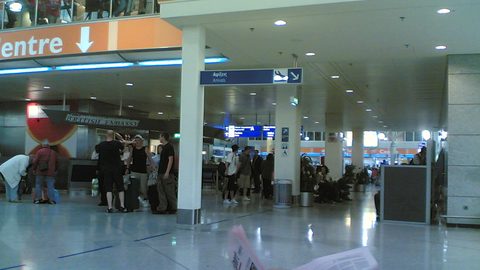 Athens Flights, Flying Into ATH and Getting Out of the Airport
Flying into Athens: what to expect at ATH, and how to get from the airport to Syntagma, Monastiraki, or Piraeus.
-
 Athens Things to Do Ordered by Whether They Are Worth the Time
Not every Athens sight deserves your limited hours. This guide ranks what to do by the time it takes and what it gives back.
-
 Best Time to Visit Athens and What Each Season Does to It
Athens has two comfortable shoulder seasons, a brutal August, and winter free-entry Sundays. Here's what each season does to the city.
-
 Getting Around Athens Without Wasting Half Your Trip
Athens has a good metro but late nights, marble streets, and taxi habits can trip you up. Here's how to get around without friction.
-
 Acropolis
How to visit the Acropolis and Parthenon in Athens without queueing twice, including the timed-entry system, the south slope entrance, and the marble terrain.
-
 Acropolis Museum
Whether the Acropolis Museum in Athens is worth the time, how to visit without queueing twice, and how to sequence it with the Acropolis itself.
-
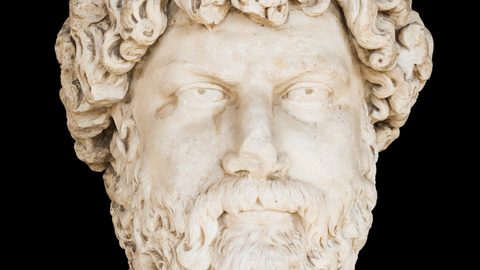 Ancient Agora
What the Ancient Agora in Athens is, whether it is worth your time, and how to visit the Hephaisteion and Stoa of Attalos without rushing.