What the Ancient Agora in Athens Is and Whether It Is Worth Your Time
What the Ancient Agora in Athens is, whether it is worth your time, and how to visit the Hephaisteion and Stoa of Attalos without rushing.
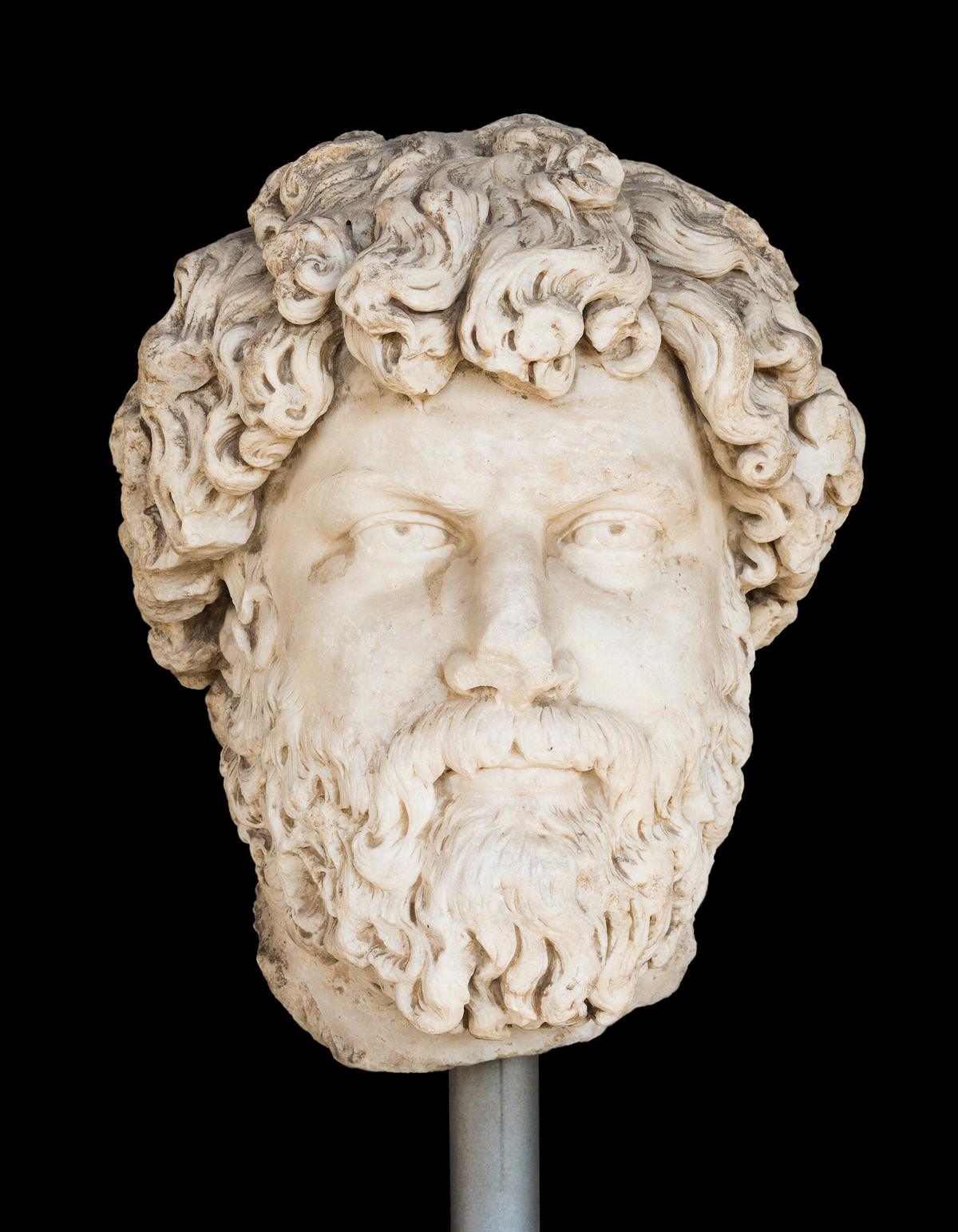
What the Ancient Agora in Athens is and Whether it is Worth Your Time
You have two days in Athens, possibly three, and the Acropolis is already soaking up one of them. Now someone mentions the Ancient Agora. Another archaeological site, more rubble, more heat. The rational response is to skip it. That response is wrong. The Ancient Agora is where the democracy you read about in textbooks actually ran itself. It is also shaded, leisurely, and leads directly into the best walking route in the city. The question of whether the Ancient Agora is worth it comes down to one factor: what you want from your trip. If you want the postcard view, stay on the Acropolis. If you want to understand the mechanics of Athenian life, the Agora is the better half of the same ticket.
- Site area: Approximately 12 ha of open archaeological ground
- Visit duration: 1.5-2.5 hours without the museum; 2-3 hours if you go through the Stoa of Attalos museum
- Best arrival time: Within the first hour after opening; before 10:00 in summer
- Quietest period: Weekdays outside school holidays, November, February
- Nearest metro: Monastiraki (Lines 1 and 3) or Thiseio (Line 1)
- Ticket type: Combined ticket covers the Ancient Agora, Acropolis, Roman Agora, Hadrian’s Library, Kerameikos, Aristotle’s Lyceum and the Temple of Olympian Zeus; valid 5 days from first use
- Advance booking: Not required for the Agora in most of the year; only necessary for the Acropolis in high season
- Free admission days: Set annually by the Hellenic Ministry of Culture; typically the first Sunday of the month in winter, plus 6 March, 18 April, 18 May, the last weekend of September, and 28 October. Check the current list on the H.O.C.RE.D. portal
Ancient Agora What to See: the Structures That Matter
The Agora was the civic centre of Athens. The word translates to gathering place, but that undersells it. This 12-hectare site held the city's law courts, its mint, its council chamber, its military archive, its religious shrines, and its commercial marketplace. Citizens walked the same dirt and stone paths to argue policy, sue a neighbour, buy olive oil, and sacrifice to the gods. The ruins you see today are the skeleton of that daily life.
Hephaisteion Temple: The Best Preserved Temple in Athens
The Hephaisteion is the standout. Built in the mid-5th century BCE, it survives almost intact because it was converted into a church in the 7th century and stayed in use until the 19th. Its columns, frieze, and roof remain where other temples lost theirs to quarrying or bombardment. Walk up the low hill it sits on and stand inside the colonnade. The view across the Agora toward the Acropolis is the best composition on the site. Late afternoon light hits the marble and gives you the photograph you came for.Stoa of Attalos and the Museum
Running along the eastern edge of the Agora is the Stoa of Attalos, a long two-storey colonnaded walkway rebuilt in the 1950s. It now houses the Museum of the Ancient Agora. Go inside for the ostraka, pottery sherds inscribed with the names of citizens voted into exile. The klepsydra water clock, stone sculptures from the stoa, and a collection of bronze objects make the museum worth the extra 40 minutes. The stoa itself offers deep shade and benches. Use it as a cool-down point in the middle of your walk.Tholos, Bouleuterion, and the Civic Ruins
Southwest of the Hephaisteion lie the foundations that matter most to understanding the Agora. The Tholos, a circular building from the 5th century BCE, housed the prytaneis, the 50 executive councillors who ran daily government. The Bouleuterion next to it was the council house where the 500-member boule debated policy. The Metroon served as the state archive. These are low stone outlines. They require imagination. Read the interpretation panels in English at each structure before walking on.Church of the Holy Apostles and the Panathenaic Way
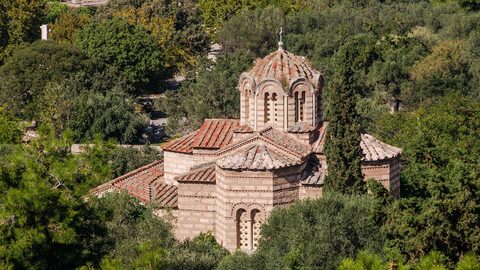
Near the middle of the site stands the Church of the Holy Apostles, a late 10th-century Byzantine structure built over earlier Roman foundations. It is one of the oldest intact churches in Athens. Its interior is small and often closed during services. The Panathenaic Way, the main road through the Agora, ran from the Dipylon Gate to the Acropolis. The stone path running diagonally across the site follows its ancient route.| Factor | Ancient Agora | Acropolis |
|---|---|---|
| Walking effort | Flat, level paths; uneven ground but no steep climbing | Steep ascent on marble-slick rock; physically demanding |
| Shade availability | Limited sun shade concentrated near the Hephaisteion and Stoa of Attalos; open ground between structures is exposed | Almost no shade; full sun exposure for the entire 1–2 hour visit |
| Crowd density at 11:00 | Moderate; manageable flow even in peak months | Extreme; timed entry queues and shoulder-to-shoulder movement |
| Typical visit length | 1.5–2.5 hours | 1.5–2 hours |
| Best time to visit | First hour after opening; before 10:00 in summer | First timed slot at 08:00 or last slot at 16:00 |
| Nearby food | Directly adjacent to Monastiraki, Psyrri, and Thiseio; eat on Adrianou Street | 5–10 minute walk downhill to Plaka; mostly tourist-priced tavernas |
| Temple condition | Hephaisteion is the best preserved ancient Greek temple in Athens, with intact roof and colonnade | Parthenon is shelled and fragmentary; restoration scaffolding visible through 2026 |
Ancient Agora How to Visit: a Walking Route and Timing Plan
The most efficient route enters from Adrianou Street on the Monastiraki side and leaves via the secondary entrance on Apostolou Pavlou Street on the Thiseio side. Walk straight west to the Hephaisteion first. The temple sits on a low rise and gets crowded by 10:30. See it early. From there, head southeast across the open ground past the Odeon of Agrippa to the Stoa of Attalos. Spend 30 to 45 minutes in the museum. Exit the stoa and follow the Panathenaic Way southwest to the Bouleuterion and Tholos. Then loop back past the Church of the Holy Apostles and exit via the Thiseio gate.
Ancient Agora Tickets And The Combined Pass
Buy the combined ticket from the official H.O.C.RE.D. portal or at any participating site. The 2024 rate was 30 euros and covered the Acropolis, Ancient Agora, Roman Agora, Hadrian’s Library, Kerameikos, Aristotle’s Lyceum, and the Temple of Olympian Zeus. The ticket is valid for 5 days from first use. Do not buy a separate Agora ticket. The combined pass saves you money if you plan to visit three or more sites, and you should. The Roman Agora and Hadrian's Library sit within 350 metres east of the Ancient Agora and take 30 minutes each. Bundle them into the same morning.When The Site Is Busy And When It Is Empty
Cruise ship arrivals drive the crowd peak between 10:30 and 13:00. The lowest visitor numbers occur in the first 60 to 90 minutes after opening. In summer, opening hours extend from early morning to late evening. Arrive by 08:00 if you want to walk through the Hephaisteion alone. In autumn and spring, mid-morning arrival is fine. In winter, the site opens later and closes in mid-afternoon. Check the H.O.C.RE.D. portal for the current month's schedule because opening hours are revised annually. Free admission days set by the Hellenic Ministry of Culture draw heavy local attendance. Avoid those dates unless the budget is tight.What To Wear And Bring
Uneven ground covers the site. Worn marble, packed earth, and loose stones make up the paths. Sturdy shoes are not negotiable. Sun protection is mandatory from May through September because shade is limited to the Stoa of Attalos colonnade and the area around the Hephaisteion. Bring a water bottle; refill points exist near the main entrance. Do not bring a large bag or suitcase. No storage is available on site, and commercial luggage storage near Monastiraki station is the nearest option. Small backpacks are permitted but subject to a bag check at the entrance.Why the Ancient Agora Fits a Monastiraki Thissio Day
Monastiraki metro station drops you onto the flea market. From there, Adrianou Street runs along the northern edge of the Agora. That 200-metre walk from the station to the entrance is lined with souvlaki shops, coffee counters, and the flea market sellers. Enter the site, spend two hours, exit through the Thiseio gate. You emerge onto Apostolou Pavlou Street, a pedestrianised avenue lined with café tables that face the Acropolis directly. Turn left and walk 10 minutes to the Thiseio metro station, or turn right into the Thiseio neighbourhood for lunch. The whole circuit from Monastiraki station, through the Agora, to a Thiseio restaurant takes three to four hours and drops you in two of the most walkable districts in Athens. The Agora is the connective tissue between them.
Why You Should Buy The Combined Ticket
Buying the combined ticket at the online portal saves you from queuing at a second ticket booth. Valid for 5 days, it covers all seven central archaeological sites. Use the Agora as your base, then walk east to the Roman Agora and Hadrian's Library on the same day. The following day, use the same ticket for the Acropolis and the Temple of Olympian Zeus. The Kerameikos cemetery, 900 metres northwest of the Thiseio exit, fits into a late afternoon. The combined ticket removes the friction of buying a separate pass at each gate.Who Should Skip The Ancient Agora
Travellers with mobility limitations that make uneven ground difficult should choose the Acropolis Museum instead of the Agora. The main path from Adrianou Street to the Stoa of Attalos is step free, but much of the open site is not wheelchair accessible. Families with strollers will find the bumpy paths frustrating. Visitors on a single day in Athens who can only manage one archaeological site should pick the Acropolis. The Agora rewards depth, not speed. If you have three full days in the city minimum, the Agora fits. If you are here for 48 hours and want a rooftop sunset over the Parthenon, skip the Agora and put that time into Philopappos Hill instead.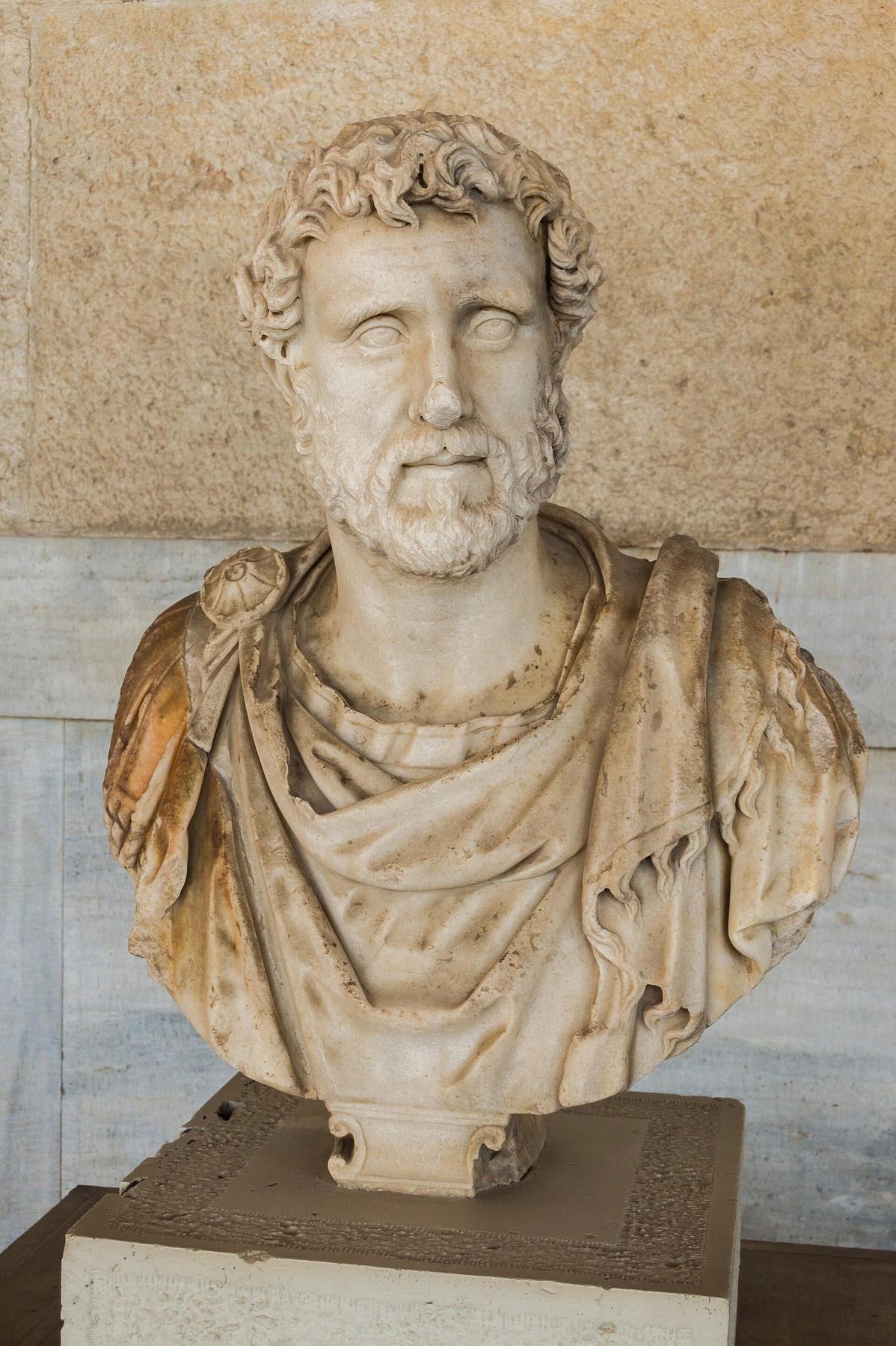


A Sceptic’s Honest Caveat
For readers arriving from a city with intact historic centres, the Ancient Agora can read as a field of stone outlines. It is not photogenic in the way the Roman Forum is. The interpretation panels do the work that the ruins themselves cannot. If you do not read them, the Agora will look like a park full of foundations. If you do read them, the Tholos and Bouleuterion become a council chamber where 50 citizens slept and ate on state duty while running a democracy that still shapes how you think about politics. That is the trade. The Agora offers understanding over spectacle. For the traveller who wants both, arrive early, see the Hephaisteion in the clear morning light, read the panels at the Bouleuterion, stand on the Panathenaic Way, and then walk into Thiseio for lunch knowing exactly where the arguments that invented the West were made.
Frequently Asked Questions About the Ancient Agora
Do I need to book Ancient Agora tickets in advance?
No. The Agora rarely requires a timed slot. However, book the combined ticket online through the H.O.C.RE.D. portal if you are visiting the Acropolis on the same pass, because the Acropolis does require advance booking in high season.
Can I visit the Ancient Agora and the Acropolis on the same day?
Yes. The walking route between the Agora's Thiseio exit and the Acropolis south slope entrance is about 15 minutes. Visit the Agora in the early morning, exit by 10:00, then walk to the Acropolis for your timed entry at 11:00 or 12:00.
Is the Hephaisteion temple better than the Parthenon?
Visually, yes. The Hephaisteion is the best preserved ancient Greek temple in Athens, with its roof, columns, and frieze intact. The Parthenon is a more famous ruin, but it is a shell. The Hephaisteion gives you a complete temple experience.
What is the quietest time of year to visit the Ancient Agora?
November through February. Visitor numbers drop sharply. The site opens shorter hours and may close earlier, but you will have the Hephaisteion and the Stoa of Attalos nearly to yourself. Weekdays outside school holidays are the quietest days.
Read next
-
 Athens Hotels by Price Band and What Each Band Actually Gets You
Athens hotel prices rise sharply with Acropolis views and rooftop access. Here's what each price band actually delivers.
-
 Where to Stay in Athens and What Each District Costs You
The district you choose in Athens changes everything about your trip. Compare Plaka, Monastiraki, Koukaki, and the rest by trade-off.
-
 Athens Flights, Flying Into ATH and Getting Out of the Airport
Flying into Athens: what to expect at ATH, and how to get from the airport to Syntagma, Monastiraki, or Piraeus.
-
 Athens Things to Do Ordered by Whether They Are Worth the Time
Not every Athens sight deserves your limited hours. This guide ranks what to do by the time it takes and what it gives back.
-
 Best Time to Visit Athens and What Each Season Does to It
Athens has two comfortable shoulder seasons, a brutal August, and winter free-entry Sundays. Here's what each season does to the city.
-
 Getting Around Athens Without Wasting Half Your Trip
Athens has a good metro but late nights, marble streets, and taxi habits can trip you up. Here's how to get around without friction.
-
 Acropolis
How to visit the Acropolis and Parthenon in Athens without queueing twice, including the timed-entry system, the south slope entrance, and the marble terrain.
-
 Acropolis Museum
Whether the Acropolis Museum in Athens is worth the time, how to visit without queueing twice, and how to sequence it with the Acropolis itself.
-
 Monastiraki
, Athens: the flea-market district with rooftop bars and a metro nexus, what it feels like, and who it suits.