Whether the Temple of Olympian Zeus in Athens Is Worth Stopping For
Whether the Temple of Olympian Zeus in Athens is worth a dedicated stop, what survives, and how to see it from the street without paying.
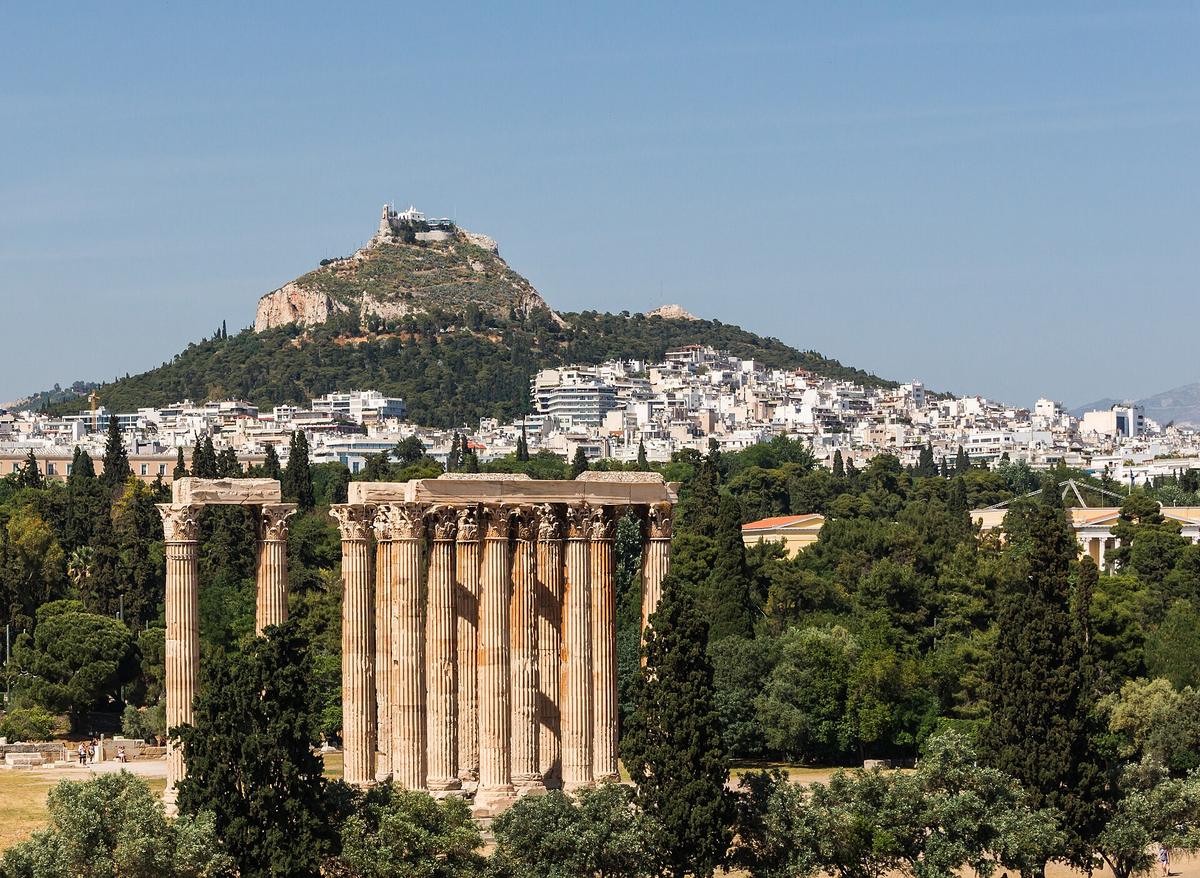
Whether the Temple of Olympian Zeus in Athens is Worth Stopping for
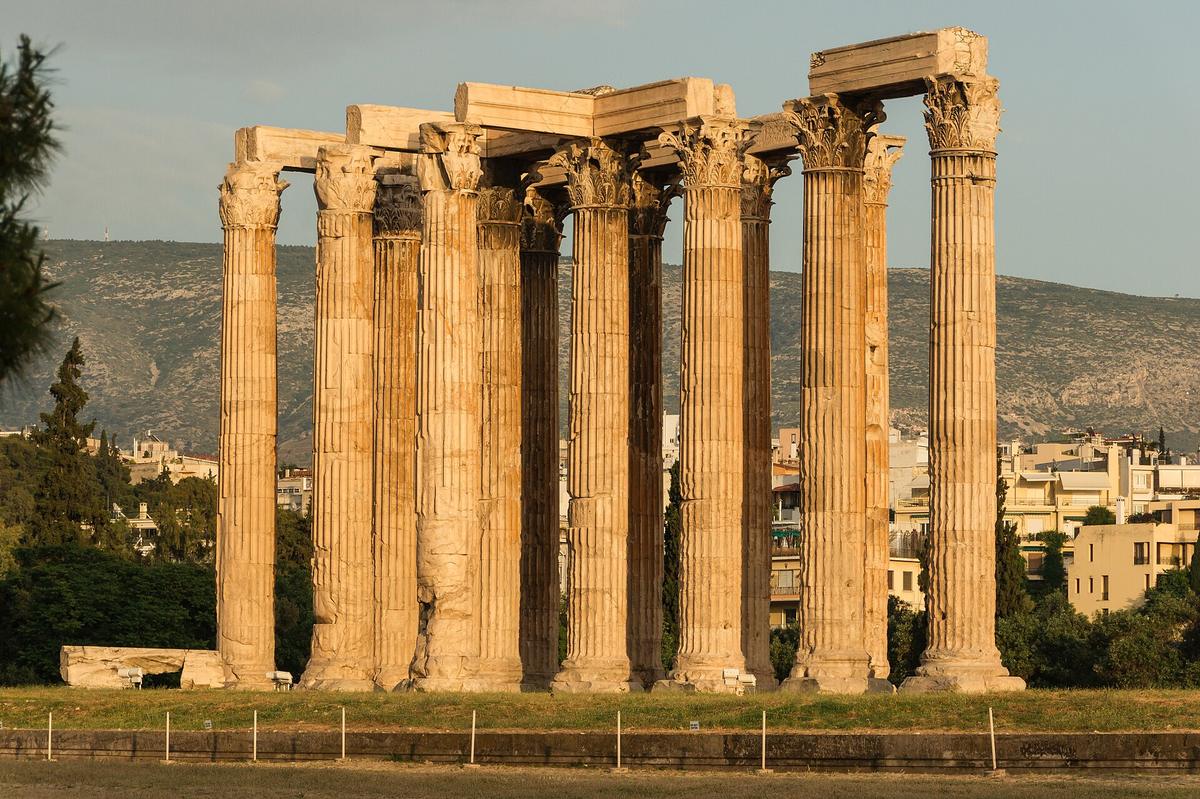
Most visitors assume the Temple of Olympian Zeus in Athens is a major destination on par with the Acropolis. It is not. For anyone asking whether the Temple of Olympian Zeus Athens worth it, the honest answer is: yes, but as a quick stop, not a half day excursion. This site holds fifteen surviving columns from an original 104, each 17 meters tall, standing on a 6 hectare plot that once housed one of the largest temples in the ancient world. The reality of visiting is that you can see most of it from the street, pay nothing, and keep moving. Decide based on your time budget, your tolerance for sun exposure, and whether the combined ticket already covers entry.
- Original Columns: 104
- Surviving Columns: 15 (one fallen on the south side in 1852)
- Column Material: Pentelic marble
- Visiting Duration: 30-45 minutes typical; up to 1 hour for a full site walk
- Combined Ticket: Yes, includes Acropolis and central archaeological sites, valid 5 days
- Nearest Metro: Akropoli, Line 2
- Walking Time to Syntagma: 10-12 minutes
- Walking Time to Plaka: 5 minutes
- Shade On Site: Minimal
- Toilets: Yes, near entrance
- Free Admission: First Sunday of each month in winter season
- Official Source: Hellenic Organization of Cultural Resources Development
Temple of Olympian Zeus Tickets
Which Ticket To Buy
You have two entry options. A single site ticket covers the Temple of Olympian Zeus only. The more efficient choice is the combined ticket, which includes the Acropolis, Ancient Agora, Roman Agora, Hadrian's Library, Kerameikos, and the Temple of Olympian Zeus. That ticket costs less than the sum of the individual entries and remains valid for five days. Buy it at the first site you visit, not at the Temple of Olympian Zeus itself unless you start there.
No advance booking is required for individual entry to the Temple of Olympian Zeus. The combined ticket system does allow advance purchase in peak season, and you should buy that if you arrive between April and October. The official source for pricing is the Hellenic Organization of Cultural Resources Development, which publishes the annual rate. Check the current rate on their site before your trip.
When To Arrive
Arrive at opening time. The site opens at 08:00 from April through October and at 08:30 from November through March. Crowd levels at the Temple of Olympian Zeus are lower than at the Acropolis, but the gates can form a short queue by 09:30 in summer. Go early, spend your 30 minutes, then walk the two minutes to Hadrian's Arch before the tour groups arrive.
Temple of Olympian Zeus from Street vs Paying to Enter
What The Street View Gives You
The Temple of Olympian Zeus is visible from the street. The fenced perimeter runs along Vasilissis Olgas Avenue and Leoforos Amalias, two busy roads that connect Syntagma to the Acropolis area. From the pavement you can see all fifteen standing columns clearly, plus the single fallen column that toppled in 1852 and lies on the south side of the enclosure. You can also photograph Hadrian's Arch from the same spot, which stands just outside the site fence, free to view.
Why Pay For Entry
So why pay? Because the street view flattens the temple. Walking inside gives you the scale of the site, the chance to stand at the base of a column and look up its 17 meter height, and access to the Roman baths on the north side of the enclosure. You also see the excavated classical era houses beneath the temple platform, which the street view hides behind the fence and the modern retaining wall. If you already have the combined ticket, there is no extra cost. If you do not, ask yourself whether the interior walk matters to you. For many travellers, the answer is no.
If you skip entry, do not feel you missed the site. The street view is the same columns. What you miss is the context of the temenos wall in porous limestone, the propylon at the entrance with its four columns and two antae, and the layout of the Roman baths. Those are interesting to an archaeology enthusiast and invisible to everyone else.
| Viewpoint | Free from Street | Inside the Site |
|---|---|---|
| Fifteen standing columns | Yes | Yes |
| Fallen column from 1852 | Yes | Yes |
| Hadrian's Arch | Yes | Partially |
| Column base close up, 17m height | No | Yes |
| Roman baths ruins | No | Yes |
| Excavated classical houses | No | Yes |
| Porous limestone temenos wall | No | Yes |
| Site layout at ground level | No | Yes |
Temple of Olympian Zeus Opening Hours and How to Visit
Opening hours follow the standard Greek archaeological site schedule. The Temple of Olympian Zeus opens at 08:00 from April 1 to October 31 and closes at 20:00 in peak months, with a shorter 17:00 close in shoulder months. From November through March the site opens at 08:30 and closes at 15:30. Check the Hellenic Ministry of Culture site for the annual published dates, as hours shift on public holidays and during the Orthodox Easter period when some sites close entirely.
The site is closed on certain public holidays. The exact dates change each year, but the pattern includes January 1, March 25, May 1, Easter Sunday, December 25, and December 26. A free admission day falls on the first Sunday of each month from November through March. On those days, arrive early; the queue forms.
You do not need a guided tour. The Temple of Olympian Zeus is an open air site with minimal interpretation panels. If you want historical context, download the official audio guide in advance or read the entry in the combined ticket pamphlet. The site itself takes 30 to 45 minutes at a walking pace, including the full perimeter. Anyone who says they spent an hour there walked very slowly in the heat.
Temple of Olympian Zeus vs Acropolis: Which One Matters More
Two Different Commitments
The Temple of Olympian Zeus versus the Acropolis is not a real choice. The Acropolis is the reason most people come to Athens. The Temple of Olympian Zeus is a secondary site that sits on the walking route between Syntagma, the National Garden, and Plaka. Approaching them as competing attractions is a mistake.
What separates them is depth. The Acropolis requires a timed entry, a steep climb on marble slick paths, at least two hours on site, and significant sun exposure. The Temple of Olympian Zeus requires flat paved paths, 30 minutes, and a level of effort closer to crossing a city park. The Acropolis gives you the Parthenon, the Erechtheion, and a citywide panorama. The Temple of Olympian Zeus gives you columns and the Acropolis view visible from inside the site.
How To Schedule Both
Schedule the Acropolis for your first or second morning in Athens, with a pre booked entry slot before 09:00. Visit the Temple of Olympian Zeus on the same day, as a detour on your way from the National Garden to Plaka. Do not treat them as equal priorities. One is the centrepiece of a trip. The other fills a gap in your walking route.


Walking Route and Detour Time: How This Fits Your Day
The Temple of Olympian Zeus sits on Vasilissis Olgas Avenue, directly south of the National Garden and east of the Acropolis. Hadrian's Arch stands at the junction of Vasilissis Olgas and Leoforos Amalias, 60 seconds from the site entrance. This location makes the Temple of Olympian Zeus a natural pause on the walking route between Syntagma Square and the Plaka district.
From Syntagma, walk through the National Garden. The garden exit on the south side puts you onto Vasilissis Olgas, facing Hadrian's Arch. Turn left and you are at the Temple of Olympian Zeus entrance in two minutes. After visiting, walk five minutes west into Plaka for lunch or continue south to the Acropolis Museum, which is a 10 to 12 minute walk from the temple entrance.
The total detour time from the National Garden, through the site, and into Plaka is 40 to 50 minutes. That includes a 30 minute visit and the walking in between. Do not budget more than an hour unless you plan to sit on the benches inside the perimeter or use the toilets near the entrance.
Photography Angle and Site Conditions
The Best Shot
Best photography angle for the Temple of Olympian Zeus is from inside the site, standing at the south east corner and shooting northwest. This frames the columns against the Acropolis hill behind them. The Acropolis view from inside the site is the reason to pay entry: it puts the columns in the foreground and the Parthenon on the skyline in a single frame. From the street you can only shoot straight through the fence or across the traffic of Vasilissis Olgas.
Heat, Water, Crowds
Shade on site is minimal. There are no trees inside the fenced perimeter. The columns cast shadows in the morning, but by 10:00 the sun is overhead and the entire platform is exposed. Water fountains on site: none. Bring a bottle. The toilets near the entrance are the only facilities inside the perimeter.
Crowd levels are not a problem here in the way they are at the Acropolis. Even in summer midday, you can find a clear shot of the columns. The crowd pattern by season is highest from April through October, but the site is large enough to absorb tour groups. Lower late afternoon visits are the quietest, though the sun exposure is still brutal.
Who Should Visit and Who Should Skip
The Temple of Olympian Zeus suits travellers who value historical context, have the combined ticket already, and want to complete the central archaeological route without rushing. It also suits photographers who want the Acropolis view framed by the surviving columns. Anyone walking from the National Garden to Plaka can stop for 30 minutes without disrupting their afternoon.
Skip it if you are on a tight schedule and need to prioritise the Acropolis Museum and Ancient Agora. Skip it if you find open air archaeological sites repetitive. Skip it if your tolerance for midday heat is low and you have no shade on site. Seeing it from the street is enough. The Temple of Olympian Zeus is a quick stop, not a destination, and the right decision for most travellers is to decide whether those 30 minutes are better spent on a rooftop in Monastiraki with a cold drink.
Common Questions
Can I see the Temple of Olympian Zeus without paying?
Yes. All fifteen standing columns are visible from the pavement along Vasilissis Olgas Avenue and Leoforos Amalias. You can also see the fallen column. Hadrian's Arch is free to view from the street. Paying entry gives you ground level access to the column bases, Roman baths, and excavated classical houses.
How long do I need at the Temple of Olympian Zeus?
30 to 45 minutes for most visitors. Up to one hour if you walk the full site perimeter and read every information panel.
Does the combined ticket cover the Temple of Olympian Zeus?
Yes. The combined ticket includes the Temple of Olympian Zeus along with the Acropolis, Ancient Agora, Roman Agora, Hadrian's Library, and Kerameikos. The ticket is valid for five days from the date of purchase.
When is the Temple of Olympian Zeus free to enter?
The first Sunday of each month from November through March. On those days entry is free for all visitors. Expect a queue.
What are the Temple of Olympian Zeus opening hours?
April to October: 08:00 to 20:00 in peak months, shorter in shoulder season. November to March: 08:30 to 15:30. The site is closed on some public holidays. Exact hours are published annually by the Hellenic Ministry of Culture.
Which metro station is closest to the Temple of Olympian Zeus?
Akropoli on Metro Line 2. From the station exit, walk east on Dionysiou Areopagitou then turn onto Vasilissis Olgas. Total walking time is about 5 minutes.
Is the Temple of Olympian Zeus accessible for wheelchairs?
Yes. The site has flat paved paths around the temple platform and to the toilets. The entrance is level.
Read next
-

 Athens Hotels by Price Band and What Each Band Actually Gets You
Athens hotel prices rise sharply with Acropolis views and rooftop access. Here's what each price band actually delivers.
-
 Where to Stay in Athens and What Each District Costs You
The district you choose in Athens changes everything about your trip. Compare Plaka, Monastiraki, Koukaki, and the rest by trade-off.
-
 Athens Flights, Flying Into ATH and Getting Out of the Airport
Flying into Athens: what to expect at ATH, and how to get from the airport to Syntagma, Monastiraki, or Piraeus.
-
 Athens Things to Do Ordered by Whether They Are Worth the Time
Not every Athens sight deserves your limited hours. This guide ranks what to do by the time it takes and what it gives back.
-
 Best Time to Visit Athens and What Each Season Does to It
Athens has two comfortable shoulder seasons, a brutal August, and winter free-entry Sundays. Here's what each season does to the city.
-
 Getting Around Athens Without Wasting Half Your Trip
Athens has a good metro but late nights, marble streets, and taxi habits can trip you up. Here's how to get around without friction.
-
 Acropolis
How to visit the Acropolis and Parthenon in Athens without queueing twice, including the timed-entry system, the south slope entrance, and the marble terrain.
-
 Acropolis Museum
Whether the Acropolis Museum in Athens is worth the time, how to visit without queueing twice, and how to sequence it with the Acropolis itself.
-
 Ancient Agora
What the Ancient Agora in Athens is, whether it is worth your time, and how to visit the Hephaisteion and Stoa of Attalos without rushing.