Whether the National Archaeological Museum in Athens Is Worth the Detour
Whether the National Archaeological Museum in Athens is worth the detour, how it compares to the Acropolis Museum, and how to plan the visit.
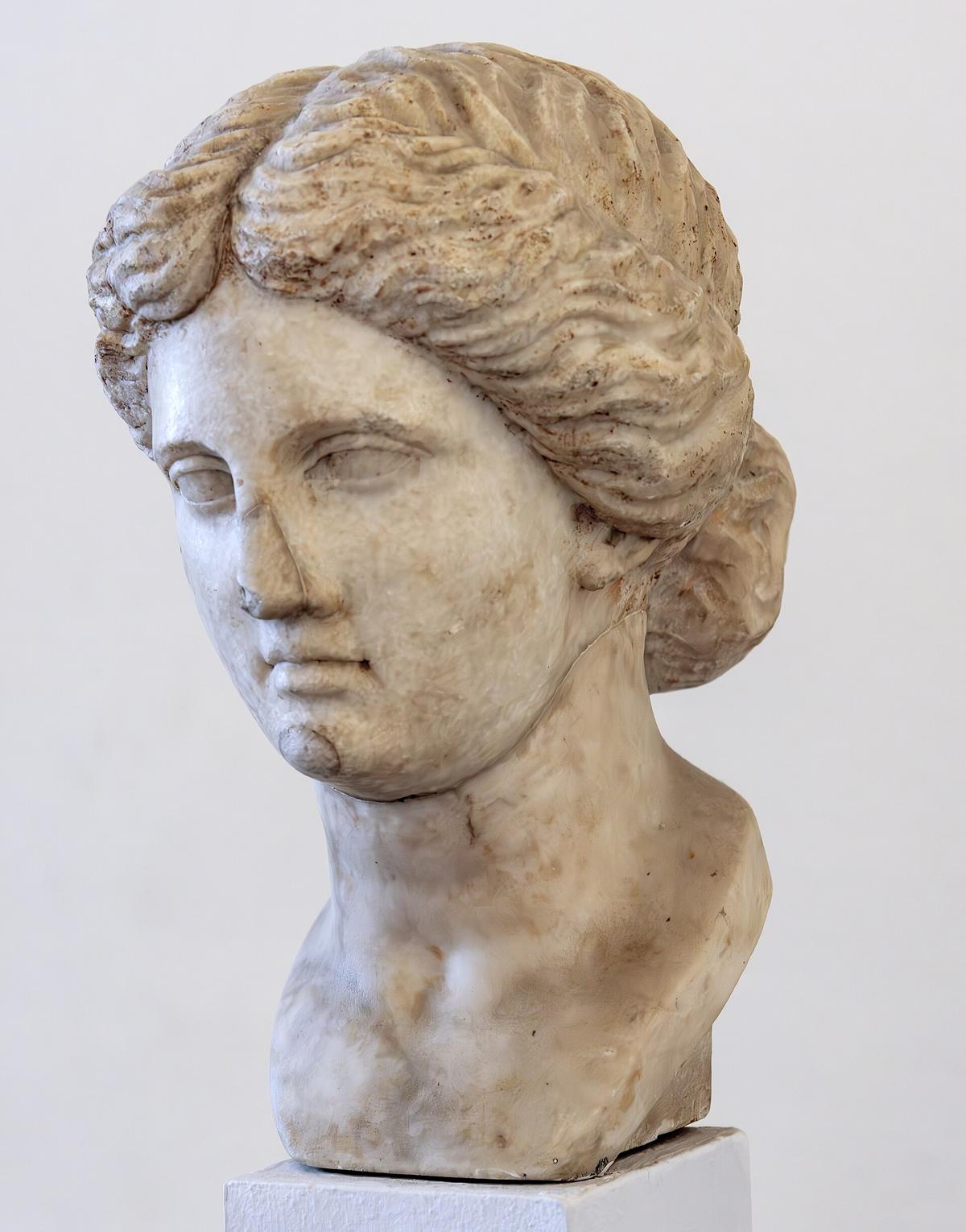
Whether the National Archaeological Museum in Athens is Worth the Detour
You walk out of Victoria metro station onto Patission Street and the city hits differently than it does in Plaka. The traffic is heavier, the buildings plainer, the neighbourhood commercial in a worn, unglamorous way. That is the trade you make to visit the National Archaeological Museum Athens worth it for anyone who wants to see Greek antiquity whole rather than polished into highlights. The museum sits 1.2 km north of Omonia Square, in a district that does not bother to charm you. That honesty is part of the point.
- Official Name: National Archaeological Museum
- Address: 28is Oktovriou 44, 106 82, Athens
- Metro Station: Victoria (Line 1), 400 m walk
- Collection Size: Over 11,000 exhibits on display; total holdings approximately 2 million objects (the Hellenic Ministry of Culture publishes the precise inventory)
- Visit Duration: 2-3 hours typical; 1.5 hours for highlights only; 4-5 hours for a full visit
- Closed Days: Tuesday year-round; plus 1 January, 25 March, Orthodox Easter Sunday, 1 May, 25-26 December (subject to annual revision by the Hellenic Ministry of Culture)
- Free Admission: First Sunday of each month November, March; EU citizens under 25; children under 5 (non-EU); ICOM/ICOMOS cardholders (categories defined by the Hellenic Ministry of Culture)
- Ticket Pre-booking: Recommended spring and summer via etickets.tap.gr; optional autumn and winter
- Air Conditioning: Yes, in all permanent galleries
National Archaeological Museum Athens How to Visit
The move that saves time is simple: arrive at 08:00 and buy your ticket at the window if you did not book online, or walk straight in with a pre purchased e ticket from the official portal. The queue at opening is short. By 10:00 the entrance line stretches and the galleries fill with groups. The quietest arrival window is either opening time or 15:00 until closing. The cashier will flag that last admission is 30 minutes before closing. Plan for a minimum 1.5 hour sprint if you arrive late.
Getting There From the Centre
Take metro line 1 to Victoria station. Exarchia is also walkable at 600 m, and Patission Street trolleybuses lines 2, 3, 4, 5, 6, 11, and 15 stop at Polytechneio. Walking from Omonia takes about 15 minutes along a corridor of stationery shops and electronics stores that feels more functional than scenic. The museum is on 28is Oktovriou, the main north south artery. You cannot miss the neoclassical facade.
Entry Logistics and What to Bring
The cloakroom is mandatory for large bags and backpacks. Photography is allowed without flash or tripod in the permanent galleries. The ground floor café overlooks an internal garden and is a decent spot to rest, but the real break is the air conditioning across all 64 permanent galleries. Museum fatigue hits hard here because the holdings are enormous. Plan to pause at the café around the Artemision Bronze room, about 90 minutes in.
National Archaeological Museum Collection
The number that tells the story is 64 permanent exhibition galleries spread over 8,000 m². The displays cover prehistory to late antiquity, roughly 7000 BCE to 500 CE, with over 11,000 objects on show. That depth is the reason to visit. The Acropolis Museum gives you fifth century BCE Athens in laser focus. The National Archaeological Museum gives you the whole sweep: Mycenaean gold, Cycladic marble figurines, Archaic kouroi, classical bronzes, Hellenistic sculpture, and the Antikythera mechanism.
What You Cannot Skip
The Mask of Agamemnon is in room 4 of the Prehistoric Antiquities section, and it draws a crowd. Walk past it if the scrum is heavy and come back before closing when the bus groups have left. The Poseidon of Artemision and the Jockey of Artemision are the two bronze statues that justify the entrance fee alone. They sit in the Metallurgy hall with the Artemision Bronze, and the room is designed so you can walk around each piece. The Mycenaean Warrior Vase and the Dipylon Amphora reward close looking from a foot away, which is something the Acropolis Museum, with its glass barriers and tiered platforms, rarely allows.
The Full Day Visit
If you allocate 4 to 5 hours, move chronologically from the Prehistoric Antiquities on the ground floor into the Sculpture galleries and the Vase and Minor Arts galleries. The Egyptian and Near Eastern Antiquities wing on the first floor is quieter but worth 30 minutes. The temporary exhibitions programme rotates, so check the official website before you go. A full day is only for serious antiquities enthusiasts. For everyone else, 2 to 3 hours covers the named objects and the major periods.
National Archaeological Museum Tickets
Buy your ticket via the Hellenic Ministry of Culture official e ticketing service at etickets.tap.gr. The standard admission is single entry on the date you select. Do not buy from third party resellers: the markup is steep and the official site works fine in English.
Free admission applies to EU citizens under 25, children under 5 from non EU countries, specific disability categories, and ICOM or ICOMOS cardholders. The first Sunday of each month from November to March is also free. The Ministry publishes revised figures annually. If you fall into a free category, bring the supporting document to the ticket window.
Pre booking is recommended during high season from April to October, especially for Saturday and Sunday arrivals when the museum is busiest. Tuesday is closed year round, so the quietest days are Wednesday and Thursday. Avoid the 10:00 to 13:00 window if you can.
National Archaeological Museum Location
28is Oktovriou 44, 106 82 Athens. The museum sits at the northern edge of the city centre, 1.2 km from Omonia Square. Victoria metro station is 400 m north. Exarchia is 600 m east, and Pedion tou Areos park is adjacent on the west side. The surrounding streets feel more like a working neighbourhood than a tourist corridor. You are close enough to combine the visit with Exarchia for lunch or coffee, then walk 2 km southeast to Lycabettus Hill if you have energy left.
The neighbourhood friction is real here. Pavements narrow and motorbikes block pedestrian routes. Summer heat radiates off the concrete of 28is Oktovriou. The museum itself is a neoclassical fortress built for a different city, but its air conditioning and calm courtyard become a relief after the short walk from the metro. Treat the location not as a flaw but as a deliberate choice: this museum was designed for Athenians, not for tourists, and that shows in the absence of souvenir shops and ticket touts at the door.
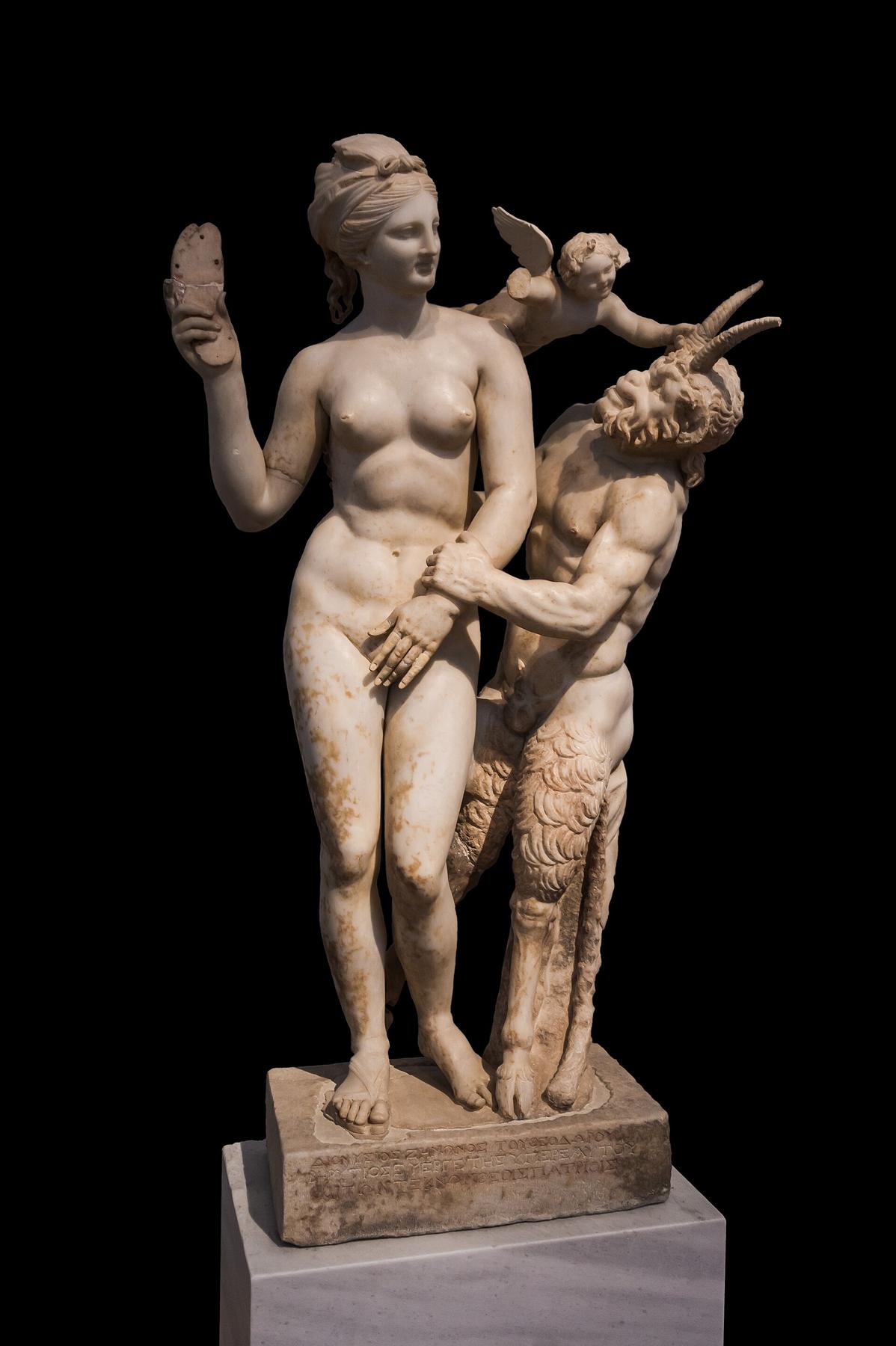


National Archaeological Museum vs Acropolis Museum
This is the decision most Athens visitors face with three or four days in the city. The honest answer depends on your trip length and what you want from antiquity. You can do both, but you should not try to do both on the same morning. Do the Acropolis Museum early, then the National Archaeological Museum on a separate day in the afternoon when the heat peaks and the air conditioned galleries provide a proper break.
What the Acropolis Museum Does Better
The Acropolis Museum is modern, compact, and sits directly over the ruins of an ancient neighbourhood. You can see the Parthenon marbles through glass floors against the actual hill outside. The visitor flow is tightly managed, the opening hours are generous, and the rooftop café has a direct view of the Parthenon. It takes 1.5 to 2 hours to see well. It suits travellers who want a curated, focused experience of classical Athens without the sprawl of a general museum.
What the National Archaeological Museum Does Better
The National Archaeological Museum is larger, older, and far more comprehensive. Its holdings dwarf the Acropolis Museum, covering 7,000 years of Greek history rather than one century. The bronze statues alone including the Poseidon of Artemision and the Jockey of Artemision are objects the Acropolis Museum cannot match. The gallery layout rewards wandering and lingering in a way the Acropolis Museum does not. You get close to the objects. The museum fatigue is real, but it is the fatigue of having seen too much, not the exhaustion of a crowded single room.
Who Should Choose Which
If you have three full days in Athens and want depth over polish, the National Archaeological Museum belongs on your itinerary. Skip it if you have two days or less: the Acropolis and the Acropolis Museum are the non negotiable pair. If your interest is specifically Mycenaean gold, bronze statuary, or prehistoric and Egyptian material, the National Archaeological Museum is the only option. The Acropolis Museum suits travellers who value design and curation over volume. Do not let the detour time discourage you. The 15 minute walk from Omonia, the trolleybus from Syntagma, or the Victoria metro ride costs less than an hour round trip and delivers a museum that changes how you understand what you saw on the Acropolis hill.
Common Questions
How long does it take to see the National Archaeological Museum?
A typical visit is 2 to 3 hours. The minimum time to see the highlights including the Mask of Agamemnon, the Poseidon of Artemision, and the Antikythera mechanism is 1.5 hours. A full day visit covering all 64 galleries and the Egyptian wing takes 4 to 5 hours.
Which metro station serves the National Archaeological Museum?
Victoria station on metro line 1, 400 m walk north of the museum entrance. The trolleybus stop Polytechneio on lines 2, 3, 4, 5, 6, 11, and 15 is closer for buses from the centre.
Is the National Archaeological Museum better than the Acropolis Museum?
They serve different purposes. The National Archaeological Museum covers all of Greek antiquity from prehistory to late antiquity with over 11,000 objects. The Acropolis Museum focuses on fifth century BCE Athens in a modern building. Which one fits depends on your trip length and interest in breadth versus curation.
Can I buy tickets at the door or do I need to book online?
You can buy at the ticket window on arrival. Pre booking via the official e ticketing portal at etickets.tap.gr is recommended during high season spring and summer, especially for Saturday and Sunday visits.
Is the National Archaeological Museum worth the walk from the centre?
Yes for history focused travellers with three or more days in Athens. The 15 minute walk from Omonia or the short metro ride to Victoria costs less than an hour round trip. The neighbourhood is less polished than Plaka but the depth of the galleries justifies the detour.
What are the quietest times to visit?
08:00 to 09:00 at opening time or 15:00 until closing. Tuesday and Wednesday are the quietest days. Saturday and Sunday are busiest. The 10:00 to 13:00 window on any day is peak crowding.
Does the museum have air conditioning?
Yes, all permanent galleries have air conditioning. This makes the National Archaeological Museum a good midday refuge during the summer heat, which regularly exceeds 38°C in Athens from July to August.
Read next
-
 Athens Hotels by Price Band and What Each Band Actually Gets You
Athens hotel prices rise sharply with Acropolis views and rooftop access. Here's what each price band actually delivers.
-
 Where to Stay in Athens and What Each District Costs You
The district you choose in Athens changes everything about your trip. Compare Plaka, Monastiraki, Koukaki, and the rest by trade-off.
-
 Athens Flights, Flying Into ATH and Getting Out of the Airport
Flying into Athens: what to expect at ATH, and how to get from the airport to Syntagma, Monastiraki, or Piraeus.
-
 Athens Things to Do Ordered by Whether They Are Worth the Time
Not every Athens sight deserves your limited hours. This guide ranks what to do by the time it takes and what it gives back.
-
 Best Time to Visit Athens and What Each Season Does to It
Athens has two comfortable shoulder seasons, a brutal August, and winter free-entry Sundays. Here's what each season does to the city.
-
 Getting Around Athens Without Wasting Half Your Trip
Athens has a good metro but late nights, marble streets, and taxi habits can trip you up. Here's how to get around without friction.
-
 Acropolis
How to visit the Acropolis and Parthenon in Athens without queueing twice, including the timed-entry system, the south slope entrance, and the marble terrain.
-
 Acropolis Museum
Whether the Acropolis Museum in Athens is worth the time, how to visit without queueing twice, and how to sequence it with the Acropolis itself.
-
 Ancient Agora
What the Ancient Agora in Athens is, whether it is worth your time, and how to visit the Hephaisteion and Stoa of Attalos without rushing.