Which Parts of Athens Suit a Family Day with Kids
A realistic look at Athens with children: which parts of the city suit a family day, and which are a mistake with a pushchair.

Which Parts of Athens Suit a Family Day with Kids
You are standing on a pavement in Plaka that is 50 cm wide. A motorbike is parked across it. Your pushchair will not fit. The driver of a delivery van is waiting behind you, engine running. This is the reality of Athens with kids. It is not a relaxing green capital. It is a dense, sun scorched, chaotic city where ancient ruins sit abruptly beside concrete apartment blocks. But if you plan around the physical friction, Athens rewards families with cheap food, open spaces where children can run, and the strange intimacy of walking past 2,500 year old history on an ordinary street corner.
Athens Family Itinerary: Morning Strategy
Beat The Heat At The Acropolis
Start your Athens family itinerary at 08:00. Arrive at the Acropolis ticket booth by 08:15. Book timed entry on the official website at least three days ahead. The climb takes 20 to 30 minutes on foot from the entrance at Dionysiou Areopagitou street. Slippery marble covers large sections of the pathway. Hold a child's hand through the stairs near the Propylaia. Do not combine the Acropolis and the Acropolis Museum on the same morning. The common mistake is trying to see both back to back in summer heat without pre booked tickets, leaving your family exhausted and queuing for hours at midday.
Cool Down In The Museum
Exit the Acropolis by 10:00. Walk downhill to the Acropolis Museum. The museum has glass floors built over the ancient excavation, so children can look down at the ruins beneath their feet. It is air conditioned, which matters when midday heat exceeds 38°C between July and August. The museum has lifts to every floor. A short visit of 60 to 75 minutes is enough for young children. Book entry online before you arrive.
Stroller Friendly Athens: Where the Pavement Works
Skip The Old Town Streets
Stroller friendly Athens exists, but you have to choose the right districts. Avoid Plaka and Monastiraki with a pushchair. The pavement width in Plaka old town is 0.5 to 1.5 metres on most streets. On many sections you will have to use the roadway because the pavement is too narrow for the pushchair. The broken pavements in Monastiraki are made worse by market stalls that reduce usable width on busy days.
Use The Metro Lifts
Use the metro instead. Syntagma, Acropoli, Monastiraki and Evangelismos stations have lifts from street to platform. Acropoli station has a direct lift from street to platform level no intermediate concourse. Syntagma requires two separate lift rides one from street to concourse and one from concourse to platform. Thissio and Victoria stations on Line 1 have no lift at all. Skip those with a pushchair.
Run The Marble Track
The Panathenaic Stadium is the best open space for a family with wheels. The stadium is an all marble reconstructed ancient stadium. The approach from the street is step free across wide pavement. The surrounding area in Pangrati near the stadium has pavement width of 1.5 to 3 metres and is step free on the main avenues. Children can run the length of the track. The site is outdoors, so visit before 11:00 or after 17:00 between April and October.
Athens for Children: What They Actually Enjoy
Climb Philopappos Hill
Athens for children works best when you prioritise moving spaces over standing spaces. Philopappos Hill is free, wooded, and has the best Acropolis photo angle. It is a 15 minute walk uphill from the Acropolis Museum entrance. The paths are packed earth and gravel, not marble, so a sturdy pushchair can manage the main track. Children will find rocks to climb and shade to stand under.
Watch The Guard Change
The changing of the guard at Syntagma Square happens every hour on the hour. The Evzones wear traditional uniforms with pom pom shoes and kilts. Arrive 5 minutes before the hour. Stand at the fence on the Parliament side, not the street side. The ceremony lasts 10 minutes. Afterward, the open space of the square itself is step free throughout. The pavement width around the perimeter is 3 to 5 metres.
Ride The Lycabettus Funicular
Lycabettus Hill requires the funicular to avoid the steep climb with children. The lower station has step access and no lift, so you must lift the pushchair up a single short flight of stairs to the ticket window. The funicular runs every 30 minutes and takes about 3 minutes to the top. The view covers the entire city and the sea. Buy a return ticket at the base. Do not attempt the walking path from Kolonaki with a pushchair.
Panathenaic Stadium with Kids: Why it Works
Panathenaic Stadium with kids is the single easiest major site in Athens for a family. The entrance is on Leoforos Vasileos Konstantinou. The pavement in front is 3 to 5 metres wide and step free. Inside, the track is flat and the seating is stepped but you can stay on the field level. Children can run across the same marble track used in the 1896 Olympic Games. There is no queue for tickets on most days. Check the official stadium website for current admission prices. Allow 30 to 45 minutes. Combine this with a walk through the National Garden, which is a 15 minute stroll west from the stadium, for shade and a playground at the Zappeion end.
Food Stops That Work with a Pushchair
Tavernas in Plaka put tables on the narrow pavement, blocking the pushchair route. Instead, eat in Koukaki or Pangrati. Koukaki is a quiet residential base with local cafes and good value tavernas. The pavement width is 1 to 2 metres, but many streets have parked cars blocking the pavement entirely. Walk in the roadway on quiet residential streets; traffic moves slowly.
Buy koulouri from street vendors for breakfast. These are sesame bread rings sold at a low price. They are portable and fill a hungry child for the first hour. For a sit down meal, choose a taverna on a pedestrian only street in Thissio. Thissio is pedestrian friendly, cafe lined, and has direct Acropolis views. The area is calmer than Plaka and the tables are set back from the walking path.
| Station | Line | Lift Available | Notes |
|---|---|---|---|
| Syntagma | Lines 2 and 3 | Yes | Two separate lifts; public toilet with baby changing on concourse |
| Acropoli | Line 2 | Yes | Direct lift from street to platform; no public toilet |
| Monastiraki | Lines 1 and 3 | Partial | Line 1 lift only; Line 3 lift from Athinas Street entrance; no public toilet |
| Thissio | Line 1 | No | Stairs only; avoid with pushchair |
| Victoria | Line 1 | No | Stairs only; avoid with pushchair |
Timing the Day to Avoid the Punishing Heat
The avoid window is mid July through August. Extreme heat regularly exceeds 38°C. Many local restaurants and shops close for holidays. The city feels emptied of Athenians but full of overheated tourists. If you travel in these months, structure every day around the midday heat.
- 08:00 to 11:00: outdoor sightseeing Acropolis, Panathenaic Stadium, Philopappos Hill
- 11:00 to 14:00: air conditioned museum or indoor meal at a taverna with air conditioning
- 14:00 to 17:00: rest at the hotel or a shady square with a playground
- 17:00 onwards: outdoor sightseeing again, including Lycabettus Hill for sunset
The One Thing That Most Often Goes Wrong
Families arrive expecting a walkable European capital with stroller friendly parks and pavements. Athens is not that. The slippery marble, broken pavements, and narrow streets in the historic centre make a pushchair a liability in Plaka and a danger on the Acropolis climb. The single biggest mistake is planning a day that jumps from the Acropolis to Plaka to Monastiraki without accounting for the physical friction and midday heat. That route crushes a family by 13:00. The alternative is to accept that Athens is a city of friction and to work around it: use the metro lifts, eat in Koukaki or Pangrati, spend the hottest hours indoors, and treat the Panathenaic Stadium as your open space anchor. If you plan for the friction instead of pretending it does not exist, Athens works.
Read next
-
 Athens Hotels by Price Band and What Each Band Actually Gets You
Athens hotel prices rise sharply with Acropolis views and rooftop access. Here's what each price band actually delivers.
-
 Where to Stay in Athens and What Each District Costs You
The district you choose in Athens changes everything about your trip. Compare Plaka, Monastiraki, Koukaki, and the rest by trade-off.
-
 Athens Flights, Flying Into ATH and Getting Out of the Airport
Flying into Athens: what to expect at ATH, and how to get from the airport to Syntagma, Monastiraki, or Piraeus.
-
 Athens Things to Do Ordered by Whether They Are Worth the Time
Not every Athens sight deserves your limited hours. This guide ranks what to do by the time it takes and what it gives back.
-
 Best Time to Visit Athens and What Each Season Does to It
Athens has two comfortable shoulder seasons, a brutal August, and winter free-entry Sundays. Here's what each season does to the city.
-
 Getting Around Athens Without Wasting Half Your Trip
Athens has a good metro but late nights, marble streets, and taxi habits can trip you up. Here's how to get around without friction.
-
 Acropolis
How to visit the Acropolis and Parthenon in Athens without queueing twice, including the timed-entry system, the south slope entrance, and the marble terrain.
-
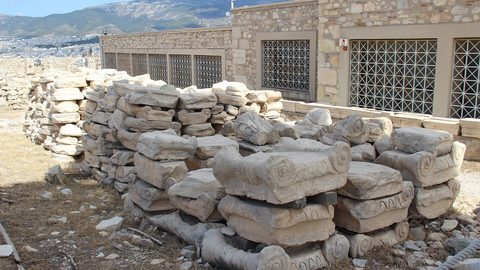 Acropolis Museum
Whether the Acropolis Museum in Athens is worth the time, how to visit without queueing twice, and how to sequence it with the Acropolis itself.
-
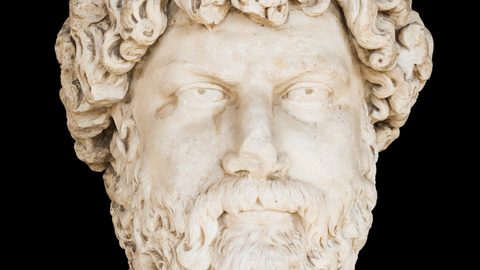 Ancient Agora
What the Ancient Agora in Athens is, whether it is worth your time, and how to visit the Hephaisteion and Stoa of Attalos without rushing.