What to Eat in Berlin and Where Berliners Actually Go for Food
Berlin's food identity revolves around specific dishes—döner kebab, currywurst, boulette—and the unpolished rituals of where and how Berliners actually eat them.
What to Eat in Berlin and Where Berliners Actually Go for Food
Berlin food culture is anchored by four street food inventions and a handful of pub kitchen classics, not by a single signature venue. The city's entire culinary identity sits in the contrast between its two most famous dishes: the currywurst, invented by Herta Heuwer in Charlottenburg in 1949, and the döner kebab, introduced by Kadir Nurman in Kreuzberg in 1972. One is a sliced pork sausage doused in spiced ketchup and dusted with curry powder, eaten standing at a metal counter. The other is veal or chicken shaved from a vertical rotisserie into quarter-pan bread with garlic or herb sauce, salad and pickled chillies. These are not restaurant dishes. They are Imbiss dishes, and understanding that distinction is the difference between eating where tourists go and eating where Berliners actually go.
Everything here is organised by dish and by eating occasion. You will not find neighbourhood roundups. You will find the specific food, the correct venue type, the friction points that catch newcomers, and the exact places where locals queue.
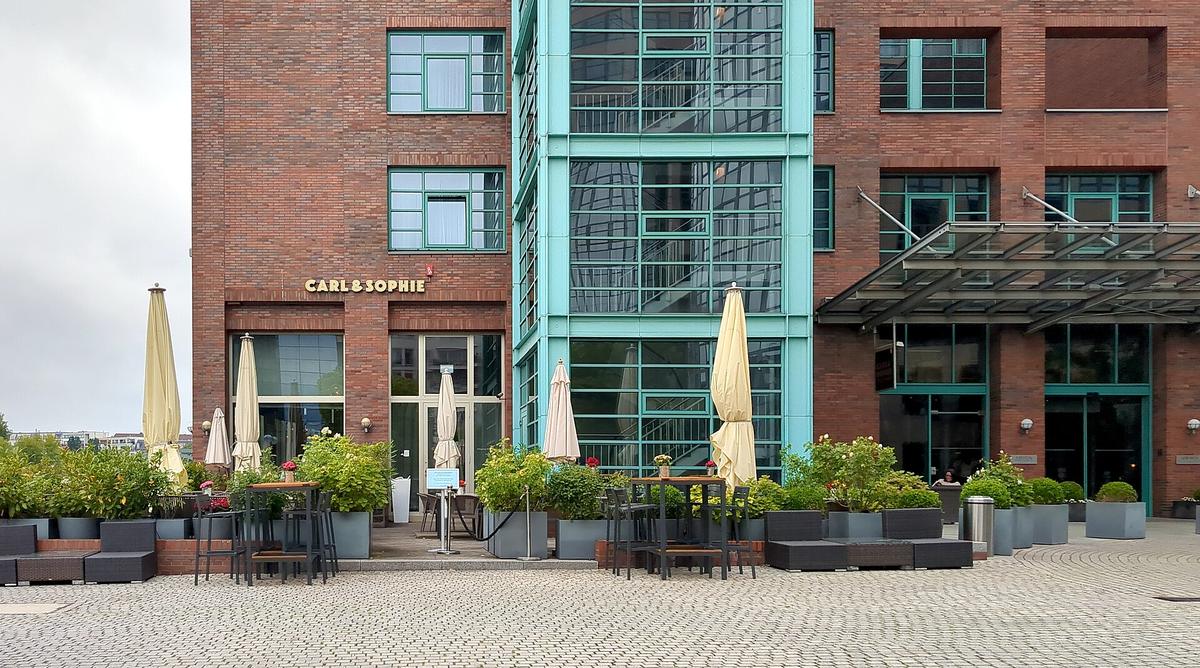

What to Eat in Berlin: the Dishes That Define the City
The Currywurst and the Döner Kebab
Berlin's food is not complicated. Most of its defining dishes are working class in origin, designed to be eaten fast with one hand or standing at a counter. Start with the currywurst. The proper venue is an Imbiss, a stand-up snack kiosk, never a sit-down place. The archetypal preparation is pork sausage sliced into coins, sauced with spiced ketchup and dusted with curry powder. Two addresses matter: Curry 36 at Mehringdamm 36 in Kreuzberg and Konnopke's Imbiss at Schönhauser Allee 44b in Prenzlauer Berg. Avoid the plated restaurant main with fries and salad garnish. That is a different dish.
The döner kebab in Berlin is not the same thing you find in other German cities. The Berlin invention claim is specific: Kadir Nurman introduced it in Kreuzberg in 1972, adapting the Turkish döner into a sandwich format. The proper preparation is veal or chicken carved fresh from the spit, served in quarter-pan bread, dressed with garlic or herb sauce, salad and pickled chillies. The venue is a Döner Imbiss with a visible rotating spit. Rüyam Gemüse Kebab at Hauptstraße 133 in Schöneberg is the benchmark. Avoid pre-carved meat from a warming tray served in a wrap with non-standard sauces.
Three More Classics
Beyond these two, Berlin's food culture runs through other classics. The boulette is a pan-fried meat patty made with mixed pork and beef and soaked bread roll in the mix. Eat it cold from a butcher's hot counter. Fleischerei Domke at Warschauer Straße 64 in Friedrichshain sells them. Avoid the boulette served as a restaurant starter with sauce. That becomes a Frikadelle, a different thing. The Berliner Pfannkuchen is a jam-filled yeast dough doughnut, not a pancake. In Berlin you call it a Berliner; elsewhere in eastern Germany it is called Pfannkuchen. Peak consumption is during Karneval in late winter. Buy it from a Bäckerei or Konditorei. Bäckerei Siebert at Oranienstraße 45 in Kreuzberg does them properly. The custard-filled or chocolate-filled Berliner sold year-round as a novelty item is not the local thing.
Königsberger Klopse are veal meatballs in a creamy caper sauce. This is a classic Berliner pub dish. You find it on the menu of traditional Eckkneipen. The same applies to Kasseler, salted and lightly smoked pork loin or neck, served cooked with sauerkraut, boiled potatoes and mustard. Eisbein is cured pork knuckle simmered until tender with the skin left on, served with sauerkraut, Erbspüree and boiled potatoes. Avoid roasted pork knuckle. That is Schweinshaxe, a Bavarian preparation, served as Eisbein. Zur Letzten Instanz at Waisenstraße 14-16 in Mitte is the classic venue for Eisbein. Booking is essential there Thursday through Saturday.
Berlin Street Food: Where and When to Find it
Beyond the Big Two
Berlin's street food is not limited to döner and currywurst, but those two account for the vast majority of quick eating. The secondary layer runs through späti culture. A späti is a late-night corner shop, and many have a hot counter selling boulettes, currywurst and cold beer. These are the places that keep the city fed after 22:00 when kitchens have closed. Cash is mandatory at almost every späti. Do not assume card payment works.
Markets and Park Cooking
Markthalle Neun in Kreuzberg runs Street Food Thursday every week. This is the best single event for sampling Berlin street food in one place: stalls sell everything from fresh Spreewald pickles to rotating international options. Arrive before 18:00 to avoid the worst queues. The hall itself is a restored 19th-century market building, and the event runs year-round regardless of weather.
Thai Park in summer is the city's most unusual street food scene. On warm weekends, Thai families set up unofficial stalls in Preußenpark in Wilmersdorf, cooking from coolers and camping stoves. The food is genuine home cooking, not a curated market. Payment is cash only. Prices are low, a few euro for a plate. The scene is unregulated, so hours are unpredictable, but it runs from late May through September on Saturday and Sunday afternoons.
Berlin Restaurants: How the System Works
Payment and Cash
Berlin's dining culture operates differently from other European capitals. The friction points are specific and catching first-timers is routine. Cash reliance is the most common trap. Many smaller bars, spätis and eateries do not accept card payment at all. Even established venues in Prenzlauer Berg and Kreuzberg may only take cash. Carry enough for a full evening. Check the venue's website for current prices before you go; dinner for two with drinks can run well past what you expect. ATMs are dense but charge fees, especially non-German cards.
Reservations and Service Style
Reservation culture is strict at the right level. For any sit-down place above casual tier Thursday through Saturday, a reservation is essential. The peak arrival time is 19:00 to 19:30. Trying to walk in without a booking at 20:00 on a Friday in Bergmannkiez will result in rejection. For Imbisse and Kneipen, no reservation is taken. You queue or you find another spot. For lunch, walk-in is standard unless you are a group of four or more. The service style in casual venues is seat yourself. Where a host stand is present, wait to be seated. Berliner Schnauze, the blunt directness of service, can feel rude if you are not expecting it. It is not rudeness. It is efficiency. Do not confuse it with hostility.
What to Expect at the Table
Tap water is not routinely served. Requesting it may result in refusal or a charge. Bottled water is the norm. Dietary markings on menus follow EU regulation with allergens labelled by letter code A through N. Vegan and vegetarian symbols are common in newer venues. Smoking is prohibited indoors. It is permitted in designated outdoor areas and in some small owner-operated Kneipen, though the rules are inconsistently enforced.
Berlin Food Culture: the Contexts That Matter
Geography and Getting Around
Berlin food culture is inseparable from the city's geography and its history. The city is a sprawling, unpolished capital that feels like a collection of villages. Getting between neighbourhoods takes 40 minutes on public transport, sometimes more. You do not eat in one central district. You eat in the district where you are, and you plan accordingly. The BVG network of U-Bahn, S-Bahn, tram and bus is the dominant mode. Validate paper tickets before boarding in the small red or yellow boxes on platforms. An unvalidated ticket is not a valid ticket. Plain-clothes inspectors issue fines on the spot; check the BVG site for the current penalty.
Seasonal Eating and Pub Staples
Seasonal food matters here. Martinsgans, roast goose with red cabbage and dumplings, is a November staple. It appears on traditional menus from mid-October through late November. Soljanka, a sour soup with cured meats, pickles, paprika and smetana, is a GDR-era import that remains standard on pub and canteen menus. Strammer Max, a slice of bread with butter, ham and a fried egg on top, is a Kneipe lunch staple. The proper venue is a Kneipe or café during lunch. Avoid Strammer Max served on sourdough with avocado or hollandaise. That is a different thing entirely.


What to Drink in Berlin
Berliner Weiße is the historic local beer. It is a low-alcohol wheat beer served with a shot of green Waldmeister syrup or red Himbeer syrup. The proper venue is a Biergarten or traditional Kneipe. Avoid bottled Berliner Weisse without syrup served in a craft beer bar. That is a different drink. Kartoffelsalat and beer is a common combination at summer Biergartens, but the real Berlin drinking ritual is buying a bottle from a späti and drinking it on a park bench or canal bank. That is not a tourism suggestion. It is what Berliners do.
Eating Occasions: When Berliners Eat What
Breakfast, Lunch and Dinner
Breakfast runs 07:00 to 10:00. Berliners eat at home or at a café. The full German breakfast buffet is rare outside hotels. Lunch, Mittag, runs 12:00 to 14:00. This is the time for boulettes from a butcher's counter, currywurst at an Imbiss, or Strammer Max at a Kneipe. Dinner, Abendbrot or Abendessen, runs 18:00 to 21:00. For traditional German food, this is when you order Königsberger Klopse, Kasseler or Eisbein. The seasonal Martinsgans appears only in November.
Late Night and the Späti Lifeline
Between meals, Berliners eat from spätis. The späti culture is central to how the city eats: late hours, cash only, limited selection of hot food and beer. If you are hungry at 23:00 on a Sunday, the späti is your option. Most kitchens close by 22:00. The one exception is the döner Imbiss, many of which run until 03:00 or 04:00 on weekends in Kreuzberg and Neukölln.
The One Thing That Most Often Goes Wrong
The single most common mistake with Berlin food is underestimating the city's geographic sprawl and trying to cover too many eating destinations in one evening. A trip from Friedrichshain to Schöneberg takes 40 minutes on public transport. If you plan to eat at Rüyam Gemüse Kebab and then hit a bar in Prenzlauer Berg and then get currywurst at Konnopke's, you will spend more time on the U-Bahn than you will eating. Pick a district and eat there. The food is not so centralised that you need to chase it. Every district has a proper döner Imbiss, a proper currywurst spot and a proper Kneipe. The one you find in your district is the one locals in that district eat. That is the one you want.
Common Questions
Is cash still required everywhere in Berlin?
No, but it is required in many places. Imbisse, spätis, smaller Kneipen and many bars still operate cash only. Larger venues in central districts like Mitte and Charlottenburg usually accept card. Budget for cash. Check venue websites for current prices; dinner and drinks for two can add up fast if you are paying cash.
What is the one Berlin food I must try as a first-time visitor?
The döner kebab from a proper Döner Imbiss with a visible rotating spit. Rüyam Gemüse Kebab in Schöneberg is the current benchmark. The Berlin döner is distinct from versions elsewhere. It was invented in Berlin in 1972, so eating one here is eating the original format.
Do I need a reservation for a casual dinner in Berlin?
Thursday through Saturday, yes, for any sit-down spot above Imbiss or Kneipe level. The peak arrival time is 19:00 to 19:30. Walk-ins at popular venues in Bergmannkiez or Prenzlauer Berg on a Friday night rarely succeed. For lunch, walk-in is fine unless you are a group of four or more.
Where do Berliners actually eat currywurst?
At Curry 36 at Mehringdamm 36 in Kreuzberg or at Konnopke's Imbiss at Schönhauser Allee 44b in Prenzlauer Berg. They eat it standing at the counter or on a nearby bench. They do not eat it in a restaurant on a plate with fries and salad. The Imbiss is the only proper venue.
What is the biggest mistake visitors make with Berlin food?
Assuming card payment works everywhere. Many first-timers arrive at a späti or an Imbiss with no cash and cannot eat. The second biggest mistake is trying to eat in the government quarter of central Mitte at night. That area is dead after dark. The eating districts that stay alive are Kreuzberg, Friedrichshain, Neukölln and Prenzlauer Berg.
Read next
-
 Berlin Hotels What the Price Bands Actually Get You
Berlin hotel prices cluster into distinct bands, and what you get for your money varies more by district and timing than by star rating.
-
 Where to Stay in Berlin by District and What Each Costs You
Where you stay in Berlin defines your trip more than in most cities. Each district has a distinct personality, price band, and real trade-off.
-
 Berlin Flights Flying Into BER Airport and Getting to the City
Berlin Brandenburg Airport is Berlin's sole airport. Here are the rail options—FEX, RE7, and S9—and the ticket rules for reaching the city centre.
-
 Berlin Things to Do Ordered by Whether It Is Worth the Time
Berlin's sights range from free and life-changing to time-consuming and skippable. Here is how to sort them by what actually repays the visit.
-
 When to Visit Berlin and What Each Season Does to the City
Berlin's seasons change more than the weather. They determine whether you get lakeside bars and street life or trade fair crowds and closed independent venues.
-
 Getting Around Berlin Without Wasting Half the Trip
Berlin is too sprawling to walk, and the BVG network is the only way to move efficiently. The catch is ticket validation, and getting it wrong costs you.
-
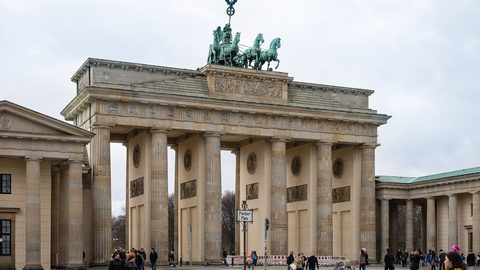 Brandenburg Gate
What the Brandenburg Gate in Berlin is really like, whether it is worth your limited time, and how to see it without the worst of the crowds.
-
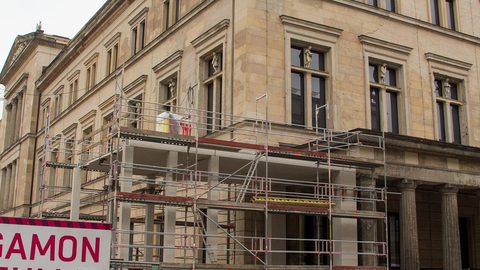 Museum Island
What Museum Island in Berlin is, how its five museums fit together, and how to visit without queueing twice for the Pergamon and the rest.
-
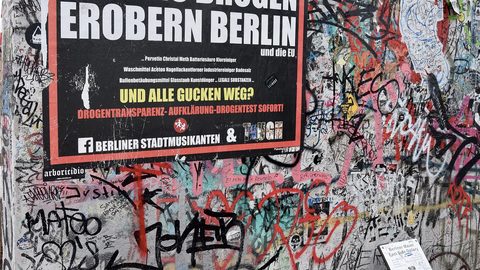 East Side Gallery
What the East Side Gallery in Berlin is really like, whether the 1.3km Wall mural stretch is worth your time, and how to pair it with the Oberbaumbrücke.