Prenzlauer Berg Berlin: What the Affluent Family District Is Like and Who It Suits
Prenzlauer Berg is Berlin's most polished residential district, dense with restored buildings, organic cafes, and families—beautiful but far from gritty
- Flag
-
- ISO code
- DE
- Currency
- EUR
- Timezone
- Europe/Berlin
Prenzlauer Berg Berlin: What the Affluent Family District is Like and Who it Suits
Sunday morning at Bearpit Karaoke in Mauerpark, a thousand strangers are screaming along to someone's off-pitch rendition of a 90s pop song. Fifteen minutes' walk south, the only sound on Kollwitzplatz is the clink of coffee cups at an organic farmers' market and the scrape of trike wheels on cobbles. That split is the entire character of Prenzlauer Berg Berlin pressed into a single afternoon. This district is the city's most polished residential quarter, defined by restored pre-war buildings, organic cafes, and a density of young families that makes any other Berlin neighbourhood look like a dormitory. But it also holds the one weekly explosion of chaotic energy in the city: the Sunday flea market at Mauerpark, complete with its open-air karaoke. Here is exactly what the district feels like, who should stay here, and who should book elsewhere.
The Berlin Prenzlauer Berg District: What it Actually is
Administratively, Prenzlauer Berg is Ortsteil 0301 in Bezirk Pankow, a 10.955 km² slice of former East Berlin that now holds 165,055 residents. More than 80% of its housing stock dates from before 1918. You are walking through Gründerzeit tenement blocks: five and six storeys of restored Altbau buildings with high ceilings, wooden floorboards, and box-type windows, arranged in perimeter blocks around leafy interior courtyards. Much of the district sits under Denkmalschutz area monument protection, which has preserved the original street grid and the built form with almost no post-war gaps.
This is not a district of monumental landmarks or tourist magnets. You will not find the Reichstag, the Brandenburg Gate, or the East Side Gallery here. What you will find is a complete, walkable residential quarter where the street life centres on neighbourhood squares. Kollwitzplatz and Helmholtzplatz anchor the southern and central sections respectively, each ringed with restaurants, third-wave coffee roasters, and small independent retail. The Wasserturm on Knaackstraße, built in 1877 as Berlin's first water tower, sits in a small park at the heart of the district. The Kulturbrauerei, a former Schultheiss brewery complex, now houses a cinema, theatre, clubs, and the Museum für Alltagskultur der DDR, which documents everyday life in East Germany with free entry.
The demographic is specific and self-selecting. The age structure skews heavily toward residents aged 30 to 45 and children aged 0 to 6. Single-person households occupy many of the smaller rear-wing flats, but the dominant household type is families with young children. Playground density is among the highest in Berlin. Quiet evenings are the norm.

Staying in Prenzlauer Berg Berlin: Who it Works for and Who Should Skip
Prenzlauer Berg suits a specific set of travellers. If you want a quiet, walkable base with excellent food, beautiful streetscapes, and low-key evenings, book here. It works for families with young children because it is safe, compact, and designed around them. It works for couples who prefer a good restaurant and a long walk over a nightclub queue. It works for anyone who values restored architecture, independant retail, and the ability to reach central sights in 20 to 30 minutes on the U-Bahn U2.
It does not suit travellers who came to Berlin for its grittier edge. The district has been heavily gentrified since the 1990s, and it shows. You will pay more for coffee here than in Neukölln or Wedding. The restaurants lean organic and artisanal. The street activism visible in Kreuzberg is nearly absent. If you want the Berlin of punk clubs, spray-painted squat walls, and 24-hour döner joints within sight of your hostel, stay in Friedrichshain or Neukölln instead.
Accommodation Options
Accommodation in Prenzlauer Berg is predominantly holiday apartments and small to mid-size hotels. There are very few hostels compared to Friedrichshain and Mitte. Expect to pay a premium for the residential environment. Book early: the district has limited hotel stock, and prices spike during major trade fairs like ITB Berlin in early March and IFA in early September, which inflate costs citywide.
Getting Around
The public transport backbone is the U2 line, with stations at Eberswalder Straße, Schönhauser Allee (also on the S-Bahn Ring lines S41 and S42), and Vinetastraße. Tram lines M1, M2, M10, and M13 cross the district north to south and east to west. You can walk from Kollwitzplatz to Alexanderplatz in about 25 minutes and to Museum Island in about 30. Use the BVG FahrInfo app for real-time routing, and buy a paper ticket from a machine before boarding: validate it in the red or yellow boxes on the platform or in the vehicle. An unvalidated ticket is not a valid ticket, and plain-clothes inspectors issue 60 euro fines on the spot. Free public Wi-Fi is unreliable, so pick up a prepaid SIM from a discounter like Aldi Talk.
Prenzlauer Berg Berlin Cafes: Where to Drink and Eat
The cafe culture here is serious. Specialty coffee roasters and third-wave cafes cluster along Kastanienallee, Oderberger Straße, Rykestraße, and around Helmholtzplatz. Many double as co-working spaces during weekday mornings, with laptop tables and passable Wi-Fi. The cuisine range is broad: Italian, Vietnamese, Middle Eastern, and modern German dominate. The organic cafes that line Kollwitzplatz on market days are more about produce quality than speed, so budget time for a slow breakfast.
For the classic Berlin street food experience, walk to Schönhauser Allee and find Konnopke's Imbiss under the U-Bahn viaduct. This is the currywurst standard: sliced pork sausage doused in spiced ketchup sauce, served with a bread roll. It has been operating since 1930. The queue is a reliable indicator of quality. Do not expect a seat. Eat it standing at the counter or on a bench in the nearby park.
For a proper dinner, book ahead Thursday through Saturday. Finding a table at a popular restaurant without a reservation is impossible those nights. The Berliner Schnauze, the city's famously blunt service style, operates here too: expect directness, not politeness. Pay in cash at many smaller places because card payment is not guaranteed.
Prenzlauer Berg Berlin Things to Do: Beyond the Cafes
The single best thing to do in Prenzlauer Berg is to do nothing but walk. The restored pre-war buildings on streets like Choriner Straße and Dunckerstraße are the attraction. But if you want a few anchors for your time, here are the essentials.
Mauerpark on Sunday
Arrive by 10:00. The flea market runs year-round, though stalls reduce in number during winter. By noon, the crowd is thick enough that you will move at shuffle pace between second-hand clothes, vinyl records, and vintage lamps. At 15:00, the Bearpit Karaoke begins in the amphitheatre at the southern end of the park. It operates Sundays from late March to late October, weather permitting. The singing is terrible. The atmosphere is electric. This is the one moment each week when Prenzlauer Berg drops its well-behaved facade and becomes chaotic.
Gedenkstätte Berliner Mauer
The Berlin Wall memorial sits on Bernauer Straße, a 20-minute walk or a short tram ride from Kollwitzplatz. It preserves a segment of the Wall with a viewing platform, a documentation centre, and an outdoor exhibition. Entry is free. Allow 90 minutes. It is a sobering counterpoint to the neighbourhood's affluent present, and a reminder that this district sat in East Berlin for forty years.
Kulturbrauerei and the DDR Museum
The Museum für Alltagskultur der DDR, housed in the former Schultheiss brewery complex, covers daily life in East Germany with a permanent exhibition that is free. You can walk through a reconstructed Plattenbau apartment, watch state television broadcasts, and read personal letters from the period. The surrounding Kulturbrauerei complex also contains a cinema and a theatre, and in late November through December it operates a winter holiday market with crafts and food.
Volkspark Prenzlauer Berg
This 29-hectare park sits on the site of a former gasworks. It contains sports fields, playgrounds, and a hill that offers a decent city view. It is quieter than Mauerpark and better for an afternoon with children. Adjacent to it, the Gethsemanekirche, a Neo-Gothic brick church, was a gathering point during the peaceful protests of 1989 that helped bring down the Berlin Wall.

| Feature | Prenzlauer Berg | Mitte | Friedrichshain |
|---|---|---|---|
| Dominant Built Form | Restored Gründerzeit tenements | Mix of historic and government | Late-19th century plus post-industrial reuse |
| Nightlife Character | Dispersed cafes, bars, restaurants | Concentrated around Hackescher Markt | Large clubs, music venues, nightlife corridors |
| Household Profile | Families with young children | Mix of tourists and professionals | Young adults, students, creatives |
| Playground Density | High | Low | Moderate |
| Typical Accommodation | Holiday apartments, small hotels | Large hotels, hostels | Hostels, budget hotels |
| Walk to Alexanderplatz | 25 minutes from Kollwitzplatz | Directly adjacent | 20 minutes from Warschauer Strasse |
Who Should Skip Prenzlauer Berg Entirely
Prenzlauer Berg is not for everyone. Skip it if you want a compact, instantly picturesque old town. Berlin does not have one, and Prenzlauer Berg is not pretending to be it. Skip it if you want the politically charged, visibly alternative street life of Kreuzberg or the 24-hour club scene of Friedrichshain. Skip it if you are on a tight budget: accommodation here costs a premium over Wedding or Neukölln. Skip it if you want to be in the dead-quiet government quarter of central Mitte and then wonder where the electric Berlin of imagination is. Book Prenzlauer Berg when you want a beautiful, calm residential base with excellent food and the ability to reach the rest of the city in under half an hour. The single most practical thing to do next: open the BVG FahrInfo app, locate the U2 station closest to your accommodation, and confirm your route to whichever landmark opens earliest on your arrival day. That is the only puzzle this district gives you to solve.
Other areas in Berlin
Common Questions
Is Prenzlauer Berg only for families with children?
No, but the district is heavily oriented toward them. The playground density, quiet streets, and family-sized apartments reflect a demographic where residents aged 30 to 45 and children under 6 dominate. Couples and solo travellers who value quiet residential environments with good food and walkable streets will also enjoy it. Travellers after nightlife or gritty urban energy should stay in Friedrichshain or Neukölln.
How far is Prenzlauer Berg from the main Berlin sights?
Kollwitzplatz is about a 25-minute walk from Alexanderplatz, 30 minutes from Museum Island, and 40 minutes from the Reichstag and Brandenburg Gate on the U2 line and tram. You are not in the tourist core, but you are close enough for a reasonable walk or a short public transport ride.
What is the best time of year to visit Prenzlauer Berg?
May through September, when the weather is warm, outdoor seating at cafes opens, and Mauerpark's Bearpit Karaoke is running. Spring brings cherry blossom along Bornholmer Strasse and Schwedter Strasse. Autumn has leaf colour in Volkspark Prenzlauer Berg. Winter is low season except for the Christmas market at Kulturbrauerei, which operates late November through late December.
Is it easy to find parking in Prenzlauer Berg?
No. The entire district operates paid parking under Parkraumbewirtschaftung, zone number 30. Finding a free street spot is nearly impossible. If you arrive by car, book accommodation that offers dedicated parking. For day trips, use public transport: the U2, S-Bahn Ring, and tram lines cover the area effectively.
How does Prenzlauer Berg compare to Mitte or Friedrichshain?
Mitte is the historic and institutional centre, dense with monumental buildings, government quarters, and tourist corridors. Friedrichshain is grittier and younger, with large clubs, street art, and a more visibly alternative culture. Prenzlauer Berg is quieter, more residential, and more uniform in its affluent demographic. It has very few large music venues or clubs and a fraction of the hostel beds.
Read next
-
 Berlin Hotels What the Price Bands Actually Get You
Berlin hotel prices cluster into distinct bands, and what you get for your money varies more by district and timing than by star rating.
-
 Where to Stay in Berlin by District and What Each Costs You
Where you stay in Berlin defines your trip more than in most cities. Each district has a distinct personality, price band, and real trade-off.
-
 Berlin Flights Flying Into BER Airport and Getting to the City
Berlin Brandenburg Airport is Berlin's sole airport. Here are the rail options—FEX, RE7, and S9—and the ticket rules for reaching the city centre.
-
 Berlin Things to Do Ordered by Whether It Is Worth the Time
Berlin's sights range from free and life-changing to time-consuming and skippable. Here is how to sort them by what actually repays the visit.
-
 When to Visit Berlin and What Each Season Does to the City
Berlin's seasons change more than the weather. They determine whether you get lakeside bars and street life or trade fair crowds and closed independent venues.
-
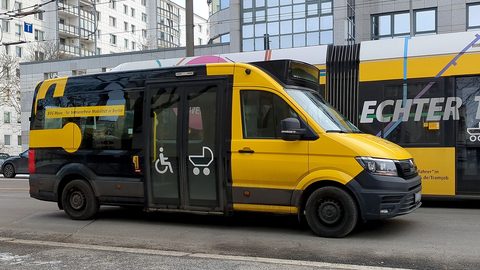 Getting Around Berlin Without Wasting Half the Trip
Berlin is too sprawling to walk, and the BVG network is the only way to move efficiently. The catch is ticket validation, and getting it wrong costs you.
-
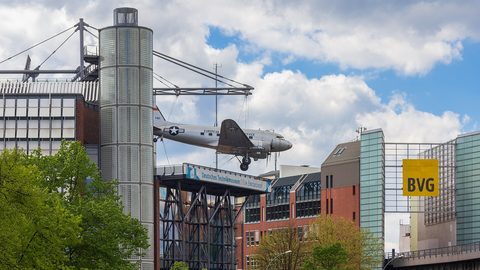 Kreuzberg
 balances its punk past with gentrified present, dense with Turkish food, late-night bars, and a split between leafy Bergmannkiez and loud Oranienstraße.
-
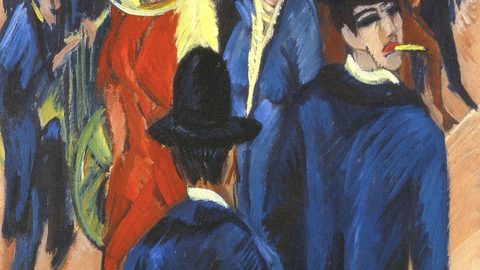 Mitte
Mitte packs Berlin's biggest sights into a walkable historic core, but the government quarter goes quiet after dark and Monday museum closures hit hard.
-
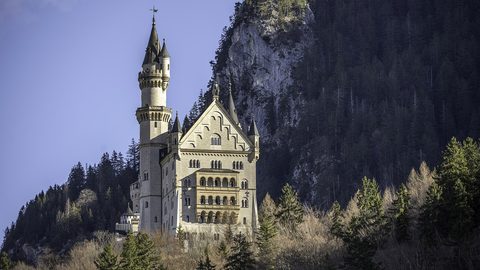 Germany Travel Guide for People Who Like Things to Actually Work
Germany is a federation of 16 states with distinct identities, laws, and holiday calendars. This guide explains the structure before you plan a trip.