Berlin Hotels and What Each Price Band Actually Gets You
Berlin hotel prices cluster into distinct bands, and what you get for your money varies more by district and timing than by star rating.
Berlin Hotels and What Each Price Band Actually Gets You
Booking a hotel in Berlin means paying for location and space in a city that has no single centre. Not for polish or service. Dynamic pricing shifts the nightly rate by season, lead time, and occupancy, so two identical rooms can cost very different amounts depending on when you book. The price band determines which part of Berlin you wake up in, how much floor area you have, and whether you share a toilet. Everything else is negotiable. Match the rate to the tradeoff you are willing to make.
Berlin Hotel Price Bands: What the Nightly Rate Actually Buys
How Pricing Works
Berlin does not have a standard nightly rate. The accommodation pricing model is dynamic. The same room costs less in January on a Tuesday than it does in July on a Saturday. The city tax, officially the Berlin City Tax (Übernachtungssteuer), adds 5% of the net accommodation price to every stay for leisure travellers. Business travellers with verifiable professional necessity are exempt, and stays exceeding 21 consecutive nights stop attracting the tax from the 22nd night onward. VAT on the room sits at 7%, the reduced rate for overnight stays. Breakfast is charged at 19% if it is not included in the room price. The Deutsche Hotelklassifizierung, published by DEHOGA, assigns star ratings valid for three years from the award date. Check the current classification schedule when you compare properties.

Berlin Budget Hotel Areas
Where You Stay and What You Get
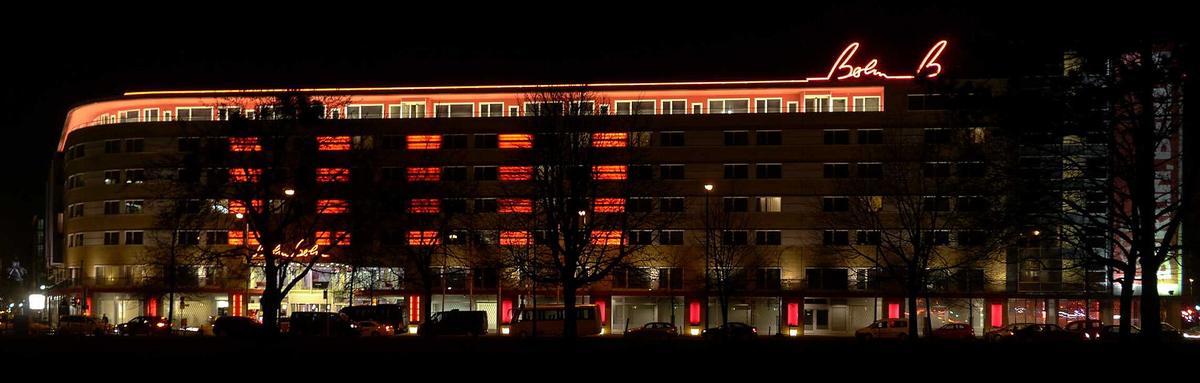
The budget tier gets you a clean bed in a gentrifying fringe neighbourhood. Wedding, Neukölln, or the rougher edges of Friedrichshain. The room will be small, often under 14 square metres, and the bathroom is frequently shared. Breakfast is not included. You are paying for a place to sleep, not a place to linger. The upside is location: these are the quarters where the creative energy is densest. Neukölln is the hipster epicentre, dense with bars and international students. Wedding is rough-edged and rapidly gentrifying with an emerging art scene. You will spend more time on the U-Bahn getting to Museum Island or the Reichstag Building, but your nightly rate will be half what it costs in Mitte.
Noise, Payment, and Booking Ahead
The downside is noise. Street-facing rooms in pre-war buildings with single-glazed windows are standard at this tier. A courtyard room on the far side from the lift helps, but you cannot guarantee one without paying for an upgrade. Cash is still mandatory at many smaller hotels in these areas, and card payment may not work at check-in. Book ahead if you are arriving during peak summer or during a trade fair spike like ITB Berlin in early March or IFA Berlin in early September. Trade fairs inflate prices citywide and the cheapest rooms vanish first. The Berliner Schnauze, the blunt directness in service interactions, is strongest at this level. Expect functional check-in, not a welcome.
| Band | Typical District | Room Size | Bathroom | Breakfast | Property Type |
|---|---|---|---|---|---|
| Budget | Wedding, Neukölln, outer Friedrichshain | Under 14 m² | Shared or small private | Not included | Hostel-style or basic guesthouse |
| Mid-Range | Charlottenburg, Prenzlauer Berg, Schöneberg | 14–22 m² | Private | Often included or add-on at 19% VAT | Converted pre-war building, boutique or chain |
| High-End | Mitte government quarter, Charlottenburg near palace | 25 m² and up | Private, often with bathtub | Included in rate | Design-conscious property, independent or luxury chain |
Berlin Mid-Range Hotel: Connected Neighbourhoods and Private Space
What the Mid-Range Buys
The mid-range is where the tradeoff tilts in your favour. You get a private room in a converted pre-war building in a connected neighbourhood. Charlottenburg, Prenzlauer Berg, and Schöneberg are the core areas here. Charlottenburg is West Berlin's old centre, bourgeois and leafy, near the palace. Prenzlauer Berg is affluent and family-friendly with restored pre-war buildings. Schöneberg is traditional and leafy, the historic LGBTQ+ quarter. Room sizes run from 14 to 22 square metres. The bathroom is private. Breakfast is either included in the rate or offered as an add-on. If it is separate, remember it is charged at the standard 19% VAT rate, not the reduced 7% that applies to the room itself.
Building Character and Booking Strategy
The property is likely a converted pre-war building. High ceilings, original floorboards, thick walls that block street noise. The downside: many of these buildings lack lifts. A third-floor walk-up with no air conditioning in July is a real possibility. The mid-range also covers chain hotels, which trade character for consistency. Book three to six months ahead for the best early booking discount pattern, which favours non-refundable advance purchase rates. The lowest rates come from non-refundable plans. Decide how flexible your dates actually are before you click. Weekend rates in these neighbourhoods are often lower than weekday rates, because business travellers fill Mitte and Charlottenburg from Monday to Thursday, then clear out.

Berlin High-End Hotel: Design and Location in Central Districts
Space and Address
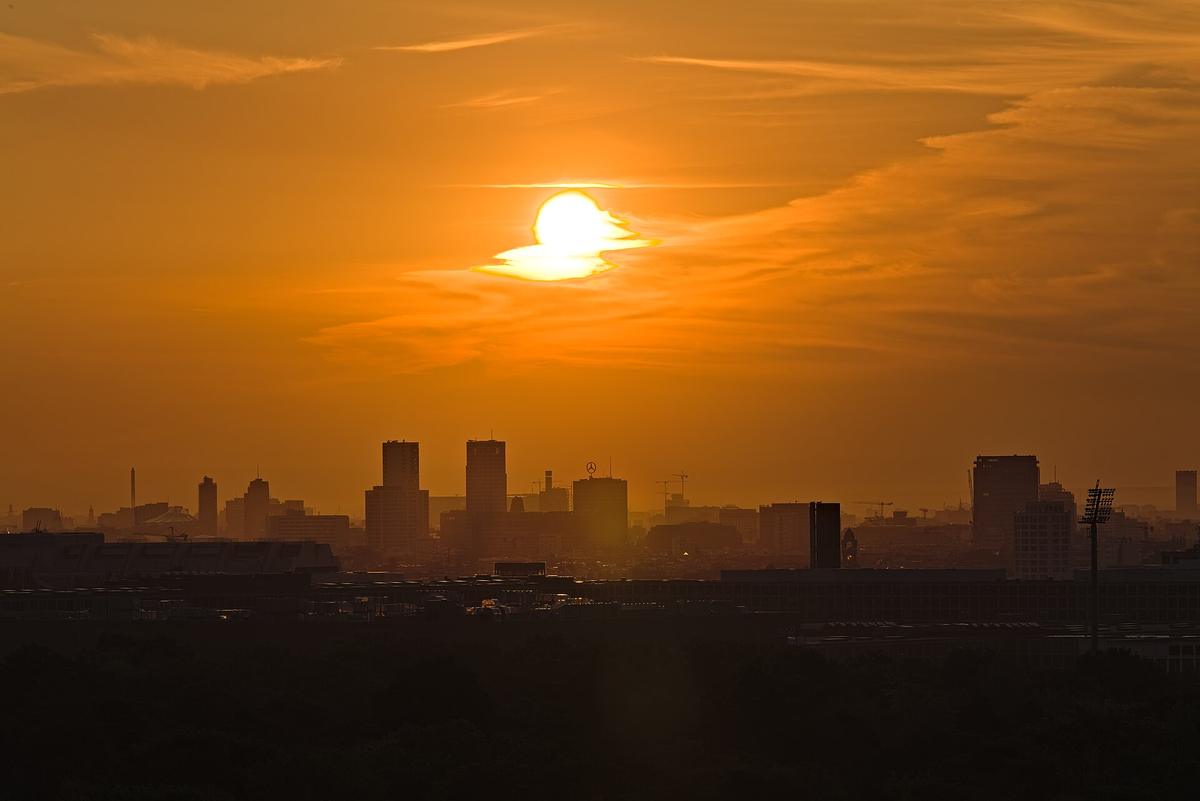
The high-end tier buys you a design-conscious property in a central or historically rich area. Mitte government quarter and Charlottenburg near the palace are the prime addresses. Rooms start at 25 square metres and climb from there. The bathroom is private with a bathtub. Breakfast is included, so you avoid the 19% VAT sting. The property classification at this level is either an independent boutique hotel or a luxury chain operating under the German Hotel Classification star system.
The Mitte Tradeoff
The upside is location. Waking up in central Mitte puts you within walking distance of the Brandenburg Gate, the Reichstag Building, the Memorial to the Murdered Jews of Europe, and Museum Island. The downside: the government quarter of central Mitte is dead quiet at night and on weekends. First-timers who book here expecting the Berlin of imagination often find themselves walking through empty streets after dinner, wondering where everyone went. The service style remains famously blunt even at this tier. A high nightly rate does not buy you a deferential welcome. The price variation by day of week flips here: weekday rates are higher than weekend rates because the quarter fills with business travellers during the week. If you want the design and the space but also want nightlife within stumbling distance, look for a high-end property in Kreuzberg or Friedrichshain instead. The trade fair spike does not push the rate as aggressively there.
Berlin Hotel Booking Tips: What to Watch for
Practical Tools and Room Choice
The BVG FahrInfo app is the definitive tool for real-time public transport routing. Get an eSIM or a local prepaid physical SIM from a discounter like Aldi Talk. Free public Wi-Fi is patchy and unreliable. Book a courtyard room on the far side from the lift if the property is a pre-war conversion. Street-facing rooms in these buildings let in every tram and taxi. Avoid the dead-quiet government quarter of central Mitte if you want the Berlin of imagination. The beauty of Berlin is fragmented and the service style is blunt. That applies whether you pay 80 euros or several times that a night.
Who Berlin Suits and How Long to Stay
Berlin is best for creatives and artists, contemporary history buffs, nightlife purists, budget-conscious travellers, and those who prefer gritty authenticity over manicured prettiness. It is not for travellers seeking a compact old town or a highly polished, formal European capital experience. The city's beauty is fragmented and its service style famously blunt. A four-day minimum covers the core historical sights across the sprawling city without sprinting and lets you sample the nightlife at least once. Book ahead for peak summer, shoulder season, or any trade fair window. Arrive at Berlin Brandenburg Airport, take the FEX or RE7 regional train to Berlin Hauptbahnhof in about 30 minutes, and validate your paper ticket in the small red or yellow boxes on the platform before you board.
Frequently Asked Questions
How much is the Berlin city tax and who has to pay it?
The Berlin City Tax, officially the Übernachtungssteuer, is 5% of the net accommodation price, excluding VAT and service charges. Leisure travellers pay it. Business travellers with verifiable professional necessity are exempt. Stays exceeding 21 consecutive nights stop attracting the tax from the 22nd night onward.
What do trade fairs like ITB and IFA do to hotel prices?
Major trade fairs like ITB Berlin in early March and IFA in early September inflate hotel prices citywide. Rates rise sharply two to four weeks before the event as occupancy increases. The spike affects every tier, so book ahead three to six months in advance if you are travelling during those windows.
Is breakfast included in the room price or charged separately?
It depends on the rate plan. Budget properties rarely include breakfast. Mid-range properties sometimes include it, sometimes offer it as an add-on. High-end properties include it. If breakfast is charged separately, it is subject to the 19% VAT rate for ancillary services, not the 7% reduced rate that applies to the room.
Which districts are cheapest for hotels?
Wedding, Neukölln, and the outer edges of Friedrichshain offer the lowest nightly rates. These are gentrifying fringe areas with shared facilities, small rooms, and no breakfast included. The tradeoff is travel time to the core historical sights, which takes 40 minutes or more on public transport.
When is the cheapest time to book a Berlin hotel?
January and February, excluding trade fair dates, and late autumn in November, excluding fair dates, are the low demand periods. Non-refundable advance purchase rates booked three to six months ahead offer the largest discount. Weekend rates are cheaper than weekday rates in business-oriented areas like Mitte and Charlottenburg, and the inverse is true in leisure-oriented areas.
Read next
-
 Where to Stay in Berlin by District and What Each Costs You
Where you stay in Berlin defines your trip more than in most cities. Each district has a distinct personality, price band, and real trade-off.
-
 Germany Travel Guide for People Who Like Things to Actually Work
Germany is a federation of 16 states with distinct identities, laws, and holiday calendars. This guide explains the structure before you plan a trip.
-
 Staying Connected in Germany With eSIM, Local SIM, or Roaming
Mobile data in Germany means navigating rural black spots, scarce free Wi-Fi, and mandatory passport registration for local SIM cards.
-
 When to Visit Germany and What Each Season Actually Delivers
Germany's travel seasons are defined by school holidays, trade fairs, and Christmas markets. Here is when to go and when to avoid.
-
 Getting Around Germany Without Falling for the Flexpreis Trap
How to use Germany's train system, avoid a €60 fine for the wrong ticket, and understand the difference between flexible and advance fares.
-
 How to Budget a Trip Based on Purchasing Power, Not Just Exchange Rates
Exchange rates tell only half the story. See how purchasing power shapes your real travel budget across Southeast Asia, Eastern Europe, and Latin America.
-
 A Ground-Level Logistics Guide to Independent Travel in China
First-time independent travel in China: what you need to know about visas, rail booking, eSIMs, mobile payments, and power adapters.
-
 How Solo Travelers Stay Ahead of Flight Delays and Cancellations
How solo travelers can track inbound aircraft, claim rebooking rights, and adjust ground transport when flights go wrong — step by step.
-
 Why Your eSIM Might Not Work Abroad and How to Check Before You Go
Buying an eSIM doesn't guarantee signal abroad. Learn why coverage fails by location and how to verify reach before you commit to a plan.