The Best Time to Visit Germany From Christmas Markets to Spargelzeit
Germany's travel seasons are defined by school holidays, trade fairs, and Christmas markets. Here is when to go and when to avoid.
Germany Through the Year from Christmas Markets to Spargelzeit
A train pulls into Hannover Hauptbahnhof in mid-April, and the hotel lobby that charged you a reasonable rate last week wants triple the night. Hannover Messe is on. Two hours south, across the line into Bavaria, the white asparagus arrives in the market stalls and every restaurant menu from Munich to the Alps switches to Spargelzeit. This is how the calendar actually hits you in Germany. The weather matters, but the staggered school holidays, the trade fair dates, and the culinary seasons matter more. The best time to visit depends entirely on which version of the country you want to see.
Germany Seasons Travel: What the Climate Charts Miss
Germany sits on a climate fault line. West of a line from Hamburg to Munich, the maritime influence (Köppen Cfb) keeps winters damp and summers mild. East of that line, the continental Dfb zone delivers colder winters, hotter summers, and more days below 0°C. The difference between a January morning in Cologne and a January morning in Dresden can be 6°C and two hours of additional cloud cover. Above 1,200 m in the Bavarian Alps, the shift to an Alpine pattern (Cfc and ET on the Zugspitze summit) extends winter snow cover into April. The latitude spread matters too: Flensburg on the Baltic Coast gets 7.5 hours of daylight at the winter solstice and 17.5 hours in June. Garmisch-Partenkirchen, 600 km south, gets roughly 8.5 and 16.5.
Spring arrives four to six weeks earlier in the Rhineland than in Saxony or Brandenburg. From late March, the Upper Rhine Plain warms up while Saxon Switzerland still has frost. The trade-off is that variable spring weather, plus some high-altitude facilities staying closed until May, keeps visitor numbers low. Autumn runs a reverse pattern: September is stable across most of the country, then October and November bring increasing rain and wind. The wine regions of the Moselle Valley, the Rhine, Pfalz, and Baden concentrate their harvest festivals and wine tastings in September and October. By early November, mountain huts above 1,500 m close and the first snowfall resets the season.
Winter Brings Two Separate Countries
Below 200 m, lowland winter is overcast, damp, and near freezing. Snow rarely settles. It often melts within hours. The eastern pattern, from Saxon Switzerland into Lusatia and across the Harz Mountains, is colder and clearer, with more days below zero and snow that stays on the ground. Above 800 m in the Alps, reliable snow cover powers the ski season. You can ride a cable car to the top of the Zugspitze in February and stand on tundra. You can also stand in a Frankfurt bakery in February and wonder why nobody told you it would rain for five straight days.

The Real Cost of Peak Season: Summer Crowds and Trade Fair Hotel Spikes
Summer peak runs from June into August, and it is driven less by weather and more by the staggered school holidays across all 16 federal states. The total window stretches from late June to early September. Families from one state travel while another state is still in school, which spreads the domestic surge but never eliminates it. On the Baltic Coast and the North Sea, accommodation requires a reservation weeks ahead. In the southern cities, Freiburg, Heidelberg, and Munich, high temperatures meet a near-total absence of air conditioning in budget and mid-range hotels. Afternoon thunderstorms are frequent above 1,500 m in the Alps. The hiking trails and cable cars run at full capacity, but the queue for the Zugspitze cable car in Garmisch can eat two hours of a summer day.
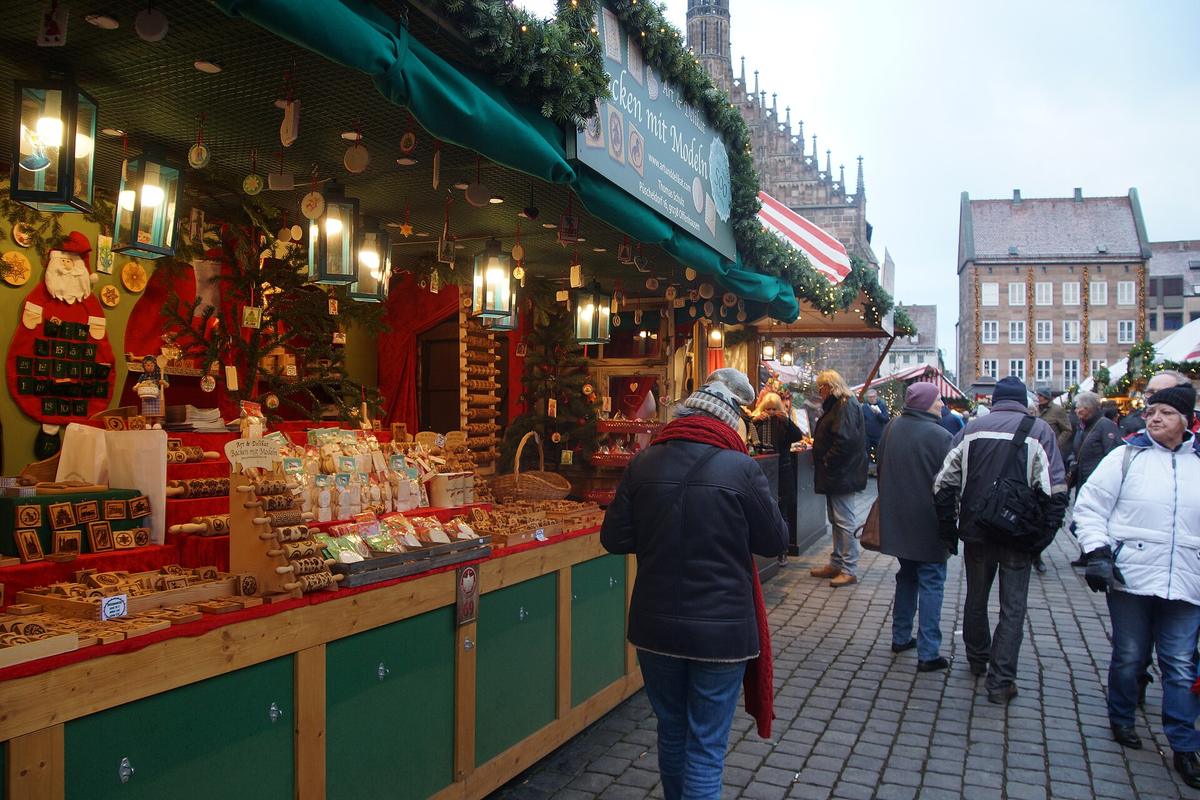
December is the other peak, driven by the festive markets. Every major city and most small towns operate markets from late November until Christmas Eve. Accommodation demand in historic centres spikes hard. A room in a half-timbered hotel in Rothenburg ob der Tauber that costs a moderate sum in October can double in the first week of the month.
Trade fairs produce the most aggressive price spikes in Germany. They are year-round and city-specific. Hannover Messe, the IAA, and the Frankfurter Buchmesse inflate hotel rates in their host cities by a factor of three or four. If you arrive in Frankfurt on a Buchmesse week in October without a room booked six months ahead, you will pay a premium rate for a standard room in a suburban hotel that normally charges a fraction of that. The same applies to Munich during Oktoberfest weeks from late September into early October, which inflates accommodation across all of Bavaria, not just the city itself.
The Dead Zone Between Christmas and New Year
This is the window to avoid. Many attractions close entirely. Museums operate reduced hours. Shops stay shut. The atmosphere shifts to family-only, and if you are travelling alone or as a couple without a German invitation, you will spend most of the week looking for an open restaurant. The one exception is the ski resorts, which stay open, but getting there by train on a reduced holiday schedule requires careful planning. Do not land in Berlin on December 27 expecting a full itinerary.| Season | What Happens | What To Book Ahead | What Goes Wrong |
|---|---|---|---|
| Spring (Apr-May) | Spargelzeit menus appear. Rhineland warms 4-6 weeks before east. Fewer visitors. | Spargelzeit restaurant tables in popular wine towns. | High-altitude facilities closed. Easter weekend motorway gridlock. Variable rain. |
| Summer (Jun-Aug) | School holidays create domestic travel surge. Baltic and Alpine coasts busy. | Accommodation on Baltic Coast, Alps, and any city. Timed entry for Neuschwanstein Castle. | No air conditioning in budget hotels. Afternoon thunderstorms in Alps. |
| Autumn (Sep-Oct) | Stable September weather. Wine harvest festivals in Mosel, Rhine, Pfalz, Baden. | Hotels during Frankfurter Buchmesse and Oktoberfest weeks. Mountain huts before close. | Huts close by early November. Daylight shortens fast. Rain increases after September. |
| Winter (Nov-Dec) | Festive markets run late Nov to Christmas Eve. Alpine ski season. | Festive market city hotels. Ski accommodation. Reichstag Dome booking. | Retail closed Sundays. Cash mandatory at market stalls. Wet lowland weather. |
| Dead Zone (Dec 27-Jan 1) | Attractions closed, reduced transport schedule, family-only atmosphere. | Nothing. This is the week to leave Germany. | Most museums and restaurants shut. No markets. Boredom and expense. |
Germany Christmas Market Dates and the Season Around Them
The festive market season runs from late November to Christmas Eve, December 24. Each city sets its own dates, but the pattern is consistent: the markets open between November 21 and November 28 and close on December 23 or at midday on December 24. The largest markets in Cologne, Nuremberg, Dresden, and Munich draw crowds that make the summer tourist numbers look modest. The key number is not just the market dates but the accommodation window. Hotels in historic centres sell out for every Friday and Saturday night between the first Advent weekend and Christmas Eve. If you want a room in Rothenburg ob der Tauber for the second Advent weekend, book it in September.
The markets do not operate on Christmas Eve. After December 24, the transition to the dead zone is immediate. December 25 and 26 are public holidays. Almost nothing operates on December 25 except some restaurants that require a reservation made weeks ahead. Do not plan to arrive on December 24 and see markets on December 25.
Germany Summer Crowds: Where They Actually Accumulate
Summer crowds are not uniform across Germany. They concentrate on the Baltic Coast, the Bavarian Alps, and in the medieval walled towns that serve as day-trip magnets from the big cities. Rothenburg ob der Tauber receives a daily flood of bus tours from Munich and Frankfurt between 10:00 and 15:00 from June into August. The Bastei Bridge in Saxon Switzerland is packed by midday. The Zugspitze cable car queue can exceed 90 minutes in July and August, partly because the weather window for clear views is narrow and partly because everyone has the same idea.
The southern cities, Freiburg and Heidelberg, see high temperatures that can make walking the historic centres uncomfortable by 14:00. Air conditioning is not standard in budget or mid-range accommodation. If you are booking a room in Munich or Heidelberg in August for under a certain price point, you are sleeping in a room with a fan and an open window, and the window faces a street that is busy until midnight.
The Baltic Coast and the North Sea beaches are busy but less frantic than the Alps, partly because the water temperature rarely exceeds 18°C. The strandkörbe, those wicker beach chairs synonymous with the German coast, must be rented in advance at popular beaches. The Wadden Sea mudflats, exposed at low tide with a tidal range of up to 3.5 m, require a certified guide for walking tours. You cannot just walk out onto the flats alone.

Germany Trade Fair Hotel Spikes and How to Avoid Paying Them
The trade fairs produce predictable, extreme price spikes in their host cities. Hannover Messe in April, the IAA in September, and the Frankfurter Buchmesse in October are the main events. If your travel dates are flexible, check the trade fair calendar for your intended city before booking anything. A Tuesday night in Frankfurt during Buchmesse costs roughly the same as a Tuesday night in a Munich luxury hotel during Oktoberfest.
The workaround is to stay outside the host city and commute by train. For Hannover, stay in Celle or Hildesheim, both 20 to 30 minutes by regional train. For Frankfurt, stay in Mainz or Wiesbaden, across the river and 15 to 25 minutes on the S-Bahn. For Munich during Oktoberfest, stay in Augsburg, a 40-minute regional train ride and a fraction of the Munich price. The Deutsche Bahn regional trains run frequently enough that the commute adds 30 minutes to your morning but saves a substantial sum per night.
Buy the Right Train Ticket
The Sparpreis ticket, bought in advance for a specific train, costs up to a third of the Flexpreis. Tourists routinely buy the wrong ticket type. Boarding an ICE with a regional-only ticket incurs a fine of €60, payable on the spot. Deutsche Bahn staff check tickets on roughly one in three long-distance trains. Use the DB Navigator app to buy the correct ticket before boarding.Spargelzeit: the Culinary Season That Reshapes Travel
Spargelzeit defines the spring shoulder season. From late April until June 24, the official end of white asparagus season, every restaurant menu in the Upper Rhine Plain, Baden, and Bavaria features Spargel. It appears with hollandaise sauce, boiled potatoes, and ham. The season is taken seriously. Germans travel specifically to asparagus-growing regions for short breaks, which means accommodation in wine towns along the Moselle Valley and in the Rhine Gorge fills on weekends during Spargelzeit. The same towns that are quiet in March become busy in May. Book a table for dinner in a half-timbered wine tavern in Bernkastel-Kues or Rüdesheim at least a week ahead during May.
The season ends sharply on June 24, known as Johannistag. After that date, the white asparagus goes off the menus and the summer fruit and berry season begins. If you arrive in late June, you have a window of only a few days to catch both the last Spargel and the first summer produce.
What Works and What Does Not
Germany suits road trippers who value well-maintained highways and compact historic towns. It suits history buffs tracing medieval, Cold War, and 20th-century layers. It suits cyclists and hikers who want signposted trails running through the Black Forest, Saxon Switzerland, and the Moselle Valley. It suits festive-market enthusiasts who book accommodation months ahead and accept the cold. It suits business travellers extending a trip into a weekend.
Germany does not suit spontaneous nightlife seekers who expect 24-hour cities. It does not suit travellers on ultra-tight budgets in the south, where Munich and the Alpine towns charge premium prices. It does not suit anyone who wants consistently warm, sunny beach weather. It does not suit anyone frustrated by cash-only payments and limited digital infrastructure. The one thing that most often goes wrong is the rail ticket: buy a Sparpreis for the specific train you board, or pay €60 for the mistake.
Common Questions
When is Spargelzeit and why does it matter?
Spargelzeit runs from late April to June 24. White asparagus is served with hollandaise, potatoes, and ham on every restaurant menu from the Upper Rhine Plain into Bavaria. It is a distinct culinary season that draws Germans on short breaks to asparagus-growing regions. Book restaurant tables in advance in popular wine towns along the Moselle Valley and the Upper Rhine Plain.
Can I visit Germany on a Sunday without planning ahead?
No. Sunday closures are nationwide. Shops are closed except at train stations, airports, and petrol stations. Restaurants and museums stay open, but supermarkets are shut. If you arrive in a small town on Sunday without food, the only option is a petrol station shop with limited stock. Plan your grocery run for Saturday.
How much cash should I carry in Germany?
Carry at least €100 in cash per person per day if you are eating out. Many restaurants, bakeries, and smaller shops refuse card payments without signage. Public toilets cost €0.50 to €1.00 and are often coin-operated. The Sanifair voucher system, where a coin payment gives you a discount voucher for a shop, confuses first-time visitors. Always have coins.
What is the biggest mistake first-time visitors make?
Trying to cover Berlin, Munich, the Rhine, and Neuschwanstein Castle in one week by train. The transit time between regions burns half the trip. Germany requires a minimum of 10 days to experience its regional contrast. With less time, pick one region, the Bavarian Alps or the Moselle Valley, and go deep.
Is tap water safe to drink in Germany?
Yes, tap water is safe to drink nationwide. But it is not served free in restaurants. Asking for Leitungswasser often gets a flat refusal. You are expected to order bottled water, which costs €3 to €5. Carry a reusable bottle and fill it at your hotel sink.
Read next
-
 Staying Connected in Germany With eSIM, Local SIM, or Roaming
Mobile data in Germany means navigating rural black spots, scarce free Wi-Fi, and mandatory passport registration for local SIM cards.
Staying Connected in Germany With eSIM, Local SIM, or Roaming
Mobile data in Germany means navigating rural black spots, scarce free Wi-Fi, and mandatory passport registration for local SIM cards.
-
 Getting Around Germany Without Falling for the Flexpreis Trap
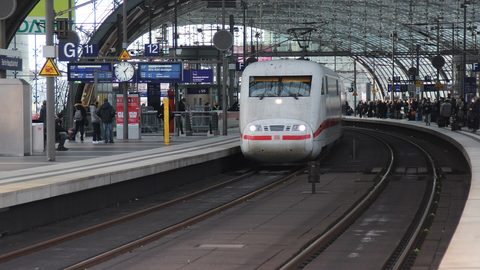
How to use Germany's train system, avoid a €60 fine for the wrong ticket, and understand the difference between flexible and advance fares.
Getting Around Germany Without Falling for the Flexpreis Trap
How to use Germany's train system, avoid a €60 fine for the wrong ticket, and understand the difference between flexible and advance fares.
-
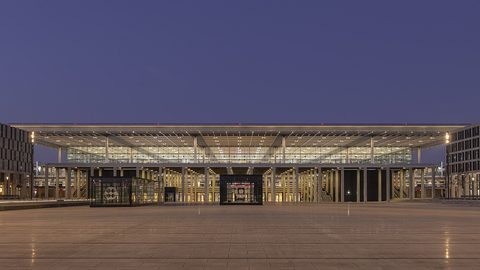 Who Needs a Visa for Germany and How the Application Actually Works
A clear breakdown of who needs a visa to enter Germany, who is exempt, and the step-by-step process for a Schengen visa application.
Who Needs a Visa for Germany and How the Application Actually Works
A clear breakdown of who needs a visa to enter Germany, who is exempt, and the step-by-step process for a Schengen visa application.
-
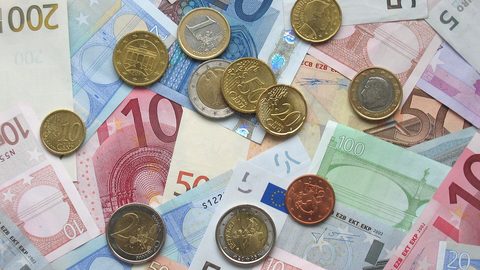 Cash Is King in Germany and Your Card Will Often Be Useless
Germany remains a cash-first economy where many restaurants and shops refuse cards. Here is exactly where you need physical euros.
Cash Is King in Germany and Your Card Will Often Be Useless
Germany remains a cash-first economy where many restaurants and shops refuse cards. Here is exactly where you need physical euros.
-
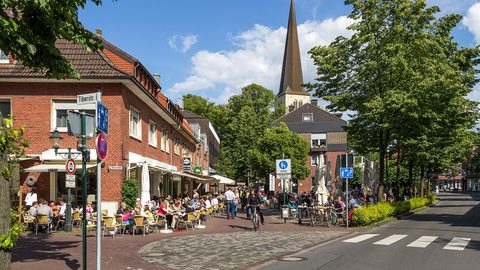 Is Germany Safe for Travelers and What Are the Actual Risks
Germany is a safe country, but petty theft at markets and fines on trains are real risks. Here is what to actually watch for.
Is Germany Safe for Travelers and What Are the Actual Risks
Germany is a safe country, but petty theft at markets and fines on trains are real risks. Here is what to actually watch for.
-
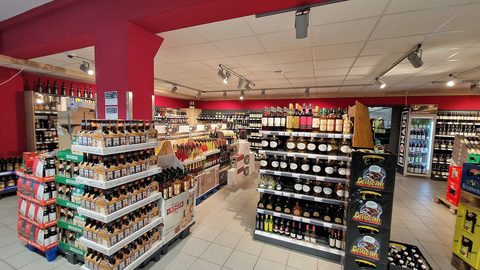 How Much a Trip to Germany Actually Costs, Shaped by Region and Season
Germany trip costs split along regional lines, with Bavaria and trade-fair cities operating on a different budget logic than the Harz or Baltic Coast.
How Much a Trip to Germany Actually Costs, Shaped by Region and Season
Germany trip costs split along regional lines, with Bavaria and trade-fair cities operating on a different budget logic than the Harz or Baltic Coast.
-
 A Ground-Level Logistics Guide to Independent Travel in China
First-time independent travel in China: what you need to know about visas, rail booking, eSIMs, mobile payments, and power adapters.
A Ground-Level Logistics Guide to Independent Travel in China
First-time independent travel in China: what you need to know about visas, rail booking, eSIMs, mobile payments, and power adapters.
-
 How Solo Travelers Stay Ahead of Flight Delays and Cancellations
How solo travelers can track inbound aircraft, claim rebooking rights, and adjust ground transport when flights go wrong — step by step.
How Solo Travelers Stay Ahead of Flight Delays and Cancellations
How solo travelers can track inbound aircraft, claim rebooking rights, and adjust ground transport when flights go wrong — step by step.
-
 Why Your eSIM Might Not Work Abroad and How to Check Before You Go
Buying an eSIM doesn't guarantee signal abroad. Learn why coverage fails by location and how to verify reach before you commit to a plan.
Why Your eSIM Might Not Work Abroad and How to Check Before You Go
Buying an eSIM doesn't guarantee signal abroad. Learn why coverage fails by location and how to verify reach before you commit to a plan.