When to Visit Berlin and What Each Season Does to the City
Berlin's seasons change more than the weather. They determine whether you get lakeside bars and street life or trade fair crowds and closed independent venues.
When to Visit Berlin and What Each Season Does to the City
The single most useful fact about when to visit Berlin is that the city's rhythm is governed by temperature, not dates. Warm months open the open-air clubs, lake beach bars, and street life. Cold months bring the markets but also the dead zone between Christmas and New Year when independent venues shut. The trade fair spikes in early March and early September inflate hotel prices citywide for reasons that have nothing to do with tourism. Understanding these patterns, not reading a calendar, is how you decide when to visit Berlin.
Berlin Best Season
There is no single best season for Berlin, because the city changes what it offers rather than getting uniformly better or worse. The peak season runs from May through September, when the weather is warmest. Street life explodes. Open-air clubs and lakeside beach bars open. Choose that run of months if you want to spend evenings on a deck chair by the Spree, eat strawberry cakes from a stall (available roughly May to July), and see the city at its most sociable.
Summer brings drawbacks. July and August are the peak tourism period, meaning crowded pavements at Brandenburg Gate and queues on Museum Island. Rain is distributed across all months, but summer months tend toward higher rainfall, so pack for a sudden downpour even on a 25°C day. Many independent restaurants close for one to three weeks in July or August. Some smaller independent galleries and project spaces close for several weeks in August, which matters if contemporary art is your reason for being here.
The alternative best season is late spring. From mid-April, asparagus stalls and menus appear across the city. The daylight range climbs toward its late June peak of roughly 16.5 hours, giving you long evenings. The Berlin best season for someone who wants mild weather, fewer crowds, and seasonal food is May or early June, before school holidays hit and before the August gallery closures.
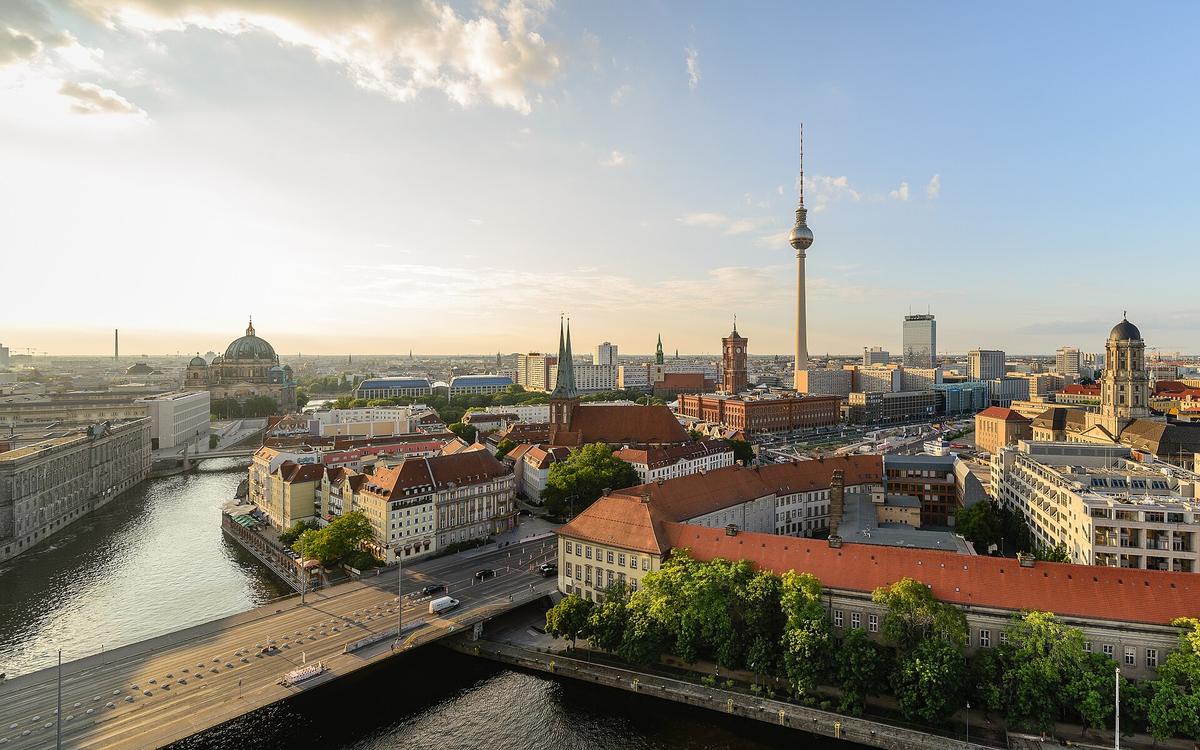

Berlin Weather by Month
Berlin weather by month follows a pattern that matters to your packing list and your plans, not to whether you should visit. Cold winters average a low of -3°C to 0°C and a high of 2°C to 5°C. Mild springs average 2°C to 9°C low and 8°C to 19°C high. Warm summers average 12°C to 15°C low and 22°C to 25°C high. Cool autumns average 3°C to 10°C low and 8°C to 19°C high. Rainfall sits at 30 to 70 millimetres per month year-round, with summer tending higher.
The practical takeaway: bring a rain layer every month. Daylight range shifts from roughly 7.5 hours in late December to roughly 16.5 hours in late June. A December day means you see the city in darkness by 16:00. A June day means you can eat dinner outdoors at 21:00 in full light.
Where to Base Yourself
Book accommodation near the district you plan to spend most of your time in. The city's sheer scale means a quick trip between two points often takes 40-plus minutes on public transport. If you base yourself in the dead quiet government quarter of central Mitte, you will wonder where the Berlin of imagination is. Pick Kreuzberg, Friedrichshain, or Neukölln if nightlife matters. Pick Prenzlauer Berg if you want leafy calm. Pick Charlottenburg if West Berlin's bourgeois centre suits you.
| Season | Street Life | Outdoor Venues | Venue Availability | Crowding & Cost |
|---|---|---|---|---|
| Winter (avg -3°C to 5°C) | Low, limited to markets and bars | Beer gardens and outdoor terraces reduce hours or close entirely; boat tours suspend or reduce frequency | Markets run late November to late December; dead zone between Christmas and New Year sees many independent venues shut; most shops closed 24 Dec, 25 Dec, 31 Dec, 1 Jan | Low tourism from mid-January to late February (excluding Berlinale); hotel prices drop |
| Spring (avg 2°C to 19°C) | Returns from mid-April; street food stalls reopen | Open-air swimming pools open roughly May to September; beer gardens reopen; boat tours resume full schedules around April | Independent venues open fully; asparagus stalls appear mid-April; Easter school holidays spike tourism | Easter weekend and surrounding school holidays are peak periods; ITB Berlin in early March inflates hotel prices citywide |
| Summer (avg 12°C to 25°C) | Peak; street life, open-air clubs, lake beach bars operate | All outdoor venues open; boat tours run full schedule; summer rainfall higher | Some independent restaurants and galleries close for 1-3 weeks in July or August | July and August are peak tourism; hotel prices highest; citywide crowding at main sights |
| Autumn (avg 3°C to 19°C) | Fades from mid-October; outdoor seating reduces | Outdoor terraces shrink hours; chanterelle mushrooms appear July to September; Federweißer and onion tart appear September to October | State museums open (closed Mondays year-round); Berlin Marathon late September spikes crowding | Berlin Marathon weekend in late September is a peak to avoid; November is quiet; markets begin late November |
Berlin Events Calendar
The Berlin events calendar is not a list of nice-to-haves. It is a list of dates that change what is open, what costs what, and whether you need a reservation.
February: Berlinale
The Berlin International Film Festival runs in February. It draws industry crowds, fills hotels in Mitte, and puts the city centre under mild strain. If you are not here for the films, you can visit during February without much disruption, but expect higher restaurant demand around Potsdamer Platz.
Late May to Early June: Karneval der Kulturen
Karneval der Kulturen is a street parade through Kreuzberg, drawing hundreds of thousands. It closes streets, fills the district, and makes finding a table without a reservation near impossible Thursday through Saturday. Book accommodation in advance or stay in a different district and travel in.
21 June: Fête de la Musique
Free music performances happen citywide on 21 June. It is a spontaneous evening, not a ticketed event. No major closures or price spikes.
Late July: Christopher Street Day
Christopher Street Day (CSD Berlin Pride) draws a massive parade through the city centre. Hotels near the route fill weeks ahead. Schöneberg, the historic LGBTQ+ quarter, is the epicentre.
Late August: Long Night of Museums
The Long Night of Museums is one Saturday in late August. A single ticket grants entry to dozens of institutions until the early hours. If you are here for Museum Island, this is your chance to see the Pergamon, the Neues Museum, and the Altes Museum in one evening. Book a timed slot for Pergamon in advance regardless.
Late September: Berlin Marathon
The Berlin Marathon weekend is a week to avoid. It draws tens of thousands of runners and spectators. Streets are closed across central districts. Hotel prices spike. If you are not running, come the week before or after.
October: Festival of Lights and German Unity Day
The Festival of Lights illuminates landmarks across the city in October. It is a visual event, not one that affects venue availability. Tag der Deutschen Einheit on 3 October closes most shops and museums. Plan around it.
Late October to Early November: JazzFest Berlin
JazzFest Berlin is a focused music festival. It does not significantly affect hotel prices or street life.
Late November to Late December: The Markets
The markets operate from late November to late December. They are the main event of the winter low season. The period between Christmas and New Year is the dead zone when independent venues shut. Most shops and museums close on 24 December, 25 December, 31 December, and 1 January. If you come for the markets, come in the first three weeks of the month.
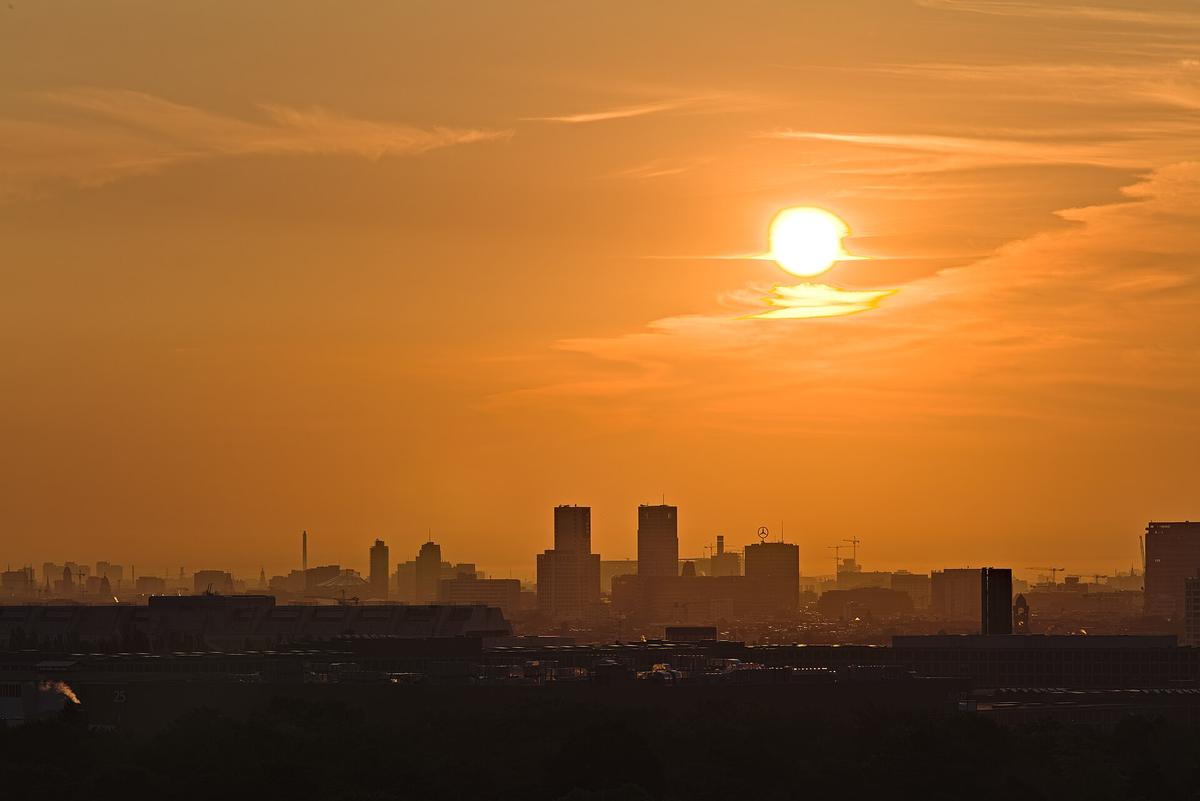

Berlin Off Peak Travel
Berlin off peak travel has two distinct windows, and they offer very different experiences.
Mid-January to Late February: The True Low Season
This is the quietest period for tourism, excluding the Berlinale dates. Hotel prices drop. Museum queues shrink. The catch is weather: cold winter averages of -3°C to 5°C, short days of around 7.5 hours of daylight in late December stretching to maybe 10 by late February. Beer gardens and outdoor terraces are closed or on reduced hours. Boat tours on the Spree and Landwehrkanal suspend or reduce frequency. Street life is minimal. Choose this window if you want the city to yourself, are happy in museums and indoor bars, and do not mind bundling up to walk between them.
November: The Quiet Before the Markets
November is tourism quiet, excluding the market opening dates. Autumn has already ended. Winter has not fully arrived. Temperatures hover at cool autumn levels, averaging 3°C to 10°C low and 8°C to 19°C high. The Festival of Lights runs in October. JazzFest Berlin runs late October to early November. By mid-November, the city settles into a lull before the market frenzy. Choose this window if you want November hotel rates and no queues, and accept grey skies and limited outdoor options.
What Off Peak Costs You
Off peak travel means accepting that some venues are closed. Open-air swimming pools operate roughly May to September; exact dates vary by facility and weather. Beer gardens and outdoor terraces reduce hours or close entirely during deep winter. Boat tours suspend or reduce frequency. The trade-off is lower prices, shorter queues, and a Berlin that belongs more to its residents than to visitors. The Memorial to the Murdered Jews of Europe, the Topography of Terror, and the Reichstag dome remain open year-round, though the Reichstag requires advance online booking. The East Side Gallery is a public wall. Tempelhofer Feld is a public park. Those do not close.
One honest caveat: even in peak season, the Berliner Schnauze (blunt directness) in service interactions can feel rude if you are not expecting it. It does not go away in low season. Carry cash. It is still mandatory in many smaller bars, spätis (late-night shops), and restaurants year-round. Do not assume card payment works. Get an eSIM or a local prepaid physical SIM from a discounter like Aldi Talk. It is cheap and essential for navigation and the BVG FahrInfo app, because free public Wi-Fi is patchy and unreliable. The city does not change its friction points by season. It only changes what is open.
Common Questions
Is August a bad month to visit Berlin?
Not bad, but some independent restaurants and galleries close for 1 to 3 weeks in July or August. Check individual venues in advance, especially smaller galleries and project spaces outside Museum Island.
What happens if I visit between Christmas and New Year?
Many independent venues shut. Most shops and museums close on 24 December, 25 December, 31 December, and 1 January. The markets run until late December, but the city goes quiet between the holidays.
Which trade fairs should I avoid?
ITB Berlin in early March and IFA in early September inflate hotel prices citywide. Book at least three months ahead or travel outside those weeks.
Do museums close on Mondays?
Most state museums, including those on Museum Island, are closed on Mondays year-round. Private museums and galleries may close on Monday or Tuesday. Check individual schedules.
Can I swim outdoors outside May to September?
Open-air swimming pools (Sommerbäder) operate roughly May to September; exact dates vary by facility. Outside that window, indoor pools are your option.
Is November worth visiting?
Yes, if you want quiet tourism, low hotel prices, and museum time. Expect grey skies, cool temperatures averaging 3°C to 10°C, and limited outdoor seating. The markets begin in late November.
What is the cheapest month for hotels?
Mid-January to late February, excluding Berlinale dates, and November, excluding market opening dates. Both are quiet periods with lower demand.
Read next
-
 Berlin Hotels What the Price Bands Actually Get You
Berlin hotel prices cluster into distinct bands, and what you get for your money varies more by district and timing than by star rating.
-
 Where to Stay in Berlin by District and What Each Costs You
Where you stay in Berlin defines your trip more than in most cities. Each district has a distinct personality, price band, and real trade-off.
-
 Berlin Flights Flying Into BER Airport and Getting to the City
Berlin Brandenburg Airport is Berlin's sole airport. Here are the rail options—FEX, RE7, and S9—and the ticket rules for reaching the city centre.
-
 Berlin Things to Do Ordered by Whether It Is Worth the Time
Berlin's sights range from free and life-changing to time-consuming and skippable. Here is how to sort them by what actually repays the visit.
-
 Getting Around Berlin Without Wasting Half the Trip
Berlin is too sprawling to walk, and the BVG network is the only way to move efficiently. The catch is ticket validation, and getting it wrong costs you.
-
 Berlin Itinerary How to Spend 2 to 4 Days in Berlin
A Berlin itinerary that groups sights by adjacency across the city's sprawling districts, avoiding the mistake of trying to walk between neighbourhoods.
-
 Mitte
Mitte packs Berlin's biggest sights into a walkable historic core, but the government quarter goes quiet after dark and Monday museum closures hit hard.
-
 Germany Travel Guide for People Who Like Things to Actually Work
Germany is a federation of 16 states with distinct identities, laws, and holiday calendars. This guide explains the structure before you plan a trip.
-
 Staying Connected in Germany With eSIM, Local SIM, or Roaming
Mobile data in Germany means navigating rural black spots, scarce free Wi-Fi, and mandatory passport registration for local SIM cards.