Where to Stay in Berlin by District and What Each One Costs You
Where you stay in Berlin defines your trip more than in most cities. Each district has a distinct personality, price band, and real trade-off.
Where to Stay in Berlin by District and What Each One Costs You
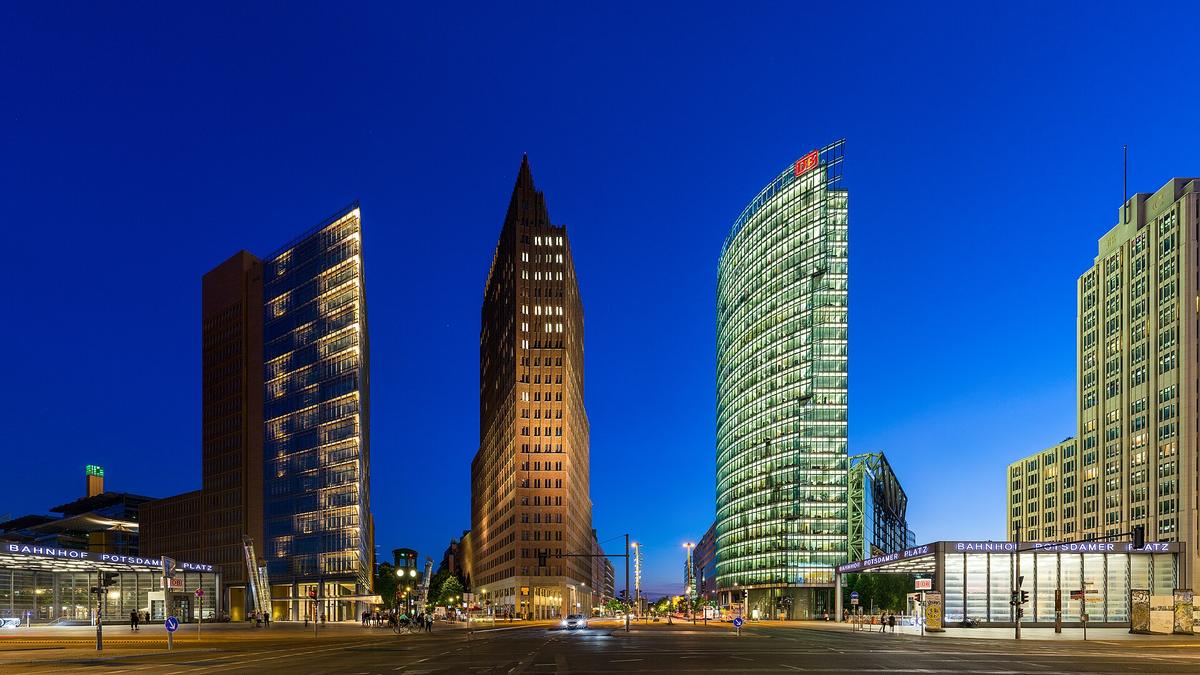
The single most useful fact about where to stay in Berlin is that Mitte, the historic core you see on postcards, is the wrong base for most travellers. It puts you steps from the Brandenburg Gate, Museum Island, and the Reichstag, then kills your nightlife walkability and surrounds you with tourist menus. The trade off is not worth it unless your trip is forty eight hours of museums and nothing else. Berlin is 891.8 square kilometres of unpolished villages, not a compact centre. The right district matches your travel style first and your sight list second.
Nightly rates drop sharply once you cross the S-Bahn ring. The sharpest price falls happen east of Warschauer Strasse in Friedrichshain and north of Gesundbrunnen into Wedding. A room inside the ring in a central district costs roughly a third more than a similar room outside it, and that gap doubles during peak season from May through September. The accommodation tax adds 5 percent of the net room rate to leisure stays. Budget for it.

| District | Best For | The Trade Off |
|---|---|---|
| Mitte | First time visitors on a short sightseeing sprint | Highest accommodation density, lowest local character, restaurants skewed to tourist menus, moderate to high night noise near Rosenthaler Platz |
| Prenzlauer Berg | Families with young children, café culture, longer stays | Quieter residential feel, fewer major landmarks, U-Bahn not S-Bahn dominant |
| Friedrichshain | Nightlife focused visitors, budget conscious under 35s | High street noise in party zones around Warschauer Strasse and Simon Dach Strasse, patchy pavement quality, fewer hotel chains |
| Kreuzberg | Alternative scene, food diversity, late night eating | Can feel crowded, green space limited in the SO36 sub area, street cleanliness variable |
| Neukölln | Budget travellers, artistically inclined, long term stay feel | Highest reported street cleanliness complaints, rapid gentrification means block by block variation, high night noise along Weserstrasse and Sonnenallee |
| Schöneberg | LGBTQ+ visitors, market lovers, quiet but central base | Fewer hotel options than Mitte or Charlottenburg, U-Bahn dependent |
| Charlottenburg | Older travellers, business travellers, luxury shopping | Higher average room rates, longer transit times to eastern nightlife |
| Wedding | Budget seekers, emerging art scene followers | Rough edged, rapidly gentrifying, limited evening dining |
Berlin Neighbourhood Guide Accommodation: the Real Trade Offs
Mitte: The Tourist Hub Trap
Mitte is central and connected, with the Reichstag, Brandenburg Gate, and Museum Island all within a 20 to 40 minute walk of each other. The government quarter here is dead quiet after dark. Book a room near Hackescher Markt if you want the energy, but expect noise from late night späti crowds and restaurant strip rowdiness. The deeper catch: first time visitors who book Mitte by default regret the chain dominated dining and the feeling that they are in a tourist hub, not the Berlin they imagined. That regret pattern is documented in booking data.
Prenzlauer Berg: Family Calm
Prenzlauer Berg gives you restored pre war Altbau buildings, leafy Helmholtzkiez squares, and Mauerpark for Sunday flea market strolls. It suits family friendly areas because traffic is calmer, pavements are wide, and the U-Bahn runs frequently. The trade off is that you are trading landmark proximity for a quiet residential sleep. No major sight sits within a five minute walk. You ride the U2 line to reach anything.
Kreuzberg: Gritty and Central
Kreuzberg is central and cool but no longer cheap. The Oranienstrasse strip delivers late night food and the city best Turkish eating. Kreuzberg 36 on the east side is grittier; Kreuzberg 61 on the west is more residential. The cost for that central cool is crowding, limited green space in the SO36 pocket, and street cleanliness that varies block to block. This is still a water side district with the Landwehrkanal running through it, which matters for summer evening walks.
Neukölln: Energy at a Price
Neukölln gives you bars and energy but costs you quiet sleep. The Weserstrasse bar strip and the Sonnenallee food corridor run late every night. International students, artists, and budget travellers fill the flats above the shops. The price is low. The noise is high. The street cleaning is inconsistent. If your sleep schedule is fragile, skip Neukölln and move to Schöneberg.
Best Berlin District for Nightlife
Friedrichshain wins for nightlife. The East Side Gallery runs along the Spree, the RAW Gelände hosts club nights and flea markets, and the Simon Dach Strasse strip is lined with bars that stay open until the U-Bahn starts again. Weekend U-Bahn lines run 24 hours on Friday and Saturday nights. For the other nights, night bus N lines cover the routes. The trade off is noise that does not stop until 06:00 around Warschauer Strasse and Revaler Strasse. If you want to sleep before 03:00, book a room on the far side of Boxhagener Platz, away from the main drag.
Berlin Family Friendly Areas
Prenzlauer Berg is the default answer because the district built its identity around young families. Streets are wide, playgrounds are frequent, and the U2 line runs direct to Alexanderplatz in twelve minutes. The Helmholtzkiez squares are car reduced and safe for small children. The trade off: no major landmark is in walking distance, and restaurants fill every table Thursday through Saturday without a reservation. Book dinner before noon. The other family option is Schöneberg, which gives you the Winterfeldtplatz market on Wednesdays and Saturdays, the leafy Akazienkiez, and a moderate night noise level that stays concentrated around Nollendorfplatz.
Berlin Accommodation Quiet Area
Schöneberg and Prenzlauer Berg are the quiet residential picks. Schöneberg sits on the western side of the S-Bahn ring, with wider streets and a traditional, leafy character. It is also the historic LGBTQ+ quarter, centred on Nollendorfplatz and Motzstrasse. The accommodation stock is thinner than Mitte or Charlottenburg, but the quiet is real outside the Nollendorfplatz bubble. Prenzlauer Berg offers a similar quiet, with the added benefit of Mauerpark green space. Both districts require a U-Bahn ride to reach the main sights.
Avoid the government quarter of Mitte entirely if quiet matters. That zone has the lowest local character of any Berlin district and empties out after office hours, but the silence feels sterile, not peaceful.

The Boundary Districts Worth Considering
Wedding: Rough and Real
Wedding sits north of Mitte, on the other side of the S-Bahn ring. It is rough edged, rapidly gentrifying, and developing an emerging art scene that draws visitors who want to watch a district change in real time. The trade off is limited evening dining and a longer walk to the nearest U-Bahn station that connects directly to central sights. Book Wedding if your budget is tight and you value authenticity over polish.
Charlottenburg: Old West Berlin
Charlottenburg is West Berlin old centre, bourgeois, and near Charlottenburg Palace and the Kurfürstendamm shopping boulevard. KaDeWe, the department store, is a ten minute walk. This district suits older travellers, business travellers, and anyone who wants luxury shopping and wider streets. The trade off is a longer transit time to the eastern nightlife zones. A trip from Charlottenburg to Friedrichshain takes over 40 minutes on the U-Bahn.
Tempelhof: Open Space
Tempelhof, in the Tempelhof Schöneberg district, is built around Tempelhofer Feld, the 355 hectare former airport turned public park. Runners, cyclists, and open space seekers should stay near the park edges. The trade off: few accommodation options sit directly adjacent. You will need the U-Bahn or a bus connection to reach restaurants and bars.
Getting Around: What Changes Your District Choice
Public Transport
Berlin public transport runs on U-Bahn, S-Bahn, tram, and bus. The BVG network covers every district. The S-Bahn ring lines S41 and S42 circle the inner city. Anything inside that ring is walkable to some sights, but the walking distance rule of thumb is that major sights within the ring are still 20 to 40 minutes apart on foot. Museum Island to Kurfürstendamm is about 6 kilometres. Do not attempt to walk it.
The BVG FahrInfo app is the definitive tool for real time routing. Buy a standard AB zone ticket for a single ride, or a day pass for unlimited travel. You must validate paper tickets in the small red or yellow boxes on the platform or inside the vehicle before you board. An unvalidated ticket is not a valid ticket. Plain clothes inspectors issue €60 fines on the spot. Use the app to buy digital tickets and skip the validation step entirely.
Bikes and Scooters
Bike share operators Nextbike and Lime run dockless systems across the city. E scooter share services are also present, with geofenced parking zones in central districts. Transit mode share in 2023 was walking 30 percent, public transport 27 percent, bicycle 18 percent, car 25 percent. You do not need a car.
The Honest Caveat
No district in Berlin delivers everything. Mitte puts you at the centre of the historical stage but charges a premium for a stage set that empties out at night. Neukölln gives you the raw energy of a global hipster hub but tests your tolerance for noise and uncollected trash. Prenzlauer Berg delivers quiet family safety but requires a ride to reach the East Side Gallery or the Reichstag. The Berliner Schnauze blunt directness means service will feel rude if you are not expecting it. Cash is still mandatory in many smaller bars, spätis, and restaurants. The city scale means a quick trip between two points takes 40 minutes on public transport. Accept those trade offs, pick the district that matches your travel style and budget, and you will find a Berlin that repays the effort.
Common Questions
Which district should a first time visitor book if they want to walk to sights?
Mitte, but only if you accept the noise around Rosenthaler Platz and Hackescher Markt and the tourist menu dominated restaurants. For a first time visit with four days or more, book Prenzlauer Berg or Schöneberg and ride the U-Bahn. The 20 minute transit time each way is worth the better food and quieter sleep.
What is the cheapest district that is still safe?
Neukölln and Wedding are the lowest cost areas inside the S-Bahn ring. Neukölln is louder and dirtier. Wedding is rougher edged and gentrifying rapidly. Both are safe by any European standard. Budget for cash because many bars and smaller restaurants in both districts do not take cards.
How far ahead should I book accommodation in Berlin?
For summer stays from May through September, book two to four months ahead. For major trade fairs like ITB Berlin in early March and IFA in early September, prices spike citywide. For the Berlin Marathon in September, book even further. January requires no advance planning and offers the lowest rates.
Does the 5 percent city tax apply to every booking?
It applies to private leisure stays. Business travellers can get an exemption with a written declaration from their employer. The tax is calculated on the net room rate, not the total. It is added at checkout or invoiced separately; it is not always included in the upfront price you see on booking platforms.
Which district should I avoid if I am a light sleeper?
Friedrichshain near Warschauer Strasse and Revaler Strasse, Neukölln along Weserstrasse, Kreuzberg around Oranienstrasse, and Mitte around Rosenthaler Platz. Move to Prenzlauer Berg or Schöneberg for quiet streets. Wedding is also viable if you avoid the main commercial roads.
Is free Wi Fi reliable enough for navigation in Berlin?
No. Free public Wi Fi is patchy and unreliable. Buy a local prepaid SIM from a discounter like Aldi Talk or an eSIM before you arrive. It is cheap and essential for the BVG FahrInfo app and digital tickets.
What is the one mistake most visitors make when choosing where to stay?
Underestimating the city geographic sprawl and booking accommodation in the dead quiet government quarter of central Mitte, then wondering where the Berlin of their imagination is. The government quarter has the lowest local character of any Berlin district.
Read next
-
 Germany Travel Guide for People Who Like Things to Actually Work
Germany is a federation of 16 states with distinct identities, laws, and holiday calendars. This guide explains the structure before you plan a trip.
-
 Staying Connected in Germany With eSIM, Local SIM, or Roaming
Mobile data in Germany means navigating rural black spots, scarce free Wi-Fi, and mandatory passport registration for local SIM cards.
-
 When to Visit Germany and What Each Season Actually Delivers
Germany's travel seasons are defined by school holidays, trade fairs, and Christmas markets. Here is when to go and when to avoid.
-
 Getting Around Germany Without Falling for the Flexpreis Trap
How to use Germany's train system, avoid a €60 fine for the wrong ticket, and understand the difference between flexible and advance fares.
-
 How to Budget a Trip Based on Purchasing Power, Not Just Exchange Rates
Exchange rates tell only half the story. See how purchasing power shapes your real travel budget across Southeast Asia, Eastern Europe, and Latin America.
-
 A Ground-Level Logistics Guide to Independent Travel in China
First-time independent travel in China: what you need to know about visas, rail booking, eSIMs, mobile payments, and power adapters.
-
 How Solo Travelers Stay Ahead of Flight Delays and Cancellations
How solo travelers can track inbound aircraft, claim rebooking rights, and adjust ground transport when flights go wrong — step by step.
-
 Why Your eSIM Might Not Work Abroad and How to Check Before You Go
Buying an eSIM doesn't guarantee signal abroad. Learn why coverage fails by location and how to verify reach before you commit to a plan.