Visiting Berlin in Winter During the Quiet Months
What Berlin's winter months change for visitors: daylight, opening patterns, venue closures, and where costs rise or fall outside the summer peak.
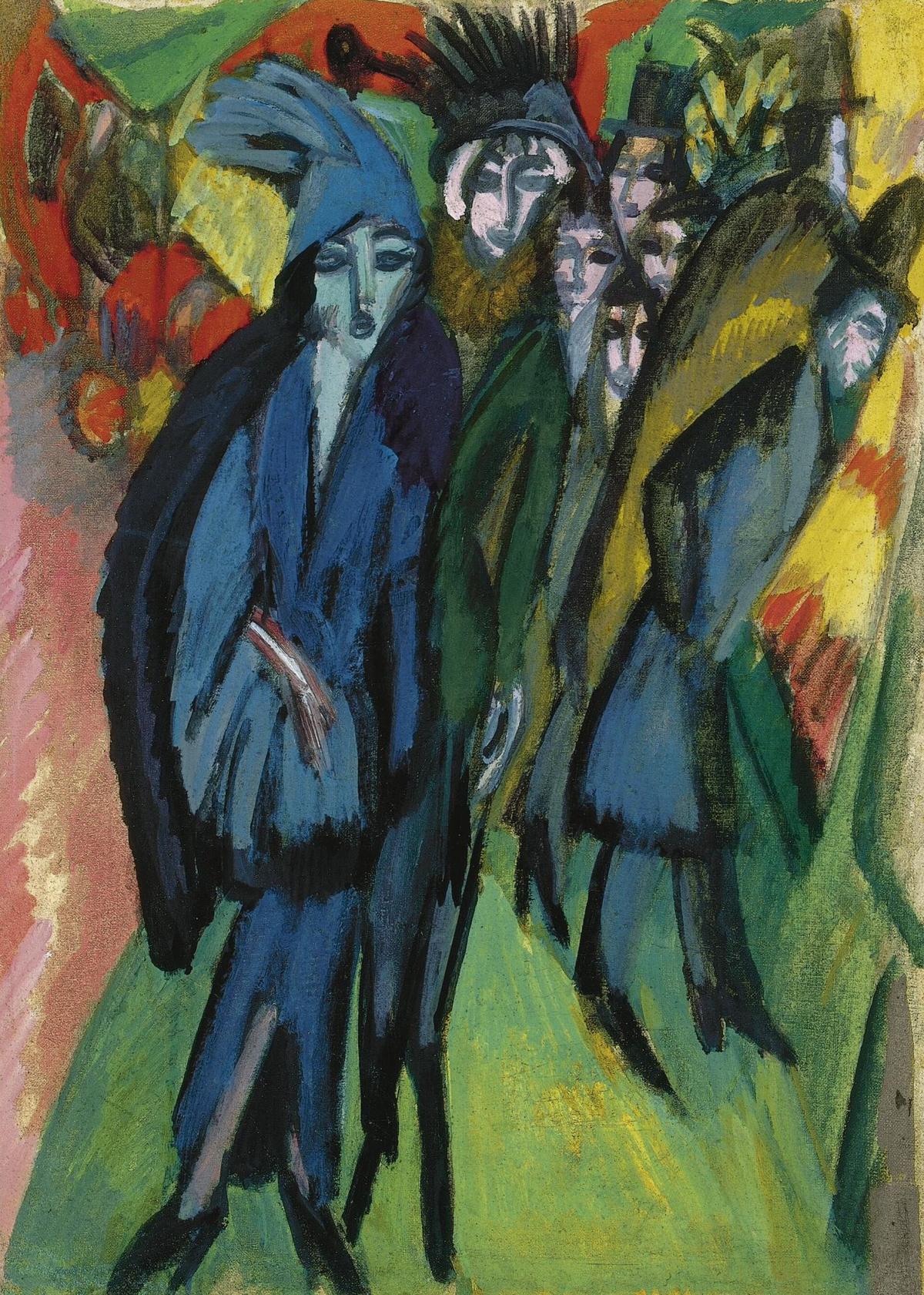

Berlin in Winter
The single most useful fact about Berlin in winter is that hotel rates drop 20 to 40 percent in January and February compared to May or September peaks, while the city itself shifts from an outdoor to an indoor destination. That shift changes what you do, how you move, and what you pack. It does not make Berlin worse. It makes it a different city, one that rewards a different kind of trip.
Daylight on the shortest days runs from roughly 08:10 to 15:50. You get about 7 hours and 30 minutes of usable light. Overcast days dominate 18 to 22 days per winter month. The grey is consistent. Plan sightseeing between 09:00 and 15:00 and treat the hours after dark as the main event. That is where Berlin's winter personality lives.
Open air venues close. The lake beach bars along the Spree shutter entirely. Open air club season ends. Tempelhofer Feld, the former airport turned public park, stays open but becomes a wind tunnel with few other visitors. Tiergarten secondary paths go unlit and unmaintained in deep winter; stick to the main cleared routes. Ice rinks operate only when temperatures stay below roughly 8 degrees Celsius for several days, so check conditions before heading out. The Mauerpark Sunday flea market closes December through February. Indoor markets like Arena Berlin continue year round.
Berlin Off Season Travel: What Closes and What Stays Open
Museum Closures And Timed Slots
Berlin off season travel means navigating a staggered closure pattern that catches first time visitors off guard. Museum Island's five museums close for 2 to 4 weeks, concentrated in January and February, on a rotating schedule. Check each museum's page before booking. District museums and private galleries often close for 2 to 6 weeks, concentrated in January. Several museums on Museum Island require a timed slot even during normal hours. Reserve ahead.
Pools, Gardens And Libraries
Indoor pools, called Bezirksbäder, close for annual maintenance for 2 to 3 weeks sometime from January to March. The botanical garden tropical greenhouse stays open year round, but its outdoor areas close at dusk, which falls from 16:00 to 17:00 in deep winter. Public libraries keep standard hours except for a 1 to 2 week closure over Christmas and New Year. The adult education centre, VHS, starts its winter semester in January with enrollment opening in November.
Eating Indoors And Booking Ahead
Restaurant outdoor seating does not exist in winter. Every meal moves indoors, reducing total covers at popular venues. Book a reservation for Thursday through Saturday. It is not optional; it is how you eat. Without one, expect to be turned away. The Berliner Schnauze, the city's blunt service style, will deliver that refusal directly. That is not rudeness. It is clarity.
Berlin Winter Opening Hours and the Dead Zone
The Christmas To New Year Lull
Berlin winter opening hours matter most over Christmas and New Year. Many independent venues shut entirely. The city does not go dark, but it thins out. The standard späti, the late night shop that sells everything, stays open in most neighbourhoods. Cash remains mandatory in many of them. Do not assume card payment works.
New Year's Eve brings official firework ban zones in several central areas, including parts of Mitte near Brandenburg Gate. The Ordnungsamt publishes the list annually. Public transport runs extended night service on Sylvester, with some lines operating all night. Hospital emergency departments see a significant spike in burn and eye injuries that night. Avoid handling consumer fireworks yourself.
Hotel Rates And Transport
Trade fairs spike hotel rates. ITB Berlin in early March and IFA in early September push prices citywide. Industry data published by visitBerlin shows a standard hotel room in January sat 20 to 40 percent below the May peak. Short term apartment rentals follow a similar pattern, with listings 15 to 30 percent below summer rates. January hotel occupancy averages roughly 50 to 60 percent, the lowest of the year.
Public transport runs on standard off peak headways. There is no reduced winter timetable. Bicycle traffic drops by 60 to 70 percent compared to summer. Fog and snow cause delays at Berlin Brandenburg Airport on roughly 5 to 10 days per winter. The FEX and RE7 regional trains reach Berlin Hauptbahnhof in about 30 minutes. The S9 S Bahn takes roughly 55 minutes. A single ABC zone ticket costs 4.40 euros. Validate paper tickets in the small red or yellow boxes on the platform before boarding. Plain clothes inspectors issue 60 euro fines on the spot for unvalidated tickets.
Berlin Christmas Markets
The Market Window
Berlin Christmas markets, called Weihnachtsmärkte, run from late November to 24 December. A handful continue into early January. This is the one period where outdoor Berlin becomes the attraction rather than a liability. Mulled wine, roasted nuts, and stalls cluster around landmarks like the Brandenburg Gate, the Charlottenburg Palace courtyard, and the Gendarmenmarkt square.
The market window is finite. Arrive after 24 December and most are gone. The dead zone begins. What remains is the indoor cultural surge: museums, galleries, concert halls, and the spa and sauna scene, which peaks November through March. Weekend slots at popular saunas book 1 to 2 weeks ahead. Public sauna entry requires a minimum age of 14, and some facilities require 16. Mixed gender nude sauna is standard. Swimwear is prohibited in the sauna cabins.
Winter Menus
The winter menu shift arrives in restaurants. Game, kale, and root vegetable dishes replace summer salads and light fare. Martinsgans, roast goose with red cabbage and dumplings, appears as a seasonal staple in November. Currywurst and döner kebab remain available year round from the same stands and spätis.
Berlin Cold Weather Itinerary
Morning: Mitte's Memorials
A Berlin cold weather itinerary centres on indoor culture with strategic outdoor bursts. Start the day at the Memorial to the Murdered Jews of Europe, a vast field of concrete stelae that is always open. The outdoor memorial is accessible year round, though paths may be partially closed during ice or heavy snow. Follow it with the Topography of Terror, a free, unflinching documentation of Nazi terror on a former Gestapo site. Both are within walking distance of each other in Mitte.
Afternoon: Reichstag And Museum Island
Book a timed slot for the Reichstag Building glass dome. It is free but mandatory to book in advance online. The viewing platform offers government views regardless of weather. On Museum Island, the Pergamon Museum requires a timed slot even in low season. Check the annual closure period for your target museum before paying for a ticket. The DDR Museum, an interactive look at daily life in East Germany, stays open year round and works well for a short visit.
Evening: Art And Heating Rights
For evening hours, the Boros Collection shows private contemporary art in a converted WWII bunker. It requires a mandatory pre booked tour. The Sammlung Scharf Gerstenberg, a surrealist and fantastic art collection in a Charlottenburg villa, offers a quieter alternative. Both are indoor and heated.
Heating in pre war Altbau apartments often uses radiators. Some buildings have single pane windows and limited insulation. If you feel cold indoors, you are not imagining it. The legal minimum indoor temperature during the heating period, 1 October to 30 April, is 20 degrees Celsius during the day and 18 at night. If it falls below that, you have the right to a rent reduction, a Mietminderung, under German tenancy law.

Winter in Berlin Guide: Practical Winter Details
Snow Clearance And Emergency Services
Sidewalk snow clearance is mandatory. Property owners must clear adjacent sidewalks by 07:00 on weekdays and 09:00 on Sundays and public holidays. Salt is prohibited on public sidewalks. Only sand or grit is permitted. Yellow grit boxes are placed on some residential streets. The BSR publishes a map of locations annually. Main roads are cleared first. Residential side streets may remain icy for days.
The BSR winter service hotline is 030 7592 4900. Emergency shelters activate when the perceived temperature drops below 0 degrees Celsius. The Kältebus, a cold bus service operated by Berliner Stadtmission, runs nightly from November through March. Its phone number is 030 690 333 690.
Connectivity And Tickets
Free public Wi Fi is patchy and unreliable. Get an eSIM or a local prepaid physical SIM from a discounter like Aldi Talk. It is cheap and essential for navigation and ticket apps. The BVG FahrInfo app is the definitive tool for real time public transport routing. The Berlin WelcomeCard includes the same attractions in winter as summer, though some outdoor focused partners are unavailable. The list is updated annually by visitBerlin.
School Holidays And Air Quality
Winter school holidays, called Winterferien, fall in February for one week. Exact dates vary by year. The period sees a slight uptick in domestic visitors but nothing like the summer crush. Air quality, measured as PM2.5, often ranges from 15 to 35 micrograms per cubic metre, with spikes during temperature inversions.
| Period | Average Occupancy | Rate vs Peak |
|---|---|---|
| January February | 50 to 60 percent | 20 to 40 percent below May |
| March (ITB Berlin) | Spikes | Near peak |
| May September | Peak | Baseline |
| December (Christmas markets) | Moderate | 10 to 20 percent below peak |
What Berlin in Winter is Not
Berlin in winter is not for travellers seeking a compact, instantly pretty old town. The city's beauty is fragmented, and its service style is blunt. First timers often find it less architecturally beautiful than expected and are surprised by how long it takes to get across neighbourhoods, as there is no single, walkable centre. A quick trip between two points often takes 40 minutes on public transport.
Berlin suits creatives and artists, contemporary history buffs, nightlife purists, budget conscious travellers, and those who prefer gritty authenticity over manicured prettiness. It does not suit travellers who want a polished formal European capital experience. Berlin's winter pattern is a shift in what the city is, not a downgrade. The quiet months change the rhythm but not the quality. The thing that most often goes wrong is underestimating the sprawl, booking accommodation in the dead quiet government quarter of central Mitte, and wondering where the real Berlin of imagination is. Stay in Kreuzberg, Friedrichshain, or Neukölln instead. That is where the winter city lives.
Read next
-
 Berlin Hotels What the Price Bands Actually Get You
Berlin hotel prices cluster into distinct bands, and what you get for your money varies more by district and timing than by star rating.
-
 Where to Stay in Berlin by District and What Each Costs You
Where you stay in Berlin defines your trip more than in most cities. Each district has a distinct personality, price band, and real trade-off.
-
 Berlin Flights Flying Into BER Airport and Getting to the City
Berlin Brandenburg Airport is Berlin's sole airport. Here are the rail options—FEX, RE7, and S9—and the ticket rules for reaching the city centre.
-
 Berlin Things to Do Ordered by Whether It Is Worth the Time
Berlin's sights range from free and life-changing to time-consuming and skippable. Here is how to sort them by what actually repays the visit.
-
 When to Visit Berlin and What Each Season Does to the City
Berlin's seasons change more than the weather. They determine whether you get lakeside bars and street life or trade fair crowds and closed independent venues.
-
 Getting Around Berlin Without Wasting Half the Trip
Berlin is too sprawling to walk, and the BVG network is the only way to move efficiently. The catch is ticket validation, and getting it wrong costs you.
-
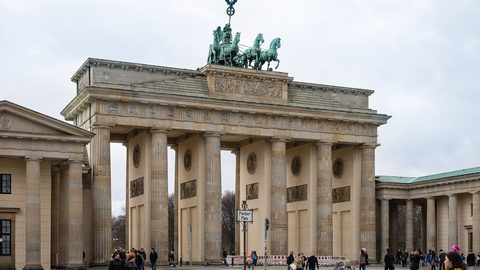 Brandenburg Gate
What the Brandenburg Gate in Berlin is really like, whether it is worth your limited time, and how to see it without the worst of the crowds.
-
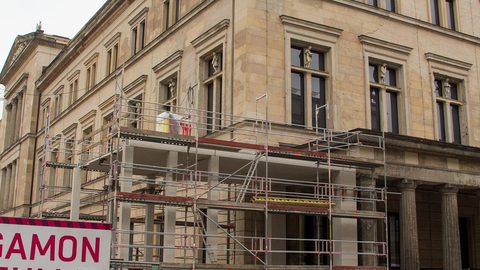 Museum Island
What Museum Island in Berlin is, how its five museums fit together, and how to visit without queueing twice for the Pergamon and the rest.
-
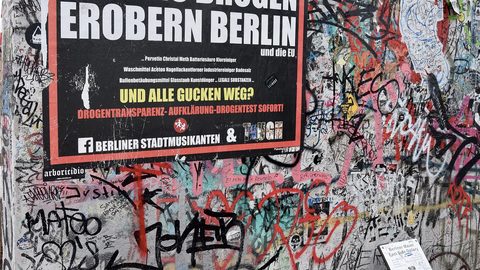 East Side Gallery
What the East Side Gallery in Berlin is really like, whether the 1.3km Wall mural stretch is worth your time, and how to pair it with the Oberbaumbrücke.