Beijing Without a Car: What the Public Network Actually Reaches and Where It Stops Being Useful
Beijing without a car: where the metro actually reaches, where it stops being useful for day trips, and why ride-hailing fills the gap but introduces a

The Beijing metro stops running between 22:30 and 23:00. Its station exits can drop you a 15-minute walk from the correct side of an eight-lane intersection. It does not reach several key day-trip destinations at all. Getting around Beijing without a car works, as long as you plan around the network's edges and its closing time.
The metro is 807 km long across 27 lines and 478 stations, with continuous coverage inside the 5th Ring Road. Moving between Dongcheng, Chaoyang, and Haidian between 06:00 and 23:00 is faster and cheaper by metro than by taxi. Outside those boundaries and those hours, the public network becomes a feeder system that needs a connecting bus, a pre-booked ride, or a willingness to walk.
Beijing Metro Guide: What the Network Covers and Where it Drops You
Core Coverage And Station Exits
The 27 metro lines cover the imperial core, the embassy zone, and the university district at station spacing of 0.8 to 2.1 km inside the 5th Ring Road. You can reach the Forbidden City, Temple of Heaven, Summer Palace, Lama Temple, 798 Art District, and Universal Beijing Resort entirely by metro, each with a station exit within 500 m of the ticket gate. Every station on Lines 1, 2, 4, 5, 6, 7, 8, 9, 10, 13, 14, and 15 has English signage and announcements. Payment needs an Alipay transit QR code linked to a foreign card, or a Yikatong physical card bought at any station.
The failure case is the station exit. Beijing intersections are enormous, and station exits are numbered. Exiting Gate B when you need Gate D can add 15 minutes of walking around a ring road overpass with no pedestrian shortcut. Check the map on the platform before you go through the ticket gate. The station exit number you need is usually listed beside the sight name on the station diagram. The security scan at every station entry adds 30 seconds to two minutes per journey. Budget for it on a four-day trip with multiple metro legs.
Beyond The 5th Ring Road
Between the 5th and 6th Ring Roads, metro coverage becomes radial corridors only, with gaps of 3 to 6 km between lines. The Ming Tombs stop on the Changping Line is a useful example: the metro reaches the site of the tombs, but the actual underground palace at Dingling is still 4 km from the stop. You need the connecting local bus or a Didi ride from the station exit. Outside the 6th Ring Road, the metro is limited to line termini and the two airport express lines.
Beijing Public Transport: Bus Network, Suburban Rail, and Night Options
Buses And Suburban Rail
The bus network runs 1,633 routes with stop spacing of 300 to 500 m inside the 4th Ring Road and 600 to 1,200 m outside the 5th Ring Road. Inside the core, the bus fills every gap the metro leaves. Outside the 5th Ring Road, buses are feeder routes to metro termini, not independent networks. The problem for a visitor is signage: most local bus routes are Chinese-only. Real-time arrival information is available on Gaode Maps or Baidu Maps. Both require a working Chinese SIM and a VPN for the map tiles.
The suburban rail network adds 365 km across four lines: S2, S5, S6, and the Xijiao tram line of 20.6 km. The S2 line from Beijing North or Huangtucun reaches Badaling Great Wall in 70 to 80 minutes. It is the only Great Wall section reachable by public rail. The S2 runs only 6 to 12 trains per day per direction, varying by season. The S5 and S6 lines serve commuter corridors to northern and western districts but run 4 to 10 trains per day. The Xijiao tram from Bagou reaches Fragrant Hills in 20 minutes.
Late Night Shutdown
The last metro departure from the city centre is between 22:30 and 23:30, varying by line and direction. The night bus network of 36 routes covers arterial roads inside the 4th Ring Road plus direct corridors to Tongzhou, Daxing, and Changping. If you are in Mentougou, Haidian outskirts, or anywhere beyond the 5th Ring Road after 23:00, there is no public option. The night bus frequency is 20 to 40 minutes per route. A 23:30 departure from Sanlitun to a hotel in Changping could take over an hour and still leave you a 20-minute walk from the stop. Didi ride-hailing is the only practical option, and securing a car can take 20 minutes at that hour.
Beijing Didi Ride-Hailing: How it Fills the Gap and Where it Fails
Using Didi As A Visitor
Didi operates within the Alipay app and covers the full municipal boundary, including all suburban districts and rural Great Wall access points. Wait times increase beyond the 6th Ring Road, and surge pricing applies after 23:00 and during heavy rain. A ride from Dongcheng to Jinshanling Great Wall takes 2 to 2.5 hours. Street hailing for a regular taxi is unreliable outside the 4th Ring Road. You need the app.
The language barrier is the friction point. Didi drivers frequently call to confirm the pickup location, and they speak Mandarin only. Have your hotel write the destination address and your current location in Chinese characters on a card or in a notes app. Hand the phone to a hotel concierge or a friend to answer the call. Without this preparation, a Didi pickup at a metro station exit with no visible landmark can fail.
Where Only A Car Works
Ride-hailing is the only option for four districts with no rail connection at all: Mentougou, Pinggu, Miyun, and Yanqing. Huairou has suburban rail only, which reaches the district centre but not the majority of destinations. For Tanzhe Temple in Mentougou, the Eastern Qing Tombs in Hebei, and Cuandixia Village, a pre-booked car with a driver who knows the unpaved mountain roads is the standard recommendation. Do not hail from the app for these.
Beijing Metro vs Taxi: When to Choose Each Mode
Inside The 5th Ring Road
The metro wins for speed and cost inside the 5th Ring Road during peak hours. A metro ride from Dongcheng to the Summer Palace in Haidian costs ¥5 to ¥7 and takes 40 minutes. A taxi covers the same distance in 35 minutes in light traffic, but in weekday congestion the journey often exceeds 70 minutes and costs ¥60 to ¥90. The metro also avoids the odd-even driving restriction within the 5th Ring Road on working days, which affects non-local vehicles limited to 7 days per calendar year within the 5th Ring Road.
The taxi wins after the metro shuts down, when you are carrying luggage to or from Beijing Capital or Daxing airports, and for any destination that needs a connecting bus from a metro terminus. A taxi from Dongcheng to the Ming Tombs costs ¥150 to ¥200 and takes 60 to 80 minutes. The metro plus bus combination takes 90 to 110 minutes and needs a transfer at the Changping Line terminus. For two or more people, the taxi is cheaper per person and saves an hour.
Great Wall Access
For the Great Wall, the choice is straightforward. Badaling is reachable by S2 suburban rail. Mutianyu, Simatai, and Jinshanling have no rail access at all. Mutianyu needs a bus from Dongzhimen or Huairou taking 90 to 120 minutes, or a Didi ride. Jinshanling needs an intercity bus or private vehicle taking 150 to 180 minutes. The metro versus taxi question does not apply here, because the metro does not reach any of them.

Where the Public Network Stops Being Useful: Day Trips That Require a Pre-Booked Car
Western Fringes And Ming Tombs
Mentougou district, on the mountainous western fringe, has no metro line and no suburban rail. The only public connection is a bus from Pingguoyuan metro stop on Line 1, which runs infrequently and terminates at the district centre, not at Tanzhe Temple or the village tourism sites. Tanzhe Temple, one of Beijing's oldest Buddhist temples, is 1.5 hours by car from central Beijing. A pre-booked driver who waits at the site is the standard approach.
Changping district has metro access to the Ming Tombs stop, but the actual tomb sites are a local bus ride or a Didi away. The underground palace at Dingling, the only Ming tomb open for interior viewing, is 4 km from the metro stop. The connecting bus runs every 30 to 60 minutes. Walk if you miss it. The Eastern Qing Tombs in Hebei province are 2.5 hours by car and have no public transport connection from Beijing at all.
Great Wall Sections And Rural Fringes
The northern and eastern Great Wall sections are the hardest reach. Jinshanling, Simatai, and Gubei Water Town all require a 2.5 to 3 hour drive on roads that are unpaved in the final approach. Intercity buses exist but depart from remote terminals, run once or twice daily, and do not coordinate with the return schedule. The common mistake among first-time visitors is assuming the metro reaches the Great Wall. It reaches none of them. The S2 train reaches Badaling. Everything else needs a car.
Districts with no fixed route public transport within 1 km of major visitor destinations include the rural fringes of Mentougou, Pinggu, Miyun, Yanqing, Huairou, and Fangshan. In Yanqing, the Badaling stop of the S2 line is 3 km from the Great Wall entrance, and the connecting shuttle bus does not run in winter. Do not assume a bus exists at the stop. Check the Beijing Public Transport Holdings app or Gaode Maps for the specific day.
Beijing Without a Car: the Honest Map of What Works and What Does Not
What Works
The metro and bus network serve Dongcheng, Chaoyang, and Haidian comprehensively. You can move between the Forbidden City, the 798 Art District, and the Summer Palace in one day without a taxi. The network serves Universal Beijing Resort directly on Line 7 and the Batong Line. It serves both airports with dedicated express lines: 25 minutes on the Capital Airport Express from Dongzhimen, 19 minutes on the Daxing Airport Express from Caoqiao. For a four day trip spent entirely within the 4th Ring Road, you do not need a car at all.
What Does Not
The network stops being useful for any destination beyond the 6th Ring Road outside a metro line terminus, for any site that needs a connecting bus with Chinese-only signage and 30 to 60 minute intervals, and for any movement after 23:00. The bicycle sharing network of Meituan, Hellobike, and Qingju bikes operates inside the 5th Ring Road plus designated zones in Tongzhou, Daxing, Changping, and Shunyi. It does not operate in Mentougou, Pinggu, Miyun, Yanqing, or Huairou. The 1,500 km of dedicated cycle lanes are concentrated inside the 4th Ring Road and along ring road corridors.
The car free streets Nanluoguxiang, Yandai Xiejie, and Dashilanr pedestrian zone require walking. The hutong areas around Shichahai, Dongsi, Xisi, and Baitasi have lanes under 2 m wide in sections, impassable even by bicycle. In those zones, walking is the only option and it is the correct one. The friction is the scale: crossing from one side of a hutong district to the other can take 30 minutes on foot, and the nearest metro station may be a 15 minute walk from the hutong entrance. Plan each day around one district, not two.
The Single Thing That Goes Wrong Most Often
Visitors book the Forbidden City for the morning and the Summer Palace for the afternoon, then lose 90 minutes crossing Tiananmen Square from the south gate to the north gate because they did not account for the security queues, the plaza width, and the walk from the north gate to the nearest metro station. The Forbidden City alone requires a minimum of three hours inside plus 45 minutes at the entry queue. Do not schedule two major sights on the same side of the city on the same day. The metro network is fast between districts, but the distance between a station exit and a ticket gate is not zero, and the security scan is not optional. On a four day trip, budget one district per morning and a second district per afternoon, with a rest break for lunch in between. That is the honest limit of what the public network reaches in a day.
Read next
-
 Beijing Hotels What Each Price Band Actually Gets You
The most useful fact about Beijing hotels is that not every bed in the city is legally permitted to take your money.
-
 Where to Stay in Beijing District by District and What Each Costs You
Where to stay in Beijing depends on whether you prioritise imperial proximity, nightlife, or calm.
-
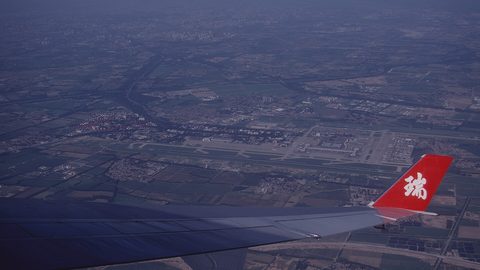 Flying into Beijing PEK or PKX and Getting Out of Both Airports
Flying into Beijing: choosing between PEK and PKX, and exactly how to get from each airport into the city centre without getting stranded after a long flight.
-
 Beijing Things to Do Ordered by Whether It Is Worth the Time
Beijing consumes your day before you see anything. The walk from Tiananmen Square metro exit to the Forbidden City gate is a long stretch of open concrete und
-
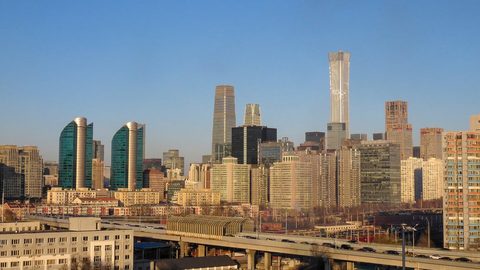 Best Time to Visit Beijing What Each Season Does to the City
The most common mistake travellers make about Beijing is searching for a single perfect month. There is none.
-
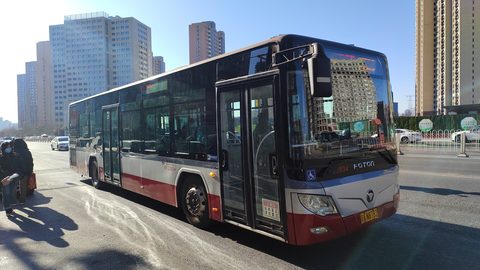 Getting Around Beijing Without Wasting Half the Trip
On a single morning in Beijing you will: tap a QR code to enter the metro, scan your passport at a landmark ticket counter, pay for a jianbing from a cart
-
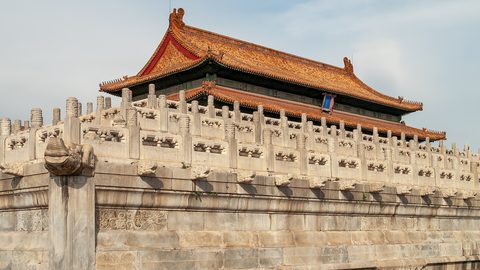 Forbidden City
The Forbidden City runs on a strict one-way route with a single entry and exit. Here is how to plan the Beijing visit without queueing twice.
-
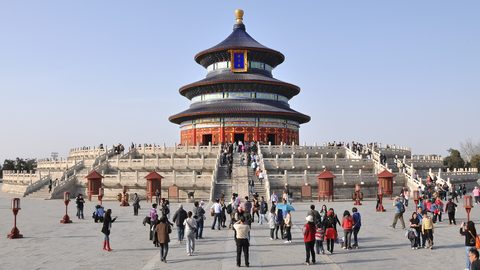 Temple of Heaven
How to visit the Temple of Heaven Beijing without queueing twice: the two-ticket system explained, which gate to use, and why the through ticket saves you a
-
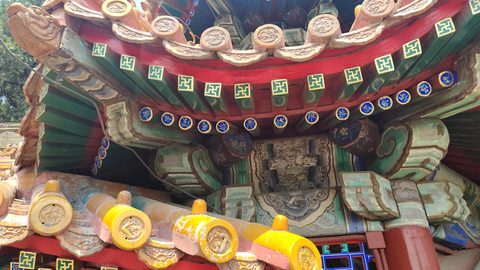 Summer Palace
How to visit the Summer Palace Beijing without queueing twice: the two time windows that avoid tour buses, which gate to enter, and why walking direction