The Best Time to Visit Beijing and What Each Season Does to the Experience
The most common mistake travellers make about Beijing is searching for a single perfect month. There is none.
The Best Time to Visit Beijing and What Each Season Does to the Experience
The most common mistake travellers make about Beijing is searching for a single perfect month. There is none. The best time to visit Beijing is always a trade off between two variables that rarely align: weather windows and crowd windows. April through May and September through October deliver the clearest skies and the most comfortable temperatures for walking the Forbidden City or climbing the Great Wall. Those same months collide with Labour Day and National Day, domestic tourism surges that push major sights to their visitor cap and make spontaneous movement across Tiananmen Square or the Temple of Heaven nearly impossible. The rest of the year forces a different kind of compromise. Winter brings heating season smog and a genuine need for an N95 mask but empties the city of queues. Summer delivers humidity and frequent grey skies. Chinese New Year week closes local restaurants for days and clogs every train line. Each season follows a pattern. Decide which trade off you are willing to make.
Beijing Seasons Guide: Four Distinct Patterns, One Trade Off
Beijing operates on four clear seasonal patterns. Spring is dry and windy with occasional sandstorms blown in from Inner Mongolia and the Gobi, most intense from March to April. Summer is hot and humid with concentrated rainfall in July and August, often as short heavy downpours that cause localised street flooding. Autumn is clear, mild, and stable, with historically the best air quality from mid October to mid November due to weather patterns and reduced industrial activity. Winter is cold, dry, and sunny with occasional biting wind and the worst smog of the year during the heating season.
Spring: Sandstorms and Cherry Blossoms
Spring draws local crowds to Yuyuantan Park for cherry blossom viewing and to Jingshan Park for peony season, both of which peak on dates that shift with temperature each year. The sandstorm risk is real: visibility can drop to a few hundred metres, and outdoor sightseeing becomes unpleasant. The Qingming Festival around April 4 or 5 adds traffic congestion near western hills cemeteries. The Beijing International Film Festival runs mid to late April, but that is a minor pull compared to the weather risk. If you come in spring, book flexible indoor alternatives such as the National Museum of China or the Capital Museum, both of which require booking ahead and close on Mondays.
Summer: Humidity and the Gaokao Disruption
July and August bring oppressive humidity and frequent smog. The school summer holiday surge from early July to late August packs all major sites with domestic tourists. The National College Entrance Examination in early June and the Senior High School Entrance Examination in late June cause localised traffic disruption around exam sites but do not close the city. Summer is the least reliable season for clear skies and the most draining for physical stamina. The one advantage: longer daylight hours and early morning temperatures that are tolerable until roughly 10:00. Arrive at the Forbidden City by 08:00 when it opens and plan to be done by noon.
Autumn: The Window That Works, If You Navigate the Holiday
Mid October to mid November is the single best stretch for air quality and temperature. The autumn colour at Fragrant Hills Park peaks from mid October to early November, exact dates vary annually with temperature. But this window sits immediately after National Day Golden Week, October 1 to October 7, the largest domestic tourism surge of the year. All major ticketed sites operate at or near capacity. Accommodation rates hit their annual peak. The Mid Autumn Festival, on the 15th day of the 8th lunar month, brings mooncake consumption and evening park gatherings but does not cause the same crowds as National Day. The Beijing Marathon typically runs late October or early November, blocking some central roads for a morning. If you can arrive after October 8 and before mid November, you get the best of both variables.
Winter: Empty City, Smog, and Ice Skating
Deep winter, mid January to late February excluding the Spring Festival week, sees the lowest visitor numbers and accommodation pressure of the year. The heating season runs through these months and smog can spike without warning. Check the AQI daily and carry an N95 mask from November through March. The cold is dry and sunny, which makes walking tolerable if you dress in layers. Temporary ice skating surfaces open on frozen lakes at Shichahai, Beihai Park, and the Summer Palace when ice thickness meets safety thresholds, typically late December to late February. The Summer Palace lake freezes and boat services suspend from approximately December to mid March. Outdoor sections of the Great Wall may close temporarily during heavy snowfall or high winds, decisions made day of. Chinese New Year week, dates vary with the lunar calendar, is a separate problem: many small businesses and restaurants close entirely, major sites are packed on days they are open, and intercity transport is severely congested.
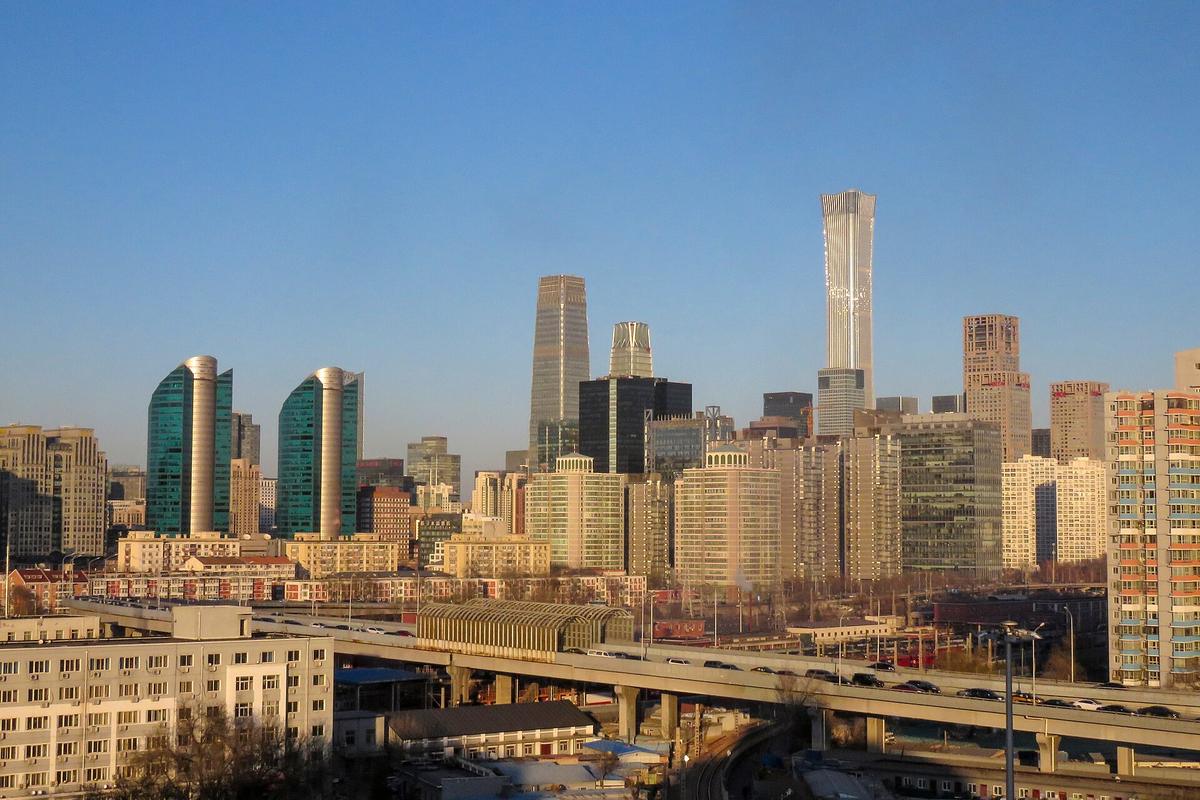

Beijing Air Quality by Month: When You Need a Mask and When You Do Not
Air quality in Beijing follows a predictable annual pattern, not random chance. The worst months are November through March, during the heating season when coal fired boilers across the northern plain run full. The best months are mid October to mid November, when weather patterns push pollution away and industrial activity drops before winter. Summer smog is frequent but less intense than winter spikes; the humidity itself becomes the problem rather than the AQI number. Spring sandstorms from March to April create a different kind of particulate hazard: coarse dust rather than industrial fine particles, but still worth avoiding for anyone with respiratory issues. Check a real time AQI app daily and keep an N95 mask in your bag between November and March. In autumn and early spring, you may go days without checking it. In winter, you check it before you leave the hotel.
| Season | Temperature | Crowd Level | Key Risk | What to Book Ahead |
|---|---|---|---|---|
| Spring (Mar May) | Cool to warm, 10 25°C | High (Labour Day surge) | Sandstorms March April | Forbidden City, National Museum |
| Summer (Jun Aug) | Hot and humid, 25 35°C | Very high (school holidays) | Smog, rain, Gaokao disruption | All major sites, 7 days ahead |
| Autumn (Sep Nov) | Mild, 10 22°C | Extreme (National Day Oct 1 7) | Golden Week crowds | Forbidden City, Fragrant Hills parking |
| Winter (Dec Feb) | Cold and dry, 10 to 5°C | Low (except Spring Festival week) | Heating season smog, closures | Ice skating tickets, N95 mask supply |
Beijing National Day Crowds: What to Expect October 1 7
National Day Golden Week, October 1 to October 7, is the largest domestic tourism surge of the year. The Forbidden City sells out its daily visitor cap days in advance. The Great Wall at Badaling and Mutianyu becomes a human conveyor belt. Accommodation rates in Dongcheng and Chaoyang double. If you must travel during this week, pre book everything: Forbidden City tickets 7 days ahead, train tickets to the Great Wall as soon as the booking window opens, and all meals at restaurants that accept reservations. The alternative is to skip Beijing entirely during this week and visit a less crowded Chinese city, or stay in Beijing and limit yourself to peripheral sights such as the White Cloud Temple, the Beijing Ancient Observatory, and hutong walking routes that do not require tickets. Do not attempt Tiananmen Square on October 1 itself; the security queues can exceed two hours.
Labour Day Crowds: A Smaller Version of the Same Problem
The Labour Day holiday period runs May 1 to May 5 and triggers a domestic tourism surge nearly as intense as National Day. Major sites become impassable in the middle of the day. The same pre booking discipline applies. The one difference: spring weather is more variable than autumn, so the crowds may be slightly smaller if the forecast looks unsettled, but do not count on it. Book the Forbidden City for the earliest entry slot and exit through the north gate toward Jingshan Park before the midday wave arrives.
Beijing Spring vs Autumn: Which One to Pick and Why
Spring and autumn are the two windows that most travellers compare, and the answer depends on your tolerance for sand versus crowds. Autumn wins on air quality and temperature stability. Mid October to mid November delivers clear skies, mild days, and the best light for photography across the Forbidden City and Temple of Heaven. Spring has cherry blossom and peony displays that autumn cannot match, and the sandstorm risk is real but not constant: you might get three perfect days then one gritty one. Spring also carries the Labour Day surge, which is smaller than National Day but still significant. Autumn carries the larger National Day surge but the weeks after October 8 are the clearest of the year. If you can travel in late October, choose autumn. If you can only travel in April, choose spring and pack a mask.

Beijing Winter Smog Advice and What to Do When the Air Turns
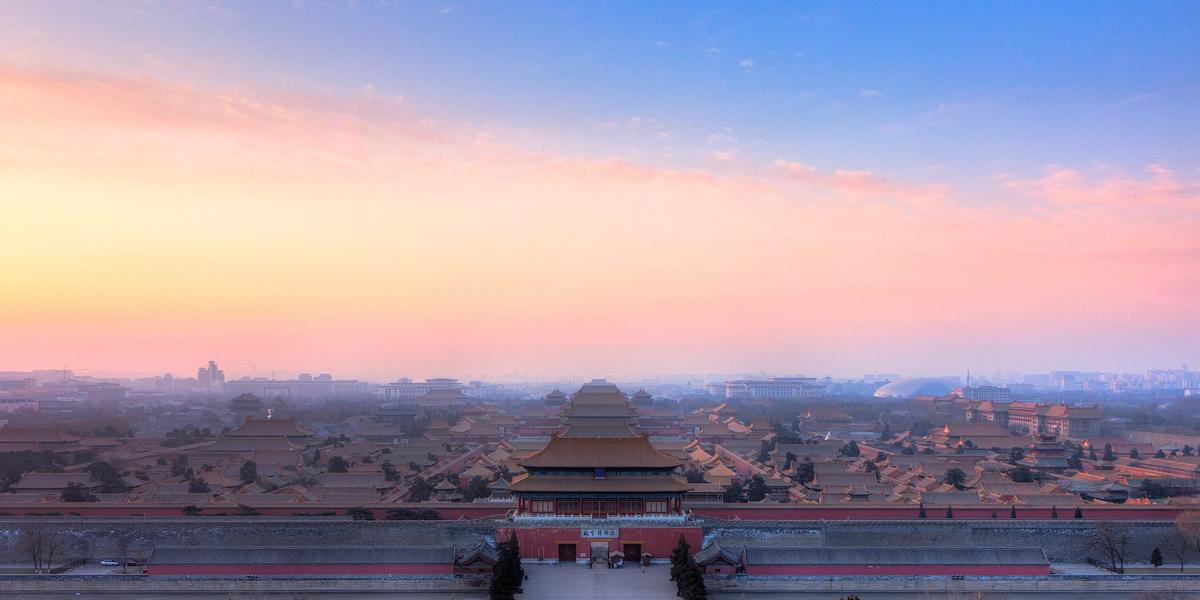
Winter smog in Beijing is not a maybe. It is a seasonal certainty driven by the heating season that runs from November through March. On bad days, the AQI exceeds 200 and the sky disappears into a brown grey haze. Carry an N95 mask at all times during these months, not a cloth mask or a surgical mask, which do not filter PM2.5 particles. Check the AQI on your phone every morning. When the reading is above 150, limit outdoor sightseeing to the morning hours and shift afternoons to indoor sights: the National Museum of China, the Capital Museum, the 798 Art District galleries, or a hotpot lunch that can stretch for two hours. The ice skating rinks on Shichahai and Beihai Park operate only when ice thickness is safe, typically late December to late February, and the cold dry air on a clear winter day is actually pleasant for walking, but only if you dress in layers and keep your mask ready. The trade off for winter is clear: you trade smog risk for the lowest crowds of the year.
The Trade Off You Cannot Avoid
The decision comes down to this. April through May and September through October deliver the best light and temperatures but force you to navigate Labour Day and National Day surges that make the Forbidden City and the Great Wall impassable during the middle of the day. Winter clears the crowds but brings heating season smog and the requirement for an N95 mask. Summer offers longer days but humidity and frequent grey skies. Chinese New Year week closes local restaurants for days and congests every train line. There is no month that solves for clear skies, comfortable temperatures, low crowds, and open restaurants simultaneously.
Beijing suits history obsessives who want to stand inside Ming and Qing power, food driven travellers willing to chase specific hutong addresses, architecture pilgrims focused on socialist realism and contemporary megastructures, solo travellers comfortable with apps and pre booking, and repeat China visitors ready for a dense urban challenge. It does not suit first time Asia travellers seeking a gentle walkable introduction, people with significant respiratory issues, travellers who rely on spontaneity and dislike rigid pre booking, or anyone seeking a compact old town. The single thing that most often goes wrong: underestimating the size of the Forbidden City and the time required to cross Tiananmen Square. Visitors book the Forbidden City for a morning and a separate afternoon sight, then lose 90 minutes just walking from the entry gate through security, across the square, and out the north gate to the nearest metro. Budget that time before you plan anything else.
Common Questions
What is the absolute worst week to visit Beijing?
National Day Golden Week, October 1 to October 7. All major ticketed sites hit capacity, queues exceed two hours, and accommodation rates peak. The week of Spring Festival, late January to mid February, is a close second because many local restaurants close and intercity transport is chaotic.
Can I avoid smog entirely in Beijing?
No. Smog can appear in any season, but it is most predictable between November and March during the heating season. Autumn from mid October to mid November has historically the best air quality. Check the AQI daily and carry an N95 mask regardless of season.
Is the Forbidden City open every day?
No. The Forbidden City is closed all day every Monday except when a public holiday overrides the closure. The National Museum of China follows the same Monday closure pattern. Many smaller museums and galleries also close on Mondays.
Does the Great Wall close in winter?
Sections of the Great Wall in Beijing municipality, including Badaling and Mutianyu, may close temporarily during heavy snowfall, high winds, or icy conditions. Decisions are made day of. Check the official site before you travel.
How far ahead should I book Forbidden City tickets?
Book 7 days ahead, especially during peak seasons and holiday periods. Tickets sell out to the daily visitor cap, and no walk up sales are available. Book the earliest entry slot to avoid the midday crowds.
Read next
-
 Beijing Hotels What Each Price Band Actually Gets You
The most useful fact about Beijing hotels is that not every bed in the city is legally permitted to take your money.
-
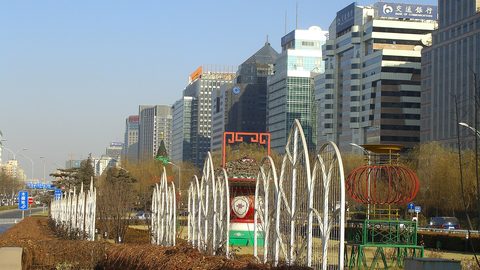 Where to Stay in Beijing District by District and What Each Costs You
Where to stay in Beijing depends on whether you prioritise imperial proximity, nightlife, or calm.
-
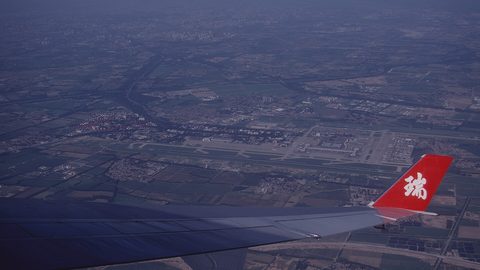 Flying into Beijing PEK or PKX and Getting Out of Both Airports
Flying into Beijing: choosing between PEK and PKX, and exactly how to get from each airport into the city centre without getting stranded after a long flight.
-
 Beijing Things to Do Ordered by Whether It Is Worth the Time
Beijing consumes your day before you see anything. The walk from Tiananmen Square metro exit to the Forbidden City gate is a long stretch of open concrete und
-
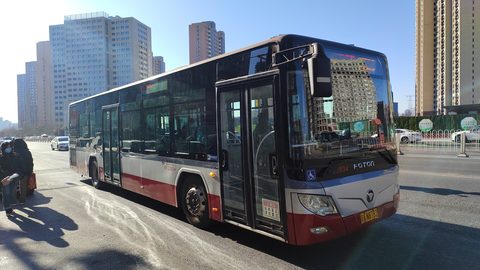 Getting Around Beijing Without Wasting Half the Trip
On a single morning in Beijing you will: tap a QR code to enter the metro, scan your passport at a landmark ticket counter, pay for a jianbing from a cart
-
 Beijing Itinerary How to Spend 2 or 3 Days Without Wasting Time
How to spend 2 or 3 days in Beijing without wasting time: a logistics-first itinerary that accounts for real distances, booking requirements, and the physical
-
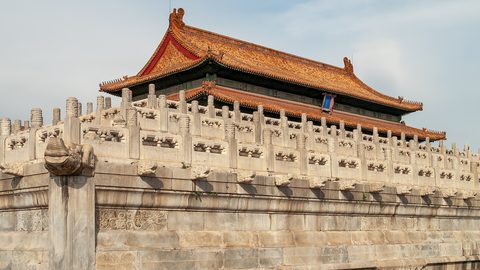 Forbidden City
The Forbidden City runs on a strict one-way route with a single entry and exit. Here is how to plan the Beijing visit without queueing twice.
-
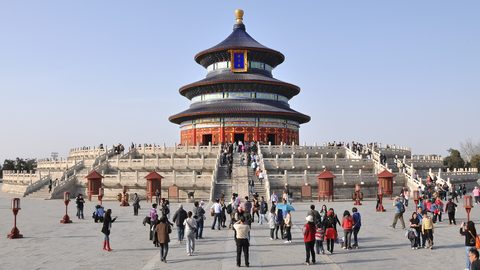 Temple of Heaven
How to visit the Temple of Heaven Beijing without queueing twice: the two-ticket system explained, which gate to use, and why the through ticket saves you a
-
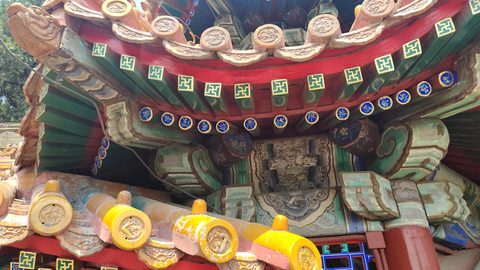 Summer Palace
How to visit the Summer Palace Beijing without queueing twice: the two time windows that avoid tour buses, which gate to enter, and why walking direction