How to Visit the Mutianyu Great Wall Beijing Section Without Queueing Twice
How to visit the Mutianyu Great Wall Beijing section: the sequence from car park to wall, where the two queues form, and how to time your arrival so you only
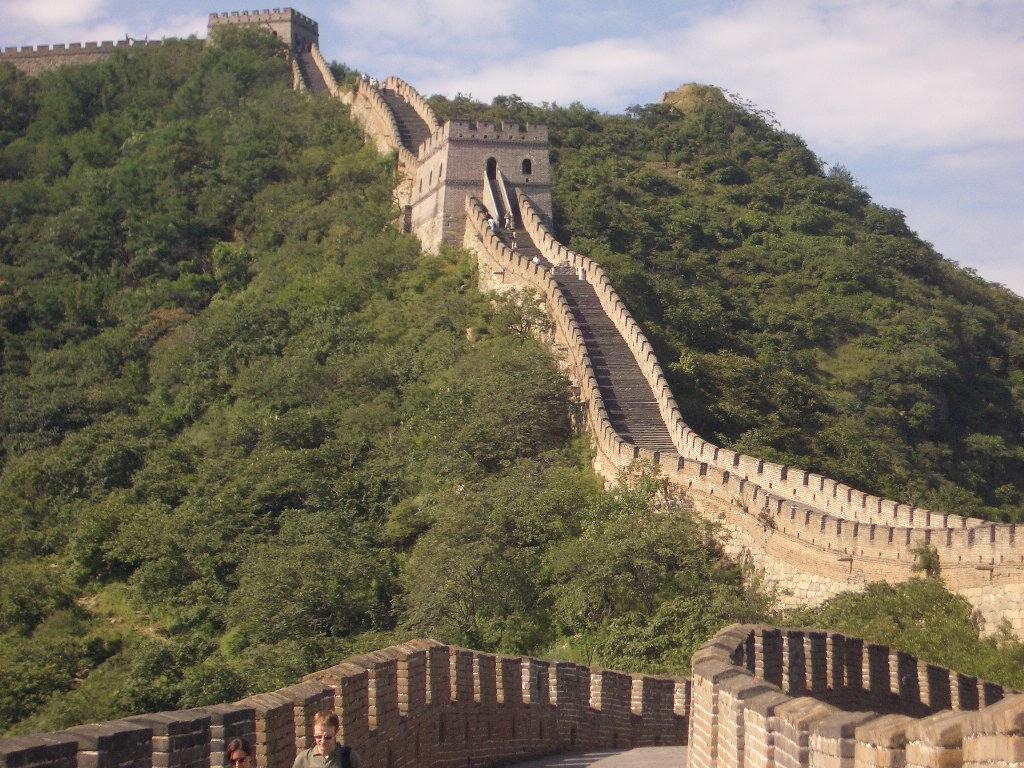

The queue at Mutianyu Great Wall Beijing is not the wall itself. It is the ticket window and the lift boarding area, and if you hit them at the wrong time you wait twice. The solution is to arrive before the tour buses do. Gates open at 07.30. If you are at the shuttle bus stop in the car park by 07.45, you collapse those two queues into one brief stop. The rest of your morning moves in a straight line: shuttle bus to the base, ticket in hand, straight onto the cable car or chairlift, up to the wall ridge with nothing between you and the watchtowers except the sentry steps. This sequence works without backtracking.
- Section Length: 4.2 km, restored section open to visitors
- Watchtowers: 23 on the restored section
- Construction Era: Ming dynasty (1368-1644 on earlier Northern Qi foundations)
- Typical Visit Duration: 2 to 3 hours for a full walk of the restored section
- Best Arrival Time: 07.30 to 08.30, before the 10.00 crowd surge
- Access from Dongzhimen: 70 km north of Beijing city centre, 1.5 to 2 hours by road
- Ticket Booking: Advance reservation required via the official WeChat channel 'Mutianyu Great Wall'. The 2024 booking system and daily cap figures are set by site management and subject to annual revision.
Mutianyu vs Badaling Great Wall: Which Section Should You Choose
Badaling is the section every first time tourist hears about. It is also the section that the tour bus wave hits hardest. Badaling sits closer to Beijing, trains run directly to it, and the result is a wall surface packed shoulder to shoulder by 10.00. Mutianyu is further north in the Huairou district, requires a longer drive, and draws a thinner crowd because of it. The Mutianyu Great Wall Beijing section has the same Ming dynasty restoration, the same battlement views, and the same stone steps, but the visitor cap means you walk the wall ridge at a pace you choose rather than the pace of the person in front of you. For a traveller who wants to stand on the actual stones without being shuffled along, Mutianyu is the better choice. Badaling is the one to skip unless you have a specific reason to ride the S2 train and treat the wall as a tick box.
How to Get to Mutianyu Great Wall
You have three ways to reach the Mutianyu Great Wall from Beijing. One of them works for an early arrival. The others introduce risk.
Pre-Booked Car
A pre-booked car is the reliable option. Arrange it through your hotel concierge or a ride hailing app the night before. The drive from Dongzhimen takes 1.5 to 2 hours depending on traffic. On a holiday morning the road can stretch to 2.5 hours, so leaving at 06.30 is not excessive. The car drops you at the main car park. From there you walk to the shuttle bus stop. Do not let the driver drop you at a souvenir stall or a ticket agency booth further down the road. The official shuttle bus station is clearly marked.
Public Bus
Express Bus 916 from Dongzhimen runs to the Huairou district, where you transfer to a local minibus or taxi for the final stretch to the wall. This method works but it adds uncertainty. The bus schedule, the transfer point, and the last leg all depend on traffic and your ability to read Chinese wayfinding. If you are comfortable with that, it is the cheapest route. If you are not, book a car.
Organised Tour
An organised tour that promises to skip queues usually delivers you to Mutianyu at the same time as every other tour van. The tour bus wave peaks between 10.00 and 14.00. If you book a tour, you accept that you will queue at the ticket window and queue again at the cable car boarding area. The tour solves transport. It does not solve the crowd.
Whichever method you choose, have your passport ready before you board the shuttle bus. The ticket window requires the physical document. Digital copies are not accepted.
Mutianyu Great Wall Cable Car vs Chairlift: Which Ascent is Right for You
From the base of Mutianyu you have two ways up: the cable car and the chairlift. The cable car is a closed cabin that seats six to eight people. It runs from the ticket area directly to the wall near watchtower 14. The ride takes roughly five minutes and the cabin protects you from wind and occasional summer thunderstorms. The cable car is the sensible choice if you are travelling with someone who finds steep climbs difficult, if the air quality is poor, or if you simply want to preserve energy for the walk along the wall ridge itself.
The chairlift is an open two person seat with a safety bar. It ascends from a separate boarding point near the base of the toboggan slide. The chairlift reaches the wall close to watchtower 6, which gives you a longer walk if you intend to cover the full restored section. The chairlift is also the way to use the toboggan descent, because the toboggan starts from the same area. If you take the cable car up, you cannot ride the toboggan down without first walking the length of the wall to watchtower 6.
Both options have a queue line at busy times. The cable car queue tends to move faster because the cabins hold more people per cycle. The chairlift queue backs up on weekends because each seat carries only two passengers and the loading process is slower. Arrive before 08.30 and neither queue takes longer than ten minutes.
Mutianyu Great Wall Toboggan: How the Descent Works
The toboggan descent is a concrete slide that runs from near watchtower 6 down to the base area. You sit in a wheeled sled with a single brake lever. Push the lever forward to stop. Pull it back to go. The slide is not a roller coaster. It is a controlled descent that takes roughly two to three minutes and lets you see the wall from below as you curve through the trees.
The toboggan is the reason many visitors choose the chairlift ascent. You go up by chairlift, walk the wall east or west, then slide down. This is the cleanest sequence. You never retrace your steps on the wall and you never queue for the same lift twice. If you take the cable car up, you must walk the full restored section to reach watchtower 6, which is a 2 km walk along uneven stone steps. Doable but not quick. The toboggan operates subject to weather conditions. In heavy rain or high wind it closes. On a clear day it is the best way to leave the wall.

Where the Two Queues Form and How to Collapse Them Into One
Two queue lines exist at Mutianyu. The first is at the ticket window, where every visitor must show their reservation and passport. The second is at the cable car or chairlift boarding area. These are separate locations separated by a ten minute walk through the base complex. If you arrive at 10.30, you queue for tickets for twenty minutes, walk to the cable car, and queue for another thirty minutes. That is two waits for a single visit.
Arriving at 07.45 collapses them. The ticket window opens at 07.30. The first shuttle bus from the car park arrives just after. You buy your ticket with a handful of other early visitors, walk straight to the lift boarding area, and board the next available cabin or chair. The queue line at the lift is empty until the first tour buses arrive around 09.30. From 07.45 to 09.00 you have a window where the entire process takes less than fifteen minutes. After that you rejoin the standard pattern.
A pre booked car is the only way to guarantee this timing. The public bus does not run frequently enough at that hour. A tour picks you up too late. Spend the money on the car, save the time on the ground.
What the Walk on the Wall Actually Feels Like
The stone steps of the Mutianyu Great Wall Beijing section are uneven and the pitch changes without warning. Some steps are knee high. Others are shallow. The Ming dynasty restoration rebuilt the wall surface but did not standardise the stair height. You walk the wall ridge with the battlement on one side and a drop on the other. The sentry steps inside the watchtowers are narrow and dark. Budget for the physical effort. A full walk from watchtower 14 to watchtower 6 and back takes effort, not just time.
The souvenir stalls and food vendors cluster at the base near the shuttle bus stop and the lift exits. There are no shops on the wall itself. Carry water and snacks in a small backpack. The steep ascent between watchtowers demands more stamina than most visitors expect. Take breaks inside the watchtowers where the stone walls provide shade and a wind break.
The view from the wall ridge is the reason to make the trip. Standing at the highest watchtower, looking along the line of the wall as it follows the mountain spine, you see why the Ming dynasty invested centuries in this defence. That view is not available from the ticket queue. It is available from the wall. The early start is what gets you there.
Common Questions
Do I need to book tickets for Mutianyu in advance?
Yes. Advance reservation is required. Tickets are released on the official WeChat channel 'Mutianyu Great Wall'. The 2024 booking system and daily visitor cap are set by site management and updated annually. Check the channel before you travel.
What is the best time of year to visit Mutianyu?
Autumn, from September to October, offers clear skies and comfortable temperatures. Spring is moderate. Winter is cold with possible snow but very low crowds. Summer is hot with occasional thunderstorms that can close the cable car.
Can I combine Mutianyu with another sight in one day?
Nearby options include the Jiankou Great Wall, an unrestored wild section a 3 km hike east that requires an experienced hiker with no facilities. The Hongluo Temple is 15 km southwest and the Yanqi Lake reservoir is 20 km south. One sight per day is more realistic given the travel time from Beijing.
Is the toboggan safe for children?
Children can ride the toboggan if they meet the height requirement set by the site. The sled has a single brake lever and the speed is controlled by the rider. A staff member briefs you before the descent.
How long does it take to walk the full restored section?
The restored section open to visitors is 4.2 km with 23 watchtowers. A full walk takes 2 to 3 hours depending on your pace and how often you stop. The surface is stone steps with uneven sections and some steep ascents.
What happens if the cable car is closed when I arrive?
The cable car can close in high wind or heavy rain. There is no indoor queuing area. On those days the chairlift may still operate unless conditions are severe. Check the official WeChat channel for real time updates before you leave Beijing.
Is Mutianyu less crowded than Badaling?
Yes. Mutianyu draws fewer visitors because it is further from the city centre and requires a longer drive. The daily visitor cap also limits the number of people on the wall at any one time. Badaling is the most crowded and most restored section.
Read next
-
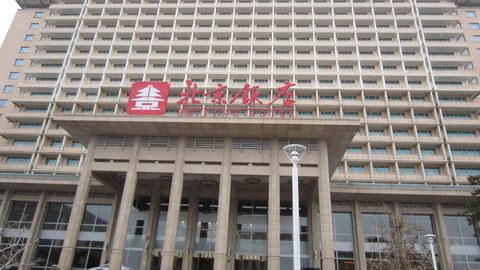
 Beijing Hotels What Each Price Band Actually Gets You
The most useful fact about Beijing hotels is that not every bed in the city is legally permitted to take your money.
-
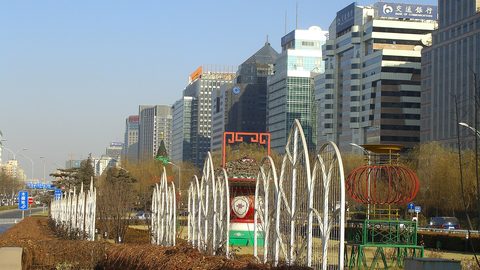 Where to Stay in Beijing District by District and What Each Costs You
Where to stay in Beijing depends on whether you prioritise imperial proximity, nightlife, or calm.
-
 Flying into Beijing PEK or PKX and Getting Out of Both Airports
Flying into Beijing: choosing between PEK and PKX, and exactly how to get from each airport into the city centre without getting stranded after a long flight.
-
 Beijing Things to Do Ordered by Whether It Is Worth the Time
Beijing consumes your day before you see anything. The walk from Tiananmen Square metro exit to the Forbidden City gate is a long stretch of open concrete und
-
 Best Time to Visit Beijing What Each Season Does to the City
The most common mistake travellers make about Beijing is searching for a single perfect month. There is none.
-
 Getting Around Beijing Without Wasting Half the Trip
On a single morning in Beijing you will: tap a QR code to enter the metro, scan your passport at a landmark ticket counter, pay for a jianbing from a cart
-
 Forbidden City
The Forbidden City runs on a strict one-way route with a single entry and exit. Here is how to plan the Beijing visit without queueing twice.
-
 Temple of Heaven
How to visit the Temple of Heaven Beijing without queueing twice: the two-ticket system explained, which gate to use, and why the through ticket saves you a
-
 Summer Palace
How to visit the Summer Palace Beijing without queueing twice: the two time windows that avoid tour buses, which gate to enter, and why walking direction